Amphibian Study Guides

%CODE1%

Javascript not enabled

Name: 

Amphibian Quiz


Multiple Choice
Identify the choice that best completes the statement or answers the question.
 1.
The word amphibian is derived from Greek words meaning
a.
“fishlike.”
c.
“double life.”
b.
“froglike.”
d.
“first lunged.”
 2.
Which of the following is not evidence that amphibians evolved from a lobe-finned fish?
a.
The limb bones of amphibians are similar in shape and position to those of lobe-finned fishes.
b.
Amphibians’ limb bones are used to support the body.
c.
Amphibians are still alive, while lobe-finned fishes are extinct.
d.
Both amphibians and lobe-finned fishes have a skull and a vertebral column.
 3.
The earliest known land vertebrates
a.
were salamanders.
b.
were amphibians.
c.
lacked bones in their legs.
d.
were now-extinct reptiles.
 4.
In amphibians, gases are exchanged through the gills, lungs, and
a.
heart.
c.
lateral line system.
b.
air bladder.
d.
skin.
 5.
Toads, like frogs,
a.
cannot live in moist areas.
b.
generally return to the water to reproduce.
c.
have long tails as adults.
d.
belong to the order Caudata.
 6.
Amphibians without tails are classified in the order
a.
Apoda.
c.
Caudata.
b.
Anura.
d.
Hydrodela.
 7.
Newts and salamanders are amphibians of the order
a.
Apoda.
c.
Caudata.
b.
Anura.
d.
Gymnophiona.
 8.
Amphibians have thin, moist skin
a.
to allow easier gas exchange.
b.
because thin, moist skin cannot be eaten by a predator.
c.
so that they can slip easily into tight places.
d.
to resist water loss.
 9.
Some type of strong skeletal support
a.
exists in all animals, whether they are aquatic or terrestrial.
b.
is necessary for animals to live outside aquatic environments.
c.
is present primarily in aquatic vertebrates.
d.
evolved first in reptiles.
 10.
Which of the following characteristics of the skeletons of frogs are adaptations for jumping?
a.
forelimbs attached to a pectoral girdle and hind limbs attached to a pelvic girdle
b.
fusion of bones of the lower limbs and of part of the vertebral column
c.
cervical vertebrae
d.
many separate, distinct vertebrae
 11.
All terrestrial vertebrates
a.
must stay near water in order to reproduce.
b.
have thin, moist skin for gas exchange.
c.
have tracheal systems for delivering oxygen to cells.
d.
have a double-loop circulatory system.
 12.
Which of the following is not a preadaptation in the transition from aquatic to terrestrial life?
a.
bone structure in the fins that worked like legs
b.
modified pouches in the digestive tract, which evolved into swim bladders
c.
internal nostrils
d.
a lateral line system
 13.
The amount of oxygen a lung can absorb depends primarily on
a.
its thickness.
b.
its position in the body of an animal.
c.
its internal surface area.
d.
the diameter of the bronchioles in the lung.
 14.
Adult frogs, like other amphibians, are
a.
herbivores.
c.
parasites.
b.
omnivores.
d.
carnivores.
 15.
Male frogs attract females by means of
a.
vocalizations.
c.
pheromones.
b.
the amplexus.
d.
metamorphosis.
 16.
Which of the following senses is not more developed in amphibians than in bony fishes?
a.
lateral line system
c.
smell
b.
vision
d.
hearing
 17.
Frogs reproduce in water or moist places because their eggs
a.
are fertilized externally.
b.
have a jelly-like coating that is permeable to water.
c.
will dry out if removed from moisture.
d.
All of the above
 18.
The series of changes in the life cycle of a frog is called
a.
amniocentesis.
c.
evolution.
b.
metamorphosis.
d.
synapsis.
 19.
During metamorphosis in frogs,
a.
lungs replace gills.
b.
limbs develop.
c.
the tail disappears.
d.
All of the above
 20.
Which of the following is not a method used by at least some frogs for caring for fertilized eggs as they develop?
a.
gastric brooding
b.
keeping eggs in vocal sacs
c.
sitting on eggs
d.
laying eggs on land
 

Completion
Complete each statement.
 21.
Amphibians differ from lobe-finned fishes and most other fishes in that they take in oxygen through their ____________________ and skin.

 22.
Salamanders and ____________________ are amphibians with a distinct head, tail, and limbs.

 23.
Frogs and toads are amphibians of the order ____________________.

 24.
Amphibians supplement the use of their lungs by respiring directly through their skin. This “skin breathing” is called ____________________ respiration.

 25.
Amphibians achieve more efficient circulation than fishes because of their ____________________ circulatory system.

 26.
In amphibians, the blood vessels that go from the lungs to the heart are called the ____________________ veins.

 27.
Young frogs respire using ____________________, while adult frogs respire using ____________________ and skin.

 28.
The tympanic membrane is another word for the ____________________.

 29.
The process of change that transforms a tadpole into an adult frog is called ____________________.

 30.
The male Darwin’s frog (Rhinoderma darwinii) protects maturing eggs by enclosing them in its ____________________ sacs, while a female gastric-brooding frog protects its eggs by keeping them in its ____________________.


Check Your Work     Start Over

Internal Anatomy of the Fetal Pig Exam

%CODE1%

Internal Anatomy of the Fetal Pig Exam

1. What does the letter L refer to in the figure of the internal anatomy of the fetal pig?

Answer:


2. In the figure of the internal anatomy of the fetal pig, what letter refer to the thyroid gland?

Answer:


3. In the figure of the internal anatomy of the fetal pig, what letter refer to the left lung?

Answer:


4. What does the letter C refer to in the figure of the internal anatomy of the fetal pig?

Answer:

5. What does the letter J refer to in the figure of the internal anatomy of the fetal pig?

Answer:


6. In the figure of the internal anatomy of the fetal pig, what letter refer to the urinary bladder?

Answer:


7. What does the letter M refer to in the figure of the internal anatomy of the fetal pig?

Answer:


8. What does the letter A refer to in the figure of the internal anatomy of the fetal pig?

Answer:


9. In the figure of the internal anatomy of the fetal pig, what letter refer to the diaphragm?

Answer:

10. What does the letter F refer to in the figure of the internal anatomy of the fetal pig?

Answer:


11. In the figure of the internal anatomy of the fetal pig, what letter refer to the liver?

Answer:


12. In the figure of the internal anatomy of the fetal pig, what letter refer to the right common carotid artery?

Answer:


13. What does the letter N refer to in the figure of the internal anatomy of the fetal pig?

Answer:


14. What does the letter G refer to in the figure of the internal anatomy of the fetal pig?

Answer:

15. What does the letter E refer to in the figure of the internal anatomy of the fetal pig?

Answer:


16. In the figure of the internal anatomy of the fetal pig, what letter refer to the small intestine?

Answer:


17. In the figure of the internal anatomy of the fetal pig, what letter refer to the heart?

Answer:


18. In the figure of the internal anatomy of the fetal pig, what letter refer to the umbilical vein?

Answer:


19. What does the letter B refer to in the figure of the internal anatomy of the fetal pig?

Answer:

20. In the figure of the internal anatomy of the fetal pig, what letter refer to the larynx?

Answer:


21. What does the letter K refer to in the figure of the internal anatomy of the fetal pig?

Answer:


22. In the figure of the internal anatomy of the fetal pig, what letter refer to the left common carotid artery?

Answer:


23. In the figure of the internal anatomy of the fetal pig, what letter refer to the umbilical arteries?

Answer:


24. In the figure of the internal anatomy of the fetal pig, what letter refer to the large intestine?

Answer:

25. What does the letter H refer to in the figure of the internal anatomy of the fetal pig?

Answer:


26. What does the letter I refer to in the figure of the internal anatomy of the fetal pig?

Answer:


27. What does the letter D refer to in the figure of the internal anatomy of the fetal pig?

Answer:


28. In the figure of the internal anatomy of the fetal pig, what letter refer to the right lung?

Answer:


This is the end of the test. When you have completed all the questions and reviewed your answers, press the button below to grade the test.

AP Chapter 42 RETEST

%CODE1%

Javascript not enabled

Name:     ID: 

Email: 

AP Chapter 42 RETEST
 

Multiple Choice
Identify the choice that best completes the statement or answers the question.
 1.
Organisms in which a circulating body fluid is distinct from the fluid that directly surrounds the body’s cells are likely to have which of the following?
a.
an open circulatory system
b.
a closed circulatory system
c.
a gastrovascular cavity
d.
branched tracheae
e.
hemolymph
 2.
In which animal does blood flow from the pulmocutaneous circulation to the heart before circulating through the rest of the body?
a.
annelid
b.
mollusc
c.
fish
d.
frog
e.
insect
 3.
Which of the following are the only vertebrates in which blood flows directly from respiratory organs to body tissues without first returning to the heart?
a.
amphibians
b.
birds
c.
fishes
d.
mammals
e.
reptiles
 4.
To adjust blood pressure independently in the capillaries of the gas-exchange surface and in the capillaries of the general body circulation, an organism would need a(n)
a.
open circulatory system.
b.
hemocoel.
c.
lymphatic system.
d.
two-chambered heart.
e.
four-chambered heart.
 5.
Diffusion rate is proportional to the square of the distance molecules/ions travel. Which of the following would therefore be preferable for a mid-size multicellular organism?
a.
direct exchange of nutrients with the surrounding medium
b.
a system for bringing nutrients into contact with cells, and another system for bringing to cells
c.
a system to circulate gases, nutrients, and wastes to and from cells
d.
a system for facilitated diffusion to maximize materials that could be exchanged
e.
a system of individualized exchange tubules for each cell group
 6.
An anthropologist discovers fossilized animal remains that give strong evidence that the organism had a large, well-formed, most likely 4-chambered heart, with no connection between the right and left sides. Which of the following could most reasonably be hypothesized from this observation?
a.
that the animal and its relatives had evolved from birds
b.
that the animal had a high energy requirement and was endothermic
c.
that the animal was most closely related to reptiles such as alligators and crocodiles
d.
that the animal was a kind of invertebrate
e.
that the species had little to no need to regulate blood pressure
 7.
Which of the following would be described as a portal system?
a.
an area connecting arterioles to venules
b.
a series of vessels that returns blood to the heart in an animal with an open circulatory system
c.
a space within or between organs where blood is allowed to pool
d.
a slightly muscular vessel that has minimal pumping action in an organism with no heart
e.
a vessel or vessels connecting two capillary beds
 8.
A human red blood cell in an artery of the left arm is on its way to deliver oxygen to a cell in the thumb. From this point in the artery, how many capillary beds must this red blood cell pass through before it returns to the left ventricle of the heart?
a.
one
b.
two
c.
three
d.
four
e.
five
 9.
Which sequence of blood flow can be observed in either a reptile or a mammal?
a.
left ventricle ® aorta ® lungs ®systemic circulation
b.
right ventricle ® pulmonary vein ® pulmocutaneous circulation
c.
pulmonary vein ® left atrium ® ventricle ® pulmonary circuit
d.
vena cava ® right atrium ® ventricle ® pulmonary circuit
e.
right atrium ® pulmonary artery ® left atrium ® ventricle
 10.
A patient has a blood pressure of 120/75, a pulse rate of 40 beats/min, a stroke volume of 70 mL/beat, and a respiratory rate of 25 breaths/min. This person’s cardiac output per minute will be
a.
500 mL.
b.
1,000 mL.
c.
1,750 mL.
d.
2,800 mL.
e.
4,800 mL.
 11.
Damage to the sinoatrial node in humans
a.
is a major contributor to heart attacks.
b.
would block conductance between the bundle branches and the Purkinje fibers.
c.
would have a negative effect on peripheral resistance.
d.
would disrupt the rate and timing of cardiac muscle contractions.
e.
would have a direct effect on blood pressure monitors in the aorta.
 12.
If the atrioventricular node could be surgically removed from the heart without disrupting signal transmission to the Purkinje fibers, what would be the effect?
a.
No apparent effect on heart activity would be observed.
b.
The heart rate would be decreased.
c.
Only the ventricles would contract.
d.
Only the atria would contract.
e.
Atria and ventricles would contract at about the same time.
 13.
A nonfunctional sinoatrial node would
a.
have no adverse effects on heart contraction.
b.
cause the heart to stop beating in an autorhythmic fashion.
c.
result in a block in ventricular contractions.
d.
cause no effects because hormones will take over regulation of the heartbeat.
e.
have little significant effect on stroke volume.
 14.
Which of the following is measured by an electrocardiogram?
a.
impulses from the AV node
b.
impulses of the parasympathetic nervous system that control heart beat
c.
the spread of impulses from the SA node
d.
contraction of the two atria
e.
systole and diastole
 15.
The average resting stroke volume of the heart is 70 mL and it beats ~72 times per minute. This would result in which cardiac output?
a.
5 L/minute
b.
504 mL/minute
c.
0.5 L/minute
d.
50 L/minute
e.
500 L/minute
 16.
Where are semilunar valves to be found in the mammalian heart?
a.
where blood goes from atria to ventricles
b.
on the right side of the heart only
c.
where the pulmonary veins attach to the heart
d.
at the places where blood leaves via the aorta and pulmonary arteries
e.
at the places where the anterior and posterior venae cavae enter
 17.
Why is the velocity of blood flow the lowest in capillaries?
a.
The capillary walls are not thin enough to allow oxygen to exchange with the cells.
b.
Capillaries are far from the heart, and blood flow slows as distance from the heart increases.
c.
The diastolic blood pressure is too low to deliver blood to the capillaries at a high flow rate.
d.
The systemic capillaries are supplied by the left ventricle, which has a lower cardiac output than the right ventricle.
e.
The total surface area of the capillaries is larger than the total surface area of the arterioles.
 18.
The meshwork that forms the fabric of a blood clot consists mostly of which protein?
a.
fibrinogen
b.
fibrin
c.
thrombin
d.
prothrombin
e.
collagen
 19.
Why is gas exchange more difficult for aquatic animals with gills than for terrestrial animals with lungs?
a.
Water is less dense than air.
b.
Water contains much less than air per unit volume.
c.
Gills have less surface area than lungs.
d.
Gills allow only unidirectional transport
e.
Gills allow water to flow in one direction
 20.
Which of the following is an example of countercurrent exchange?
a.
the flow of water across the gills of a fish and that of blood within those gills
b.
the flow of blood in the dorsal vessel of an insect and that of air within its tracheae
c.
the flow of air within the primary bronchi of a human and that of blood within the pulmonary veins
d.
the flow of water across the skin of a frog and that of blood within the ventricle of its heart
e.
the flow of fluid out of the arterial end of a capillary and that of fluid back into the venous end of the same capillary
 21.
Where do air-breathing insects carry out gas exchange?
a.
in specialized external gills
b.
in specialized internal gills
c.
in the alveoli of their lungs
d.
across the membranes of cells
e.
across the thin cuticular exoskeleton
 22.
Air rushes into the lungs of humans during inhalation because
a.
the rib muscles and diaphragm contract, increasing the lung volume.
b.
pressure in the alveoli increases.
c.
gas flows from a region of lower pressure to a region of higher pressure.
d.
pulmonary muscles contract and pull on the outer surface of the lungs.
e.
a positive respiratory pressure is created when the diaphragm relaxes.
 23.
Which of the following occurs with the exhalation of air from human lungs?
a.
The volume of the thoracic cavity decreases.
b.
The residual volume of the lungs decreases.
c.
The diaphragm contracts.
d.
The epiglottis closes.
e.
The rib cage expands.
 24.
Which of the following lung volumes would be different in a person at rest compared with when the person exercises?
a.
tidal volume
b.
vital capacity
c.
residual volume
d.
total lung capacity
e.
All of the above would be different.
 25.
The blood level of which gas is most important in controlling human respiration rate?
a.
nitric acid
b.
nitrogen
c.
oxygen
d.
carbon dioxide
e.
carbon monoxide


         Start Over

Annelids

%CODE1%

Name: 

Annelids


True/False
Indicate whether the sentence or statement is true or false.
1.
Different regions of an annelid’s body specialize for different functions.
2.
Some leeches have become specialized to a parasitic way of life by developing the ability to suck blood from the bodies of other organisms.
 

Multiple Choice
Identify the letter of the choice that best completes the statement or answers the question.
3.
Twisting of the visceral mass of gastropods is called
a.
extension.
c.
torsion.
b.
inversion.
d.
conversion.
4.
Among the various species of gastropods, respiration may take place
a.
with gills.
c.
with lungs.
b.
through the skin.
d.
All of the above
5.
Segmented worms are known as
a.
nematodes.
c.
planarians.
b.
annelids.
d.
arthropods.
6.
Each segment of an annelid
a.
is capable of reproduction.
b.
has a well-developed brain.
c.
has a pseudocoelom.
d.
has a complete set of digestive organs.
7.
The evolution of tremendous diversity in the phylum Annelida is due primarily to
a.
gills.
c.
cephalization.
b.
specialized reproductive organs.
d.
segmented bodies.
8.
A similarity between annelids and arthropods is that they both have
a.
exoskeletons made of chitin.
c.
segmented body patterns.
b.
the ability to fly.
d.
well-developed lungs for respiration.
9.
Segmented worms are known as
a.
nematodes.
c.
planarians.
b.
annelids.
d.
arthropods.
      annelids_files/i0120000.jpg
10.
Refer to the illustration above. Which two organisms in the diagrams have segmented body plans?
a.
Organisms “A” and “C”
c.
Organisms “A” and “D”
b.
Organisms “B” and “D”
d.
Organisms “B” and “C”
11.
Coordinated movements of an annelid’s body segments are possible because of the
a.
development of an advanced brain.
b.
ventral nerve cord and paired segmental ganglia.
c.
presence of a true coelom in the annelid body.
d.
existence of a complete digestive system.
12.
Of the four basic types of tissue, the tissue that is specialized to transmit and receive messages in the body is
a.
epithelial tissue.
c.
muscle tissue.
b.
connective tissue.
d.
nerve tissue.
13.
earthworm movement : circular muscles and setae ::
a.
earthworm digestion : circular muscles and setae
b.
earthworm digestion : sperm receptacles
c.
earthworm reproduction : pharynx
d.
earthworm respiration : skin
14.
The digestive tube of annelids is divided into three regions. Which of the following is not among these regions?
a.
crop
c.
radula
b.
intestine
d.
stomach
15.
The advantage of a closed circulatory system over an open circulatory system is that
a.
blood moves more efficiently through the tubes of a closed circulatory system.
b.
a closed circulatory system prevents blood from leaking out of the body.
c.
blood is able to be pumped by a muscular heart in a closed circulatory system.
d.
lungs are able to function in animals with a closed circulatory system.
16.
Of the following organs, the one that does not exist in annelids is the
a.
heart.
c.
nephridia.
b.
gills.
d.
stomach.
17.
The clitellum of an earthworm
a.
contains the heart.
b.
is associated with reproduction.
c.
acts as a primitive respiratory system.
d.
is necessary for movement.
18.
Earthworms are considered to be beneficial to the environment because
a.
their castings contain nutrients.
b.
they aerate the soil as they move through it.
c.
they break up the soil in which they live.
d.
All of the above
19.
The basic body plan of an annelid
a.
consists of joined legs.
c.
is a tube within a tube.
b.
is similar to a long tube.
d.
can be compared to a corkscrew.
20.
Parapodia are involved in all of the following except
a.
swimming.
c.
burrowing.
b.
gas exchange.
d.
reproduction.


Check Your Work     Reset


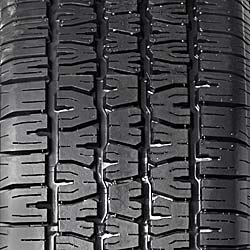
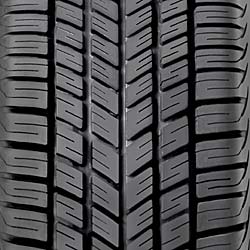
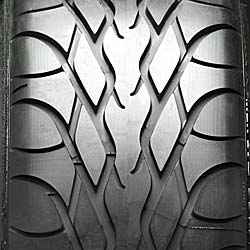
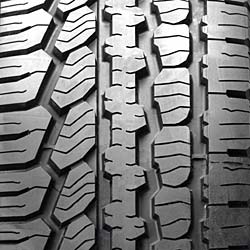
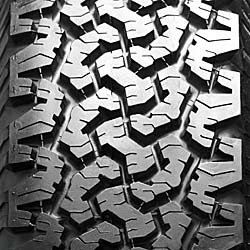
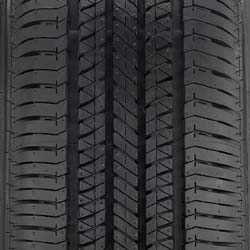
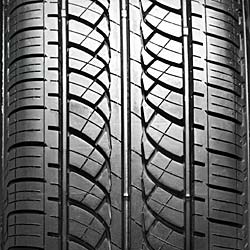
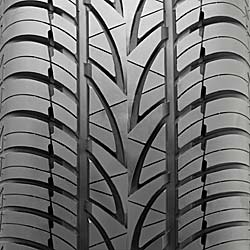
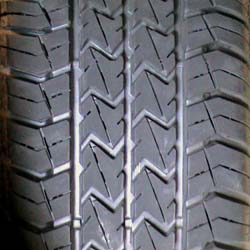
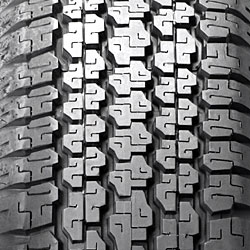
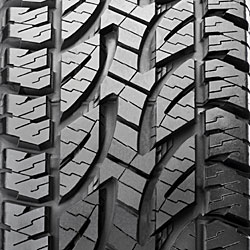
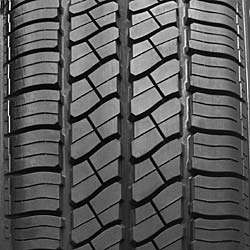
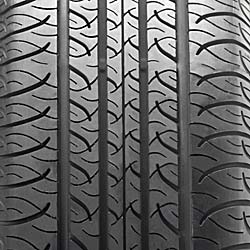
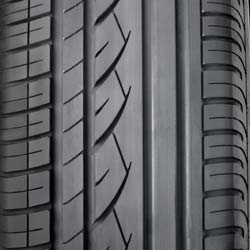
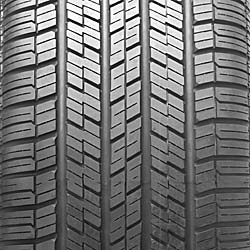
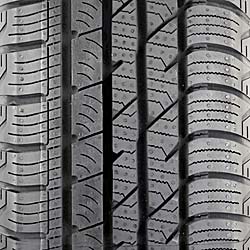
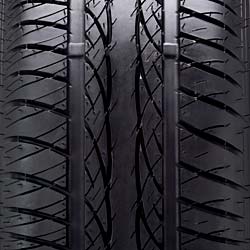
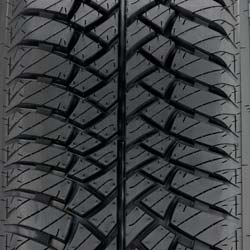
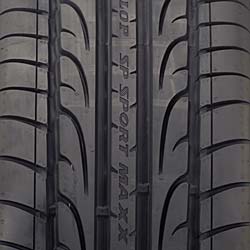
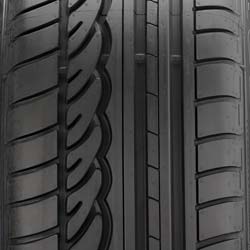
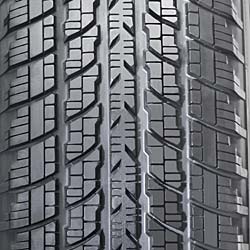
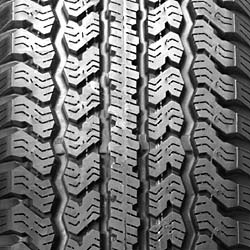
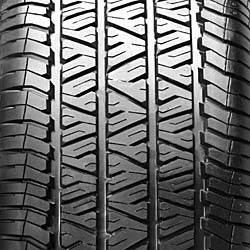
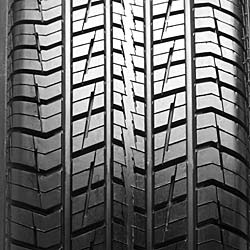
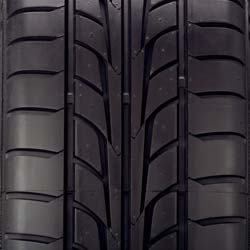
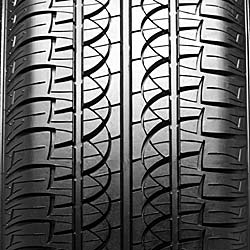
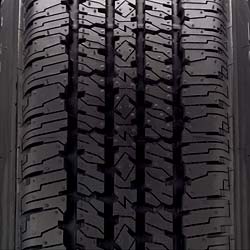
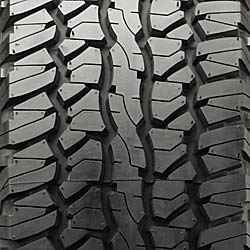
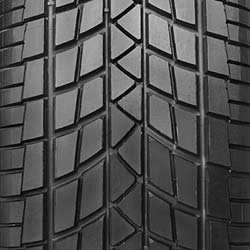
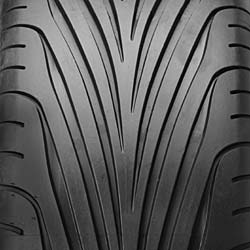
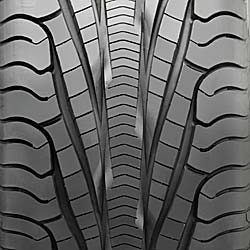
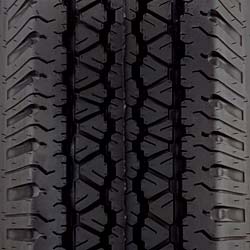
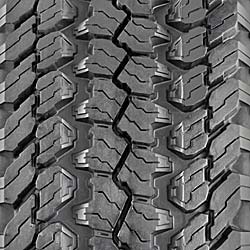
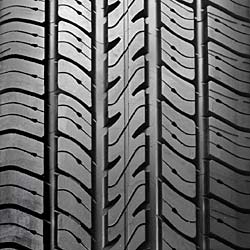
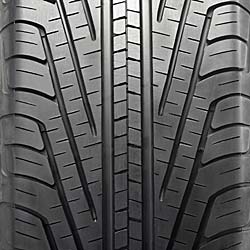
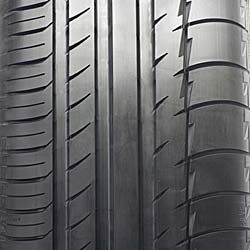
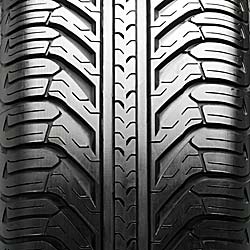
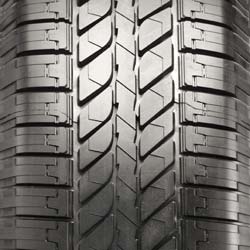
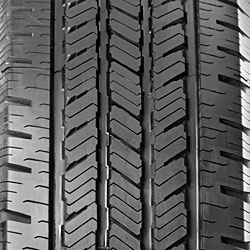
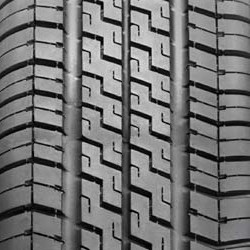
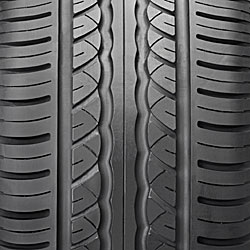
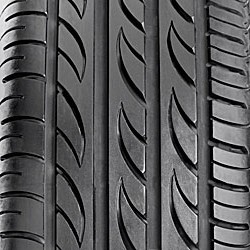
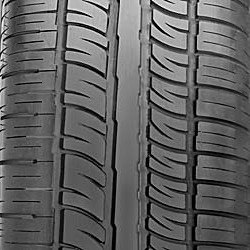
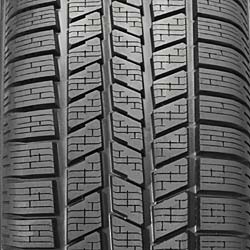
Library of Tire Tread Patterns

Example Tire Treads, by Manufacturer and Category

B.F. Goodrich Tires
Hatchback

Price Category: Economy
Sedan

Price Category: Economy
Sports coupes

Price Category: Expensive
Luxury Sedans

Price Category: Mid-range
SUV/Minivan

Price Category: Mid-range
Pickups/Vans

Price Category: Mid-range
Bridgestone Tires
Hatchback

Price Category: Economy
Sedan

Price Category: Mid-range
Sports coupes

Price Category: Expensive
Luxury Sedans

Price Category: Very Expensive
SUV/Minivan

Price Category: Mid-range
Pickups/Vans

Price Category: Mid-range
Continental Tires
Hatchback

Price Category: Economy
Sedan

Price Category: Economy
Sports coupes

Price Category: Mid-range
Luxury Sedans

Price Category: Expensive
SUV/Minivan

Price Category: Mid-range
Pickups/Vans

Price Category: Mid-range
Dunlop Tires
Hatchback

Price Category: Mid-range
Sedan

Price Category: Mid-range
Sports coupes

Price Category: Expensive
Luxury Sedans

Price Category: Expensive
SUV/Minivan

Price Category: Expensive
Pickups/Vans

Price Category: Mid-range
Firestone Tires
Hatchback

Price Category: Mid-range
Sedan

Price Category: Expensive
Sports coupes

Price Category: Very Expensive
Luxury Sedans

Price Category: Very Expensive
SUV/Minivan

Price Category: Expensive
Pickups/Vans

Price Category: Expensive
Goodyear Tires
Hatchback

Price Category: Economy
Sedan

Price Category: Mid-range
Sports coupes

Price Category: Expensive
Luxury Sedans

Price Category: Expensive
SUV/Minivan

Price Category: Mid-range
Pickups/Vans

Price Category: Expensive
Michelin Tires
Hatchback

Price Category: Economy
Sedan

Price Category: Economy
Sports coupes

Price Category: Mid-range
Luxury Sedans

Price Category: Mid-range
SUV/Minivan

Price Category: Mid-range
Pickups/Vans

Price Category: Mid-range
Pirelli Tires
Hatchback

Price Category: Expensive
Sedan

Price Category: Expensive
Sports coupes

Price Category: Very Expensive
Luxury Sedans

Price Category: Very Expensive
SUV/Minivan

Price Category: Very Expensive
Pickups/Vans

Price Category: Very Expensive