Algal & Fungal Protist


Algal & Fungal-like Protists
Kingdom Protista
All Materials © Cmassengale

Copyright © by Holt, Rinehart and Winston


Algal-Like Protists

Characteristics of Algae:

  • Plantlike members of the kingdom Protista
  • Eukaryotes
  • Most unicellular, but some multicellular
  • Autotrophic – contain chlorophyll & make food by photosynthesis
  • Plankton = communities of organisms, mostly microscopic, that drift passively or swim weakly near the surface of oceans, ponds, and lakes
  • Produce oxygen that is returned to the atmosphere
  • Range in size from microscopic to seaweeds hundreds of feet in length
  • Do not have true roots, stems, nor leaves
  • Form gametes (eggs & sperm) in single-celled gametangia (chambers) instead of     multicellular gametangia like true plants
  • Found in freshwater, marine, and moist soil habitats
  • Most have flagella at some time in life cycle
  • Algae cells contain organelles called pyrenoids organelles that make & store starch

Structure of Algal Cells:

  • The body of algae is called the thallus  (1n)
  • Algae may  be unicellular, colonial, filamentous, or multicellular
  • Unicellular algae are single-celled & make up phytoplankton (a population of photosynthetic organisms that begins many aquatic food chains)
  • Phytoplankton make much world’s carbohydrates & are the major producers of oxygen
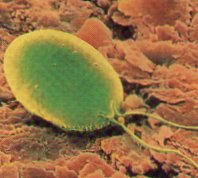

Chlamydomonas
Copyright © by Holt, Rinehart and Winston

  • Colonial algae consist of groups of cells working together
  • Some colonial algal cells may specialize for movement, feeding, or reproduction showing for division of labor 
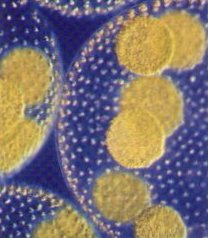

Volvox
Copyright © by Holt, Rinehart and Winston

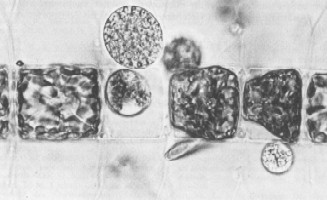
  • Filamentous algae have slender, rod-shaped thallus arranged in rows joined end-to-end
  • Holdfasts are specialized structures in some filamentous algae that attaches the algae so it can grow toward sunlight at the surface
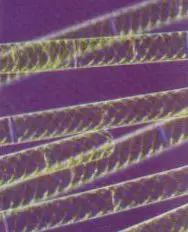

Spirogyra
Copyright © by Holt, Rinehart and Winston

  • Multicellular algae often have a large, complex leaf-like thallus & may have stem-like sections and air bladders
  •  Macrocystis is among the largest multicellular algae
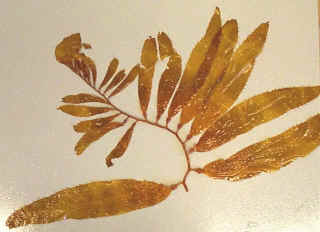

Macrocystis
Copyright © by Holt, Rinehart and Winston

Reproduction in Unicellular Algae:

Asexual Phase

  • Algae absorbs its flagellum
  • Haploid algal cell then divides mitotically from 2 to 3 times
  • From 4 – 8  haploid flagellated cells called zoospores develop in this parent cell
  • Zoospores break out of the parent cell & eventually grow to full size

Sexual Phase

  • Haploid cells dividing mitotically to produce either “plus” or “minus” gametes
  • A plus gamete and a minus gamete come into contact with one another, shed their cell walls, and fuse to form a diploid zygote
  • This resting stage of a zygote is called a zygospore & an withstand bad environmental conditions
  • When conditions are bad, the thick wall opens and the living zoospore emerges


Life Cycle of Chlamydomonas
Copyright © by Holt, Rinehart and Winston

Reproduction in Multicellular Algae:

  • Oedogonium is a multicellular, filamentous green algae with specialized cells called gametangia that form gametes
  • The male gametangia or antheridium makes sperm, & the female gametangia or oogonium makes eggs
  • Sperm are released into the water & swim to the egg to fertilize them
  • The fertilized egg or zygote is released from the oogonium & forms thick-walled zoospores
  • Zoospores undergo meiosis so one cell attaches to the bottom & develops a holdfast while the other zoospores divide & form a filament


Oedogonium Life Cycle
Copyright © by Holt, Rinehart and Winston

  • Spirogyra, another filamentous green algae, reproduces by conjugation
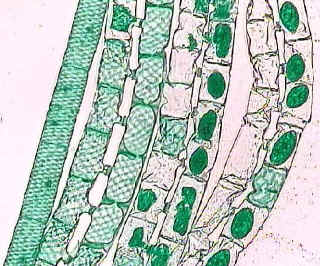
spirogyra conjugating.jpg (91550 bytes)

  • Two filaments align side by side, their adjacent cell walls dissolve, & a conjugation tube forms between them
  • Fertilization occurs when a + gamete cell moves through the tube & fuses to the – gamete cell 
  • Zygote forms a thick walled spore (sporangium) that breaks away from the parent & forms a new filament
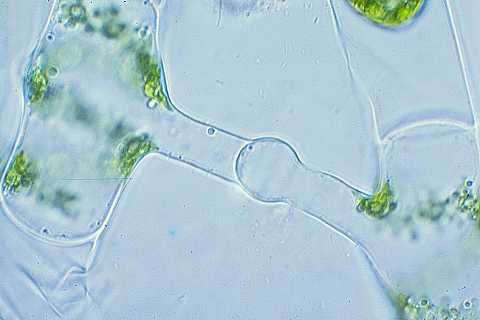
Spirogyra: conjugation begining.
Conjugation Tube between Spirogyra

  • The leaflike algae Ulva has a sexual reproductive cycle characterized by a pattern called alternation of generations
  •  Alternation of generations has two distinct multicellular phases- a haploid, gamete-producing phase called a gametophyte and a diploid, spore-producing phase called a sporophyte
  • Alternation of Generation also occurs in more complex land plants, but the gametophyte & sporophyte do not resemble each other
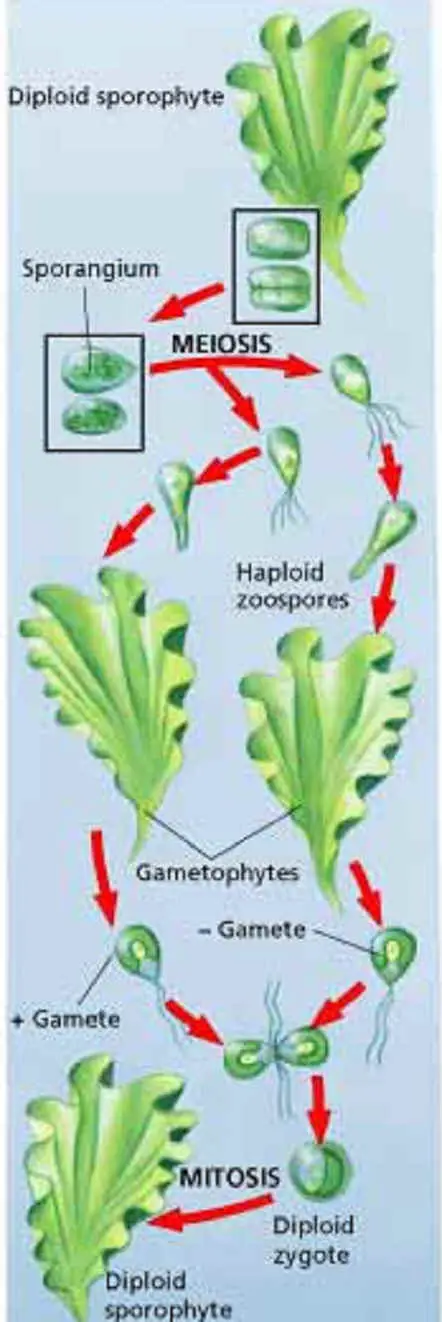

Ulva Life cycle
Copyright © by Holt, Rinehart and Winston

Classification: 

  • Algae are classified into 7 phyla, based on color, type of chlorophyll, form of food-storage substance, and cell wall composition
  • All phyla contain chlorophyll a
  • All algae live in water or moist areas (ponds, seas, moist soil, ice…)
  • Act as producers making food & oxygen
  • Many species of algae reproduce sexually and asexually
  • Sexual reproduction in algae is often triggered by environmental stress


SEVEN PHYLA OF ALGAE

Phylum Structure of Thallus Pigments Food Storage  Cell Wall composition
Chlorophyta
(Green Algae)
Unicellular
Colonial
Filamentous
Multicellular
Chlorophyll a & b Carotenoids Starch Mainly Cellulose
Phaeophyta
(Brown Algae)
Multicellular Chlorophyll a & c Carotenoids Fucoxanthin
Peridinin
Laminarin  Cellulose
Algin
Rhodophyta
(Red Algae)
Multicellular Chlorophyll a Phycobilins Carotenoid Starch Cellulose
CaCO3
Bacillariophyta
(Diatoms)
 Unicellular Some Colonial Chlorophyll a & c Carotenoids Xanthophyll Starch
Pectin
SiO2
Dinoflagellata
(Dinoflagellates)
Unicellular Chlorophyll a & c Carotenoids Starch Cellulose
Chrysophyta
(Golden Algae)
 Unicellular Some Colonial Chlorophyll a & c
Xanthophyll Carotenoids
Laminarin Cellulose
Euglenophyta
(Euglenoids)
Unicellular Chlorophyll a & b
Carotenoids Xanthophyll
Paramylon
No Cell Wall  Pellicle


 Chlorophyta (green Algae):7000 species

  • May be unicellular, multicellular, or colonial
  • Include Spirogyra, Ulva, & Chlamydomonas
  • Contain chlorophyll a & chlorophyll b and carotenoids (orange & yellow pigments) as accessory pigments
  • Store food as starch
  • Cell walls mainly cellulose, but some marine forms add CaCO3
  • Habitat may be freshwater, moist surfaces, or marine environments
  • Some have whip-like flagella for movement
  • May live symbiotically as lichens
  • Thought to have given rise to terrestrial plants

Phaeophyta (brown algae):1500 species
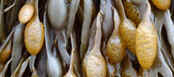
  • Contain chlorophyll a & chlorophyll c and fucoxanthin (brown pigment) as accessory pigments
  • Most are multicellular growing in cooler marine habitats
  • Include kelps & seaweeds
  • Largest protists
  • Specialized rootlike holdfasts anchor thallus to rocks
  • Specialized air bladders keep leaflike blades afloat near surface to get light for photosynthesis
  • Stemlike structures are called the stipe and support the blades
  • Store food as a carbohydrate called laminarin
  • Include Laminaria & Fucus


Laminaria Fucus


  • Macrocystis or giant kelp contains algin in its cell walls which is used in cosmetics, some drugs, ice cream, etc.

Rhodophyta (red algae):4000 species
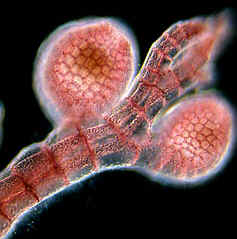
  • Multicellular algae that mainly grow deep in warm marine waters
  • Some freshwater species exist
  • Highly branched thallus
  • Contain chlorophyll a & phycobilins (red pigments) to trap sunlight for photosynthesis
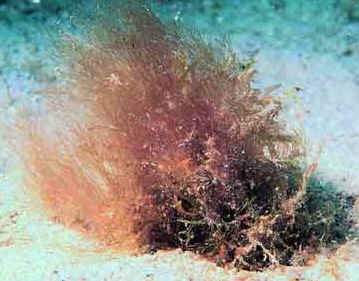

Polysiphonia (red algae)

  • Store food as starch
  • Cell walls contain cellulose and agar (used as a base in culture dishes to grow microbes)
  • Some species contain carageenan in their cell walls used for gelatin capsules & in some cheeses

Bacillariophyta (diatoms):11,500 species

  • Abundant in marine & freshwater habitats
  • Called phytoplankton & start many aquatic food chains
  • Contain chlorophyll a & c, carotenoids (orange pigments), & xanthophyll (yellow pigments)
  • Store food as starch & contain mainly cellulose in their cell walls
  • Lack cilia & flagella
  • Have glass like shells or valves containing SiO2 that fit together in 2 parts
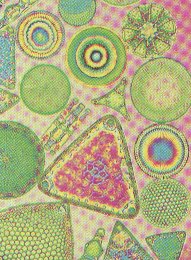

Diatoms
Copyright © by Holt, Rinehart and Winston

  • Centric diatoms are marine & have circular or triangular shells
  • Pennate diatoms are found in freshwater & have rectangular shells
  • When diatoms die, they form a layer called diatomaceous earth that is abrasive and used in detergents, toothpaste, fertilizers, etc.

Dinoflagellata or Pyrrophyta (dinoflagellates):1100 species

  • Major producers in marine habitats
  • Small, unicellular organisms making up plankton
  • Many are photosynthetic, but some are colorless heterotrophs
  • Photosynthetic dinoflagellates are yellow to brown in color due to chlorophyll a & c and carotenoids
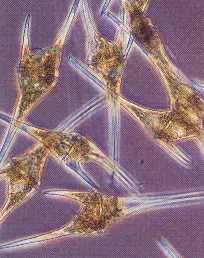

Copyright © by Holt, Rinehart and Winston

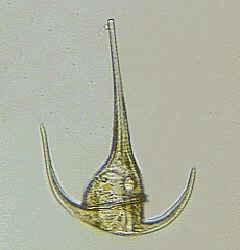
  • Have 2 flagella that spin and move the dinoflagellate through water
  • Store food as starch
  • Some dinoflagellates are covered with armor like plates & spines made of cellulose
  • Often undergo algal blooms where their numbers greatly increase
  • Produce a toxic substance and cause poisonous red tides (water appears red due to red pigments in the dinoflagellates)


Red Tide

  • Some such as Noctiluca can produce light by bioluminescence


Photograph by Robert Brons

Chrysophyta (golden algae)850 Species:

  • Most are live in freshwater habitats, but some are marine
  • Unicellular algae containing chlorophyll a & c and the brown pigment fucoxanthin and carotenoids
  • Many have flagella for movement
  • May be naked or have cellulose cell walls or silica scales or shells
  • May form highly resistant cysts to survive beneath frozen lake surfaces in winter

Euglenophyta1000 Species:

  • Unicellular algae that lack cell walls
  • Have a flexible protein covering called the pellicle
  • Called euglenoids
  • Possess chlorophyll a & b and carotenoids
  • Store food as paramylon (polysaccharide)
  • Most live in freshwater, but some live in moist soil & the digestive tracts of certain animals
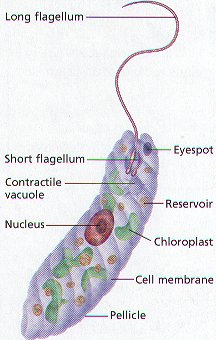

Copyright © by Holt, Rinehart and Winston

  • Euglena is a common euglenoid found in freshwater
    a. Elastic, transparent pellicle below cell membrane
    b. Contractile vacuole to pump out excess water
    c. Chloroplasts to make food by photosynthesis
    d. Can be heterotrophic in the absence of light 

Fungal-Like Protists

Characteristics of Fungal Protists:

  • Includes cellular slime molds,  plasmodial slime molds, & water molds
  • Unique life cycles with two phases
  • Multicellular, heterotrophic organisms
  • Little tissue specialization
  • Usually small & live in moist or watery habitats
  • Act as decomposers breaking down dead organic matter

Slime molds:
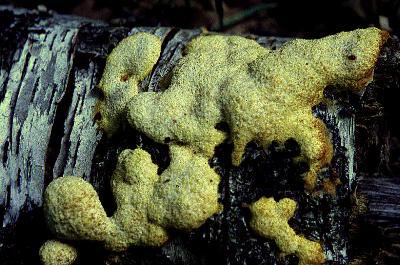
  • Shiny, wet appearance
  • Often brightly colored (yellow or orange) 
  • Have unique life cycles with 2 phases — a mobile feeding stage & a nonmotile reproductive stage
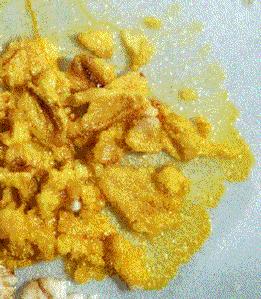

Feeding Stage of Slime Mold
Copyright © by Holt, Rinehart and Winston

  • Fungal-like in nutrition (absorptive heterotrophs that break down dead organic matter)
  • May be saprophytes or parasites


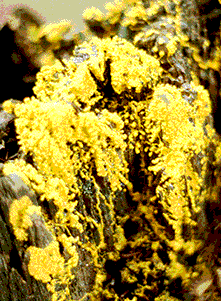
Saprophytic Slime Mold

  • Multinucleate body mass
  • May have a mobile, ameba-like feeding stage
  • Make a reproductive structure or fruiting body that produces spores
  • Often found on decaying wood or leaves
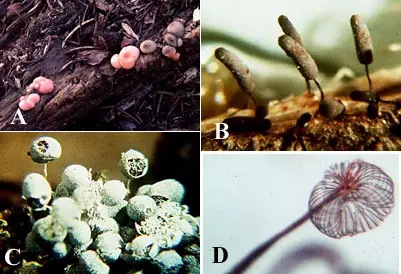
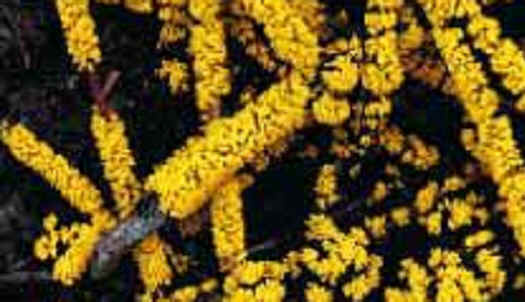
some slime mold fruiting bodies
A is Lycogala epidendrum, B is Comatricha typhoides, C is Badhamia utricularia, D is Dictydium

  • Two groups of slime molds exist — Cellular slime molds & Plasmodial slime molds
  • Cellular Slime Molds (Phylum Acrasiomycota)
  • Plasmodial Slime Molds (Phylum Myxomycota)
       
 Copyright © by Holt, Rinehart and Winston

Acrasiomycota (Cellular Slime Molds):

  • Alternate in their life cycle between amoeboid feeding stage & spore-producing fruiting body

  • Live in freshwater, moist soil
  • Clump together into masses called pseudoplasmodium whenever little food is available
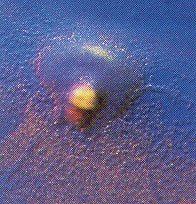
 

  • Cells in the pseudoplasmodium are independent but move together “slug-like”
  • Pseudoplasmodium settles & forms fruiting body with spores 
  • Spores spread by wind to new location & form individual amoeboid feeding stage

Myxomycota (Plasmodial Slime Molds):

  • Exist as a plasmodium ( a mass of cytoplasm with many nuclei)
  • Plasmodium creeps along over decaying material 
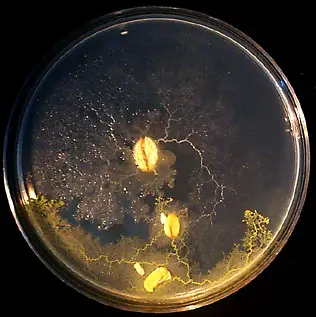
  • Decomposes & absorbs plant material as food
  • When food is scarce, the plasmodium forms stalked fruiting bodies with spores that are resistant to bad environmental conditions
  • When conditions turn favorable, spores form a new plasmodium

Oomycota (Water Molds):

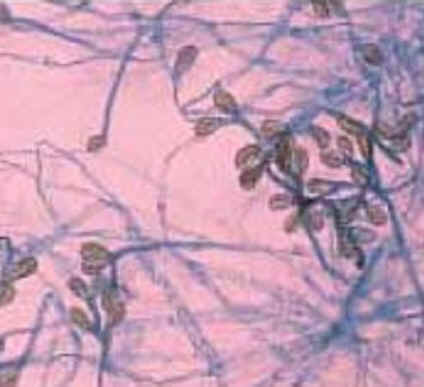
  • Fungal-like organism made of branching filaments with cell walls of cellulose


Branching Filaments of Water Mold

  • Aquatic water molds are parasites on fish forming furry growths on their gills
  • May act as decomposers in water of dead plants & animals
  • May be pathogenic to plants
    e.g. Phytophthora infestans caused blight in potatoes (Irish Potato Famine in 19th century)
  • Blight in plants decays & discolors stems & leaves 

  
Blight on Leaves & Potatoes

  • Water molds reproduce sexually & asexually
  • Motile zoospores are asexually produced from reproductive structures called sporangium
  • In sexual reproduction, cells with eggs form tubes to cells with sperm to fertilize & form new branching filaments

Chytridiomycota (Chytrids):

  • Aquatic protists that form gametes & zoospores
  • Most are unicellular or filamentous

  • May be saprophytes (decomposers) or parasites on algae, plants, or insects
  • May be a link between protists & fungi
BACK


Amphibian


Amphibians   All Materials © Cmassengale  


Amphibian Evolution:

Arose from lobe-fined ancestor called Crossopterygians
Land plants & insects provided new food source
Had primitive lungs & short, limb like fins for short periods on land
Appeared during late Devonian
Icthyostega early amphibian with 4 limbs, lungs, & a tail for swimming

Adaptations:

Four limbs with claws on digits (toes)
Lungs instead of gills
Both internal & external nares (nostrils)
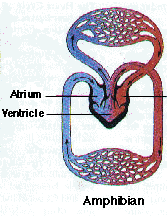
Three chambered heart (two atria & one ventricle)
Double loop blood circulation to lungs & rest of body cells

Skin with keratin (protein) to prevent water loss
Necks to more easily see & feed
Most with smooth, moist skin to take in dissolved oxygen
Some with oral glands to moisten food they eat
Webbed toes without claws
Ectothermic – body temperature changes with environment
Show dormancy or torpor (state of inactivity during unfavorable environmental conditions)
Hibernate in winter and aestivate in summer
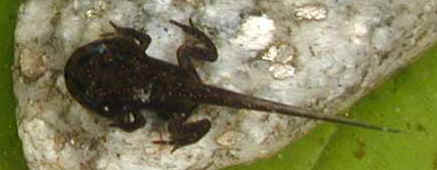
Aquatic larva called tadpole goes through metamorphosis to adult
Metamorphosis controlled by hormone called thyroxine

American Toad Tadpole photograph
Tadpole

External fertilization with amplexus (male clasps back of female as sperm & eggs deposited into water)
Eggs coated with sticky, jelly like material so they attach to objects in water & do not float away
Eggs hatch into tadpoles in about 12 days


Eggs

  • Males with vocal sacs to croak
  • Digested system adapted to swallow prey whole
  • Well developed muscular system

Classification:

  • Anura – frogs & toads
  • Urodela – salamanders & newts
  • Apoda – caecilians
  • Trachystoma – sirens or mud eels

Anuran Characteristics:

  • Both terrestrial & freshwater species
  • Tadpole with tail, gills, & two-chambered heart
  • Adults without a tail, four limbs, & lungs
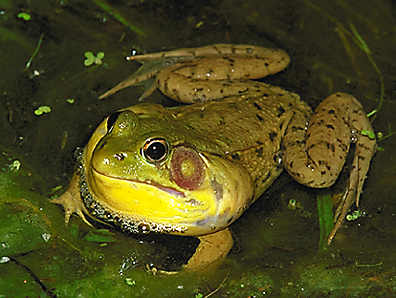
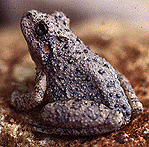
  • Frog skin smooth & moist for cutaneous respiration, while toads is rough & warty (poison glands)


Frog

Toad


  • Long hind limbs for jumping
  • Long, forked tongue hinged at front of mouth

Urodela Characteristics:

  • Includes salamanders & newts
  • Have elongated bodies with a tail & four limbs 
  • Smooth, moist skin for cutaneous respiration
  • Less able to stay on dry land than anurans

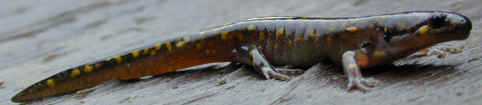
Spotted salamander photograph
Spotted Salamander

  • Size from a few centimeters long to 1.5 meters
  • Nocturnal when live in drier areas
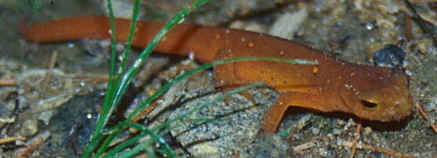
  • Newts are aquatic species

red-spotted newt photograph
Red Spotted Newt

  • Lay eggs in water or damp soil
  • Some bear live young
  • May or may not go through tadpole stage (some hatch & look like small adult)

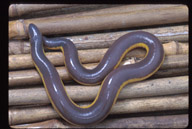
Apodan Characteristics:

  • Includes caecilians
  • Tropical, burrowing, worm like amphibians
  • Legless
  • Small eyes & often blind
  • Eat worms & other invertebrates
  • Average length 30 centimeters, but can grow up to 1.3 meters
  • internal fertilization
  • Female bear live young


Caecilian

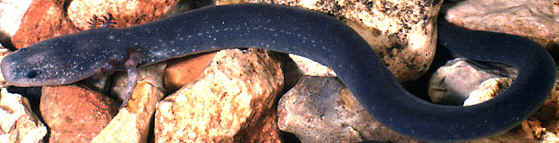
Trachystoma Characteristics:

  • Includes mud eels or sirens
  • Known as “rough mouth” amphibians
  • Found in eastern U.S. & southern Europe
  • Have minute forelimbs & no hindlimbs


Mud Eel or Siren

External Frog Anatomy:

  • Live double life on land & water
  • Powerful hind legs for jumping & swimming fold under body when at rest
  • Bulging eyes to stay submerged but still see predators
  • Blinking eyelids protect eyes from dust & dehydration
  • Nictitating membranes clear to moisten eye & see underwater
  • Internal nostrils or nares allow frog to breathe underwater
  • Tympanic membranes or eardrums behind each eye transmit sound through bone called columella to inner ear
  • Eustachian tubes connect mouth & middle ear to equalize pressure

  • Males croak or make sound to attract females & ward off other males
  • Have protective coloration from cells called chromatophores
  • Granular glands secrete foul tasting or poisonous substance
  • Mucus glands lubricate skin for oxygen to be dissolved & absorbed

Internal Frog Anatomy:
Skeletal System

  • Nine spinal vertebrae (1 cervical in neck, 7 trunk, & 1 sacral supporting hind legs)
  • Urostyle long, slim bone connecting sacral vertebrae & trunk
  • No rib cage, but pectoral girdle forms shoulders & connects front legs
  • Pelvic girdle connects to hind legs

Digestive System

  • Tongue sticky, forked, & hinged at front of mouth so can be extended out to catch insects
  • Can pull eyes inward to help swallow food
  • Two, sharp, backward-pointing  vomerine teeth in roof of mouth help prevent prey from escaping
  • Maxillary teeth line the edge of the upper jaw
  • Alimentary canal (mouth, esophagus, stomach, small & large intestines, and cloaca) is where food is digested, absorbed & wastes eliminated
  • Stomach makes gastric juices to break down food
  • Pyloric sphincter muscle controls movement of food from stomach into first part of small intestine called duodenum
  • Liver makes bile to digest fats; stored in gall bladder
  • Pancreas makes pancreatic juice to digest food in small intestine
  • Ileum is coiled mid portion of small intestine
  • Mesentery is a fanlike membrane holding the intestine in place
  • Wastes collect in large intestine & then move into cloaca along with eggs, sperm, & urine until they leave body through the anus


Circulatory System

  • Need more oxygen to burn increased amount of food needed to live on land
  • 3 chambered heart (right atrium receives deoxygenated blood from body, left atrium receives oxygenated blood from lungs, & ventricle pumps blood to lungs & rest of the body)
  • Double loop blood circulation (pulmonary from heart to lungs & systemic from heart to rest of body)
  • Conus arteriosus carries blood from ventricle to body cells

Respiratory System

  • Tadpoles use gills to breathe
  • Adult frogs breathe through lungs & moist skin (cutaneous respiration)
  • Glottis is the opening into throat & lungs

Excretory System

  • Carbon dioxide excreted through skin & lungs
  • Kidneys filter blood & store urine in urinary bladder until leaves cloaca

Nervous System

  • Olfactory lobes at base of brain detect smells
  • Cerebrum behind olfactory lobes controls muscles
  • Optic lobes detect sight
  • Cerebellum controls balance & coordination
  • Medulla oblongata controls heart rate & breathing
  • Cranial nerves connect brain & spinal cord, while spinal nerves branch off the spinal cord to muscles & sensory receptors
BACK


Sponge Coloring Diagram and Questions

Found at the Biology Corner                Name __________________ Period ______

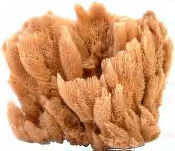
SciSponge.bmp (79782 bytes)Sponges – A Coloring Worksheet

Since sponges look like plants, it is understandable why early biologists thought they were plants. Today, we know that sponges are simple, multicellular animals in the Kingdom Animalia, Phylum Porifera. This phylum is thought to represent the transition from unicellular animals to multicellular animals. Most (but not all) sponges are asymmetrical and have no definite shape. Sponges, like all animals, are eukaryotic – meaning their cells have a nucleus. Porifera in Latin means “pore-bearer” and refers to the many pores or openings in these animals. Because of these pores, a sponge can soak up and release water. At one time, real sponges were used for cleaning and bathing. Today, most are artificially made.

All adult sponges are sessile, meaning they are attached to some surface. Since they cannot move, sponges cannot pursue their food. Instead, they are filter feeders, meaning they obtain their food by straining the water for small bits of food like bacteria, algae or protozoans.

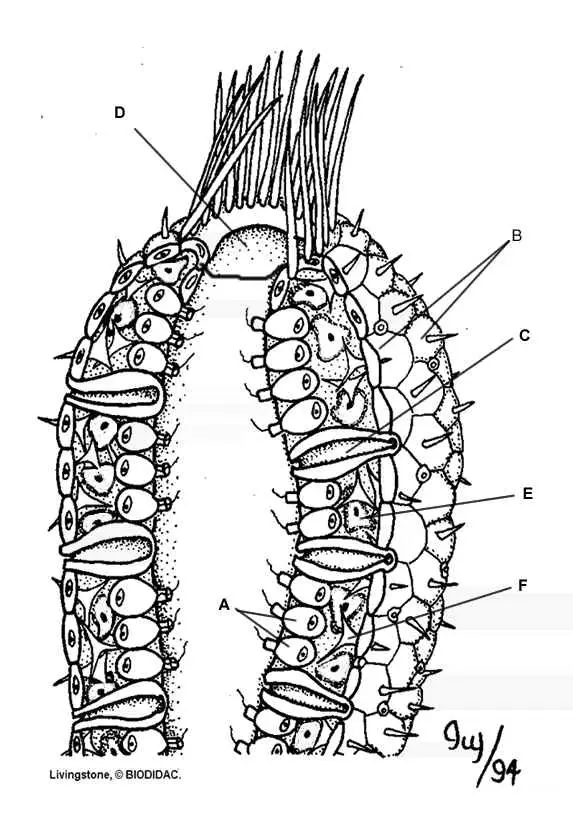
Sponges exhibit less specialization (adaptation of a cell for a particular function) of cells than most invertebrates. The primitive structure of a sponge consists of only two layers of cells separated by a non-living jelly like substance. The outer layer of the sponge is the epidermis which is made of flat cells called epithelial cells. Color all the epithelial cells (B) of the epidermis peach or pink.

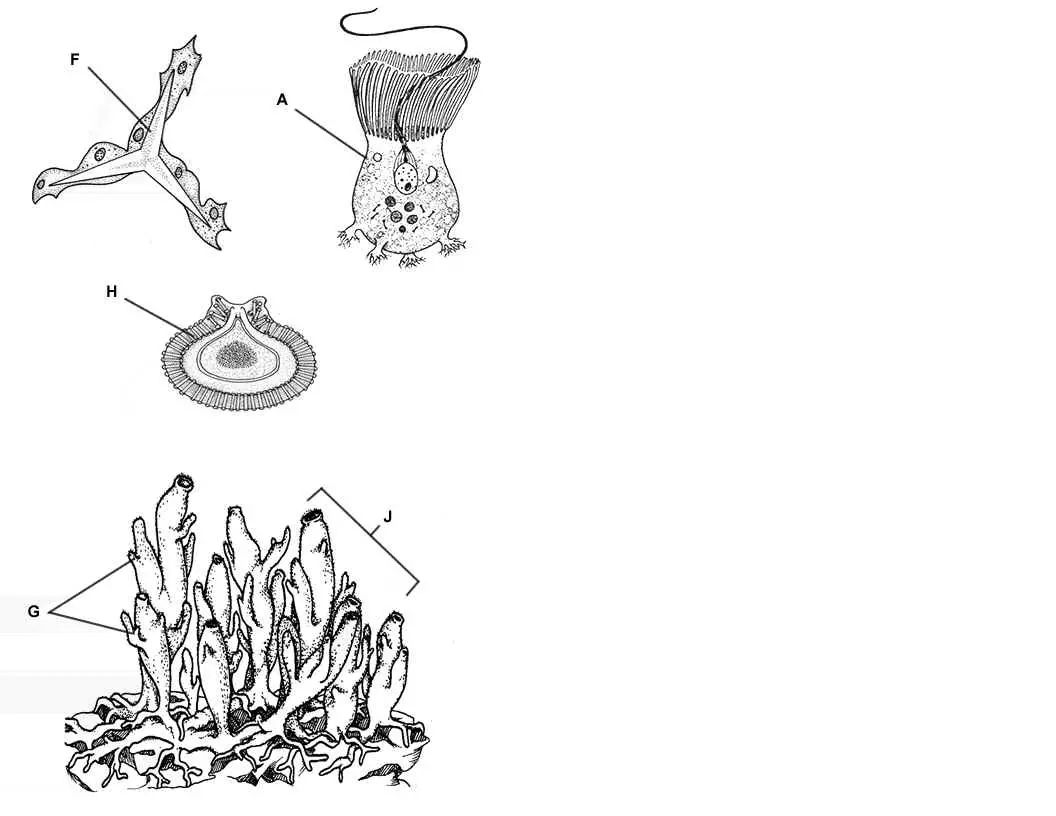
The inner layer consists of collar cells (A) whose function is to circulate water through the sponge. They do this by swishing their flagella which pulls water through the incurrent pore – water then travels out the osculum at the top of the sponge. As water passes through the sponge in this way, cells absorb food and oxygen and waste is excreted. Color the osculum (D) dark blue, the incurrent pores (C) light blue. Color the inside of the sponge where water circulates the same light blue as you colored the incurrent pores. Color all the collar cells (A) red.

In the jelly-like substance between the epidermis and the collar cells are cells called amebocytes – because they look like amebas. The job of the amebocytes is to travel around distributing food and oxygen to the cells of the epidermis. Because of the amebocytes, scientists believe that sponges evolved from protists. Color all of the amebocytes (E) green – look for them carefully.

The body of the sponge would collapse if it did not have some type of supporting structure. Some sponges have a soft network of protein fibers called spongin. Others have tiny, hard particles called spicules. Many of these spicules also stick out of the epidermis and provide the sponge with protection. Most sponges have a combination of spicules and spongin, the ratio often determines how soft or hard the sponge is. Search for and color all the pointy spicules (F) brown.


Reproduction for sponges can be accomplished both sexually and asexually. There are three ways for a sponge to reproduce asexually: budding, gemmules, and regeneration. Sponges can simply reproduce by budding, where a new sponge grows from older ones and eventually break off. Color the adult sponge (J) pink and all the buds (G) you can find red. Sponges can also reproduce by regeneration, where missing body parts are regrown. People who harvest sponges often take advantage of this by breaking off pieces of their catch and throwing them back in the water, to be harvested later. Finally, sponges can reproduce by creating gemmules – which is a group of amebocytes covered by a hard outer covering. Color the gemmule (H) yellow.

Sexual reproduction occurs when one sponge releases sperm into the water. This sperm travels to another sponge and fertilizes its eggs. The larva form will then swim to another location using its flagella where it will grow into an adult sponge. Most sponge species are hermaphrodites, they can produce both eggs and sperm.

Questions:

1. What did early biologists think sponges were? ______________________

2. Sponges belong to the Kingdom _________________ and the Phylum _______________

3. Sponges are [ unicellular or multicelluar ] and [ prokaryotic or eukaryotic ]

4. What type of symmetry do sponges have? ___________________________________

5. What does it mean to be sessile? ____________________________________

6. How do sponges get their food? ___________________________________

7. Water enters the sponge through the _____________________ and leaves through the
_____________________.

8. What is the job of the amebocyte? ________________________________________

9. What two substances give the sponge support? _________________________________

10. Tiny sponges growing from the main body of the sponge are called _________________

11. What is a gemmule? ___________________________________________________

12. What is a hermaphrodite? ______________________________________________


Label the letters on the diagrams

SciSpongesColoringWSP3.bmp (1403574 bytes)


Label the letters on the diagrams
SciSpongesColoringWSP4.bmp (2585142 bytes)

Found at www.biologycorner.com

Endocrine System


The Endocrine System


Click here to view an animation of the endocrine system


The endocrine system is a set of hormone secreting glands within the body of an animal. The function of the endocrine system is homeostasis, communication and response to stimuli. The endocrine system regulates the internal environment of the animal for growth, survival and reproduction as well as allowing it to respond to changes in its external environment.

The endocrine system’s glands secrete chemical messages we call hormones. These signals are passed through the blood to arrive at a target organ, which has cells possessing the appropriate receptor. Exocrine glands (not part of the endocrine system) secrete products that are passed outside the body. Sweat glands, salivary glands, and digestive glands are examples of exocrine glands.

The other communication method in the body is the nervous system. Although there are differences between them, they complement each other in many responses, e.g., response to danger.

The difference between nervous and endocrine control are as follows:

1. Nervous response is faster.

2. Nervous response is shorter in duration.

3. Nervous response stops quicker.

  1. Nervous response is much more local.
  2. Nerve ‘messages’ are conducted electrically; endocrine ‘messages’ are carried chemically.

Hormones

Most hormones are made of protein. They are called peptides. Peptides are short chains of amino acids; most hormones are peptides. They are secreted by the pituitary, parathyroid, heart, stomach, liver, and kidneys.

Some hormones are steroid based. Steroids are lipids derived from cholesterol. Testosterone is the male sex hormone. Estradiol, similar in structure to testosterone, is responsible for many female sex characteristics. Steroid hormones are secreted by the gonads, adrenal cortex, and placenta.

Hormones are usually slow to act but, once they act, they remain active for long periods of time and, also, their effects remain for a long time.

Endocrine Glands

There are 10 endocrine glands. As stated previously, other organs such as the stomach, intestines, kidneys, heart, brain, and placenta also make hormones.

Click here to take an online quiz on the location of the endocrine glands

The Pituitary Gland

The pituitary gland is often called the master gland. That is because the pituitary gland produces hormones that regulate other endocrine glands. Some hormones produced by the pituitary gland are:

1.                Follicle Stimulating Hormone (FSH): Will be discussed in a later Chapter of the syllabus.

2.                Luteinising Hormone (LH): Will be discussed in a later Chapter of the syllabus.

3.                Growth Hormone (GH): Causes body cells to absorb amino acids and form protein for growth. The main function is to cause the elongation of bones.

4.                Prolactin: stimulates milk formation by the breast after the birth of the baby.

5.                Oxytocin: stimulates muscle contraction of uterus during birth, stimulates muscle contraction in the milk ducts during breast-feeding.

6.                Antidiuretic Hormone (ADH): causes increased water reabsorption by kidneys.

7.                Thyroid Stimulating Hormone (TSH): Combines with iodine at the thyroid gland to produce thyroxine.

Overproduction of GH causes gigantism and underproduction causes dwarfism.

The Hypothalamus


The hypothalamus links the nervous system with the endocrine system. It produces hormones that control the pituitary gland’s responses to messages from the brain and other hormones. Some these hormones, called releasing hormones, stimulate the pituitary gland to make other hormones. Others, called release inhibiting hormones, prevent the production of pituitary hormones.

An example is growth hormone releasing factor. This causes the production of growth hormone (GH) by the pituitary gland.

The Pineal Gland

This gland is in the brain. One hormone produced there is melatonin. Synthesis and release of melatonin is stimulated by darkness and inhibited by light. But even without visual cues, the level of melatonin in the blood rises and falls on a daily (circadian) cycle with peak levels occurring in the wee hours of the morning. Melatonin is readily available in drug stores and health food stores, and it has become quite popular. Ingesting even modest doses of melatonin raises the melatonin level in the blood to as much as 100 times greater than normal. These levels appear to promote going to sleep and thus help, insomnia to hasten recovery from jet lag, and to not to have dangerous side effects.

The Thyroid Gland

          The thyroid gland produces the hormone called thyroxin. Thyroxin controls the rate of all the body’s internal reactions. In other words, thyroxin controls the rate of the body’s metabolism.

Physical conditions related to abnormal thyroid function are:

Hypothyroidism- Under Production of Thyroxine

1.                CretinismUnder production of thyroxin in young children. This results in low metabolic rates and results in retarded physical and mental development.

2.                Myxoedema- Under production of thyroxin in adults. Characteristics are tiredness, lack of energy, slow mental and physical activity, and weight gain.

3.                Goitre- Swelling of the thyroid caused by myxoedema.

Goitre


In cases of low production of thyroxine tablets are available to increase the thyroxine in the body. Since thyroxine needs iodine to be produced iodine is also administered to boost thyroxine levels.

Thyroxine Excess (Hyperthyroidism)

Thyroxine secretion is above normal. This causes a raised level of metabolism. Symptoms of over production of thyroxin are bulging eyes, weight loss heat production, nervousness, irritability, and anxiety. This condition is called Grave’s Disease. Corrective measures for Grave’s Disease are:

1.    Drugs to suppress thyroid activity

2.    Surgically remove part of the gland

3.    Use radioactive iodine to destroy some of the gland.

The Parathyroids

parathyroids behind thyroid gland

There are 4 parathyroid glands. They are located within the thyroid gland. The hormone they produce is called parathormone. This hormone stimulates the release of calcium from the bones. That is why we must continue to include calcium in our diet even when our bones are fully grown.


The Thymus Gland

          This gland is located behind the breastbone. It produces the hormone thymosin. This hormone causes white blood cells (lymphocytes) to become mature and active. These blood cells, as previously discussed in the Blood web page, are involved in the body’s immune system.

The Adrenal Glands

Click here to view an animation of the adrenal glands


Diagram showing the location of the adrenal glands

The adrenal glands are located on top of each kidney. They secrete the hormone called adrenaline (also called epinephrine). This hormone prepares the body for stress and is released when we are frightened or feel stress. It does the following:

1.                Increases blood flow to the heart, muscles, and brain.

2.                Reduces blood flow to the kidneys. This helps reduce blood loss if we are cut. It causes us to get pale.

3.                Opens the bronchioles allowing us to get more air.

4.                Increases glucose levels in the blood.

5.                Increases heartbeat rate.

6.                Increase muscular contraction and strength.

7.                Increases mental alertness.

Pancreas


As discussed in the Human Nutrition web page the pancreas secretes pancreatic juice for the digestive system.

In addition, the pancreas produces the hormone called insulin. This hormone is produced in groups of cells called Islets of Langerhans.  Insulin is needed because it reduces blood glucose levels in the blood. It causes cells, especially fat and muscle cells, to absorb glucose from the blood. The glucose is needed for cellular respiration or converted into glycogen. The glycogen is stored in the liver or the muscles for future use in cellular respiration.
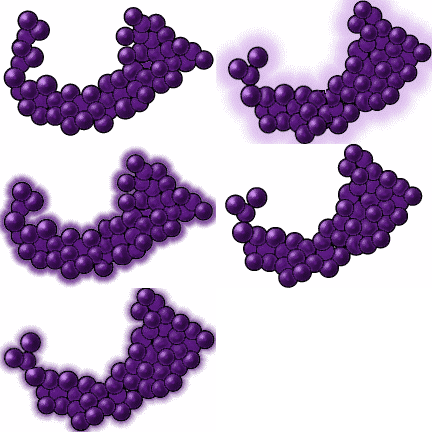
Diabetes is a serious condition that results from 1 of 2 causes. In type 1 diabetes, the pancreas no longer makes insulin and therefore blood glucose cannot enter the cells to be used for energy. In type 2 diabetes, either the pancreas does not make enough insulin or the body is unable to use insulin correctly. Symptoms of diabetes are high glucose levels in the blood and urine, the production of large amounts of urine, severe thirst, loss of weight, and tiredness.

Injections of insulin, which are taken daily, the control of carbohydrate intake, exercise, and weight control treat diabetes.


Anabolic Steroids

Anabolic steroids are hormone supplements that habe been used. They build up muscle, speed up recovery of muscle from injury, and help strengthen bones. There are many serious side effects such as liver and adrenal gland failure, infertility, impotence, and the development of male characteristics in females that can result if they are misused. They are also, sometimes given to animals to promote increased lean muscle (meat) production. This practice is banned in the EU.

Control of Thyroxine Level

          Control of thyroxine level as well as many other hormones is done by negative feedback. If the thyroxine level is normal the pituitary gland is inhibited from releasing thyroid stimulating hormone (TSH). As a result, no further thyroxine is produced. When thyroxine levels are low the pituitary gland produces TSH. This causes more thyroxine to be produced by the thyroid gland.

An Example of negative feedback in the role of the thyroid in maintaining body temperature at 37°C.:

  1. The hypothalamus of the brain detects a drop in blood temperature.
  2. The hypothalamus stimulates the pituitary to secrete TSH (thyroid-stimulating hormone).
  3. This hormone stimulates the thyroid to increase its secretion of thyroxine.
  4. The higher concentration of thyroxine increases metabolism and heat production increases.
  5. The blood is warmed back to normal temperature.

OR:

  1. Hypothalamus detecting raised blood temperature and reduces its stimulation of the pituitary.
  2. High thyroxine levels inhibiting the release of TSH from the pituitary.
  3. The increased level of thyroxine leads to the limitation or reduction of its secretion.
  4. Body’s metabolism slows down as a result of less thyroxin. The body’s temperature goes down.


Review Chart  of Major Hormonal Glands

Where the Hormone is Produced Hormone(s) Secreted Hormone Function
Adrenal Glands Adrenalin Causes Emergency Responses (fight/flight)
Pituitary Gland Growth hormone Affects growth and development; stimulates protein production
Pancreas Insulin Lowers blood sugar levels; stimulates metabolism of glucose, protein, and fat

Hypothalamus

Growth Hormone Releasing Factor Causes growth hormone to be made
Pineal Gland Melatonin Controls body rhythms
Parathyroid Glands Parathyroid hormone (Parathormone) Affects bone formation and excretion of calcium and phosphorus
Thyroid Thyroxine Controls Metabolism
Thymus Thymosin Matures white blood cells


Eye Dissection


Cow Eye Dissection

Introduction:
How do we see? The eye processes the light through photoreceptors located in the eye that send signals to the brain and tells us what we are seeing. There are two types of photoreceptors, rods and cones. These photoreceptors are sensitive to the light. Rods are the most sensitive to light and therefore provide gray vision at night. Cones are mainly active in bright light and enable you to see color. There are 100 million rods compared to the 3 million cones located in your retina. The photoreceptors help you adjust to night and day. For example, if you walk inside from the sun, you can not initially see anything. This is due to the activity of the cones and the lack of activity of the rods. The rods become activated and adapted to the dim light, resulting in gray images formed in the dark. The same thing happens when you leave a dark movie theatre during the day. The rods are mainly activated and the cones have to adjust to sunlight when you leave the theatre.

Objective:
By dissecting the eye of a cow, which is similar to the eyes of all mammals including humans, you will gain an understanding of the structure and function of the parts of the eye.

Materials:
Cow eye, dissecting pan, dissecting kit, safety glasses, lab apron, and gloves

Procedure (External Structure):

  1. Obtain a cow eye, place it in your dissecting pan, & rinse the eye with water.
  2. Rotate the eye until the larger bulge or tear gland is on the top of the eye. The eye is now in the position it would be in a body as you face the body.
  3. On the outside of the eye, locate the following parts:
  • fat– surrounds the eye & cushions it from shock
  • tear or lacrimal gland – forms a bulge on the top outer area of the eye & produces tears to wash the surface of the eye
  • tear ducts – tubes to carry the tears from the gland to the eye
  • optic nerve – a white cord on the back of the eye about 3mm thick just toward the nasal side; carries messages between the eye & brain
  • muscles – reddish, flat muscles found around the eye to raise, lower, & turn (right & left) the eye
  1. Turn the eye so that it is facing you & examine these structures on the front surface of the eye:
  • eyelids – two moveable covers that protect the eye from dust, bright light, and impact
  • sclera – this is the tough, white outer coat of the eye that extends completely around the back & sides of the eye
  • cornea – a clear covering over the front of the eye that allows light to come into the eye (preservative often makes this appear cloudy)
  • iris – round black tissue through the cornea that controls the amount of light that enters the inner part of the eye (may be colored in humans)
  • pupil – the round opening in the center of the eye that allows light to enter and whose size is controlled by the iris

Click here for labeled eye model

Procedure (Internal Structure):

  1. Place the eye in the dissecting pan so it is again facing you. Using your scalpel, pierce the white part of the eye or sclera just behind the edge of the cornea. Make a hole large enough for your scissors.
  2. Using your scissors, carefully cut around the eye using the edge of the cornea as a guide. Lift the eye & turn it as needed to make the cut and be careful not to squeeze the liquid out of the eye.
  3. After completing the cut, carefully remove the front of the eye and lay it in your dissecting pan.
  4. Place the back part of the eye in the pan with the inner part facing upward.
  5. Locate the following internal structures of the eye:
  • cornea – observe the tough tissue of the removed cornea; cut across the cornea with your scalpel to note its thickness
  • aqueous humor – fluid in front the eye that runs out when the eye is cut
  • iris – black tissue of the eye that contains curved muscle fibers
  • ciliary body – located on the back of the iris that has muscle fibers to change the shape of the lens
  • lens – can be seen through the pupil; use your scalpel & dissecting needle to carefully lift & work around the edges of the lens to remove it
  • vitreous humor – fluid inside the back cavity of the eye behind the lens
  • retina – tissue in the back of the eye where light is focused; connects to the optic nerve; use forceps to separate the retina from the back of the eye & see the dark layer below it

10. Answer the worksheet questions on the cow eye dissection.

Click here for eye dissection questions

  1. Dispose of the eye as your teacher advises and rinse and return all equipment to the supply cart. Wash your hands thoroughly.
BACK