
Exploring The Biology Book: From the Origin of Life to Epigenetics and How It Complements Biology Junction
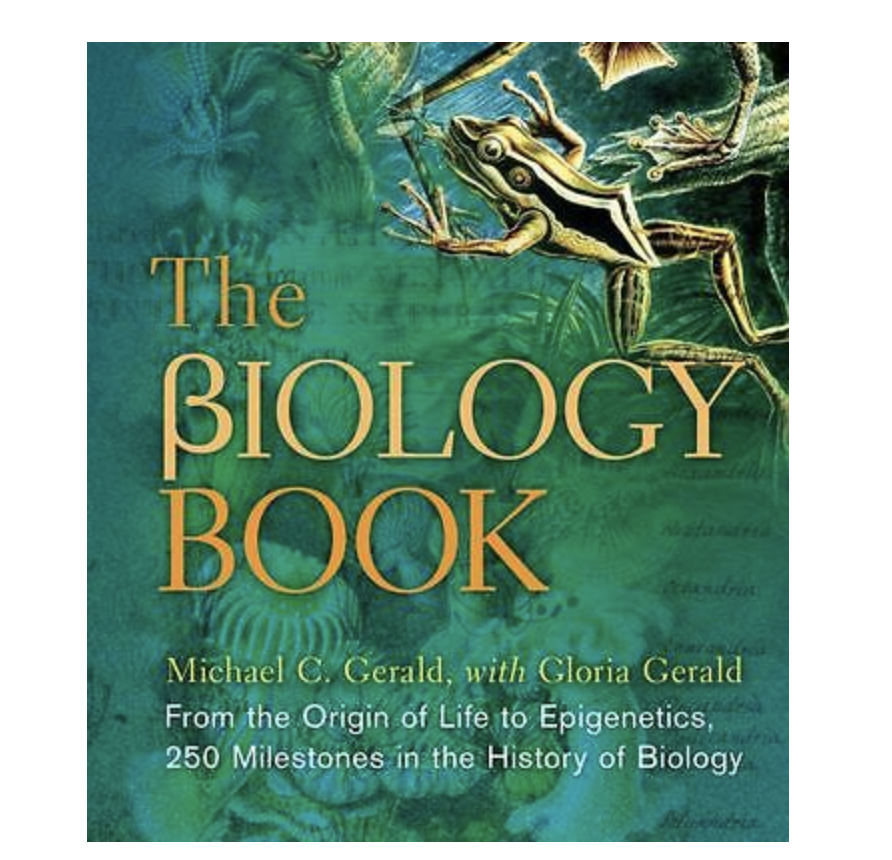
Biology is one of the most dynamic and influential scientific disciplines, shaping our understanding of life from microscopic cells to entire ecosystems. For students, educators, and lifelong learners seeking a comprehensive overview of the field, The Biology Book: From the Origin of Life to Epigenetics, 250 Milestones in the History of Biology offers an engaging and visually rich exploration of the discoveries that transformed biological science.
When paired with educational resources available through Biology Junction, this book becomes an even more powerful learning tool, helping readers connect historical discoveries with modern biological concepts taught in classrooms today.
What Is The Biology Book?
The Biology Book: From the Origin of Life to Epigenetics presents 250 pivotal milestones that have shaped our understanding of life on Earth. Covering thousands of years of scientific inquiry, the book introduces readers to groundbreaking discoveries, influential scientists, revolutionary theories, and technological advancements that continue to impact biology today.
Each milestone is presented through concise explanations, colorful illustrations, and accessible language, making complex scientific concepts easy to understand for readers at various educational levels.
Topics covered include:
- Origin of life theories
- Cell theory
- Genetics and heredity
- Evolution and natural selection
- Molecular biology
- Ecology and environmental science
- Physiology and anatomy
- Biotechnology and genetic engineering
- Epigenetics
- DNA fingerprinting
- Bioenergetics
- Paleontology
- Behavioral biology
This broad coverage makes the book an excellent reference for high school students, college learners, biology teachers, and anyone interested in the life sciences.
Why This Biology Book Stands Out
Unlike traditional textbooks that focus heavily on memorization, The Biology Book presents biology through the lens of scientific discovery. Readers gain insight into how major breakthroughs occurred and how scientific understanding evolved over time.
1. Historical Context Enhances Learning
Understanding the history behind biological discoveries helps students appreciate the scientific process. Learning about pioneers such as:
- Antonie van Leeuwenhoek
- Charles Darwin
- Gregor Mendel
- Rosalind Franklin
- James Watson
- Francis Crick
provides valuable context for concepts that often appear abstract in standard biology curricula.
2. Easy-to-Digest Format
Each milestone can be read independently, allowing readers to explore topics of interest without committing to lengthy chapters. This structure makes the book ideal for supplemental learning and classroom enrichment.
3. Visual Learning Support
The colorful illustrations and diagrams help readers visualize complex concepts ranging from cellular structures to evolutionary relationships.
How Biology Junction Enhances the Learning Experience
While The Biology Book introduces the major discoveries that shaped biology, Biology Junction helps learners actively engage with those concepts through educational resources, study materials, and classroom activities.
Biology Junction has long served as a trusted resource for biology students and teachers by providing:
- Biology worksheets
- Study guides
- Lab activities
- Interactive lessons
- Review materials
- Biology projects
- Genetics resources
- Ecology activities
- Anatomy and physiology content
Together, the book and Biology Junction create a powerful combination of historical understanding and practical application.
Connecting Major Topics from the Book to Biology Junction Resources
Cell Theory
One of the most important milestones in biology is the development of cell theory. The book explains how scientists gradually discovered that all living organisms are composed of cells.
Students can reinforce this knowledge through Biology Junction’s cell structure activities, microscope labs, and cellular biology worksheets.
Genetics and Heredity
The work of Gregor Mendel laid the foundation for modern genetics. The Biology Book traces the evolution of genetic science from pea plant experiments to modern DNA analysis.
Biology Junction supports genetics instruction with:
- Punnett square practice
- Inheritance activities
- DNA structure lessons
- Chromosome studies
- Genetic disorder investigations
Evolution and Natural Selection
Charles Darwin’s theory of evolution remains one of biology’s most significant milestones. The book explores the development and impact of evolutionary theory.
Biology Junction provides students with opportunities to apply these concepts through:
- Evolution simulations
- Natural selection activities
- Comparative anatomy exercises
- Fossil evidence investigations
Ecology and Environmental Science
Ecological principles are essential for understanding interactions between organisms and their environments.
Readers who learn about ecological milestones in the book can deepen their understanding through Biology Junction’s:
- Food web activities
- Ecosystem projects
- Biome studies
- Population ecology lessons
- Environmental science investigations
Molecular Biology and DNA
Modern biology increasingly focuses on molecular processes, including DNA replication, gene expression, and biotechnology.
The Biology Book explains the historical discoveries that led to our current understanding of molecular biology, while Biology Junction offers practical learning resources that make these concepts accessible for students.
The Growing Importance of Epigenetics
One of the most fascinating sections of the book examines epigenetics, a field that has transformed how scientists understand heredity and gene regulation.
Epigenetics demonstrates that environmental factors can influence gene expression without altering DNA sequences. This emerging field has implications for:
- Human health
- Disease prevention
- Developmental biology
- Evolutionary studies
- Medical research
Students exploring advanced biology topics through Biology Junction can benefit from understanding how epigenetics builds upon the foundational discoveries highlighted throughout the book.
Who Should Read The Biology Book?
This book is ideal for:
High School Students
Students preparing for biology exams or advanced coursework will gain valuable historical perspective and conceptual understanding.
College Biology Majors
The book provides an excellent overview of biological science and serves as a useful supplementary reference.
Biology Teachers
Educators can use the milestone format to introduce scientific discoveries and enrich classroom discussions.
Lifelong Learners
Anyone curious about life science will appreciate the accessible explanations and engaging presentation.
Why Combining Books and Online Resources Leads to Better Learning
Research consistently shows that students learn more effectively when they engage with material through multiple formats. Reading historical accounts of discoveries in The Biology Book and then applying those concepts through Biology Junction activities helps reinforce understanding and retention.
This combination allows learners to:
- Understand scientific history
- Apply biological concepts
- Develop critical thinking skills
- Connect discoveries to modern science
- Build long-term knowledge retention
Final Thoughts
The Biology Book: From the Origin of Life to Epigenetics, 250 Milestones in the History of Biology offers an engaging journey through the discoveries that shaped modern biology. Its accessible format, visual appeal, and broad coverage make it a valuable resource for students, teachers, and science enthusiasts alike.
When paired with the educational resources available through Biology Junction, readers gain both historical context and practical learning opportunities. Together, these resources create a comprehensive biology learning experience that brings the story of life science to life.
Whether you’re studying genetics, evolution, ecology, molecular biology, or the latest advances in epigenetics, this book and Biology Junction provide the foundation needed to explore the fascinating world of biology with confidence.