The Irreplaceable Role of Molecular Biology in the Health of Mankind

Molecular biology – This is a term that has recently gained in popularity. Most people do not really understand how this branch of biology works. This article will explain the definition of molecular biology and its irreplaceable role for the health of mankind.

What is Molecular Biology?

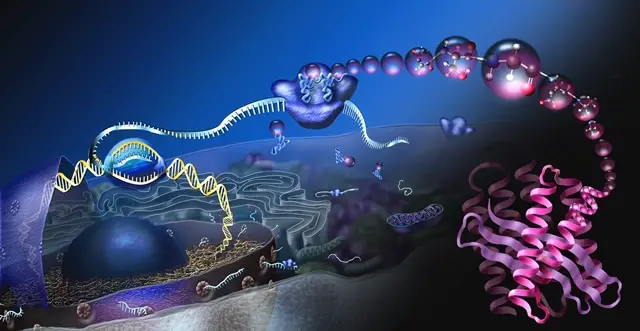
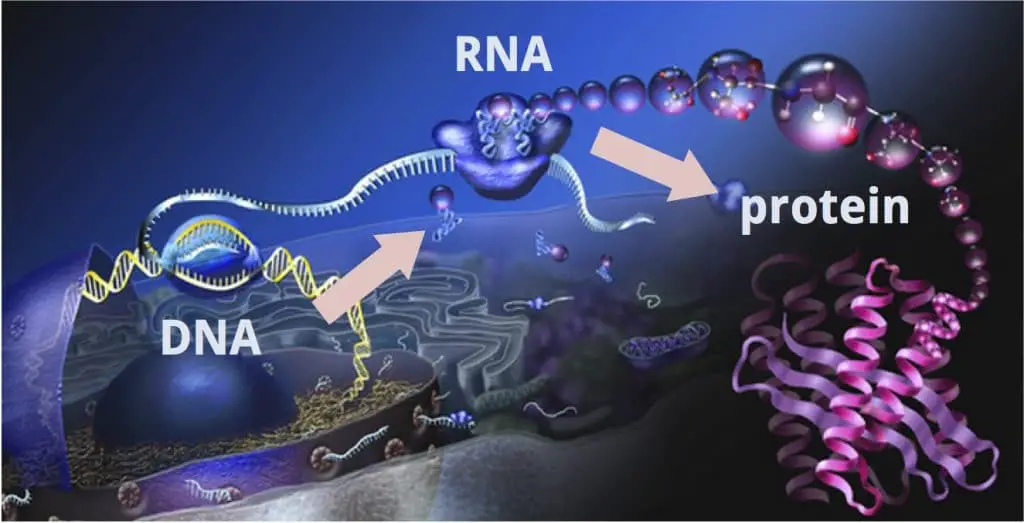
Molecular biology is a branch in biological science that combines two branches, namely Genetics and Biochemistry. It all began with the important discovery of the double helix structure of DNA by Watson and Crick in 1953. Both scientists were regarded as pioneers of molecular biology. Their findings inspired many other discoveries, one of which is very important, that genes determine proteins by regulating the order of nucleotides (in RNA) that ultimately compile the amino acid sequence in a protein. This was an important milestone in molecular biology! This milestone triggered a branch of genetic engineering that allows the isolation and multiplication of genes as a characteristic of this science.
Cell life

The Central Role in Cell Life

All life forms in the universe originate from cells. Cells are what form the basis of all life forms and cell life is a representation of proteins (polypeptides) and DNA (genes). In traditional understanding, proteins act as enzymes that regulate the functionality of various organs in the body. Apart from being an enzyme, proteins are also responsible for the formation of cytoskeleton and matrix between cells, receptors, hormones, transcription factors, antibodies, etc. Some types of proteins play more roles; Regulation of cell proliferation and differentiation, organogenesis, histogenesis and apoptosis (associated with cell death). From this, we can understand the importance of proteins in human life and how genetic engineering processes depend heavily on the modification of the protein. All the attributes of all life forms are determined by the genes and they are governed by proteins.

Two Categories of Genes

Several types of genes have been discovered but scientists divide them into two main categories: Structural Genes and Regulatory Genes.

Structural genes are genes that encode amino acid sequences in proteins. We can take the enzyme as an example of the result of regulation by structural genes. Enzymes determine biochemical activity (related to catabolism and anabolic reactions) in every organism.

Regulatory genes serve as controllers or regulators for structural gene expression rates, protein production rates as well as cell responses, both intracellular and extracellular.

In other words, we can conclude that genes and proteins are inseparable and both determine the life of all organisms to the smallest point.
DNA RNA

Progress in the Development of Molecular Biology towards Modern Medical Sciences

Modern medical sciences such as genetics, histology, embryology, physiology, parasitology, pathology, pharmacology, etc. are all strongly influenced by molecular biology through molecular therapy. We can find examples in the treatment of Severe Combined Immuno Deficiency (SCID) disease, thalassemia, hemophilia, cystic fibrosis and cancer. All use molecular therapy as a base (except for a few forms of cancer treatment).

Technical Review

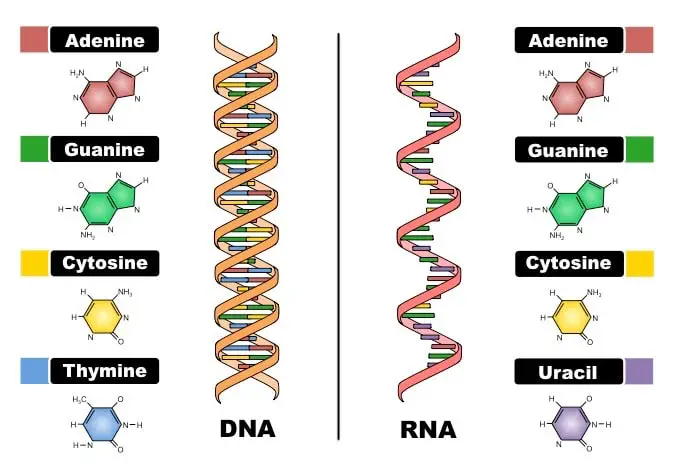
Since the early 1960s, experts have attempted to manipulate cells. They began by isolating the constituent components such as DNA, as well as RNA as “close relatives of DNA” that serve as gene catalysts, gene expression controllers, and also respond to cellular signal stimulation. Unlike DNA, we can find RNA in the form of a single strand. Cell manipulation has a strong foundation of what is called a polymerase chain reaction (PCR). It is a manipulative reaction that makes it possible to alter acid-base DNA, amplify RNA, and also quantify the DNA molecule (and RNA). Molecular biology also provides theoretical basis for gel electrophoresis, which, in general, has the principle that DNA, RNA, and various other forms of proteins can be separated by using a particular electric field. For example, DNA and RNA can be separated by size using an SDS-PAGE gel based on the size of the protein and the required electrical charge. This is important in gene modification and we know that many diseases actually originate from functional deviations of genes.

DNA Array

DNA array is “a laboratory term” for a collection of spots attached to solid support such as a microscope slide, each of which holds one or more DNA fragments of oligonucleotides. This is classified as a technique that allows scientists to place micro spots (about 100 micrometers in size) on a slide. This modern technique functioned as a review of gene expression of an organism. In practical medicine, this technique is used to compare gene expression between two tissues; Healthy tissue and cancer tissue. We know that cancer is an event of cell mutation in high speed. The lay community identifies it as malignancy. By comparing gene expression (using array techniques) between the two networks, we can understand how the effect of genes works on both. Scientists have found that they can cure cancer by attacking the heart of the problem, gene mutation!

Treatment of the Disease is Caused by a Virus

We all know HIV, a dangerous virus that attacks the human immune system. This virus causes the condition of AIDS, one where the individual does not have resistance towards any disease. HIV has not been cured until now. This disease can only be controlled with the intake of certain drugs, commonly called as Antiretroviral Drugs, which have a major function as a preventer of viral replication. Viruses cannot be completely eliminated but they can be prevented from multiplying.
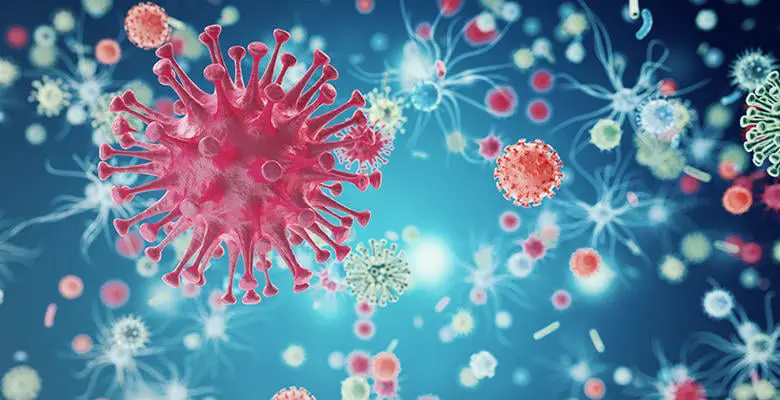
HIV virus

Conclusion

Three years ago, a group of US researchers claimed that they could fight HIV by editing the genome. They edited the patient’s genome so that they can develop resistance to fight the virus. The success was still within the scale of very early clinical research. The research paper was published in The New England Journal of Medicine.

Editing genome is a process of inserting, replacing, or removing certain genes from the genome. The genome editing process is assisted by nuclease compounds. It plays a vital role in cutting and connecting genes that are often called Molecular Shears. All these intricate processes stem from the important discovery of the double helical structure of DNA nearly 7 decades ago. All are covered in molecular biology and this is the reason why this branch of science has an irreplaceable role in the health of mankind.
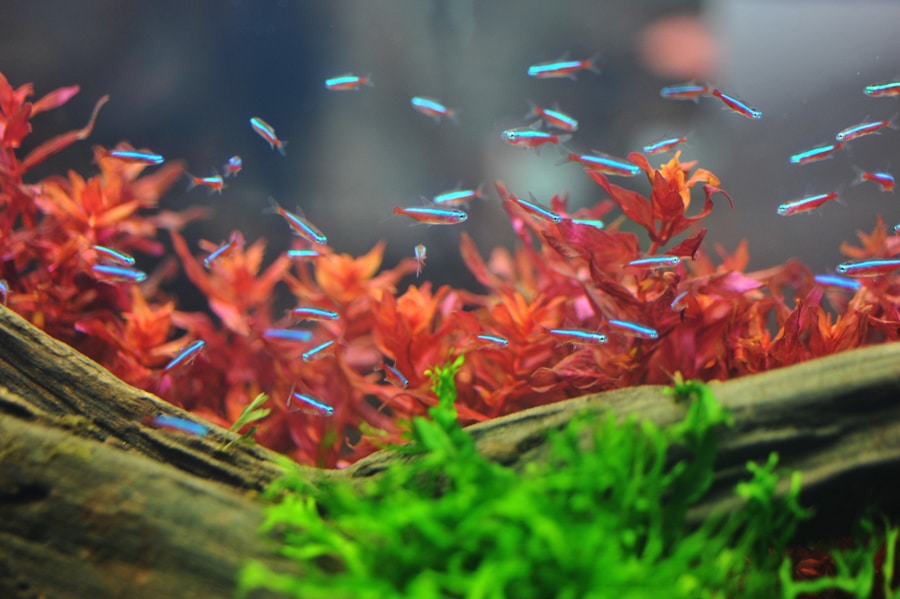

 

Tips and Advice on Growing Plants in Aquariums – What You Need to Know

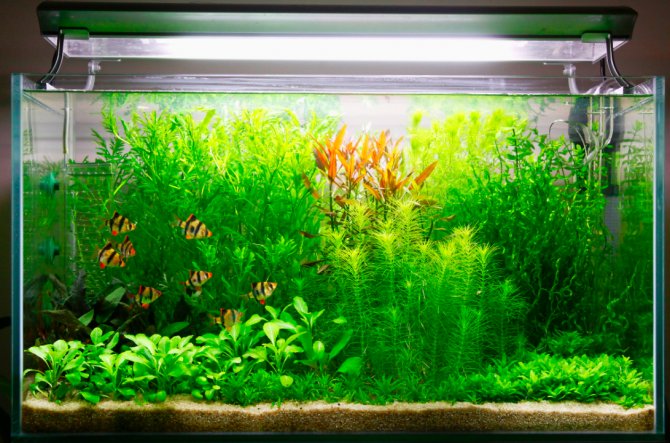
We all know plants require sunlight, micro nutrients, macro nutrients and CO2 to grow healthy. However, very few know that there is an optimum amount for each to ensure a healthy growth for plants. If one is far less than the others, while growth may occur, it certainly wouldn’t be the healthiest way. Balance is the key here. If you’re planning to have plants in your aquarium to provide the best environment you can for your fishes, then you need to know more about this. Let’s break down these important factors:

Sunlight/Lighting

Light is an essential factor needed for chemical reactions to occur in plants without which, they wouldn’t be able to produce any food. The absence of light leads to the certain death for plants. To ensure the best possible growth for your plant, you need to know the correct spectrum of light that is required. Plants utilize light in the blue and red spectrum best for growth. However, as far as aesthetics are concerned, the full spectrum of light is what makes everything visually pop.

Plants Aquarium

While sunlight is optimal for plants on land, it might not be the best for plants in aquariums. While the full spectrum of sunlight may make your aquarium look good, most purists or hobbyists see it as having many disadvantages. The amount of light would either be too weak for the plants or short. It can also be very bad for fishes and plants alike if there are significant fluctuations in the light. Algae growth is yet another bad consequence of incorrect amount of light in aquariums. Considering all these facts, it is far more efficient and effective to use artificial lights for aquariums.

Full spectrum fluorescent light is one of the best ways to light up your aquarium. The amount of light required for optimum plant growth differs according to the density of plants in the aquarium. If the aquarium is sparely planted, then about 1.5w of light per every gallon of water is the recommended amount. If however, your aquarium is densely planted, then 3w to 5w per gallon would be optimum. In both cases, 10 to 12 hours of light supply is essential for encouraging and allowing healthy and efficient plant growth.

Aquarium

Carbon Dioxide

Co2 is another essential element required for plants to create food. During the process of photosynthesis, co2 is transformed into carbohydrate and used for plant growth. Aquariums that don’t have a good co2 source have about 1-3ppm of the gas but most plants flourish when there is about 10-20 ppm of co2 in the water. Co2 supplementation is very important for having an effective planted aquarium.

There are two different types of co2 setups for aquariums namely, a co2 tank and the DIY co2 reactor. The co2 tank is quite simple to use and it’s better for large aquariums, although it will get expensive in the long run. The DIY co2 reactor is made for smaller aquariums by combining yeast, sugar and water.

Macro Nutrients

Plants also require various nutrients in large amounts for their growth like Nitrogen, Potassium and Phosphorus.Excessive amounts of these nutrients will result in an undesirable growth of algae in the tank. So when providing nutrients to plants in your aquarium, remember moderation is the key. These elements also exist organically. For instance, Nitrogen is easily available and present in the form of ammonium from fish waste. Ammonium is actually very good for the plants because it actually takes less energy to use. Potassium and phosphorous on the other hand can be provided from external sources like fish food. Certain fertilizers also contain potassium and they can be added in small quantities.

Macro nutrients should be supplemented if your aquarium is densely planted or if you are growing medium and hard category plants since they require more nutrients.

neon tetra

Micro Nutrients

M nutrients like iron, copper, zinc, sulphur, calcium and magnesium are some of the other essential ingredients needed. While iron is usually present in tap water, it usually gets oxidized to the limit where it becomes unusable for plants. One way to prevent it from happening is to use chelated iron mixtures which prevents the iron from oxidizing. The amount of iron in the water should be less than 0.2 ppm. Calcium and magnesium can also be found in tap water but it’s usually not enough so they should be added externally in small amounts. One very important thing to remember as far as micro nutrients are concerned is that they should be added only in very small amounts. Too much if it can lead to high toxicity in the water which will be very detrimental to the plant’s growth in the aquarium.

The final point in setting up an effective planted aquarium is to change water each week. This will not only remove extra fish waste but also get rid of any unwanted nutrients. Doing so will not only promote better growth but it also suppress algae growth. By informing yourself of key factors such as these, you will have no problem in maintaining a healthy environment for your fishes and plants.

Mammal Quiz

%CODE1%

Mammals
  1. Which of the following pairs is MOST closely related?
    rat & shrew
    dog & cat
    horse & cow
    sea lion & dolphin
  2. What feature(s) do bats and whales share?
    mammary glands
    placenta
    echolocation
    all of these
  3. A sheep belongs to which of the following taxa?
    mammalia
    chordata
    artiodactyla
    all of these
  4. Which of the following groups contains mammals that lay eggs?
    marsupial
    monotreme
    chiroptera
    rodentia
  5. Which of the following is the largest group of mammals?
    rodentia
    chiroptera
    carnivora
    insectivora
  6. Which of the following animals have incisors that continue to grow its entire life?
    elephant
    walrus
    hamster
    lion
  7. All members of the order Carnivora:
    eat meat
    have large canines
    live in Australia
    have blubber
  8. Hair is used primarily for:
    defense
    coloration
    insulation
    sensation
  9. Which of the following belongs to the Order Pinnipedia?
    whale
    cow
    mole
    sea lion
  10. Which of the following belongs to the order Perissodactyla?
    zebra
    horse
    rhino
    all of these

Score =
Correct answers:

Virus Study Guide

%CODE1%

Javascript not enabled

Name: 

Virus Quiz


Multiple Choice
Identify the choice that best completes the statement or answers the question.
 1.
Viruses are considered nonliving because
a.
they cannot reproduce by themselves.
b.
they are not made up of cells.
c.
they cannot carry out metabolism by themselves.
d.
All of the above
 2.
The study of viruses is a part of biology because
a.
they belong to the kingdom Eubacteria.
b.
they are about to become extinct.
c.
they are living organisms.
d.
they are active inside living cells.
 3.
Biologists now know that viruses
a.
are the smallest organisms.
b.
consist of a protein surrounded by a nucleic acid coat.
c.
contain RNA or DNA in a protein or lipid-protein coat.
d.
all form the same crystalline shape.
 4.
The capsid of a virus is the
a.
protective outer coat.
b.
cell membrane.
c.
nucleus.
d.
cell wall and membrane complex.
 5.
Viruses are classified according to
a.
whether they contain RNA or DNA.
b.
the shape of their genome.
c.
whether they have a membrane envelope.
d.
All of the above
 6.
All viruses have
a.
cytoplasm.
c.
mitochondria.
b.
ribosomes.
d.
None of the above
 7.
Tobacco mosaic virus
a.
is able to be crystallized.
b.
causes disease in tobacco plants.
c.
is smaller than a bacterium.
d.
All of the above
 8.
Scientists first began to study viruses because they
a.
were seen through a microscope.
b.
could not be seen but caused disease.
c.
formed crystals.
d.
were made of cells.
 9.
Viruses that use reverse transcriptase to cause their host cells to transcribe DNA from an RNA template are called
a.
bacteriophages.
c.
retroviruses.
b.
antibodies.
d.
capsoviruses.
 10.
Which of the following contains only RNA?
a.
a prion
c.
a viroid
b.
a virus
d.
All of the above
 11.
Unlike viruses, prions
a.
are capable of reproducing outside of a host cell.
b.
are composed only of protein.
c.
can cause brain infections.
d.
can be treated with antibiotics.
 12.
A typical virus consists of
a.
a protein coat and a cytoplasm core.
b.
a carbohydrate coat and a nucleic acid core.
c.
a protein coat and a nucleic acid core.
d.
a polysaccharide coat and a nucleic acid core.
nar001-1.jpg
 13.
Refer to the illustration above. Which structure could possibly be made of RNA?
a.
structure 2
c.
structure 4
b.
structure 3
d.
structure 5
 14.
Refer to the illustration above. Which structure is found outside the cell after the cell is infected?
a.
structure 1
c.
structure 3
b.
structure 2
d.
structure 4
 15.
Viruses
a.
are cellular organisms.
b.
reproduce only in living cells.
c.
have nuclei and organelles.
d.
are surrounded by a polysaccharide coat.
 16.
Animal viruses often infect only specific host cells because
a.
the virus must have the same DNA as the host cell.
b.
the host cell must have specific receptors for proteins on the virus surface.
c.
viruses have receptors for host cell glycoproteins.
d.
the enzymes of the virus can attach only to specific host cells.
 17.
In which cell cycle(s) does viral DNA become integrated into the host cell’s DNA?
a.
lytic
b.
lysogenic
c.
neither lytic nor lysogenic
d.
both lytic and lysogenic
 18.
Antibiotics are ineffective against viral infections because
a.
host cells protect the viruses.
b.
viruses have enzymes that inactivate the antibiotics.
c.
antibiotics interfere with cellular processes that viruses do not perform.
d.
viral protein coats block the antibiotics from entering the virus.
 19.
Which of the following is not a viral disease of humans?
a.
hepatitis
b.
SARS
c.
shingles
d.
All of the above are viral diseases of humans.
 20.
Which of the following is not linked to cancer?
a.
Ebola virus
c.
hepatitis B virus
b.
human papillomavirus
d.
Epstein-Barr virus
 21.
Which of the following human activities is most closely associated with the emergence of viruses not previously seen in humans?
a.
absence of a vaccination program
b.
crowded living conditions
c.
clearing of forests for housing
d.
eating uncooked meat
 22.
Most scientists think that early viruses originated from
a.
other viruses.
b.
existing cell parts.
c.
animals.
d.
spontaneous generation.
 23.
HIV causes AIDS by
a.
converting a proto-oncogene to an oncogene.
b.
damaging a person’s blood vessels.
c.
destroying the covering of a person’s nerves.
d.
gradually destroying a person’s immune system.
 24.
Which of the following is not a vector of viral diseases?
a.
mosquitoes
c.
prions
b.
ticks
d.
humans
 25.
Which of the following has been the most successful at fighting viral diseases?
a.
vaccination
c.
drug therapy
b.
vector control
d.
Both a and b
 26.
Most scientists believe that viruses first appeared on Earth ____ living cells appeared.
a.
after
b.
a very long time before
c.
at the exact time when
d.
immediately before
 

Completion
Complete each statement.
 27.
The protein coat of a virus is called a(n) ____________________.

 28.
Viruses can vary in size and ____________________.

 29.
A virus that transcribes DNA from an RNA template is called a(n) ____________________.

 30.
An enzyme called _________________________ manufactures DNA that is complementary to a virus’s RNA.

 31.
____________________ are viruses that infect bacteria and have a polyhedral head and a helical tail.

 32.
All viruses reproduce by taking over the reproductive machinery of a(n) ____________________.

 33.
Viruses that infect a host cell and have their nucleic acid replicated but do not harm the host cell are in a(n) ____________________ cycle.

 34.
The replication of a temperate virus includes the ____________________ cycle.

 35.
The virus that causes AIDS is called _________________________.

 36.
Some viruses are thought to induce ____________________, a disease characterized by uncontrolled cell division.

 37.
The Ebola virus, the SARS virus, and hantavirus are examples of ____________________ viruses.

 38.
In the ____________________ cycle, viruses destroy the host cell.

 39.
Chickenpox and ____________________ are caused by the same virus.


Problem
 40.

A new disease has suddenly appeared and scientists are trying to determine whether the disease agent is a virus or a bacterium. They collect the following information:

1.      The disease can be transmitted through the air.
2.      The disease agent is too small to be seen under a light microscope.
3.      There are no known antibiotics that are effective against the disease.
4.      The genetic material of the disease agent is DNA.
5.      The disease agent cannot be cultured using any known culture medium.

Is the disease agent most likely a bacterium or a virus? Explain your answer. Write your answer in the space below.


Check Your Work     Start Over

Meiosis Quiz

%CODE1%

Meiosis

1. Meiosis results in _____
2 haploid daughter cells
4 haploid daughter cells
2 diploid daughter cells
4 diploid daughter cells

2. Which of the following cells undergo meiosis?
sperm cells
liver cells
unicellular organisms
all of these

3. The picture depicts what phase of meiosis

propase 1
prophase 2
anaphase 1
anaphase 2

4. Crossing-over occurs during:
anaphase 1
metaphase 1
prophase 1
prophase 2

5. Meiosis is a type of cell division that produces:
zygotes
chromosomes
DNA
gametes

6. Which of the following distinguishes prophase 1 of meiosis from prophase of mitosis?
homologous chromosomes pair up
spindle forms
nuclear membrane breaks down
chromosomes become visible

7. A cell with a diploid number of 24 undergoes meiosis, how many chromosomes are in each daughter cell?
6
12
24
48

8. The picture depicts what stage of meiosis?

prophase 1
anaphase 1
metaphase 1
metaphase 2

Score =
Correct answers: