10  Questions To Study For A Mitosis Quiz In AP Biology

Image source: Pixabay

You should be able to determine the number of chromosomes in cells after division, be familiar with the phases of mitosis, and readily identify cellular structures. Handle a mitosis quiz without stress or anxiety, and read on to learn the questions you must study for a passing score.

10 Questions To Study For A Mitosis Quiz In AP Biology

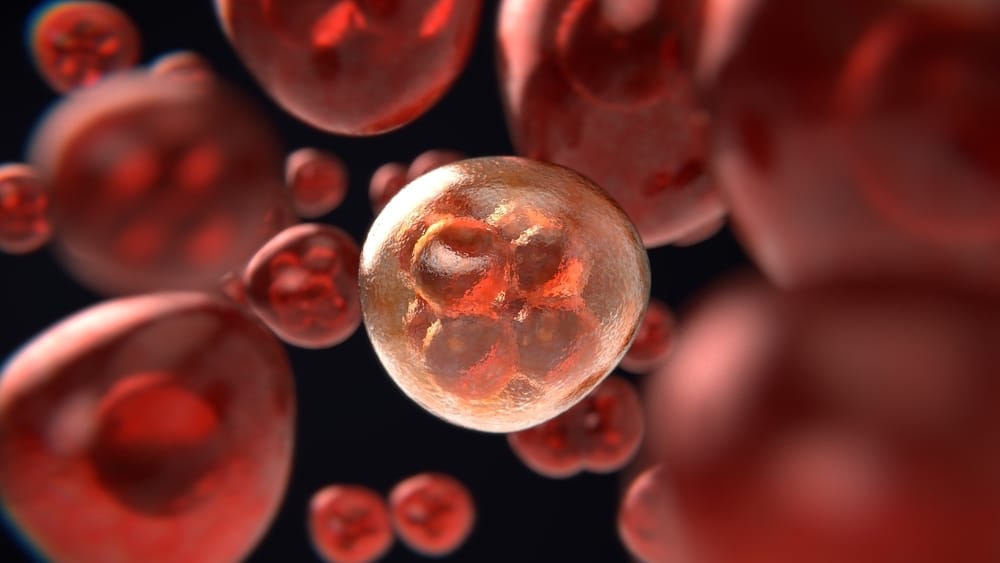
mitosis process, genetic diseases or anomalies are created.

Image source: Pixabay

If you need to prep for a mitosis quiz in AP Biology, you are going to need to understand the difference between mitosis and meiosis thoroughly.

Many students fail to be able to identify the difference between the two biological processes accurately. So, you don’t want to get disappointing results on your mitosis quiz; there are a few key points you are going to want to study.

Remember to acquaint yourself with the following before you think you are prepared enough for a mitosis quiz.

  • There are six different stages of mitosis.
  • You want to be able to visualize and analyze diagrams displaying the stages of mitosis confidently.
  • It is good to be aware of any irregularities during mitosis and resulting genetic consequences

Give yourself ample time to take comprehensive notes when studying your AP Biology material. Don’t try to memorize everything, but seek to understand and make connections between the information. It may also be helpful to draw out the processes of mitosis, labeling each stage with a description that you can understand easily.

Ask yourself questions about what step comes next, and predict if something were to go wrong in the process what would be the result?

 Taking steps to interact with your material will help you make more sense of things. You don’t want to only memorize and regurgitate the material without having a clear visual understanding of the what and why of the process.

What Is Mitosis?

Mitosis is the name given for the process of a cell’s duplication. When there is one cell with a single set of chromosomes, it goes through a step-by-step process where you end up with two cells that have identical sets of chromosomes.

When there are breakdowns or problems with the mitosis process, genetic diseases or anomalies are created.

 Check Out These 10 Questions To Study For A Mitosis Quiz

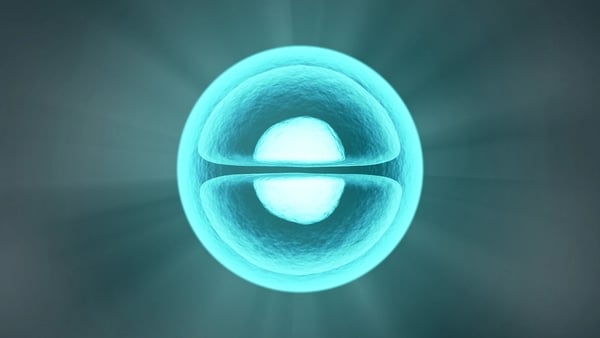
six different stages of mitosis.

Image source: pixabay

Out of all the information covering mitosis and meiosis, you may want to consider the following questions to help prepare you for an upcoming mitosis quiz. Choose to break down the information as you see fit and in a language, you can understand. Again, drawing images to help you better conceptualize the process is helpful, as well as using correct terminology.

WHICH STRUCTURE IS RESPONSIBLE FOR MOVING CHROMOSOMES DURING MITOSIS?

The centromere is a region of DNA that holds together the two chromatids of a duplicated chromosome. Centromeres are responsible for attaching microtubules and direct the movement of chromosomes in both the process of mitosis and meiosis.

First, the chromosomes move toward the center of a cell during metaphase, and then they proceed to opposite directions during anaphase.

WHY DO CHROMOSOMES FAIL TO SEPARATE WITHIN MITOSIS?

Nondisjunction is when a pair of homologous chromosomes fail to separate. There are three forms of nondisjunction, and two happen during the process of meiosis I and meiosis II.

When the sister chromatids fail to separate during the process of mitosis, the number of chromosomes is abnormal, resulting in aneuploidy.

If a single chromosome is lost from a diploid genome, it is called monosomy. If a chromosome is gained, it is called a trisomy.

When chromosomes fail to separate correctly, it can lead to a genetic disorder such as Downs Syndrome or Turner Syndrome. In the most extreme cases, aneuploidy can be lethal. The risk of nondisjunction taking place increases exponentially with the rising age of parent cells.

Typically disjunction is found during the process of meiosis.

AT WHICH PHASE DO CHROMOSOMES BECOME VISIBLE AND OF WHAT DO CHROMOSOMES CONSIST?

Before chromosomes become visible during the prophase stage, the chromosomes are long strands called chromatin. The chromatin is tightly wound up into chromosomes.

Chromosomes are made up of DNA which is coiled tightly around histones. Histones are proteins which support the structure of the thread-like structures. Chromosomes are not visible under a microscope if the cell is not dividing, and it is not visible in the nucleus of the cell.

The short arm of a chromosome is the ‘p arm,’ and the long arm is known as the ‘q arm.’

WHAT IS CYTOKINESIS?

Cytokinesis is the process when cells physically divide. The cytoplasm of a parent cell splits into two daughter cells.

This process starts during anaphase and doesn’t stop until the telophase. Cytokinesis takes places during both mitosis and meiosis.

WHEN AND WHY WILL CELLS DIVIDE, HOW MANY CHROMOSOMES WILL THEY HAVE, AND WHAT TRIGGERS THIS PROCESS?`

Cellular division during mitosis may be triggered because of the need to replace or repair dead or lost cells or to grow in size. As part of the cell cycle, a cell will prepare to divide at interphase and begins its division process during mitosis.

A single cell will divide and reproduce copies of its DNA into two identical cells. The number of chromosomes will be the same as in the parent cell.

What Is The Difference Between A Diploid And A Haploid?

Diploid cells have a set of chromosomes from two different parents, with two homologous copies of each chromosome of their parents. Diploid cells reproduce by mitosis, and somatic cells are examples of diploid cells.

Haploid cells are created because of the meiosis process. Gametes or sex cells are a common type of haploid cells. Haploid cells only have one complete set of chromosomes.

Define Polyploidy And Aneuploidy?

When there is a variation in the number of chromosomes, it is described as being either aneuploidy, monoploidy, or euploidy. Depending on whether one part of a chromosome is lost, an entire set of chromosomes is lost, or one or more than one complete set of chromosomes is gained the term changes.

With chromosomes, conditions can either be double monosomic or double tetrasomic.

What Is An Allele And The Law Of Independent Assortment?

A gene is a single unit of information that is hereditary. Except in the case of some viruses, genes are made up of DNA which transmits traits. An allele is a genetic sequence which is a variant of a gene. When there are differences among copies of a gene, they are called alleles. At the locus of a gene, there are only two alleles present.

Gregor Mendel has been credited with our enlightened understanding about genetics, heredity, and what happens when there are variants in genetic transmission. According to Mendel’s Law of Independent Assortment, a pair of alleles will separate independently when gametes are forming. Traits are transmitted to offspring independently.

The Law of Independent Assortment was formed on principles uncovered when Gregor Mendel conducted experiments creating dihybrid crosses between plants which had two different traits. As a result of Mendel’s experiments, a ratio developed to reinforce this concept.

 What Type Of DNA Damage Occurs When Cytokinesis And Mitosis Fail?

If a cell fails to separate during cytokinesis, it may have multiple nuclei.


During the prometaphase and metaphase stage, if a cell fails, it enters the G1 phase of a cell cycle, or it results in cell death. The checkpoints within the cell cycle help to regulate the process of cell division and will signal to different pathways if there is a failure.


Steps are automatically taken to prevent any damaged DNA from being reproduced or transmitted to a new generation of cells, to protect integrity.


When mitosis fails to carry out is process an abnormal number of chromosomes is created. To prevent continuous cell division, abnormal cells may be removed. A failure in mitosis typically activates cell death and consequent DNA damage.

What Are The Cell Checkpoints And What Are Their Functions?

Depending on if certain conditions are met cellular division may be inhibited, such as in the instance that growth hormones are released. When there is cellular growth, cells have to divide to prevent cell crowding.


If there is a release of specific hormones or a lack thereof, cell checkpoints may not allow the progression of a cell to the next stage in the cell cycle until there are viable conditions.


At the G1 checkpoint, any damage to DNA and relevant external stimuli are evaluated before a cell can move forward to interphase.


The G2 checkpoint is needed to make sure that all chromosomes have been replicated without any damaged DNA. Until this is assured, a cell will not be able to enter mitosis.


The M checkpoint is responsible for making sure every chromosome is attached to the spindle, and will not allow the separation of duplicated chromosomes if there is a problem.


Cell checkpoints are part of the eukaryotic cell cycle.

Additional Helpful Pointers

Before your quiz make sure that you can break down any pertinent information in easy to understand terms. However, be aware of the correct terminology and the sharp differences between mitosis and meiosis to reduce any unwanted confusion. Make sure to get enough sleep, eat well, and give yourself enough time to study the material before attempting to complete a quiz.

Don’t underestimate or disregard the power of drawing out your own diagrams to fully grasp the concept of each stage of mitosis. Visuals can have a stronger influence than reading words alone about the process.

Biome Map: Definition, Examples, And Why It Is Important

If you want to gain a better understanding of all living things, from plants to animals, it’s essential to learn about biomes and the role they play in Biology. Learn how to read a biome map and define each type of biome in the world.

Biome Map: Definition, Examples, And Practice

Biomes are an interesting and important part of Biology, and without understanding what a biome is and how it works, you don’t have a full understanding of Biology. Let’s take an in-depth look at biomes, so you can take a look at a biome map and understand it; learning about biomes can also better prepare you for if you’re ever tested on a map of biomes.

What Is A Biome?

While you might have learned a little about biomes when you were in elementary school, there’s a good chance that you don’t have a biome map memorized or know about all of the biomes. As we all know, the entire surface of the planet has some lifeform, but it varies depending on factors like vegetation, climate, water, and light. A biome is classified by the flora and fauna (dominant plants and animal life) that resides in that particular area; the plants and animals that live in a biome are also known as biota. While some biomes share some characteristics, each type is unique, and the smaller units in a biome are what we know best as a habitat.Biomes are often mistakenly referred to as ecosystems (and vice versa). An ecosystem is made up of living organisms and the relationship that they have in their nonliving environment. There are many examples of ecosystems but think about a dark cave in a secluded part of the world and all of the known (and unknown) living things that live in the cave.One of the reasons why ecosystems may be easily confused with biomes is that a biome may have many different ecosystems.

Exploring The Different Types Of Biomes

If you look at a biome map, you will notice that it is color-coded with a key that refers to different types of biomes. Depending on what map you look at and who is teaching you about biomes, you may only learn about five biomes, which include tundra, grassland, forest, desert, and aquatic; sometimes it’s six basic biomes be splitting the aquatic into marine and freshwater.As you might guess, these biomes are basic, have a broad definition, and may refer to many parts of the globe. In order to gain a better understanding of Biology as a whole, you may want to consider learning more about other biomes like the rainforest, temperate forest, chaparral, taiga, savanna, temperate grasslands, and freshwater or marine.Younger learners or individuals who just want some basic information on biomes may benefit from learning about the broad classifications, but taking the time to learn about other biomes (and their specialized classifications) can help understand the world as a whole.As you explore biomes, it’s not uncommon to see different biomes in the same area, and often there are no clear boundaries from one biome to the next. If you were to compare a map of biomes from thousands of years ago to today, you’d see a completely different map.Climate change plays a significant role in how biomes are defined and where they are located on a map. The major biomes typically correspond to the climatic zones, such as a tropical wet climate.

Tundra

Man and dogs in snowAs you might already imagine, the tundra biome is located in the northernmost regions on a map of biomes. A tundra is flat, cold, but still has plant life during the short growing season. A variety of birds call the tundra their home during the summer and migrate in the winter. Smaller mammals thrive in their habitats under the snow.

Grassland

grasslandThe grassland biome is often referred to as plains or prairie, due to the large areas of a variety of grasses. Grasslands typically receive minimal rain and are often at high risk for fires. Even though there is not a large variety of flora, the biome is home to large herding mammals. Grassland is found on every continent except for Antarctica.

Forests

forest with rocksThe forest biome makes up about one-third of the Earth’s land area, and as you might imagine, there are more classifications to the forest biome than “just trees.” The tropical rainforest has two seasons, 12-hour days, and has little variation in the climate. You’re most likely to find tropical rainforest countries near the equator like South America, Southeast Asia, and Southern Africa.forests with sunraysA temperate forest biome is most frequently found in eastern parts of North America, northeastern Asian, and western and central parts of Europe. Animals from small mammals (squirrels) to predators (black bears) call the biome their home. The boreal or taiga forest is similar to the temperate forest biome and is found in Siberia, Scandinavia, Alaska, and Canada. The taiga forest biome doesn’t have as long of growing seasons as the temperate forest, and the climate is cold and dry.

Deserts

desert with camelsIt’s not uncommon to see all types of desert biomes lumped into one broad desert biome and again, depending on the map you’re looking at or who is teaching information about biomes, the classifications may be different. Some people break down the desert biome even further to include hot and dry, semiarid, coastal and cold. If you live in the U.S., you may be most familiar with a hot and dry desert biome, as it includes four of the major deserts in North America. The seasons are very dry and warm year round.desertSemiarid desert biomes may be found in parts of the U.S., but are also found in Newfoundland, Greenland, Europe, and parts of Asia. There are more flora and fauna in semiarid biomes than the hot and dry.The coastal desert biome sees moderate rainfall and the cold desert biome experiences heavy snowfall; both have plants and animals that have adapted to the environment (much like every other biome on the map)

Aquatic

sea turtle underwaterWhen exploring a map of biomes, it’s important not to overlook the aquatic biome. While many people pay close attention to flora and fauna throughout the various biomes “on land,” there’s plenty to consider when we look at the bodies of water.The aquatic biome is typically divided into freshwater and saltwater (or marine) biomes. From there it might be broken down even more to ponds or lakes, rivers, oceans, and estuaries.sting ray underwaterIt’s essential to think about aquatic biomes because just like other biomes, climate change and other environmental factors affect these “off land” biomes, which over time will change the layout of a map of biomes.

Why Are Biome Maps Important?

world biomes mapImage Source: askabiologist.asu.eduNow that you have a better understanding of the different biomes and how one map could be different from another, you might be wondering why biome maps are so important. As we mentioned earlier, learning about biomes and understanding where they are in the world can help us understand all living organisms. Biome maps can help people learn about places they may never get to see; the map may open their eyes to a new species of animal or a unique variety of flora. Biome maps may be a basic resource for understanding Biology, but without the maps, we know very little about Biology, it’s past, and what might be in store for the future of our planet.Even though we may not see drastic changes to our environment in our lifetime, we can see small scales changes such as more prairie fires or decreasing populations of a specific bird.To some, these may not seem like that big of a deal when comparing it to the world at large, but it can give us some idea as to how biome maps will continue to evolve.

Making The Most Of A Biome Map

Not only are biome maps an important resource to use in a Biology course, but it can be used in a variety of fields such as Agriculture. The United States Department of Agriculture can utilize the map to learn more about soil distribution while conservation programs can strive to protect biomes that need it the most.

If your goal is to learn how to draw a map of biomes or memorize it for a class, you might want to consider the following tips.

  • Familiarize yourself with Geography; you can’t make a map without knowing where places are located.
  • Use the knowledge you already have. Think about living organisms and where they live. Can you guess what type of biome (or biomes) are in this area?
  • Get to know a climatic map. Remember climatic zones may correspond with specific biomes.
  • Practice, practice, practice. Make several copies of a blank world map.
  • Use a color-code and key that’s easy to read. Choose colors that stand out from one another.

What Does New Research Say About Slowing the Aging Process?

As we age, our bodies change significantly. Some of the effects of aging are quite apparent. For many, the skin loses its elasticity, the hair begins to turn gray, and mobility becomes much more challenging. It comes as no surprise that many people are looking for ways to slow and reverse the process of getting older.

But what does new research say about slowing the aging process? Is it possible? And to what degree does slowing the aging process affect the typical quality of life? In this article, we’ll look at what scientists have discovered so far in hopes of shining some light on the inevitable process of getting older.

Slowing the Aging Process

Slowing the Aging Process
Photo credit to AskMen

Over the past few years, there have been more than a few studies on slowing down and even reversing the aging process.  With age often comes disease and scientists are eager to cut down on the painful and expensive plights of old age. Recently a few different methods have shown promising success regarding the pace of aging.

Why We Age

Why We Age
Photo credit to EarthSky

To understand how researchers suggest we can slow the process of aging, one must first understand why we age, to begin with. Over the last thirty years or so, technological advances have allowed scientists to take a closer look at why we age.

In general, scientists now know that aging is controlled by genetic factors and biological process that occur naturally in the human body. More specifically, aging occurs because of the following reasons:

  • Telomere Shortening
  • Genome Damage
  • Mitochondrial Dysfunction
  • Non-Genetic Factors
  • Unfolded Protein Build-Up
  • Stem Cell Exhaustion
  • Cellular Deterioration

Slowing Down the Aging Process

Slowing Down the Aging Process
Photo credit to Healthy Lifestyles Living

But what does new research say about slowing the aging process? A continuously growing body of research has revealed that a few different techniques can be used to slow down or reverse the process of getting older. These techniques include but are not necessarily limited to the following:

  • Intermittent Fasting
  • Stress Management
  • Meditation
  • Regular Exercise
  • Positive Mental Attitude
  • Eating Healthy

What Does the Research Say?

Delving further into what scientists have to say about slowing the aging process, below we will discuss each of the age-slowing methods mentioned above. To keep things well-organized, we’ll start off with the most recent research and go from there.

Regular Exercise

Regular Exercise Slowing Down the Aging Process
Photo credit to Earth.com

Multiple recent studies have been conducted to establish any potential connection between regular exercise and longevity. In 2018, researchers confirmed that regular activity continued through the entire lifespan can decrease the chance of muscle decline in old age. Compared to their sedentary counterparts, active seniors were shown to have less age-related muscle deterioration.

Besides, regular exercise has been shown to promote the body’s immune system. A typical side effect of aging is reduced thymus size and an inability to stave off disease. Researchers found that regular cycling can cause the immune system to behave in a more “youthful” manner regarding white blood cell activity.

As a final note on regular exercise, researchers in 2017 found that vigorous activity can both promote mitochondrial capacity and increased telomere length. These two factors are essential when considering the process of aging, and both indicate that regular exercise is an excellent way to decrease the speed of getting older.

Intermittent Fasting

Intermittent Fasting
Photo credit to fitt-trend.blog.hu

Intermittent fasting has become somewhat trendy in the diet world lately, and for a good reason. In addition to stunning weight-loss related results, a study published in late 2017 suggests that the same technique could be a critical component to extending lifespan and slowing the aging process.

This study, published by Harvard researchers in October 2017 provides useful insight into the way that cells process energy over time. Researchers in this study used nematode worms to investigate the state of mitochondrial networks across the lifespan of the organisms.

Researchers used two techniques to mimic the process of intermittent fasting in their test subjects. The first involved merely restricting diet, while the second method used manipulation of a specific “energy-sensing” protein (AMPK). Both processes showed that intermittent diet restriction has a significant impact on mitochondrial networks.

In both types of dietary restriction, researchers noted that mitochondrial networks maintained a certain “youthfulness” in that they retained their fused state. This fused state promoted communications between the mitochondria and other organelles that modulate fat metabolism.

While this is indeed not the first study to show that intermittent fasting can accommodate graceful aging, it is a pivotal step in understanding why this technique can reduce the pace of getting older.

Stress Management

7 Stress Management Tips
Photo credit to Lachina

Stress has long been known to contribute to certain diseases such as increased blood pressure and depression. Recent research has revealed even more evidence that chronic stress is unhealthy. In particular, researchers at the University of California, San Francisco have discovered a link in constant pressure and decreased levels of klotho.

Klotho has been recognized as a link in the mysteries of aging for quite some time. Previous studies have indicated that increased levels of klotho subsequently increase lifespan in different types of animals. However, this study from 2015 is the first to present a potential link between chronic stress and significantly decreased levels of klotho.

Dipping in a little further, it becomes apparent that proper stress management is crucial to increasing overall lifespan. By mitigating stress, it is possible that klotho levels will rise and subsequently lead to a slower aging process and a longer life.

Positive Mindset

It’s always a good idea to maintain a positive mindset, but as it turns out this concept is even more crucial when considering the process of aging. This study, published in 2016, shows a critical connection between how we think about aging compared to how we age.

Researchers showed that keeping a positive mindset about aging compared favorably against mindsets that embraced the difficulties of old age. In other words, people who believed that aging would bring with it poor memory and high blood pressure would develop these ailments more readily than those who did not believe in the inevitability of a shortened old age.

This study speaks volumes to the power of a positive mindset and the ability to slow the aging process by reducing stress. Because the mind is our most powerful tool for reducing our stress, and subsequently increasing telomere longevity, it is entirely crucial to engage in activities that will promote healthy cognitive function.

Meditation

Meditation Stress Management
Photo credit to vix.com

In this 2013 study of yogic meditation, researchers identified a definite link between brief daily meditation practice and an increase of telomerase activity. Also, those participating in a regular meditation practice saw a significant decrease in depressive symptoms and an increase in cognitive function.

The combined cognitive benefits and increased telomerase activity suggest that including a regular meditation practice can have incredible benefits on lifespan. As mentioned above, high-stress levels can contribute to premature aging in numerous ways. By increasing telomerase activity with meditation, cellular aging is slowed down.

By improving the daily lives of those who practice regular meditation, it can be presumed that reflection will positively contribute to the slowing of the aging process. Decreased depressive symptoms eliminate unnecessary stress and subsequently promote healthy and slow going aging.

Eating Healthy

Eating Healthy
Photo credit to Natural Society

It may come as no surprise that in addition to reducing stress and exercising regularly, eating healthy can promote a decrease in the pace of aging. Studies as recent as 2015 have continued to support healthy diet as a critical component to a long and healthy life.

Most recently, researchers have turned their focus to specific bioactive compounds that can slow down the aging of cells in the body. These compounds are typically found in fruits and vegetables and certain other foods like cacao and tea.

In previous research, scientists noted the benefits of consuming bioactive compounds for compromised populations. Recently it has been discovered that the same benefits are available to healthy adults as well. If you fuel your body with nutrient-dense foods, your cells will function well and resist the typical strains of old age.

So, what does new research say about slowing the aging process? Further research concerning the aging process mirrors what scientists have known for years. A healthy lifestyle is crucial for a long life.

While today’s studies are increasingly sophisticated in design, researchers are merely opening doors to understanding why health and longevity are so closely intertwined. In addition to the methods of promoting cellular survival mentioned above, it is important to note that genetics and social factors also impact how long we live.

In areas of the world that have the most substantial numbers of nonagenarians and centenarians, communities are thriving. These cultures enjoy all of the benefits listed above as a community and as such residents tend to live longer.

As technology continues to develop, we will undoubtedly discover more in-depth explanations regarding the process of aging. Accordingly, it is likely that we will reveal new methods to extend the lifespan of cells and further slow the aging process.