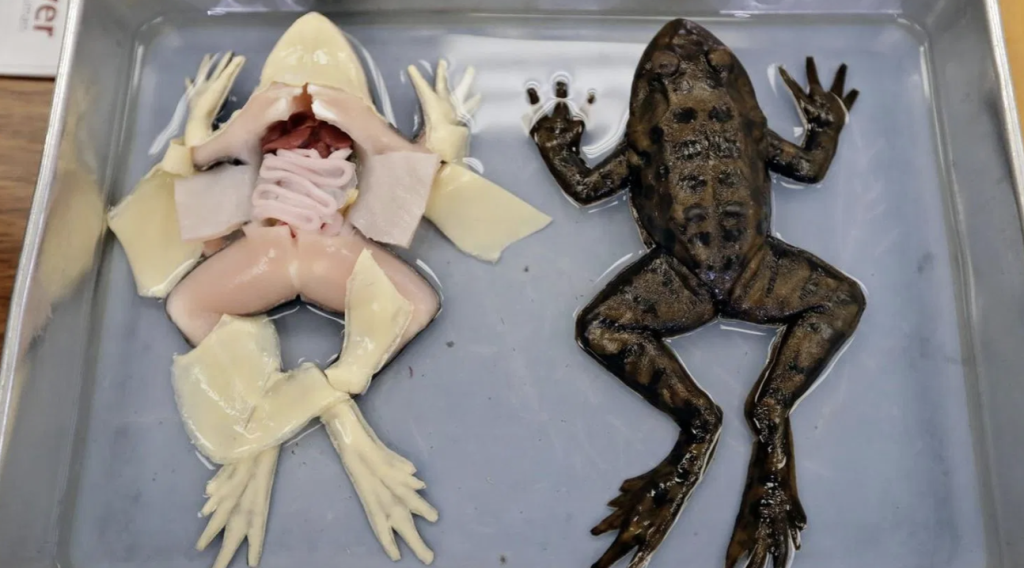
For decades, frog dissection has been a rite of passage in biology classrooms. But with advances in technology, changing educational standards, and a growing focus on ethical science practices, fake frogs in biology class are becoming a smarter, cleaner, and more compassionate alternative.
At Biology Junction, we’re committed to helping students, teachers, and schools explore modern tools in science education — and that includes highlighting the many benefits of frog dissection alternatives.
What Are Fake Frogs in Biology Class?
Fake frogs are realistic dissection models or virtual simulations used in place of actual preserved frogs. These tools mimic the anatomical structure of real frogs and offer a hands-on learning experience — without the ethical concerns or mess.
They come in several forms:
🐸 3D anatomical models
💻 Virtual dissection software
📱 Apps and interactive platforms
These tools are designed to provide highly accurate, engaging, and reusable alternatives to traditional dissection.
Why Schools Are Making the Switch
Ethical Education With increasing awareness around animal welfare, many schools are moving toward ethical biology learning. Using fake frogs eliminates the need to harvest real animals and teaches students respect for life.
Cost-Effective & Reusable Traditional dissection can be costly year after year. Frog dissection alternatives — like synthetic frogs or virtual tools — are reusable and budget-friendly in the long term.
Clean, Safe, and Inclusive No chemicals. No odor. No cleanup. Fake frogs make the dissection experience safer and more accessible — especially for students with ethical concerns, allergies, or sensitivities.
Aligned with Digital Learning Trends Schools are adopting more digital tools post-pandemic. Virtual frog dissections fit perfectly into hybrid or remote learning environments.
Do Fake Frogs Still Teach Students Effectively?
Absolutely. In fact, studies show that students using virtual dissection platforms often perform as well or better than those using traditional methods. Why?
✅ They can repeat the dissection multiple times ✅ They receive instant feedback and guidance ✅ They learn in a stress-free environment
At Biology Junction, we believe learning should be informative, inclusive, and inspiring — and fake frogs help us get there.
Trusted Tools & Resources for Educators
If you’re a teacher looking to introduce frog dissection alternatives into your curriculum, we recommend checking out:
Froggipedia – Award-winning AR app for virtual dissection
SynFrog – Hyper-realistic synthetic frog models
BioDigital Human – Virtual anatomy and biology exploration tool
We’re also working on new lesson plans, guides, and toolkits right here at Biology Junction to help educators integrate fake frogs in biology class effectively and confidently.
Final Thoughts: Building the Future of Biology Together
At Biology Junction, we’re more than just a resource hub — we’re a community of science educators and learners who believe in evolving with the times.
Embracing fake frogs in biology classisn’t just about keeping up — it’s about leading the way in ethical, modern, and effective science education.
Follow us for updates, classroom tools, and trusted tips to bring your biology curriculum into the future — frog-friendly and forward-thinking.
Symptom checkers use artificial intelligence to help people recognize early signs of proptosis by analyzing user descriptions of eye changes. These digital tools offer immediate feedback when users notice bulging eyes or related symptoms, though they cannot replace professional medical diagnosis. For example, exploring proptosis causes with Ubie Health or other similar tools can guide users through targeted questions to help identify possible underlying conditions such as thyroid eye disease or orbital tumors.
How Symptom Checkers Identify Early Signs
Symptom checkers analyze user input about eye-related changes through structured questions and visual assessments. The apps typically ask about eyelid swelling, double vision, and changes in eye appearance. Some advanced systems can process photos to detect visible signs of eye protrusion.
These tools use machine learning algorithms to compare user symptoms with known patterns of proptosis. The technology recognizes key indicators such as:
Visible eye bulging or forward displacement
Eyelid retraction or inability to close eyes completely
Double vision or changes in eye movement
Eye pain or pressure sensations
Changes in vision quality or clarity
Modern symptom checkers employ natural language processing to understand how users describe their symptoms. This allows people to input concerns in their own words rather than medical terminology.
The artificial intelligence can identify symptom combinations that suggest proptosis development. Early detection becomes possible when users report subtle changes they might otherwise ignore.
Benefits of Early Self-Assessment
Early self-assessment through symptom checkers allows people to recognize concerning eye changes before they become severe. Users can identify potential proptosis symptoms in the comfort of their homes without immediate medical costs.
These tools provide instant feedback about symptom severity and urgency. People receive guidance on whether their symptoms need immediate attention or can wait for routine care. This helps prevent unnecessary emergency room visits while identifying serious cases that need prompt treatment.
Symptom checkers document symptom progression over time through tracking features. Users can record changes in bulging eyes or related symptoms, creating a timeline for healthcare providers. This information helps doctors understand how quickly proptosis developed.
The apps educate users about proptosis symptoms they might not recognize. Many people dismiss early eye changes as minor issues. Symptom checkers raise awareness about warning signs that deserve medical attention.
Self-assessment tools work 24 hours a day, allowing symptom evaluation when medical offices are closed. This immediate access helps people make informed decisions about seeking urgent care for eye health concerns.
Limitations and Considerations
Symptom checkers cannot perform physical examinations needed for accurate proptosis diagnosis. They cannot measure actual eye protrusion or assess internal eye structures. Professional medical evaluation remains necessary for definitive diagnosis.
The technology may miss subtle early signs that trained eye specialists would detect. Complex cases involving multiple symptoms might overwhelm basic symptom checker algorithms. Users with unusual presentations may receive inaccurate assessments.
These tools depend on accurate user input to function properly. People may struggle to describe their symptoms clearly or may minimize concerning changes. Inaccurate descriptions lead to unreliable results.
Key limitations include:
Cannot replace professional eye examinations
May miss rare or complex proptosis causes
Limited ability to assess symptom severity accurately
Depends on user’s ability to describe symptoms
False reassurance represents a significant risk when symptom checkers underestimate serious conditions. Users might delay necessary medical care based on incorrect app assessments. This delay could worsen proptosis outcomes if underlying causes remain untreated.
Privacy concerns arise when users share sensitive health information with digital platforms. People should understand how their eye health data gets stored and used by symptom checker companies.
Recognizing Key Symptoms of Proptosis
Proptosis shows specific signs that people can spot early with careful observation. The main symptoms include eyes that stick out more than normal, increased white area around the eye, restricted eye movement, and seeing double images.
Bulging or Protruding Eyes
The most noticeable sign of proptosis is when one or both eyes appear pushed forward from their normal position in the eye socket. This creates a distinct bulging appearance that makes the eyes look larger or more open than usual.
Bulging eyes may develop slowly over weeks or months. Some people notice the change when looking in mirrors or photos. Family members often spot the difference before the person does.
The bulging can affect one eye or both eyes at the same time. When eyes protrude forward, closing the eyelids completely becomes harder. This leads to dryness and irritation.
People may feel pressure or discomfort around their eyes as the bulging develops. The protruding eyes can make a person look surprised or startled all the time.
Increased Visibility of the Sclera
Normal eyes show only small amounts of the white part called the sclera around the colored iris. When proptosis occurs, much more of this white area becomes visible above or below the iris.
This increased sclera visibility makes the eyes appear wider or more open. The change is often most noticeable above the iris, where extra white space shows between the upper eyelid and the colored part of the eye.
Friends and family may comment that the person’s eyes look different. Photos often reveal this change more clearly than looking in a mirror.
The increased white area around the eyes is an early warning sign. When combined with other symptoms, it suggests the need for medical evaluation.
Changes in Eye Movement
Proptosis affects how smoothly the eyes move in different directions. People may notice their eyes feel stiff or restricted when looking left, right, up, or down.
The extra pressure behind bulging eyes limits how well the eye muscles work. This makes normal eye movements feel awkward or uncomfortable.
Common movement problems include:
Difficulty looking upward
Stiffness when moving eyes side to side
Pain or discomfort during eye movement
Trouble keeping both eyes pointed at the same object
These movement changes happen because swollen tissues crowd the space behind the eyes. The muscles that control eye movement cannot work normally in these tight conditions.
Double Vision and Diplopia
Diplopia means seeing two images of a single object instead of one clear image. This happens when the eyes cannot align properly due to muscle problems or pressure changes.
Double vision may appear as images side by side or one above the other. Some people see the double images all the time, while others notice them only when looking in certain directions.
The problem may start suddenly or develop gradually over time. Early stages might show brief episodes of double vision that come and go.
Diplopia often occurs before other obvious signs of proptosis appear. This makes it an important early warning sign that should not be ignored.
People with double vision may close one eye to see clearly or tilt their head to reduce the problem. These actions help temporarily but do not fix the underlying cause.
Common Causes and Associated Conditions
Proptosis develops from several distinct medical conditions, with thyroid disorders being the most frequent cause. Other conditions like infections, tumors, and injuries can also lead to bulging eyes, each requiring different treatment approaches.
Thyroid Eye Disease and Graves’ Disease
Thyroid eye disease (TED) accounts for the majority of proptosis cases in adults. This autoimmune condition occurs when the body’s immune system attacks tissues around the eyes and thyroid gland.
Graves’ disease causes about 90% of thyroid-related eye problems. People with this condition produce too much thyroid hormone, which leads to hyperthyroidism. About 1 in 4 people with Graves’ disease will develop eye symptoms.
The connection between thyroid problems and bulging eyes happens because inflammation affects the muscles and tissues behind the eyes. This swelling pushes the eyeballs forward from their normal position.
Key symptoms of thyroid eye disease include:
Bulging of one or both eyes
Eyelid retraction (pulled-back eyelids)
Dry eyes from incomplete eyelid closure
Double vision
Eye pain and pressure
About 90% of people with TED experience eyelid retraction along with proptosis. This combination can cause serious complications if left untreated, including permanent vision loss from optic nerve compression.
Other Causes of Exophthalmos
Several non-thyroid conditions can cause exophthalmos. These causes often affect only one eye, unlike thyroid disease which typically affects both eyes.
Cancer represents a serious cause of proptosis. Primary eye cancers like melanoma or carcinoma can start around the eye area. Cancer that spreads from other body parts can also cause bulging eyes. Breast cancer is the most common type that spreads to the eye area.
Physical injuries can lead to proptosis through different mechanisms. Trauma to the eye socket can cause blood to collect behind the eye (retrobulbar hematoma). Skull fractures near the eye can allow air to enter the eye socket, pushing the eye forward.
Infections like orbital cellulitis cause severe inflammation around the eye. These infections often start in the sinuses or mouth and spread to the eye area. Without quick treatment, these infections can become life-threatening.
Blood vessel disorders from autoimmune diseases can also cause eye bulging. These conditions affect the normal blood flow around the eyes.
Distinguishing Proptosis from Similar Conditions
Medical professionals must separate proptosis from other eye conditions that might look similar. Buphthalmos affects newborns and young children, causing enlarged eyes rather than protruding ones. This condition usually results from congenital glaucoma.
Conjunctivitis causes red, swollen eyes but does not make the eyeball protrude from the socket. The inflammation stays on the eye’s surface rather than affecting deeper tissues.
Glaucoma in adults typically does not cause eye bulging. However, severe cases in infants can lead to enlarged eyes that might be confused with proptosis.
Doctors measure eye protrusion to confirm proptosis. A protrusion of more than 2 millimeters beyond normal position indicates true proptosis. They also check for other signs like eyelid retraction, eye movement problems, and vision changes.
Bilateral proptosis (both eyes affected) usually points to thyroid disease. Unilateral proptosis (one eye affected) more often suggests tumors, infections, or injuries as the cause.
Conclusion
Symptom checkers serve as valuable first-line tools for identifying potential proptosis symptoms. These digital platforms help users recognize bulging eyes and related warning signs that might otherwise go unnoticed.
Early detection through symptom checkers can lead to faster medical intervention. This timing matters because some causes of proptosis progress rapidly and may result in permanent vision loss if left untreated.
The technology works best when users answer questions honestly about their symptoms. Common indicators include:
Eye protrusion
Double vision
Eye pain or pressure
Difficulty moving eyes
However, symptom checkers cannot replace professional medical evaluation. They should guide users toward seeking appropriate eye care rather than providing definitive diagnoses.
The combination of accessible symptom checking tools and prompt medical follow-up creates the best pathway for managing proptosis. Users who notice potential symptoms through these platforms can take action before complications develop.
In the evolving landscape of modern education, traditional boundaries are being steadily dismantled. Nowhere is this more evident than in the healthcare education space, where the emergence of non-traditional students is not only reshaping classrooms but also redefining future healthcare leadership.
These students, often older, working professionals, career changers, or caregivers, bring a distinct perspective to healthcare education—one grounded in real-life experience, resilience, and a deep desire for purpose-driven careers.
Non-traditional students face unique challenges in their pursuit of healthcare education. Unlike the conventional student demographic, they often balance academic responsibilities with familial obligations, full-time employment, and sometimes even caregiving duties.
Despite these hurdles, they persist—motivated by a passion for service, a calling toward meaningful work, or a need to upskill and remain relevant in a competitive job market. In response, educational institutions and healthcare training programs are increasingly adapting to accommodate this growing and essential student base.
Flexible Pathways to Meet Complex Needs
In addressing the needs of non-traditional students, flexibility becomes a critical component. Educational institutions have begun to pivot toward more adaptable models that consider the multifaceted lives of these learners. One prominent example includes online MHA degree programs, which offer the academic rigor and industry-relevant curriculum of traditional formats while allowing students to study at their own pace. These programs are structured to support learners who cannot commit to full-time, on-campus attendance but are equally driven to lead and innovate within the healthcare sector.
Flexibility is not just a convenience—it is a lifeline. It recognizes that education need not be confined to a physical classroom or a rigid timetable. Evening classes, weekend seminars, self-paced modules, and asynchronous learning opportunities ensure that non-traditional students remain engaged without compromising other vital aspects of their lives. This progressive approach empowers learners to move forward without forcing them to choose between education and survival.
Creating Inclusive Learning Environments
For non-traditional students to thrive, inclusivity must go beyond admission policies. Educational spaces need to be thoughtfully designed to embrace diversity in age, experience, background, and learning style. Professors and facilitators must be trained to recognize and accommodate these variances, creating curricula that are not only informative but also relatable and accessible.
Peer dynamics also play a significant role. Traditional student bodies may not immediately grasp the lived realities of their older or differently-experienced counterparts. Institutions that cultivate an environment of mutual respect and collaborative learning are more likely to see non-traditional students succeed. Discussion forums, group projects, and mentorship structures should be crafted to encourage the exchange of perspectives, ensuring that everyone feels valued and heard.
Inclusivity also means recognizing the unique contributions of non-traditional students. Their real-world experiences can enrich academic discussions, ground theoretical concepts in reality, and often provide insights that younger students may not yet have encountered. Creating a culture that celebrates rather than merely tolerates these contributions is essential to empowering all learners.
Financial Accessibility and Institutional Support
Financial barriers remain a significant concern for many non-traditional students. Unlike younger learners who may rely on parental support or traditional financial aid, older students often juggle additional expenses like mortgages, dependents, and healthcare costs. To truly support these students, institutions must offer innovative financial aid structures that reflect their circumstances.
Scholarships targeted at career changers, working parents, or adult learners can make a tangible difference. In addition, tuition reimbursement programs in partnership with employers can serve as a powerful incentive for individuals to pursue advanced education while continuing their professional responsibilities. Payment plans that reduce up-front costs, along with transparent guidance on loan options and financial planning, further reduce the anxiety often associated with returning to school later in life.
Beyond finances, non-traditional students require dedicated support systems. Academic advisors familiar with the needs of adult learners, career counseling tailored to mid-life professionals, and mental health services that consider the complexities of juggling multiple life roles can significantly impact student success.
The Role of Technology in Accessibility and Engagement
Technology has been a game changer in expanding access to healthcare education. For non-traditional students, digital platforms not only remove geographical constraints but also introduce tools that accommodate different learning styles and paces. Interactive simulations, recorded lectures, digital whiteboards, and mobile-accessible coursework are no longer luxuries—they are necessities in a truly inclusive educational model.
These tools, however, must be accompanied by adequate training and support. Many non-traditional students may not be digital natives, and assuming tech fluency can create unintentional barriers. Providing onboarding sessions, tech support hotlines, and user-friendly interfaces ensures that all learners, regardless of prior exposure, can participate fully in their education.
Moreover, technology enables real-time feedback and personalized learning pathways. Adaptive learning systems can track student progress and adjust content difficulty accordingly, allowing each student to receive the support they need.
Building Community and Professional Networks
One of the often-overlooked aspects of empowering non-traditional students is fostering a sense of community. Isolation can be a significant challenge for these learners, especially in online or hybrid formats. Institutions must actively work to build connections among students, faculty, and industry professionals.
Virtual meetups, discussion boards, student associations for adult learners, and alumni networks are critical tools for creating these connections. When students feel they are part of something larger than themselves, they are more likely to remain committed and engaged. Networking opportunities also play a key role in career advancement, helping non-traditional students leverage their education into leadership roles and new professional pathways.
Redefining Success on Individual Terms
Perhaps the most empowering shift in healthcare education is the redefinition of success itself. Traditional metrics—GPA, class rank, age at graduation—are being challenged by more holistic, meaningful indicators. For non-traditional students, success might look like completing a degree while working full time, making a career pivot after two decades in another field, or becoming the first in their family to earn a graduate credential.
As healthcare continues to evolve, the importance of diverse perspectives cannot be overstated. Non-traditional students bring with them an invaluable combination of life experience, professional insight, and a mature commitment to service. Their inclusion and empowerment are not just educational imperatives—they are essential to building a healthcare system that is innovative, empathetic, and truly representative of the communities it serves.
In modern healthcare systems, nurses stand as critical pillars supporting the continuum of care. Their roles have evolved dramatically over the decades, transforming from auxiliary caregivers to autonomous professionals involved in decision-making, advanced diagnostics, and holistic patient care. As healthcare demands grow increasingly complex, the need for highly skilled and specialized nursing professionals becomes more apparent. Empowering nurses to operate at the peak of their professional license is no longer an option but a necessity. The journey toward expanded practice and specialization not only uplifts individual careers but also strengthens the healthcare infrastructure as a whole.
Redefining Scope of Practice Through Autonomy
Empowerment in nursing is strongly tied to autonomy—the ability to make independent clinical decisions based on professional judgment and evidence-based practices. Expanded scope of practice allows nurses to assess, diagnose, treat, and manage care independently within their field. Autonomy strengthens accountability and fosters innovation, especially in primary and preventive care settings. When nurses are trusted with broader responsibilities, they often identify systemic inefficiencies, advocate for policy changes, and lead initiatives that enhance patient outcomes. Empowering nurses in this way not only elevates their practice but also contributes to the reduction of healthcare delivery gaps, particularly in underserved or high-demand areas.
Building Foundational Expertise Through Higher Learning
Progress in the nursing profession requires more than experience alone—it demands a rigorous academic framework that enhances clinical judgment, leadership potential, and strategic thinking. For those aiming to transition into more advanced and influential roles within healthcare, the pursuit of an RN to MSN degree serves as a pivotal step. This advanced program fosters expertise in evidence-based practice, systems leadership, and care coordination, allowing nurses to move beyond bedside responsibilities and contribute meaningfully to high-level decision-making, specialized clinical functions, and long-term healthcare improvements. It builds the intellectual and practical foundation necessary for navigating increasingly complex patient needs and healthcare systems.
Fostering Specialization for Focused Excellence
As medicine advances and healthcare becomes more nuanced, specialization has emerged as a strategic response to deliver high-quality, targeted care. Specialized nurses bring advanced knowledge and refined skills to areas such as oncology, cardiology, mental health, critical care, and pediatrics. These professionals offer enhanced patient experiences by bridging general nursing knowledge with condition-specific expertise. Specialization encourages continuous learning and clinical mastery, making nurses indispensable members of interdisciplinary teams. Additionally, specialized nurses often act as patient advocates, educators, and care coordinators, ensuring that care plans are comprehensive and individualized. This depth of expertise not only boosts patient trust but also allows for more accurate and effective interventions.
Leadership Roles and Interdisciplinary Collaboration
Empowering nurses also means recognizing their potential to lead. Leadership in nursing is not confined to hierarchical roles but extends to everyday clinical interactions, mentorship, and team dynamics. Nurses in empowered roles often mentor juniors, guide policy changes, and represent their units in hospital boards or multidisciplinary discussions. Effective nurse leaders drive innovation, streamline care delivery, and inspire excellence within teams. Empowerment encourages collaboration between nurses and other healthcare professionals, such as physicians, social workers, and therapists. This collaboration ensures cohesive care strategies that are responsive to patient needs, reducing redundancies and minimizing errors in the care pathway.
Policy Influence and Advocacy
Nurses possess an in-depth understanding of patient care realities and are well-positioned to influence healthcare policy. Empowering nurses to participate in legislative and administrative discussions leads to more patient-centered regulations and practice environments. Policy advocacy by nurses often addresses staffing ratios, workplace safety, resource allocation, and equitable care access. When their voices are amplified, healthcare policies become more aligned with clinical realities, improving both the work environment and patient outcomes.
Technology Integration and Digital Competency
In today’s digital age, healthcare is increasingly reliant on technology. From telehealth platforms and electronic health records to AI-driven diagnostics and wearable monitoring devices, technology has become a cornerstone of modern care. Nurses must be empowered with the tools and training to navigate this digital landscape effectively. Digital competency allows nurses to engage with technology confidently, improve documentation accuracy, and utilize data analytics for evidence-based interventions. Training in digital systems reduces administrative burdens, enabling nurses to focus more on patient interaction and less on clerical tasks.
Addressing Burnout Through Empowerment
Burnout among nurses is a growing concern in the global healthcare community. High workloads, emotional stress, insufficient support, and limited advancement opportunities contribute significantly to mental and physical exhaustion. Empowerment acts as a preventive measure against burnout. When nurses feel valued, supported, and involved in decision- making, job satisfaction increases and stress levels decrease. Providing clear career paths, access to continuing education, and platforms for expressing concerns fosters a healthier work environment.
Mentorship and Lifelong Learning Culture
A culture of mentorship is essential for sustaining empowerment in nursing. Experienced nurses serve as guides, offering insights, encouragement, and constructive feedback to their less experienced colleagues. This culture fosters confidence, ethical decision-making, and professional growth. Lifelong learning becomes second nature when mentorship is embedded in the workplace. Nurses who continuously update their knowledge stay relevant in their field and adapt quickly to changes in clinical guidelines, technologies, and patient expectations.
Breaking Stereotypes and Elevating Perceptions
Despite their essential role, nurses often face stereotypes that limit public perception of their capabilities. Empowering nurses challenges these outdated narratives by showcasing their expertise, leadership, and critical role in healthcare delivery. Visibility in research publications, media, healthcare panels, and institutional leadership roles reshapes the narrative around nursing. By elevating their status and reinforcing their contributions, both within and outside the healthcare system, empowerment paves the way for a new era of respect and recognition for the nursing profession.
Empowering nurses for expanded practice and specialization is more than a strategy—it is a commitment to a stronger, more responsive, and inclusive healthcare system. As the healthcare landscape continues to evolve, nurses must be equipped with the knowledge, authority, and support to lead meaningful change. The ripple effects of such empowerment enhance not only individual careers but also entire communities and care systems, bringing healthcare closer to what it should always be: compassionate, effective, and centered on human well-being.
The world is changing fast—and so are the problems we face. From climate change to health crises, the need for strong science education is growing every day. That’s where research-focused programs come in. They give students real skills to study the natural world and help solve real issues.
This kind of education is not just about learning facts. It’s about asking questions, testing ideas, and learning how everything connects. When students do research, they prepare for careers that can make a difference.
Scientific Curiosity Turns into Real-World Discovery
Research teaches students how to think like scientists. Instead of just reading about cells or animals, they get to study them firsthand. This makes learning more exciting and helps them remember things better. They also learn to ask questions, solve problems, and look at the world differently. These are useful skills for many careers. Students who do research in school often find out what topics interest them the most, and that helps them choose the right path after graduation.
Biology Degrees Shape Research-Oriented Thinkers
Hands-on learning is a big part of good science programs. Students don’t just sit in classrooms—they do projects, collect data, and work in labs. This helps them build strong research skills and prepares them to think clearly and act with purpose. Many biology degree colleges offer programs focused on real-world learning that gives students lots of chances to do research in areas like ecology, health science, and genetics.
Field and Lab Experience Enhance Understanding of Complex Ecosystems
When students go outside the classroom, they learn more about how nature works. In the lab, they might study cells or test water samples. In the field, they could track animals or check soil quality. These experiences make science feel real. They also help students see how different parts of the environment are connected. This kind of learning builds a strong base for jobs in areas like conservation, environmental health, or even government agencies that make nature-related policies.
Research Builds Solutions to Global Health Challenges
Scientific research plays a big role in healthcare. Students who study biology with a focus on research can work on problems like disease prevention, genetic testing, or finding better treatments. They might look at how viruses spread or how certain foods affect the body. This prepares them for jobs in labs, hospitals, or public health. Understanding health helps future professionals offer smarter, faster solutions that keep people safe and healthy in different communities.
Ethical Thinking Emerges from Scientific Exploration
Science is not just about facts—it’s also about making good choices. Students doing research learn about ethics. For example, they talk about how animals should be treated in experiments or how to use data in fair ways. They learn to think about the impact of their work on people and nature. This helps them grow into scientists who care about doing what’s right, not just what’s possible. Good science means being honest, careful, and respectful of our world.
Collaboration Across Disciplines Fuels Innovation
Modern science often combines different fields. Students doing research might work with chemistry, computer science, or environmental studies experts. This teaches them how to see problems from more than one angle. They may use technology to study animals or statistics to track diseases. Working with others builds teamwork and communication skills. It also shows students that solutions come from many areas, not just one subject. This kind of learning prepares them for real-world challenges that need many types of knowledge.
Conservation Research Helps Protect the Natural World
Many students want to help protect nature. Research lets them study animals, plants, and ecosystems directly. They might track bird populations, test water quality, or study the effects of pollution. This work helps scientists understand how nature is changing and what can be done to protect it. Students also learn to respect the environment and take action to protect it. Conservation research is important for creating laws, helping wildlife, and keeping our planet safe for future generations.
Research Sharpens Communication and Data Literacy
Good research isn’t just about collecting facts—it’s also about sharing them clearly. Students learn how to write reports, give presentations, and make sense of numbers. They use graphs, charts, and plain language to explain what they find. These skills are useful in almost every job. Being able to talk about science in a simple way helps others understand why it matters. Learning how to work with data also helps students make better decisions based on real evidence.
Individualized Projects Encourage Lifelong Passion and Focus
Some students find their future by working on a project they care about. Research programs often let students choose their own topic. This helps them stay excited and focused. They may explore health, animals, plants, or cells—whatever interests them most. Doing this kind of work builds confidence and teaches them how to stay organized. It also helps them figure out what they want to study next or what kind of job they might want after college.
Scientific Education Shapes Global Citizens
Students who learn through research often become more aware of the world. They understand how science connects to people, health, and the environment. They learn to ask big questions and think about how their work can help others. This kind of education builds strong, informed citizens who care about more than just their own success. They are ready to take part in global conversations, help solve world problems, and be part of something bigger than themselves.
Research-based learning gives students more than just knowledge—it gives them purpose. It helps them build skills, explore their interests, and grow as thinkers and leaders. They learn how to ask good questions, solve real problems, and think about the bigger picture. From health and environment to ethics and teamwork, this kind of study shapes students into people who can make a difference. For anyone looking to make a strong impact in science and beyond, choosing the right programs is the first step toward meaningful change.