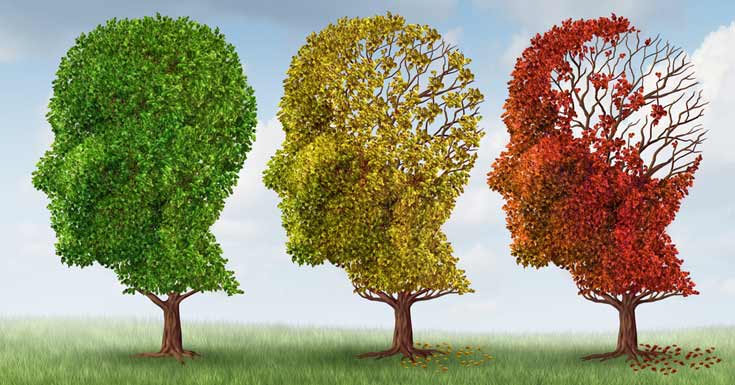
The Science Behind Why Mental Health Matters in Everyday Life

Mental health shapes the way people think, feel, and respond to the world around them. Daily routines, conversations, choices, and goals all rely on a stable inner state. A calm and clear mind helps someone handle tasks with more focus, build stronger relationships, and adapt when life shifts. 

The science behind mental well-being shows that it plays a steady role in overall health, even when someone feels generally fine. Mental health is not limited to crises or clinical concerns. It is part of everyday living, and understanding it helps people take steps that support a healthier and more satisfying life.

Emotional Balance and Its Role in Daily Decisions

Emotions guide many actions, sometimes without conscious awareness. The brain works throughout the day to interpret situations and shape emotional responses. A balanced emotional state allows someone to judge situations more effectively. Calm thinking supports better reactions during conflicts, busy workdays, or moments of disappointment. 

Quick emotional swings can create confusion or lead to choices that feel regrettable later. A clearer grasp of emotional signals helps someone slow down, recognize triggers, and respond with more intention. Emotional balance does not require perfection.

Brain Function and Mental Well-Being

The mind depends on healthy brain activity. Thoughts, stress levels, and rest patterns influence how the brain manages focus, memory, and motivation. Certain areas of the brain help with planning, forming memories, and recognizing emotions. When these areas work smoothly, daily tasks feel more manageable. 

Persistent worry or lack of rest can interrupt this system, making it harder to think clearly. Curiosity about how the brain works often leads people to explore the science of behavior and emotion. If you’re an aspiring professional drawn to the science of how people think and feel, a psychology degree program can be an impactful next step. Learning how the brain shapes thoughts and reactions gives people a deeper appreciation for mental health and encourages more mindful choices throughout the day.

Stress Responses and Their Effect on Everyday Behavior

Stress affects nearly everyone, and the body has a built-in system that prepares for challenging situations. A short burst of stress can sharpen focus for a brief task or alert someone to potential danger. Long stretches of pressure can create exhaustion and affect mood. The body stays on high alert, and this drains energy that would normally support patience, concentration, and motivation. Stress can show up in small ways, such as tension during conversations or trouble managing simple responsibilities. A better understanding of stress responses helps people notice patterns before they grow overwhelming. 

Social Connections and Mental Strength

Human connection plays a powerful role in mental well-being. Supportive relationships help the brain release chemicals linked to comfort and trust. A warm conversation, a shared laugh, or a reliable friend can ease tension and create a sense of belonging. Isolation has the opposite effect and can leave someone feeling drained or uncertain. 

Strong social ties offer protection during difficult times and give people space to express feelings honestly. Anyone can strengthen these ties through small actions such as active listening, consistent check-ins, or honest communication. 

Healthy Thinking Patterns and Their Impact on Daily Life

Thoughts shape emotions and behavior more than many people realize. Certain thinking patterns can lift confidence, encourage problem-solving, and guide steady reactions. Unhelpful patterns can create fear, hesitation, or negativity. A shift toward balanced thinking encourages someone to evaluate situations more realistically. 

A calm and grounded approach to challenges helps reduce emotional strain. Small thought adjustments, practiced consistently, lead to a healthier mindset over time. Mental clarity grows when someone becomes aware of these patterns and chooses more constructive ways to interpret daily events.

Lifestyle Choices That Support Mental Health

Sleep, movement, and nutrition influence mental well-being more than many people expect. The brain depends on steady rest to process memories, reset emotional responses, and restore energy. Adequate sleep supports clearer thinking and steadier moods throughout the day. Physical activity stimulates chemicals that lift motivation and reduce tension. 

Nutrition also affects how someone feels. Steady energy levels help the brain stay focused during tasks and conversations. Meals that include balanced portions of whole foods support this process and prevent the dips in mood or concentration that often follow irregular eating habits. Lifestyle choices do not need to be complicated. 

Early Signals That Mental Health Needs Attention

The mind and body often send signals when balance starts to slip. Emotional cues might include irritability, sadness, or sudden shifts in mood. Physical signs can appear as tension, headaches, or ongoing fatigue. Small tasks might begin to feel heavier than usual, and concentration might fade more quickly. These signals do not always point to a severe issue, but they indicate that the mind needs care and attention.

People sometimes overlook these early cues because life feels too busy to slow down. Noticing patterns helps someone understand what their mind is trying to communicate. Support from trusted friends, mentors, or trained professionals can bring clarity. Conversations with others often make challenges feel more manageable. 

Practical Ways to Strengthen Mental Wellness

Simple practices help build a healthier mindset. Journaling gives someone space to organize thoughts and understand emotions. Breathing exercises calm the nervous system and improve focus during stressful moments. Short mindfulness moments throughout the day help the brain shift away from tension and guide the mind back to the present.

Positive social interactions also strengthen mental wellness. A brief call with someone supportive or a friendly conversation can create emotional grounding. Small steps, practiced consistently, have a meaningful impact. People often feel encouraged when they recognize that mental wellness grows from everyday actions, not from drastic changes. 

Mental health influences how people think, connect, and move through the world. The science behind mental well-being shows that simple habits and steady awareness play important roles in daily life. Emotional balance, healthy thinking patterns, supportive relationships, and mindful routines help create clarity and resilience. 

Paying attention to early signals and making small, consistent changes encourages long-term stability. A deeper understanding of mental health allows people to approach life with more confidence, compassion, and purpose. A well-cared-for mind supports a healthier and more fulfilling everyday experience.
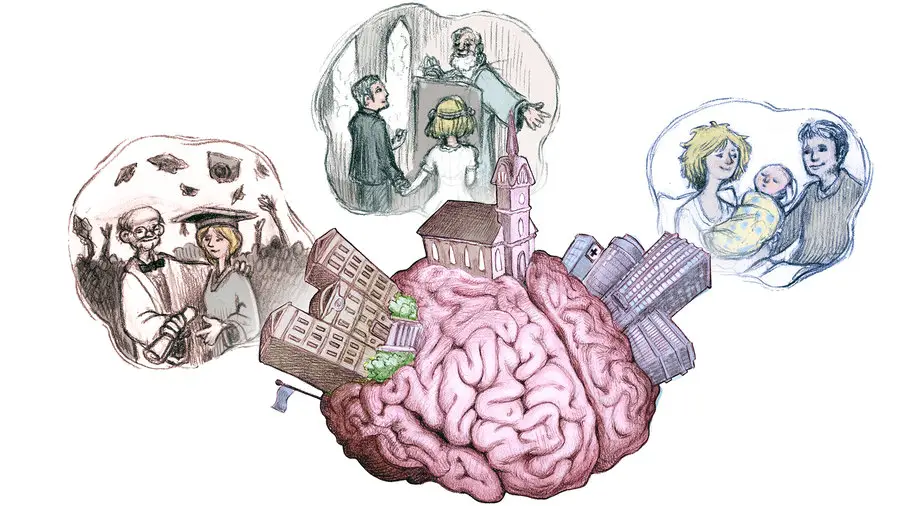
How the Human Brain Creates Memories and Processes Thoughts

It can be fascinating to wonder about the marvels of the human brain. Unlike most other animals, humans are self-aware. We can think, plan, and recall events that have happened in and around our lives. Despite our incredible capacity for thought, how the human brain creates memories and processes thoughts can still be quite a mystery.

How The Brain is Structured


It’s crucial, to begin with, the basic structure of the brain to start to understand how the human mind creates memories and processes thoughts. For the most part, animals all have relatively similar brain form. In this essential form, the innermost parts of the brain are the oldest in and have not changed much over years of evolution.

These inner parts of the brain control our most basic survival instincts such as breathing, resting, moving, and feeding. As you move away from the spinal cord, additional layers provide the capacity for higher thinking and better memory. In humans, our outermost layer of the brain is called the cerebral cortex, and it is incredibly sophisticated.

With such a highly developed outer brain layer we are capable of much more than the most basic survival functions. For example, humans frequently develop intricate social networks,  can retain memories for long periods of time and can experience emotions.

How We Form Thoughts

How The Brain is Structured
Photo credit to Searchgi.com

Moving forward from the underlying structure that allows for the formation of higher thinking patterns, we delve further into how thoughts are processed. The brain is composed of specialized cells known as neurons and support cells called glia.

As you probably know, neurons are the cells most commonly associated with the nervous system. However, it is important to note that without glial cells, the neurons in the brain would not be able to function at all. Many different types of glial cells exist in the brain and provide numerous benefits to the neurons.

Glial Cells

delveinsight.com
Photo credit to delveinsight.com

More specifically, glial cells provide the following benefits to neurons:

  • Guide Developing Neurons to Their Destinations
  • Protect Neurons from Harmful Ions and Chemicals
  • Provide Myelin Sheaths Around Axons
  • Modulate Communication Between Nerve Cells

As you can see, these lesser-known cells are incredibly crucial to a fully functioning human brain. In fact, without these essential support cells, humans would not be capable of processing thoughts or forming memories.

Neurons

Neurons Brain
Photo credit to Why mindbodycoach?

Neurons are the specialized cells that receive all forms of sensory input from the external world and communicate that information to the body and brain. Compared to other types of cells, neurons have a unique tree-like shape that fosters the work of delivering information throughout the body.

While much is unknown about the inner workings of the brain, scientists have discovered that neurons behave in a pretty specific manner. There are three main parts to each neuron; the cell body, the dendrites, and the axon. When exposed to an electrical impulse, information moves from the dendrites to the cell body and then to the axon.

Once the electrical impulse moves to the end of the axon, it reaches the synapse. Here the signal moves from one neuron to the next by way of a neurotransmitter. The neurotransmitter stimulates the next neuron, and the process begins again.

When neurons absorb information from the wide variety of stimuli we come in contact with every day, billions of connections can occur through the neural pathways described above. These connections are what lead to our perceptions about the world around us. Furthermore, these connections work together to create our thoughts.

But what happens after the brain has “processed”  thought in this manner? Does it all just end there?

How We Store Thoughts

Store Thoughts Brain
Photo credit to Braintoss

Now that we have outlined a basic understanding of how thoughts come to be, we can continue to work out how the human brain creates memories and processes thoughts. It’s important to understand that neuroscience is a very complicated discipline and is not entirely understood by researchers as of yet.

Most people understand that the process of storing thoughts is what we refer to as memory. However, a much smaller number of people have any real understanding of how our brains take seemingly “simple” thoughts and turn them into memories.

To start our discussion, we will begin by saying that memory, unlike other attributes of the body, is not a defined part of the body. Instead, the word memory refers to the elaborate means of remembering.

A wide array of models have been used to describe the way that memory works in the human brain. However, current researchers are quickly finding that these simplistic notions regarding memory are nowhere near as sophisticated or elusive as the human memory. Today, scientists are finding that it is made up of a complex web of cells placed explicitly around the brain.

Short-Term Memory

Short-Term Memory Brain
Photo credit to The Hearty Soul

Most people have heard the term “short-term memory” at one point in their life or another. However, only a handful of people can give an accurate description of what short-term memory is.

To begin our discussion, we’ll note that short-term memory is also known as active or primary memory. As these names imply, short-term memory is something that we use in our present state of being. Furthermore, it is worth noting that short-term memory is limited in both duration and number of items held.

For most functioning brains, the short-term memory lasts between twenty and thirty seconds. Sometimes this time frame fluctuates in either direction depending upon the circumstances under which information is received. Typically the average human brain can hold between four and nine items in short-term memory.

Long-Term Memory

Long-Term Memory Brain
Photo credit to Lumen Learning

In contrast to the fading short-term memories that we dispose of quickly, the long-term memory seems to be unlimited regarding the number of items stored. Additionally, long-term memories are typically stored for much more extended periods of time, usually many years. But how exactly does the human brain move items from short-term memory to long-term memory?

Most people are vaguely aware that there are a variety of techniques for committing specific information to memory. For example, people tend to “chunk” information into smaller parts of a larger whole to memorize it. Also, it is common to use rehearsal as a means of committing short-term memory to long-term storage.

Despite the knowledge of these memorization methods, the specific science behind “converting” short-term memories into long-term memories is not well understood. Several working theories try to explain the precise mechanisms of memory. Each potential philosophy is unique, and this particular subject is a matter of much scientific controversy.

Memory Loss and Difficulty

Memory Loss and Difficulty
Photo credit to UConn Today

It’s no secret that just as our brains have an incredible capacity to process information and develop memories, they also can “lose” memories. Injury, trauma, and certain illnesses can all affect the way we remember things and even make it seem that certain memories are gone for good. But what exactly happens when we “lose” a memory?

Because the mechanisms regarding thoughts and the way we store memories are not very well understood, it is difficult to say what precisely happens when we forget something. In some cases, memory loss seems to be temporary while in others it looks more permanent. By examining the different causes of memory loss, we can gain some useful insights.

Retrograde vs. Anterograde Amnesia

Memory Health Tests for Everyone
Photo credit to Memory Health

In movies that feature patients with amnesia, it’s often the case that these characters cannot remember their past. This type of amnesia is medically known as retrograde amnesia. Retrograde amnesia can be caused by disease or injury and deals explicitly with memories stored before illness or injury. The ability to learn new concepts is generally not affected.

In contrast, anterograde amnesia preserves old memories and prevents the development of new memories. Because of the mystery surrounding how the brain stores memories, anterograde amnesia is very difficult to understand. Additionally, this type of amnesia provides a wide array of questions regarding how memories are formed and stored.

Dementia and Alzheimer’s Disease

Dementia and Alzheimer's disease
Photo credit to Consumer Health Digest

The term dementia refers to a group of diseases that cause a slow decline in the ability to think and recall past knowledge. Alzheimer’s disease is the most common disorder associated with dementia and also the most common cause of it.

Despite Alzheimer’s disease causing the majority of dementia cases, there are several other causes of dementia. Some of these causes are reversible, suggesting a high degree of plasticity in the brain. However, there is no defined cure for Alzheimer’s disease or dementia in general which highlights our general lack of understanding of the human mind.

Overall, the mechanism that dictates how the human brain creates memories and processes thoughts are complicated. Neuroscientists are continually researching new theories and challenging previous notions regarding the human mind.

As new technologies develop, scientists have high hopes of gaining a better understanding of the brain and all of its intricacies. However, until we can understand the subtle processes that create our ability to think and store information, it is unlikely that we will gain a better understanding of diseases that affect our ability to create and access our memories.