
Most people brush their teeth twice a day without thinking much about the science behind oral hygiene. Daily habits often feel automatic, but knowing why certain routines work changes your long-term health outcomes. Simple adjustments in daily care prevent costly repairs later.
Taking time to understand basic dental concepts gives you control over your personal wellness. Mouth care affects the rest of the body, making knowledge a powerful tool for everyday life. Small decisions made every morning set the stage for long-term comfort.
Building Strong Habits Through Daily Awareness
Understanding how plaque interacts with tooth enamel helps you brush more effectively. Standard cleaning routines clear away microscopic debris that silently damages enamel as months pass. Learning proper angling techniques turns a routine chore into targeted care.
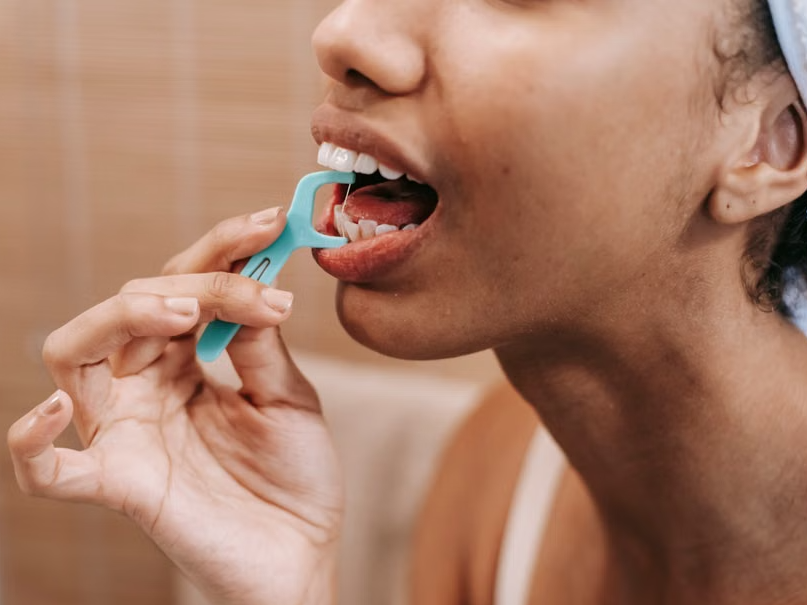
Proper flossing removes trapped particles between teeth where standard toothbrush bristles cannot reach. Finding reliable local experts at https://durangodmd.com/ or similar platforms guides your personal routine toward better daily choices. Professional insights help eliminate guesswork from your daily oral care routine. Asking questions during regular appointments builds a custom approach for your smile.
Consistency forms the backbone of good oral hygiene over many decades. Skipping evening care allows bacteria to multiply uninterrupted throughout the night. Developing awareness keeps daily maintenance simple and effective.
Protecting Children from Early Decay
Early childhood habits create the foundation for lifetime tooth structure integrity. A national epidemiological survey revealed that 26.9% of 5-year-old kids experience enamel or dentinal decay. Teaching kids proper technique early shields them from avoidable pain. Building these basic skills at home saves young teeth from early damage.
Parents who study pediatric dental trends pick up better strategies for family routines. Dietary choices play a big role in keeping young teeth free of cavities. Swapping sugary drinks for water protects fresh enamel during crucial growth years.
Regular checkups during early childhood allow dental teams to catch potential issues early. Early interventions prevent minor spots from turning into severe structural damage. Simple educational steps give children a confident, healthy smile.
Preventing Complications at Every Age
Dental challenges begin earlier in life than many parents realize. Reports indicate that nearly 50% of kids suffer from tooth decay by toddlerhood, potentially causing alignment problems if baby teeth fall out early. Recognizing these risks encourages early protective steps.
Active prevention strategies minimize long-term orthodontic complications. Losing primary teeth prematurely alters how permanent teeth settle into position. Misaligned bites often require complex orthodontic work later in teenage years.
Keeping baby teeth intact supports natural jaw structure development. Adults benefit from continuous learning just as much as growing children do. Gums shift and change with age, requiring updated cleaning methods as years pass.
Achieving Better Health Outcomes
Clear knowledge directly influences how well people maintain their oral hygiene routines. Studies show that individuals with a solid grasp of dental care maintain routines that prevent serious issues. Understanding the reasoning behind each step drives daily compliance. Knowing the facts encourages better daily care.
Simple proactive choices deliver long-term protection:
- Small cavity repairs prevent complex root canal procedures.
- Routine cleanings protect gums from deep bacterial infections.
- Smart habits save $500 or more on emergency dental visits.
Whole-body physical wellness connects closely to the condition of your mouth and gums. Untreated infections send harmful bacteria into the bloodstream, impacting systemic health. Self-education helps you protect both your smile and your broader wellness.
Recognizing Early Warning Signs
Learning about dental health makes it easier to notice problems before they become more serious. Tooth sensitivity, bleeding gums, recurring bad breath, or discomfort while chewing can all signal that something needs attention.
Many oral health issues develop gradually, so understanding common symptoms helps people act earlier instead of waiting for severe pain. Early action can also make treatment simpler. A small cavity may only require a basic filling, while untreated decay can eventually affect deeper parts of the tooth.
Paying attention to changes in your mouth gives dental professionals more opportunities to prevent complications and protect natural tooth structure.
Choosing the Right Oral Care Products
Dental education also helps people select products that match their individual needs. Toothpaste, toothbrushes, floss, and mouthwash come in wide varieties, and each product serves a different purpose.
Understanding basic ingredients and features makes it easier to choose tools that support a healthy daily routine. Soft-bristled toothbrushes are often suitable for effective cleaning without placing unnecessary pressure on gums.
Fluoride toothpaste can strengthen enamel and support cavity prevention. Knowing what to look for reduces confusion and helps consumers make practical decisions instead of relying only on advertising claims.
Understanding the Role of Nutrition
Food and drink choices have a direct effect on oral health throughout the day. Sugary snacks and acidic beverages can increase the amount of time teeth are exposed to conditions that weaken enamel.
Learning how diet affects the mouth encourages better decisions between meals and supports stronger preventive habits. Balanced nutrition also supports gum health and natural saliva production.
Drinking water regularly helps rinse away food particles and keeps the mouth from becoming excessively dry. Combining good nutrition with regular brushing and flossing creates a more complete approach to protecting teeth and gums.
Communicating Better With Your Dentist
Knowing basic dental terminology can make professional appointments easier to understand. Patients who are familiar with common procedures can ask clearer questions about cleanings, fillings, X-rays, crowns, gum care, and other treatments.
Better understanding reduces uncertainty and helps people participate more actively in decisions about their oral health. Good communication also makes it easier to discuss concerns, treatment options, and preventive strategies.
Instead of viewing dental visits as something passive, educated patients can use each appointment as an opportunity to learn more about their specific needs. This ongoing exchange supports better long-term planning and greater confidence in everyday dental care.

Learning about oral hygiene changes routine tasks into intentional healthcare decisions. Taking charge of your oral education leads to fewer surprises during routine checkups. Small efforts today preserve natural teeth for decades to come.
Investing time in dental knowledge pays lifelong dividends for your entire body. Healthy habits create a bright smile and strong confidence at every age. Simple awareness remains your best tool for long-term wellness.