What Can You Do with a Biology Degree: Ultimate Guide

​Biology is one of the most diverse areas of scientific study, and it is also a specialty that’s in high demand in a variety of fields, from education to opportunities to help to create innovative pharmaceuticals and other products. If you are considering specializing in biology or you are already working your biology degree, you have likely asked “What can you do with a biology degree?” This article highlights 10 cool careers that can put your biology skills to the test.

What Can You Do with a Biology Degree?

Biology is the science of life, and the skills you learn earning a biology degree are fundamental in many potential career paths, including professions in the healthcare field, environmental projects, food science, and academic prospects such as teaching or writing. When considering the careers on this list, think about what aspect of biology you enjoy the most and let that help guide you as you search for the job that would fit you best.

​Ten Cool Careers That Will Put Your Skills to the Test

Physician or Surgeon
​Image Source: www.flickr.com

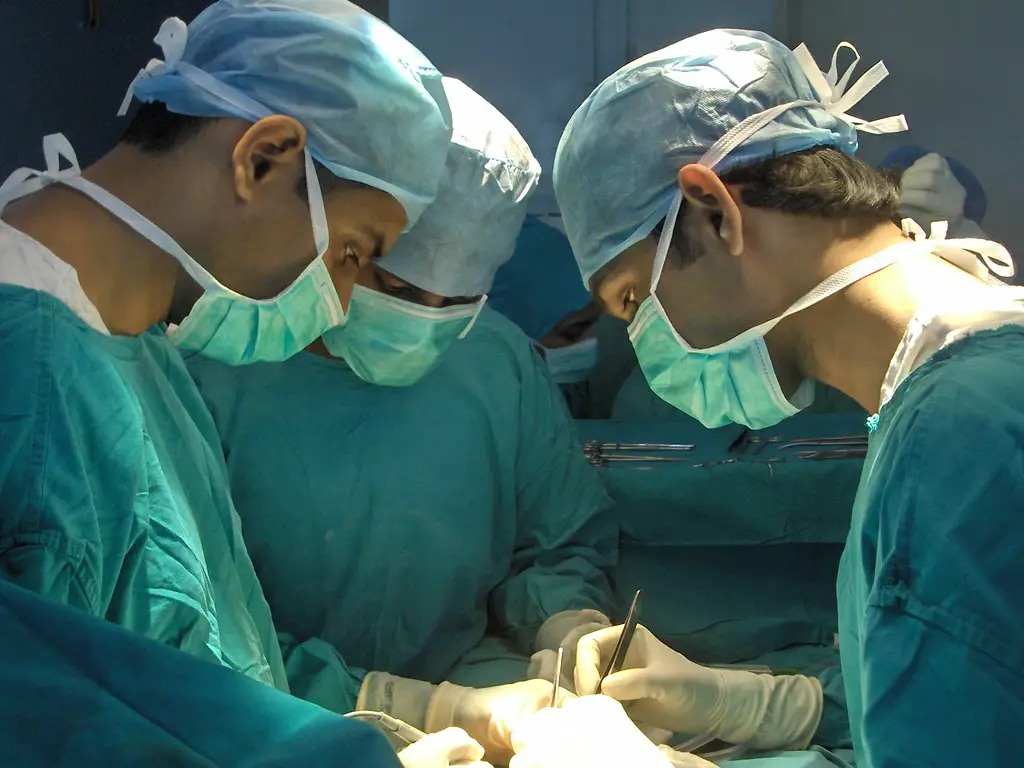
So what can you do with a biology degree? A go-to answer is become a physician or surgeon. This is understandable as physicians and surgeons are respected and well paid. They play a vital role in improving the overall health of the populace and the need for physicians and surgeons is always high.

However, to become a physician or surgeon requires a lot more than just a bachelors degree. Years of medical school and then residency is needed, and the work itself can be difficult and present situations that might make some uncomfortable. Physicians and surgeons are also among the most highly stressful jobs, so they are not for everyone.

That being said, a biology degree is a great place to start when considering a career as a physician or surgeon. There are other careers in the healthcare and medical fields such as physician assistants, laboratory technicians, and pharmacist that are not as lucrative as being a physician or surgeon, but they aren’t as stressful and they still require the skills one learns earning a biology degree.

​​Microbiologists

​Image Source: ​pixabay.com

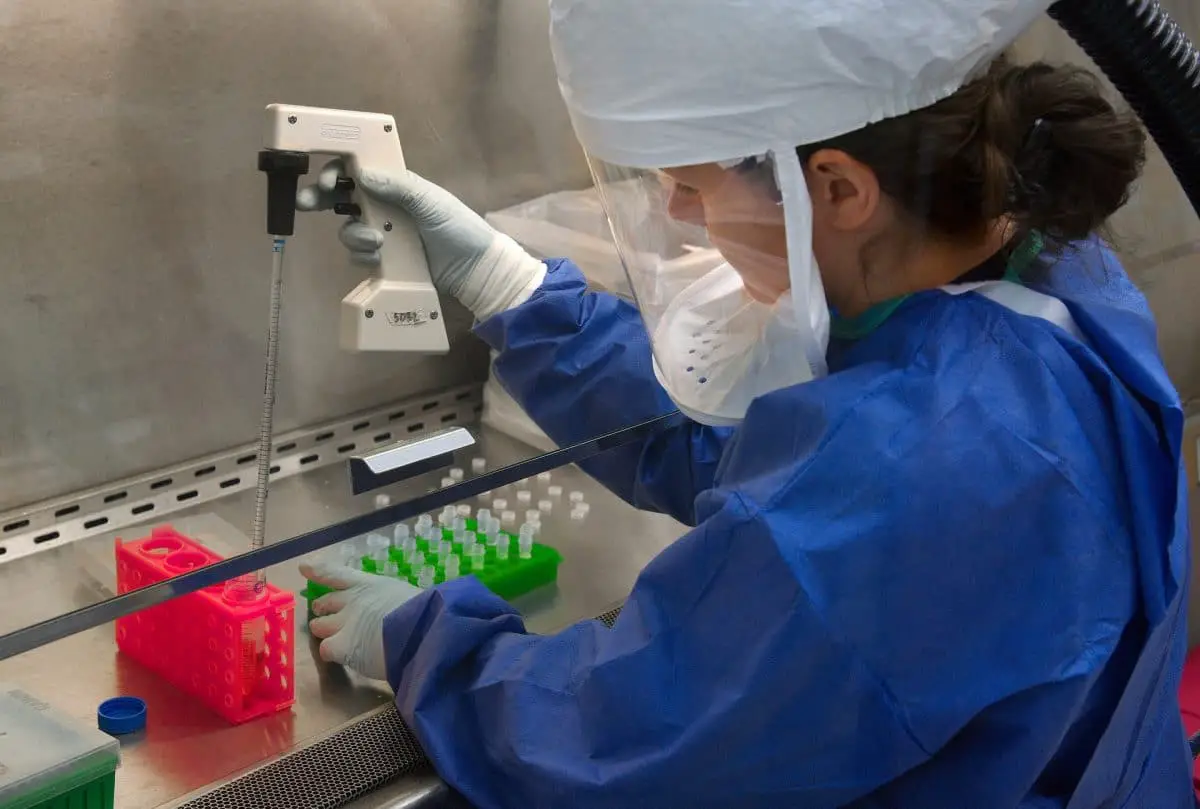
Microbiologists are scientists that study microscopic organisms such as algae, bacteria, and fungi. Most careers in microbiology only require a bachelors degree and there are several fields where microbiology is important. Most microbiologists work in the medical industry, conducting research in a lab setting on different diseases or looking to microscopic organisms to find potential treatments.

This is not the only area of research for microbiologists, however as there are several industries that use microscopic organisms. A microbiologist can find lucrative work in food science or even manufacturing.

If you are considering a career as a microbiologist, focusing on research and writing is important. Research takes up of a microbiologist’s time, but writing is of equal importance. A microbiologist must be able to write about his or her research and also write grant proposals to help fund research projects.

​​Environmental Scientist

​Image Source: ​pixabay.com

Environmental science is an important interdisciplinary field, and biology plays an important part in it. Other aspects of environmental science include: atmospheric science, environmental chemistry, geosciences, and ecology. A degree in biology would be most helpful in ecology, but those considering a career as an environmental scientist would be well served by studying some related fields such as geology, chemistry and meteorology.

Environmental scientists study the environment and work towards producing solutions to environmental problems such as pollution and global warming. As with microbiology, to become an environmental scientist requires only a bachelors degree.

This is a growing industry as concern for the environment and the potential damage mankind has caused, and is continuing to cause, to it continues to grow. An environmental scientist performs a variety of research focused on protecting the environment and enhancing the health of the biosphere.

​​Food Science and Technology

​Image Source: ​​www.flickr.com​​​

When one asks “What can you do with a biology degree?” a career in food science is not often expected as a first response, but a profession in food science and technology can be lucrative as the field is growing. This is a good field to consider if you want to make a real difference in the lives of both people and animals. A food scientist with a biology degree can work to develop new products or sources of food, preserve food, solve agricultural problems, and more.

Many technological breakthroughs in the world’s food supply over the last 200 years have made our food safer and healthier, increasing the shelf life and preventing contamination with microorganisms. Modern food scientists continue this work today, and with advancements in microbiology, scientists are working to create new sources of food that are more environmentally sustainable. A career in agricultural or food science requires only a bachelor’s degree and offers some of the highest entry-level salaries for any career that requires a biology degree.

​​Marine Biologist

​Image Source: ​​www.​pexels.com​​​

Marine biology is often one of the first areas of biological study that most people think about when they consider the question, “what can you do with a biology degree?” This is more than understandable as it combines the allure of the sea with a love of sea creatures. Given the environmental importance of the oceans, marine biology is not only an interesting career but can be an important one in preserving our environment.

Marine biology offers a multitude of different aspects of specialization depending on the organisms studied and even where those organisms live. Marine biologists play a part in the fishery industry as consultants in the energy industry and in environmental protection. A strong background in research, both in the lab and in the field, will help those with a biology degree get a job in marine biology. Volunteer work, research experience, and past work with animals can also be key in finding a career as there is a lot of competition in the field of marine biology.

​​Attorney

​Image Source: ​​www.flickr.com​​​

It might surprise you that “attorney” is an answer the question “what can you do with a biology degree?” but there is a great need for attorneys with a scientific background. The greatest need in the legal profession for attorneys with biology degrees is in intellectual property, specifically regarding patents. Securing a patent on a new drug, biotechnological product or medical instrument is one of the most important aspects in their creation. An attorney with a background in biology will better understand the underlying science of the patents and better to secure it for the researcher who invented it.

Other areas in which a biology degree might come in handy as an attorney is in medical and environmental litigation. Litigation focused on pharmaceuticals and environmental damage can sometimes require expert testimony. An attorney with a biology degree is in a better position to understand, question, or refute the testimony and evidence needed in these types of trials.

That said, as with physicians and surgeons, a career as an attorney requires an advanced degree. While it is a lucrative career path, it might not have as great a growth prospect as other careers. There are a lot of lawyers already, and law schools are reporting record attendances, but a background in biology might make you stand out from the crowd.

​​Science and Health Educator

​Image Source: ​​​​www.pexels.com​​​

Teaching might not be the most lucrative of careers, but it is a rewarding occupation for someone with a biology degree. As a teacher, you’ll help shape the minds of the next generation. This is an excellent career path for those that love teaching or spending time around children. As with many other career choices, there are many specialties in education. You can find a teaching job at the secondary or high school level, become a professor and teach at a college or university, or become a health educator in a non-academic field.

To teach K-12, you will need to complete an education degree in addition to your biology degree. The exact requirements will differ from state to state, but the university where you study biology will have resources available to find the exact requirements for the state where you want to look for a job. Becoming a professor requires higher degrees, but also offers the opportunity for more research and writing than teaching K-12.

​Pharmaceutical and Medical Sales Representative
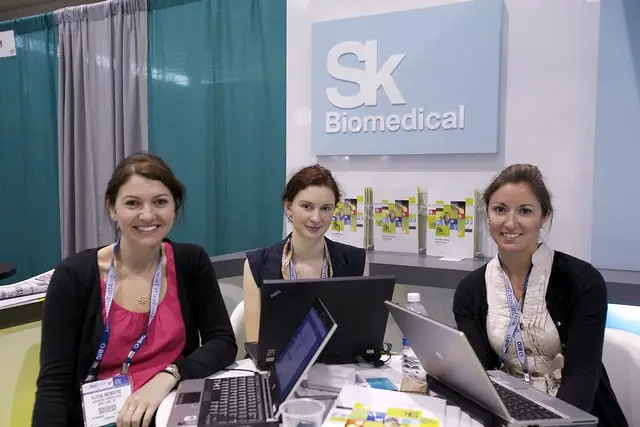
Image Source: www.flickr.com 

​This is another often overlooked answer to the question “what can you do with a biology degree?” Pharmaceutical medical sales representatives sell medicine and medical supplies to physicians, clinics, hospitals and care homes, and a strong knowledge of biology and chemistry is important to help a sales representative communicate the benefits and risks of the products. A bachelors degree is generally required to become a pharmaceutical and medical sales representative. This is a good job for an outgoing person, especially one with a charismatic attitude and the ability to persuade others.

​​Nurse Practitioner and Physician Assistant
​Image Source: ​​​​www.pexels.com​​​

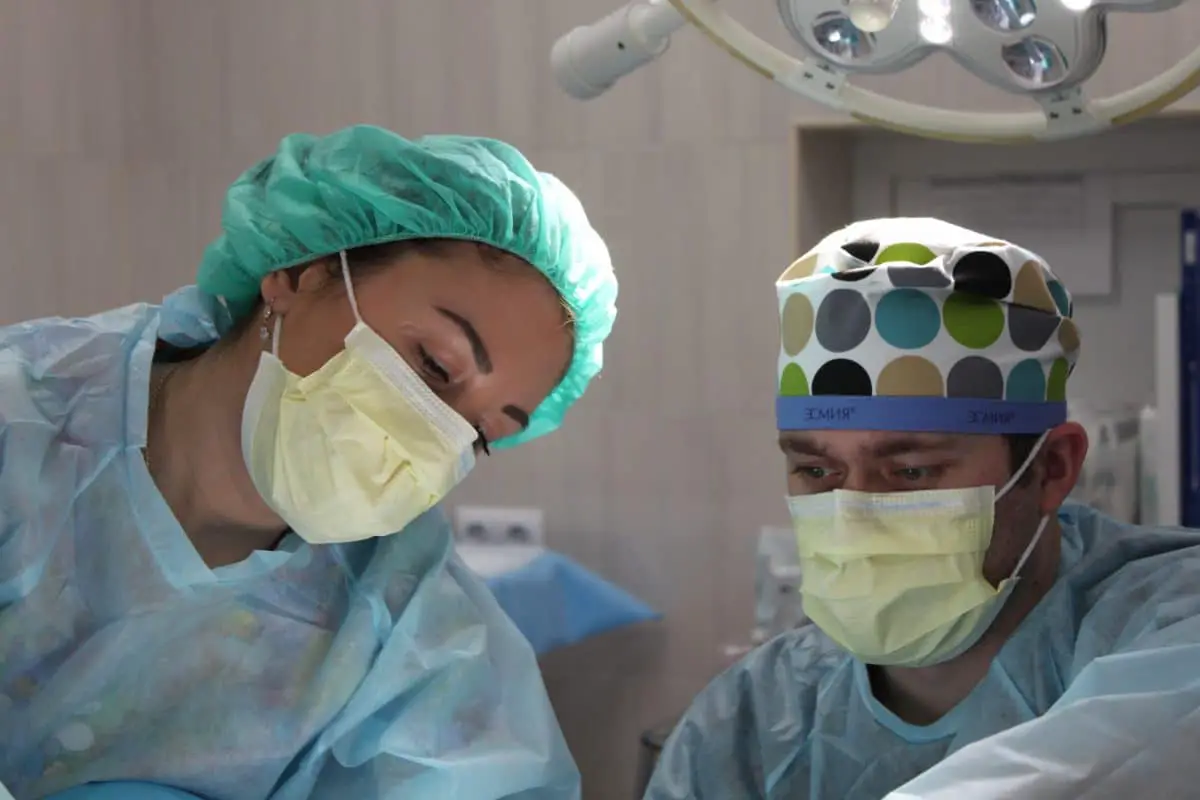
​​​Nurse practitioners and physician assistants are two of the most in-demand jobs in the medical field. They are often at the front line of healthcare service providers. These jobs require some advanced training though not as much as a physician or surgeon. A degree in biology will provide an excellent springboard for that advanced study. Besides a degree in biology, a strong understanding of human anatomy, physiology, and the biological systems will help in both the advanced study required and on the job.As with a physician and surgeon, these jobs can be high stress and deal with situations that might not be comfortable for everyone. That said, they are both lucrative positions and are expected to only increase in demand. These are excellent options for people who want to get into the medical field but do not want to commit to the extensive educational and residential requirements of becoming a physician or surgeon.

​​Writer

​Image Source: www.freepik.com​

​​Writing is one of the other unexpected answers to the question, “what can you do with the biology degree?” but there are several types of writing where a biology degree will aid the writer. The most obvious of these is scientific writing. There are several publications that have a focus on science, and a degree in biology might help you write science fiction as well.If you are considering using your biology degree to pursue a career as a writer, a solid understanding of the English language is important. For more scientific writing, a background in research will give you experience in writing reports and make you a more attractive candidate. For those that might consider a writing career in fiction, creative writing courses will help.

Conclusion

​Whether you are considering studying biology, are currently working toward your biology degree, or you already have one, we hope our list of 10 cool careers that will put your biology skills to the test is answered the question, “what can you do with a biology degree?” and gave you some inspiration for a future career path.
 

Questions To Study For A Brain Anatomy Quiz In AP Biology

Questions To Study For A Brain Anatomy Quiz In AP Biology

human brain

image via: pxhere.com

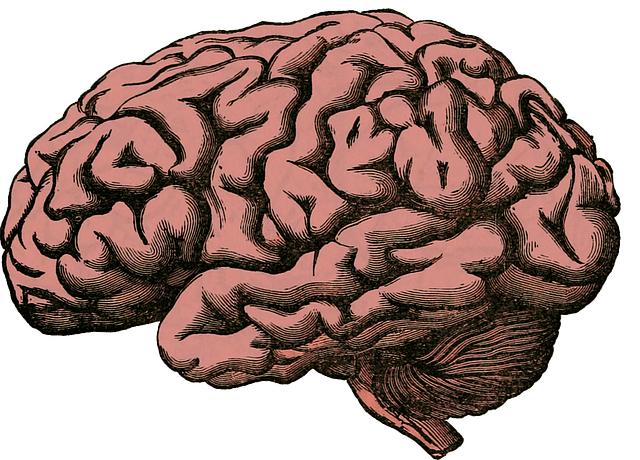
Taking AP Biology? Have a brain anatomy quiz coming soon? We’ve got 17 questions to help you study for it, plus some clever tricks and tips for studying smarter, not harder!

Parts Of The Brain

parts of human brain

image via: pixabay.com

One of the first things you should have to ace a brain anatomy quiz is a thorough grasp of the parts of the brain and each part’s function. Here are some of the questions you might expect:

1. Where Is The Cerebellum Located And What Does It Do?

human intelligence

image via: pixabay.com

The cerebellum is the part of the brain situated at the back of the head. It receives sensory information and regulates your motor movements. The cerebellum also controls balance and coordination, helping you to enjoy smooth movements.

2. Which Part Of The Brain Processes Visual Information?

The occipital lobe lies underneath the occipital bone. It is part of the forebrain (you have two, technically; one at the back of each cortex) and is responsible for processing visual information. Here’s a helpful memory device: the “o” in occipital can remind you of the “o” in optometrist or ophthalmologist.

3. If A Person’s Frontal Lobe Is Injured, What Functions Might He Or She Lose?

person in front of paper works

image via: pixabay.com

The frontal lobe can be found in the front of the brain, in each cerebral hemisphere. A deep groove called the central sulcus separates it from the parietal lobe, and another groove called the lateral sulcus separates it from the temporal lobe. A part of the frontal lobe known as the precentral gyrus contains the primary motor cortex, which controls specific body parts’ voluntary movements.

The frontal lobe is responsible for reasoning, higher order thinking, and creativity, so if somebody’s frontal lobe is damaged, he or she could have difficulty making decisions and reasoning.

4. What Are The Gyrus And Sulcus And How Do They Help The Brain?

Gyrus are the ridges on the brain and sulcus are the grooves (also seen as furrows or depressions). Together, their up and down “motion” are responsible for the folded, “spaghetti” appearance of the brain.

They are, in fact, an extremely clever way of making the most of very limited space. The brain is limited to the area inside your cranium, but the folding of the brain tissue allows a much greater surface area for cortical tissue, allowing additional cognitive function even in a relatively small space.

The human brain begins as a smooth surface, but as the embryo develops, the brain begins to form the deep indentations and ridges we see in the adult brain.

5. What Part Of The Brain Controls The Primitive Parts Of Our Body?

human body with light bulb head

image via: pixabay.com 

Pons is the Latin word for bridge, and that’s exactly what the pons appears to do in the brain, as its physically connected to the brainstem. Like any good bridge, the pons contains neural pathways to move signals to the medulla, cerebellum, and thalamus.

Many of the nuclei contained inside the pons are responsible for relaying signals, as we’ve already described, but other nuclei play roles in primitive functions that we don’t normally consider being within our control, such as respiration, sleep, bladder control, and others.

6. What Is The Corpus Callosum?

The corpus callosum sits underneath the cerebral cortex. It’s about 10cm long and is a thick, tough bundle of fibers that connects the cerebral hemispheres (right and left), enabling them to communicate with each other.

It has over 200 million axonal projections, making it the largest white matter structure.

7. Which Part Of The Brain Is The Newest From An Evolutionary Perspective?

orange and black question marks on a black ground

image via: pixabay.com

The cerebrum is the part of the brain that is outermost. In it, the brain can store memories, call upon senses, and establish self-awareness. High order functioning can also take place here and its known for being larger in musicians and left-handed individuals. It is also considered to be the most recent brain development.

8. How Many Lobes Is The Brain Comprised Of, And What Are Their Names And Functions?

Inside the brain is found the occipital lobe (see question #2), the frontal lobe (see question #3), the parietal lobe, and the temporal lobe. The parietal lobe sits behind the frontal lobe and above the temporal lobe. It is where the body becomes self-aware and plays an important role in language processing.

The temporal lobe plays a role in the processing of sensory input, helping the brain to translate these inputs into meaning. If, for example, you smell apple pie and think of your grandmother, you have your temporal lobe to thank!

9. Which Part Of Your Brain Acts Like A Supercomputer?

human brain as supercomputer

image via: pixabay.com

The thalamus is the small organ at the very center of your brain that acts as a supercomputer or switchboard, relaying signals throughout the brain. It is one of the most important parts of the brain and regulates motor signals, sleep, and consciousness.

Closely related to the thalamus is the hypothalamus, which sits just underneath the thalamus and regulates the pituitary gland and homeostasis.

10. Which Part Of The Brain Helps You Sneeze?

The medulla oblongata (medulla is Latin for “middle”), and the medulla oblongata is located on the brainstem close to the cerebellum. It is responsible for involuntary or autonomic processes, which include vomiting and sneezing. It also helps with breathing, cardiac functions such as heart rate, and blood pressure.

 The Central Nervous System

light bulb in a wooden surface

image via: pixabay.com

The central nervous system is another important subject likely to show up on a brain anatomy quiz. The questions below will help you better prepare.

11. What Is The Central Nervous System (CNS) Comprised Of?

The brain and the spinal cord make up the CNS, which is protected by the skull and the spine’s vertebral canal. It is the command center of the entire body, regulating all activity and processing all sensory inputs.

 12. What Role Does The Midbrain Play In The CNS?

smiling woman

image via: pixabay.com

The midbrain controls visual reflexes (including automatic eye movements, such as blinking and focusing). It also contains nuclei that link parts of the body’s motor system, including both cerebral hemispheres.

13. What Is A Neurotransmitter?

A neurotransmitter is a chemical that a nerve fiber releases when a nerve impulse arrives. It diffuses across the junction or synapse so that the impulse may pass to the next nerve fiber, muscle fiber, or other structure. Both neurotransmitters and inhibitory neurotransmitters are found in the brain.

14. What Is The Difference Between Dopamine And Serotonin?

person head with white question mark

image via: pixabay.com

Dopamine and serotonin are both powerful neurotransmitters. Serotonin impacts your sleep, arousal, hunger, and mood, while dopamine impacts your brain’s pleasure and reward system, your learning and attention, and movement.

15. What Is Glutamate And Why Is It Important?

Glutamate is the most abundant neurotransmitter found in the CNS; in fact, it accounts for more than 90% off all the synaptic connections in your brain! Some parts of the brain, including granule cells found in the cerebellum, rely on glutamate almost exclusively. Glutamate also plays a vital role in memory and learning.

16. Can You Name The Most Common Inhibitory Neurotransmitter In The Brain?

boy with different books

image via: pxhere.com

GABA (gamma-Aminobutyric acid) is the most common inhibitory neurotransmitter found in the brain. It is considered inhibitory because it helps to calm or reduce neuron excitability. This means it plays an important role in calming anxiety. It also is responsible for the regulation of muscle tone.

17. What Is The Neurotransmitter That Triggers Our Fight Or Flight Response?

The fight or flight response is also called the acute stress response or hyperarousal; it is a physiological reaction that occurs when the brain perceives an imminent threat. Epinephrine (also known as adrenaline) is the neurotransmitter most responsible for this response. It can signal an increase in blood flow to muscles and greater blood flow through the heart, among other things (this is why your heart starts to beat quickly when you’re afraid).

The Quick Guide To Studying Smarter

man imaginations

image via: maxpixel.net

If you’re reading this article, you’re already well on your way to preparing for your brain anatomy quiz, but here are a few more tips to help you get the most out of your time studying:

Get Lots of Rest

Sleeping instead of studying sounds counterintuitive, but without sleep, your brain will have a hard time committing what you’ve learned to memory. In fact, one of the best things you can do to prepare for a test or quiz is to get a good night’s sleep the night before!

Use Memory Devices

We’ve already hinted at a few tricks for helping your brain remember facts (did you notice them in the questions above?), but mnemonic devices and facts set to music help those boring facts stick much better than just rote memorization.

Setting the major parts of the brain to your favorite song, for example, can help pique your brain’s interest and increase emotional arousal, increasing your odds of remembering the information!

Finally, make it real. Drawing the brain, using models of the brain, or reading stories about people who have injured certain parts of the brain are all ways to make abstract concepts seem real–and make you more likely to remember them. Good luck!

10 Best Colleges for Biology Majors Looking to Leave Their Mark on the World

An education in biology is one of the most flexible degrees for undergraduate students. When you attend one of the best colleges for biology, your career possibilities are endless; if you aren’t interested in becoming a teacher, researcher, or conservationist, you can pursue a graduate degree, attend medical school, or even start your own biotech company.

FAQs About the Best Colleges for Biology

biology class

Image from Pixabay

An undergraduate degree in biology is a good choice if you want a career in a scientific field. A bachelor’s degree in biology can lead to future graduate studies, but even without an advanced degree, you might get a job as a science writer or research assistant, or in sales and marketing for a scientific company. The specific major you choose will play a role in what doors are open to you after college.

1. Why a Degree in Biology?​

Undergraduates that enroll at one of the best colleges for biology will master the principles that govern life processes at all levels—from molecular and cellular to organismal and ecological. Modern biology is a vast field and has many specialized disciplines, such as ecology, zoology, and astrobiology (to name a few).

college degree in biology

Image from Pixabay

Students that want to contribute to the next wave of life-changing STEM innovations should strive to attend one of the best colleges for biology. In addition to the world-class education you will receive, the best colleges for biology have the faculty, postdoctoral researchers, and alumni that new graduates can leverage to launch themselves into the next phase of their biology career.

2. Types of Undergraduate Biology Degrees

For students at the best colleges for biology, there are many specializations and degree combinations available, including: anatomy, biophysics, cell and molecular biology, computational biology, ecology and evolution, environmental biology, forensic biology, genetics, marine biology, microbiology, molecular biosciences, natural science, neurobiology, physiology, zoology, and many others.Before you get overwhelmed and panic about picking the best combination of courses for your career, rest assured that the best colleges for biology will provide you with the core principles of the science before asking you to choose a specialization area.

3. Career Options for Biology Degree Holders

biologist

Image from Pixabay

Like many other STEM fields, the career options for biology graduates depends on the level of qualification attained. For example, the basic skills developed in an undergraduate program at one of the best colleges for biology are transferrable to many industries, while the most sought-after biology careers will require higher levels of academic study and research.

That being said, careers options for biology degree holders go far beyond the science and health industries. In fact, many students focus on research at academic or private companies, become investigative science journalists, or even join law firms that protect endangered wildlife and the environment. Regardless of your individual career aspirations, a degree from one of the best colleges for biology will provide a solid foundation that will ensure you land in a professional environment that is challenging and rewarding.

How We Reviewed

To help you learn more about pursuing a degree in biology, we picked 10 of the best colleges for biology based on information such as program features, pros and cons, the cost to attend, and the school’s website where you can learn more.

Overall Price Range

price range of colleges for biology

Image from Pixabay

The cost of an education at the best colleges for biology isn’t cheap, but the long-term payoff for your career will be well worth it. On paper, the best colleges for biology we reviewed range from $8,500 to $80,000 a year. However, all the colleges we reviewed actively work with students and families to provide financial aid so that no student turns down the opportunity to enroll because it is too expensive.

10 of the Best Colleges for Biology We Reviewed

  • Harvard University
  • Berea College
  • The University of Arkansas
  • Stanford University
  • Johns Hopkins University
  • Brown University
  • Rice University
  • Princeton University
  • Duke University
  • Vanderbilt University

Harvard University

harverd university logo

Image source: harvard

Features

As one of the most famous education institutions in the world, Harvard University’s Department of Molecular and Cellular Biology is also one of the best colleges for biology. Undergraduate students at Harvard can choose from three biology concentrations — Molecular and Cellular Biology, Neuroscience, or Chemical and Physical Biology — that combine coursework with hands-on research. In addition to Harvard’s research facilities, the school’s biology undergraduates are right across the river from Boston’s biotech startup scene, world-renowned medical centers, and industry-leading science organizations.

Pros

  • One of the “Big Three” Ivy League schools
  • The Coalition, Common, and Universal College Applications are all accepted
  • Famous classmates and well-connected alumni
  • Joint concentrations available
  • Masters and doctoral degree programs also available

Cons

  • Extremely competitive admissions (acceptance rate is only 5%)
  • High tuition costs if you don’t qualify for aid

Berea College

berea college

Image Source: Berea

Features

Proudly called the college that delivers “the best education that money can’t buy,” Berea College is a small private institution that makes a no-tuition promise to every student enrolled at the school. Located in Berea, KY, Berea College’s Biology Department enables biology majors and minors to understand scientific inquiry and introduces them to the major areas of biological science.Qualified students often serve as departmental laboratory and teaching assistants, while others engage in faculty-directed research and independent studies. The core courses for graduating with a Bachelor of Arts in biology are Modern Biology, Experimental Zoology, Botany, Genetics, and Evolution.

Pros

  • No application fee
  • Students are encouraged to study overseas through the Benjamin A. Gilman International Scholarship Program
  • Admissions are fairly competitive
  • Named one of the “Best Liberal Arts Schools” by Times Higher Education

Cons

  • Does not accept the Coalition, Common, or Universal Applications
  • No graduate or doctoral programs
  • Lower than average graduation rates

The U​​niversity of Arkansas

university of arkansas

Image Source: fulbright

Features

The University of Arkansas (often called U of A, UARK, or UA) is a large public research institution in Fayetteville, AR. Besides being the flagship location of the University of Arkansas higher education system, the Fayetteville campus is also home to the J. William Fulbright College of Arts and Sciences and the Department of Biological Sciences. In addition to their coursework, biology majors also take part in many types of research projects—from molecular and cellular biology to evolutionary biology and population ecology.

Pros

  • In-state residents enjoy tuition breaks
  • Bachelor of Arts and Bachelor of Science degrees available
  • Masters and doctoral degree programs also available

Cons

  • Out-of-state students pay more in tuition
  • Does not accept the Coalition, Common, or Universal Applications

Stanford University

standford university

Image Source: biology

Features

Located in the town of Palo Alto in California’s Silicon Valley, Stanford University is one of the best colleges for biology. Stanford’s School of Humanities and Sciences offers bachelor’s, coterminal master’s, and doctoral degrees and all students take part in groundbreaking research and innovations.Biology majors can choose from many tracks, including Biochemistry and Biophysics; Computational Biology; Ecology and Evolution; Marine Biology; Microbes and Immunity; Molecular and Cellular Development; and Neurobiology. Stanford’s honors program allows students to complete a substantial piece of independent Biological research and pursue a specialized field of study within the major.

Pros

  • Access to Silicon Valley and biotech companies
  • An “Ivy Plus” school
  • The Coalition and Common
  • Applications are acceptedBiology minors are available

Cons

  • Tuition and expenses are high if you do not qualify for aid
  • Admissions are highly competitive
  • Palo Alto and the San Francisco Bay Area have one of the highest costs of living in the world

Johns Hopkins Un​​iversity

johns hopkins university

Image Source: Bio

Features

The Department of Biology within the Johns Hopkins Krieger School of Arts and Sciences was one of the first biology departments established in the United States and is home to 27 research laboratories that investigate a wide range of biological problems. In addition to coursework, undergraduates studying biology can earn academic credits by participating in research studies — an opportunity to get hands-on learning experience under the guidance of professors, postdoctoral fellows, and research scientists.Graduates of Johns Hopkins bring their detailed and nuanced view of biology with them to their professional lives, showing superior knowledge at the molecular, cellular, and organismal levels.Johns Hopkins also has a 10-week summer program called BioREU that provides intensive, mentored research experiences for undergrads — especially those attending institutions with limited research opportunities. BioREU is a Research Experiences for Undergraduates Site funded by the National Science Foundation.

Pros

  • A five-year program for a combined Bachelor’s/Master’s degree is available
  • Academic credit is given for research participation
  • The Coalition, Common, and Universal College Applications are all accepted
  • Bachelor of Arts and Bachelor of Science degrees in biology are available

Cons

  • Tuition and expenses are high if you don’t qualify for financial aid
  • Admissions are competitive

Brown University

brown university

Image Source: Brown

Features

The Department of Biology within the Johns Hopkins Krieger School of Arts and Sciences was one of the first biology departments established in the United States and is home to 27 research laboratories that investigate a wide range of biological problems. In addition to coursework, undergraduates studying biology can earn academic credits by participating in research studies — an opportunity to get hands-on learning experience under the guidance of professors, postdoctoral fellows, and research scientists.Graduates of Johns Hopkins bring their detailed and nuanced view of biology with them to their professional lives, showing superior knowledge at the molecular, cellular, and organismal levels.Johns Hopkins also has a 10-week summer program called BioREU that provides intensive, mentored research experiences for undergrads — especially those attending institutions with limited research opportunities. BioREU is a Research Experiences for Undergraduates Site funded by the National Science Foundation.

Pros

  • A five-year program for a combined Bachelor’s/Master’s degree is available
  • Academic credit is given for research participation
  • The Coalition, Common, and Universal College Applications are all accepted
  • Bachelor of Arts and Bachelor of Science degrees in biology are available

Cons

  • Tuition and expenses are high if you don’t qualify for financial aid
  • Admissions are competitive

Ric​​e University

rice university

Image Source: Rice

Features

Located in Houston, TX, Rice University is a private institution and one of the best colleges for biology in the country. Biology majors at Rice concentrate in either Biochemistry and Cell Biology or Ecology and Evolutionary Biology and participate in multidisciplinary degree programs in Biological Science, Environmental Science, and Neuroscience.Research is a large part of a biology major’s life at Rice and areas of focus include animal behavior, biochemistry, biophysics, cancer biology, cell biology, computational biology, conservation biology, developmental biology, ecology, evolution, genetics, microbiology, neurobiology, plant biology, signal transduction, structural biology, synthetic biology, and systems biology.The faculty at Rice University are prominent members of diverse scientific organizations and are routinely recognized nationally and internationally for their groundbreaking research and teaching accomplishments.

Pros

  • Rice accepts the Common Application
  • The Rice Initiative offers free tuition for families that make $130,000 or less
  • Graduate, doctoral, and post-doctoral opportunities
  • An accelerated B.A./M.A./Ph.D. program is available
  • Students can choose from two minors in biology

Cons

  • Expensive tuition if you don’t qualify for financial aid
  • Competitive admissions

Princeton University

princeton university

Image Source: Princeton

Features

Princeton University is a private institution in Princeton, NJ and the school organizes its Department of Molecular Biology into five research areas: Biochemistry, Biophysics, and Structural Biology; Cell Biology, Development, and Cancer; Genetics and Genomics; Microbiology and Biology; and Neuroscience.Princeton’s collegial and interactive environment also makes it easy for Biology students to pursue interdisciplinary interests, take courses, and work with faculty in chemistry, computer science, EEB, engineering, neuroscience, physics, and the Woodrow Wilson School. Upon graduation, Biology majors from Princeton pursue a wide range of careers, including biomedical research, medicine, global health and policy, industry, education, and science writing.Biology students at Princeton can also take advantage of the school’s summer research program in Molecular and Quantitative and Computation Biology (SURP). A collaboration between Princeton’s Department of Molecular Biology, the Lewis-Sigler Institute for Integrative Genomics, and the Genentech Foundation, SURP provides intensive laboratory research experiences to a select group of undergraduates chosen from a nationwide pool.

Pros

  • One of the “Big Three” Ivy League schools
  • The Coalition, Common, and Universal College Applications are all accepted
  • A generous financial aid program allows over 80 percent of undergraduates to graduate debt free
  • World-renowned facilities and instruments

Cons

  • Admissions are extremely competitive
  • Princeton has a high cost of attendance if you do not qualify for financial aid
  • Students not covered by a family health insurance policy must purchase one

Duke University

duke university

Image Source: Duke

Features

Trinity College of Arts & Sciences at Duke University has long been one of the best colleges for biology in the country. Located in Durham, NC, Duke is an elite private institution where biology students combine traditional classroom experiences with hands-on experience in the field and the laboratory — often at innovative companies and organizations right next door in North Carolina’s world-famous Research Triangle.Biology majors at Duke can concentrate in one of 12 sub-fields, including Anatomy, Physiology and Biomechanics; Animal Behavior; Biochemistry; Cell and Molecular Biology; Ecology; Evolutionary Biology; Genetics; Genomics; Marine Biology; Neurobiology; Pharmacology; and Plant Biology.

Pros

  • Duke is often called an “Ivy Plus” school
  • Students are encouraged to study abroad as undergraduates
  • The Coalition and Common Applications are accepted at Duke

Cons

  • Extremely competitive admissions
  • Duke is an expensive school to attend if you don’t qualify for financial aid

Vanderbilt University

vanderbilt university

Image Source: Vanderbil

Features

Located in Nashville, TN, Vanderbilt University is a private institution that offers undergraduates three different majors within biology: molecular and cell biology, ecology, evolution, and organismal biology. Regardless of a student’s field choice, Vanderbilt places heavy emphasis on independent research that is completed alongside course work.Focused areas of research include biological clocks, genome maintenance, small RNAs, protein trafficking, vector biology, symbiosis, social evolution, microbiomes, speciation, brain asymmetry, synapse formation and plasticity, cell migration, and touch, visual, and olfactory sensory systems.Since the Biological Sciences Department shares resources, facilities, and core institutional programs with the Medical School, Vanderbilt biology students often collaborate across different research areas when synergies exist.

Pros

  • Vanderbilt accepts the Common Application
  • Biology is one of the most popular majors at Vanderbilt
  • Students can double major or minor in biology at Vanderbilt

Cons

  • Competitive admissions
  • Tuition is expensive if you don’t qualify for financial aid

The Verdict

While each of the schools on our list has competitive admissions and world-renowned science departments, biology majors will quickly realize that research is a big part of being successful. Schools with large research facilities, like Johns Hopkins and Rice Universities, make it easier for students to pursue advanced projects that would not be possible at colleges with smaller labs. And, like many other majors, proximity to other innovative research organizations (such as Duke and Research Triangle or Stanford and Silicon Valley) can also be the difference between an undergraduate biology student leaving college with valuable experience and landing a job — or not.

When it comes time to make a final decision about which of the best colleges for biology you will enroll at, it is important to consider your own unique values, skills, personality traits, and interests. A school that is a perfect fit for one biology major might not be a good choice for someone else. Remember, education is an investment and you always want to maximize your return; choosing one of the best colleges for biology will open many opportunities after you graduate and embark on your career.

8 Websites with the Best AP Practice Exams

 High school is a challenging time in everyone’s life. And for students enrolled in AP courses, the end of the year is particularly challenging. As high-achieving students gear up for long exams that offer the potential for early college credit, many students are searching high and low for reliable study materials.

One favorite way to practice for an important exam is by taking practice exams. But finding high-quality AP practice exams is challenging. That’s why we curated this list of websites for you. Whether you’re looking for AP Biology practice exams or one for AP Art History, these websites will help you in your quest for a good score.

Why You Should Take a Practice Exam

The best way to gauge how ready you are for an exam is by taking a practice test. While its best to drill yourself with a wide variety of study materials throughout the year, use of a full-length practice test will help you to prepare for the exam in a whole new way. In addition to helping you study, taking a practice exam can offer the following benefits:

  • Enables you to acclimate to the test format.
  • Relieves unwanted test anxiety.
  • Familiarizes you with test content.
  • Offers an opportunity to customize your study plan.
  • Gives testers a sense of readiness.

Practice exams are a helpful tool for getting yourself in tip-top test shape. But don’t forget to apply the knowledge you gain from taking practice tests. For example, if you come across the material in the practice test that you don’t understand, bring it up with your teacher as soon as possible.

girl studying

Source: Pexels.com

Below you’ll find a list of websites that offer AP practice exams in one format or another. Not all of them provide full-length tests, but all of them will help you get ready for your AP exams. Keep in mind, that AP tests are different each year and the practice questions you find online won’t necessarily be the ones you encounter on your exam.

8 Websites with the Best AP Practice Exams

College Board

image by: College Board

If you’re looking for a good starting place when it comes to mastering an AP exam, start with the official College Board website. There are many useful resources available on this website for students who are preparing for any of the AP Exams. In addition to study materials, the College Board website provides all of the information students need about the AP exams.

In addition to general information about each of the AP exams, the College Board website also offers sample questions for curious students. While a limited number of multiple choice sample questions are provided, a wide array of free response questions are typically available. Also, you’ll find a handful of student responses for comparison.

While this website doesn’t provide full-length practice exams, it is a great starting place. College Board is the official company behind all of the AP exams, and therefore the study materials they provide will be most like the AP tests.

APPracticeExams.com

image by: appracticeexams

This website is an all-purpose study site from students preparing for AP exams. From AP Biology practice exams to class notes on Statistics, this website has a little something for everyone. It’s also worth noting that all of the resources on this web page are provided free of charge.

Unlike some websites that maintain their database of practice materials, AP Practice Exams provides links to the best free AP practice exams online. Students love using this site because it is easy to navigate and understand. Parents like this website because all of the materials are free.

While you can find a lot of resources through this web page, it does have its limitations. More specifically, the site is not backed by any testing or tutoring service. This drawback means that you’re on your own with the resources provided. However, for those who are self-driven, this site can be a treasure trove of information.

Also, it’s worth noting that the website is very low-key and doesn’t feature many stunning visual features or modern conventions. However, because the resources are all free, it’s a good option for many.

Albert

image by: albert

Albert is a study and test-prep website designed to help students get the most out of the learning experience. Unlike the sites already mentioned above, the resources available through this website are not free of charge. However, they do offer a comprehensive program for preparing for many of the AP exams.

Pricing for the materials on this website varies by subject area, but for the most part, you can expect it to be relatively affordable. Unfortunately, it doesn’t seem that there are any concessions made for students who can’t afford the costs associated with using Albert.

Albert provides a variety of study materials including practice multiple choice questions, practice free response questions, and at least one full-length practice exam. Additionally, there are numerous study tips and testing tricks to help students make the most of test day. Albert also offers an overview of the core concepts that are tested in each subject.

This website features an attractive and easy-to-use interface that simplifies the study process. However, the fact that you must pay to use these study materials means that many students won’t be able to take advantage of this program. All in all, this is a good website for students whose parents have a little extra cash to spare.

Get A Five

image by: getafive

Get A Five is a web-based tutoring program that is available to students and teachers free of charge. However, unlike some other websites, this one is somewhat limited in scope. But, if your AP class is available, we highly recommend taking advantage of this valuable resource.

Unlike other programs, Get A Five offers a virtual study room, a diagnostic test, practice tests, and video-based lessons. Each program available in this online resource is customized to provide users with the ultimate learning experience.

Despite being limited to the few materials available, this website is an excellent resource for AP students in the classes offered. And, for a small fee, you can have your practice free response questions hand graded. We love that this resource doesn’t cost anything to use, but provides excellent value nonetheless.

Get A Five currently offers four courses for students preparing for the AP exam period. The subjects offered include AP Calculus AB, AP Biology, AP US History, and AP World History. While this selection is limited, it’s worth checking back from time to time to see if new courses become available later on.

High School Test Prep

Highschooltestprep

image by: highschooltestprep

High School Test Prep is another free resource available for students preparing to take an AP exam. The materials available on this website are relatively limited but can prepare you for the general idea of how the test will be. However, it’s worth noting that this resource does not provide full-length exams. Also, it only covers multiple choice questions.

To help students understand the subject area they are testing over, each multiple choice question on this website gives a brief explanation of the correct answer. And while we wouldn’t recommend relying on this website alone, it serves as an excellent way to see where you stand.

After reviewing the materials on this website, you’ll be better prepared to formulate a study plan that will adequately prepare you for your upcoming test. Once you’ve studied the areas that are more difficult for you, use one or more of the other resources listed here to prepare yourself even more.

Study.com

logo

image by: study.com

Study.com offers students a variety of materials for preparing for several different AP exams. They even provide several short practice exams to help you evaluate where you stand concerning the test you’ll be taking later in the school year.

In addition to the short practice tests they offer, study.com also offers test prep services. However, it’s worth noting that these services are not free of charge. Information on pricing is not disclosed without starting a “free trial” so explore these options carefully.

We like that there are several free practice tests available, but the lack of clarity when it comes to plans and pricing seems a bit dubious. Still, if you’re willing to spend a little money, it may be worth it to explore this option.

If you feel that you still need extra practice after thoroughly searching through these websites, consider visiting your local library. There, you may find practice books that contain additional practice questions or exams.

Keep in mind, not all study resources are free, and you should be extremely cautious when choosing how to spend your extra money. Also, always use caution when you have to input a credit card number online. And never purchase online materials without your parent’s permission.

With the resources listed above, you should be well on your way to finding the practice exam that’s right for you. Also, don’t forget that practice exams are only part of the study equation. Remember to brush up on necessary vocabulary and time management strategies as well.

Six Resources with the Best AP Textbook Prices

Advanced Placement classes were once limited to select groups of students, but today, these classes dominate the high school experience. During the 2016-2017 school year, 111,000 students in American schools took the computer science course with a growth of more than 54,000 students from the previous year. We’ve put together a list of excellent resources for finding the best AP Biology textbook prices including some brand-new publishers that focus on cutting the costs of AP courses.

Biology and other sciences are also on the rise. A total of 2.7 million students took five million AP exams according to College Board, the test designer and proctor.

Unfortunately, growth in enrolment hasn’t meant a decline in costs. While some low income students see their test fees covered, recent cuts from the Every StudentSucceedsAct mean that some students need additional dollars.

Finding financially accessible textbooks has never been more critical as more students prepare for more AP tests. Fortunately, these textbooks don’t have to break the bank and with greater student enrolment comes more options for new books.

Six Places to Find the Best AP Textbook Prices

Searching for your AP biology book and think you might get a better price? Check out these resources before placing your order.

[amazon box=”1524757950,1524757969,0133458148,1438079206,0544784685,194755610X” grid=”2″]

Amazon

amazon-logo

image by: Amazon

Buying AP biology test books from Amazon means you have access to almost every brand and publisher imaginable including off-the-beaten-path books. You’re not only offered the most up-to-date editions of each book, but they come in various formats. Both comprehensive reviews and Cliff’s Notes versions of each book are available online.

Why buy Amazon?

Amazon offers excellent back-to-school prices and a simple returns policy. If you’re a Prime member, you’ll also benefit from free, fast shipping.

Additionally, Amazon hosts customer reviews that give you insight into the book. If you’re looking for complete coverage in specific areas or a particular learning style, the reviews section provides excellent coverage of what it’s like to use the book.

Finally, some books come in both used and new varieties as well as Kindle editions, so there are plenty of ways to save extra cash or even get more books.

Google Books

Google_Book

image by: Google books

Buying the digital version of AP books is a great way to save money and make test prep more accessible wherever you are.

Google Books offers a range of AP test prep e-books including AP Biology. Google’s library hosts most of the major test prep brands including:

  • Kaplan
  • Barron’s
  • CliffsNotes
  • The Princeton Review
  • McGraw Hill

There are also plenty of unknown authors that offer a different or cheaper way to study.

You can access Google Books on any device as long as you log into your Google account. You can even use them on your computer if you prefer a bigger screen. Visit the desktop version of the Google Play store for access.

Google Books also offers refunds on unread books. If you find digital versions don’t work for you or you’re one chapter into a book unsuited to your learning style, it’s possible to return it. Visit the My Account section the Google Play store and click the item you want to return.

You may return any e-book up to seven days after buying it. E-book rentals are final sales. If the e-book malfunctions, you may receive a refund within 65 days of the purchase date.

Textbooks.com

textbook.com

image by: textbook

Looking for an AP Biology textbook rather than test prep?

Visit Textbooks.com to search through the vast marketplace of competitively priced books. You’ll find new, used, and e-book versions of most of the primary textbooks all from different sellers.

Type “AP biology” into the search bar to find precisely what you need. When we last looked, 274 results were available and included:

  • Biology (AP 11thEdition) (Mader)
  • Cliff’s AP: Biology (2ndEdition)
  • SparkNotes Guide to AP Biology
  • Barron’s AP Biology
  • Campbell Biology, AP Edition
  • Cracking the AP Biology Exam 2017

Textbooks.com offers the best prices we’ve seen with some books.

While the prices can’t be beaten, it’s good to be wary of buying used books. While used books are ideal, an older book might miss something covered on the test. New books tend to include the latest edition of the test more precisely as well, which helps give you an edge.

eBay

EBay_logo

image by: ebay

If one internet giant comes to mind for textbook purchases, it’s Amazon. But eBay is also an excellent resource for AP biology books. Much of what you’ll find on eBay falls under the category of gently used, but our searches showed that you’re more likely to get the very latest version of the book on eBay compared to other sites.

eBay was partly eclipsed by Amazon because it relied so heavily on seller’s ability to ship things in good time. Shipping was also previously based on zip codes. It quickly made up the bulk of the price on cheaper items.

Today, free shipping is standard on eBay items including on AP history books.

Why choose eBay over Amazon or another used book marketplace?

eBay demands more of a description of the book before posting. Amazon and other sellers tend to note whether the book is in excellent, good, or poor condition. On eBay, sellers indicate the state of the book, but many also describe any damage to the book such as any writing included in the book or if the cover is frayed.

Buying a New Book and Worried About the Price?

If the price of a textbook seems to good to be true, it often isn’t. Bookstores tend to sell U.S. versions of textbooks featuring hardcovers and quality materials. The international version, which is what is usually found significantly cheaper on eBay, is a softcover with cheaper paper. In most cases, the international version is a carbon copy of the same book. Some anomalies arise, but you are likely to see those in the seller reviews.

Regardless of where you buy, double check the edition to make sure it’s not a reprint. Fortunately, most AP course books include the date or version on the cover, so it’s easy to spot in the photos.

OpenStax

OpenStax

image by: openstax

Have you already looked at Barron’s, the Princeton Review, Cliff Notes, and others without finding much success?

AP biology students now have a new option: OpenStax.

OpenStax is a non-profit textbook developer from Rice University. Their goal is to improve access to AP tests, college, and education generally by providing open-licensed college textbooks. Because these books are open-license and OpenStax isn’t out to make money, you’ll receive a high quality, current book for far less money than traditional textbooks.

OpenStax started out providing STEM subjects including biology. Today, they are available for many AP topics including:

  • Biology
  • Physics
  • Macroeconomics
  • SparkNotes Guide to AP Biology

These books aren’t just test prep books. They’re suitable for students taking AP or college courses to prepare for the tests.

The OpenStax Biology for AP® Courses book covers all the requirements of the standard two-semester AP course. It meets core concepts and foundational research and uses the evolutionary lens mandated by AP. The company designed its book not just to meet but exceed the requirements set by College Board, which makes it an essential learning book and an excellent companion to AP study books for those working independently.

HOW MUCH WILL YOU PAY FOR THESE HIGH-QUALITY BOOKS?

Students are expected to pay nothing. These books are free and licensed under Creative Commons, which means everyone has access to them.

Before you worry about quality, don’t. Each book is written by experts in their field. The content is sourced and vetted by peer reviewers, just like the traditional course books you’d otherwise buy.

In 2016 alone, 392,000 students used these books to save a good amount of money. So, head over to OpenStax, and give them a try.

Pearson

pearson-logo

Pearson is an industry-leading education company that publishes books known for their academic rigor. Their AP® Honors & Electives series is no different.Each Pearson book comes with a both an AP Exam Preparation Guide and Test Prep Workbook written according to the College Board course outline. Inside the books, you’ll find:

  • Overview of the program
  • Test-taking tips
  • Strategies for achieving the best score
  • Practice tests

Pearson’s test prep series is competitively priced and maybe even cheaper if you find yourself a promo code.

Are You Ready for Your AP Exam?

[amazon fields=”1438008686″ value=”thumb” image_size=”large”]

AP classes aim to prepare you for the exam, but the help of test prep books and a good textbook are invaluable to the process. While exam prices continue to climb, test prep books remain competitive, and some quality materials are now free to all student.

What books would you recommend for scoring a 5 on an AP Biology exam? Share your favorite study materials and tricks in the comments below.