How the Human Brain Creates Memories and Processes Thoughts

It can be fascinating to wonder about the marvels of the human brain. Unlike most other animals, humans are self-aware. We can think, plan, and recall events that have happened in and around our lives. Despite our incredible capacity for thought, how the human brain creates memories and processes thoughts can still be quite a mystery.

How The Brain is Structured


It’s crucial, to begin with, the basic structure of the brain to start to understand how the human mind creates memories and processes thoughts. For the most part, animals all have relatively similar brain form. In this essential form, the innermost parts of the brain are the oldest in and have not changed much over years of evolution.

These inner parts of the brain control our most basic survival instincts such as breathing, resting, moving, and feeding. As you move away from the spinal cord, additional layers provide the capacity for higher thinking and better memory. In humans, our outermost layer of the brain is called the cerebral cortex, and it is incredibly sophisticated.

With such a highly developed outer brain layer we are capable of much more than the most basic survival functions. For example, humans frequently develop intricate social networks,  can retain memories for long periods of time and can experience emotions.

How We Form Thoughts

How The Brain is Structured
Photo credit to Searchgi.com

Moving forward from the underlying structure that allows for the formation of higher thinking patterns, we delve further into how thoughts are processed. The brain is composed of specialized cells known as neurons and support cells called glia.

As you probably know, neurons are the cells most commonly associated with the nervous system. However, it is important to note that without glial cells, the neurons in the brain would not be able to function at all. Many different types of glial cells exist in the brain and provide numerous benefits to the neurons.

Glial Cells

delveinsight.com
Photo credit to delveinsight.com

More specifically, glial cells provide the following benefits to neurons:

  • Guide Developing Neurons to Their Destinations
  • Protect Neurons from Harmful Ions and Chemicals
  • Provide Myelin Sheaths Around Axons
  • Modulate Communication Between Nerve Cells

As you can see, these lesser-known cells are incredibly crucial to a fully functioning human brain. In fact, without these essential support cells, humans would not be capable of processing thoughts or forming memories.

Neurons

Neurons Brain
Photo credit to Why mindbodycoach?

Neurons are the specialized cells that receive all forms of sensory input from the external world and communicate that information to the body and brain. Compared to other types of cells, neurons have a unique tree-like shape that fosters the work of delivering information throughout the body.

While much is unknown about the inner workings of the brain, scientists have discovered that neurons behave in a pretty specific manner. There are three main parts to each neuron; the cell body, the dendrites, and the axon. When exposed to an electrical impulse, information moves from the dendrites to the cell body and then to the axon.

Once the electrical impulse moves to the end of the axon, it reaches the synapse. Here the signal moves from one neuron to the next by way of a neurotransmitter. The neurotransmitter stimulates the next neuron, and the process begins again.

When neurons absorb information from the wide variety of stimuli we come in contact with every day, billions of connections can occur through the neural pathways described above. These connections are what lead to our perceptions about the world around us. Furthermore, these connections work together to create our thoughts.

But what happens after the brain has “processed”  thought in this manner? Does it all just end there?

How We Store Thoughts

Store Thoughts Brain
Photo credit to Braintoss

Now that we have outlined a basic understanding of how thoughts come to be, we can continue to work out how the human brain creates memories and processes thoughts. It’s important to understand that neuroscience is a very complicated discipline and is not entirely understood by researchers as of yet.

Most people understand that the process of storing thoughts is what we refer to as memory. However, a much smaller number of people have any real understanding of how our brains take seemingly “simple” thoughts and turn them into memories.

To start our discussion, we will begin by saying that memory, unlike other attributes of the body, is not a defined part of the body. Instead, the word memory refers to the elaborate means of remembering.

A wide array of models have been used to describe the way that memory works in the human brain. However, current researchers are quickly finding that these simplistic notions regarding memory are nowhere near as sophisticated or elusive as the human memory. Today, scientists are finding that it is made up of a complex web of cells placed explicitly around the brain.

Short-Term Memory

Short-Term Memory Brain
Photo credit to The Hearty Soul

Most people have heard the term “short-term memory” at one point in their life or another. However, only a handful of people can give an accurate description of what short-term memory is.

To begin our discussion, we’ll note that short-term memory is also known as active or primary memory. As these names imply, short-term memory is something that we use in our present state of being. Furthermore, it is worth noting that short-term memory is limited in both duration and number of items held.

For most functioning brains, the short-term memory lasts between twenty and thirty seconds. Sometimes this time frame fluctuates in either direction depending upon the circumstances under which information is received. Typically the average human brain can hold between four and nine items in short-term memory.

Long-Term Memory

Long-Term Memory Brain
Photo credit to Lumen Learning

In contrast to the fading short-term memories that we dispose of quickly, the long-term memory seems to be unlimited regarding the number of items stored. Additionally, long-term memories are typically stored for much more extended periods of time, usually many years. But how exactly does the human brain move items from short-term memory to long-term memory?

Most people are vaguely aware that there are a variety of techniques for committing specific information to memory. For example, people tend to “chunk” information into smaller parts of a larger whole to memorize it. Also, it is common to use rehearsal as a means of committing short-term memory to long-term storage.

Despite the knowledge of these memorization methods, the specific science behind “converting” short-term memories into long-term memories is not well understood. Several working theories try to explain the precise mechanisms of memory. Each potential philosophy is unique, and this particular subject is a matter of much scientific controversy.

Memory Loss and Difficulty

Memory Loss and Difficulty
Photo credit to UConn Today

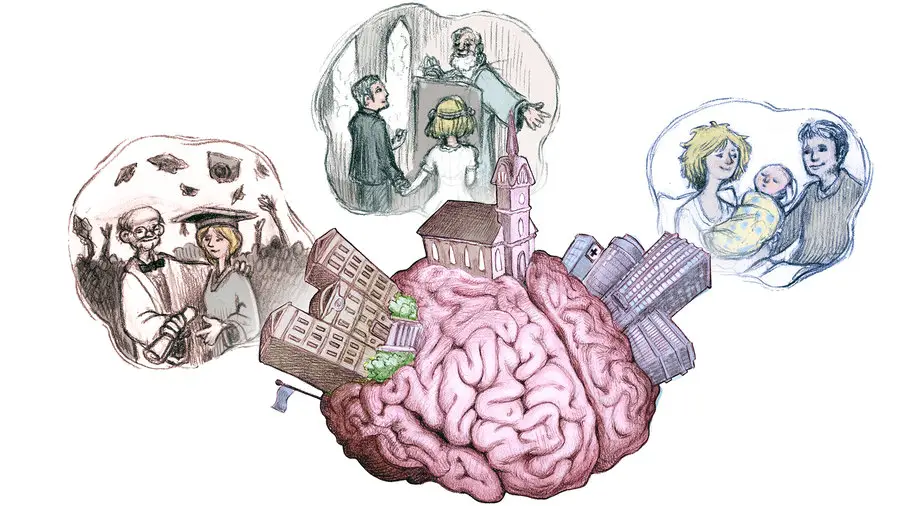
It’s no secret that just as our brains have an incredible capacity to process information and develop memories, they also can “lose” memories. Injury, trauma, and certain illnesses can all affect the way we remember things and even make it seem that certain memories are gone for good. But what exactly happens when we “lose” a memory?

Because the mechanisms regarding thoughts and the way we store memories are not very well understood, it is difficult to say what precisely happens when we forget something. In some cases, memory loss seems to be temporary while in others it looks more permanent. By examining the different causes of memory loss, we can gain some useful insights.

Retrograde vs. Anterograde Amnesia

Memory Health Tests for Everyone
Photo credit to Memory Health

In movies that feature patients with amnesia, it’s often the case that these characters cannot remember their past. This type of amnesia is medically known as retrograde amnesia. Retrograde amnesia can be caused by disease or injury and deals explicitly with memories stored before illness or injury. The ability to learn new concepts is generally not affected.

In contrast, anterograde amnesia preserves old memories and prevents the development of new memories. Because of the mystery surrounding how the brain stores memories, anterograde amnesia is very difficult to understand. Additionally, this type of amnesia provides a wide array of questions regarding how memories are formed and stored.

Dementia and Alzheimer’s Disease
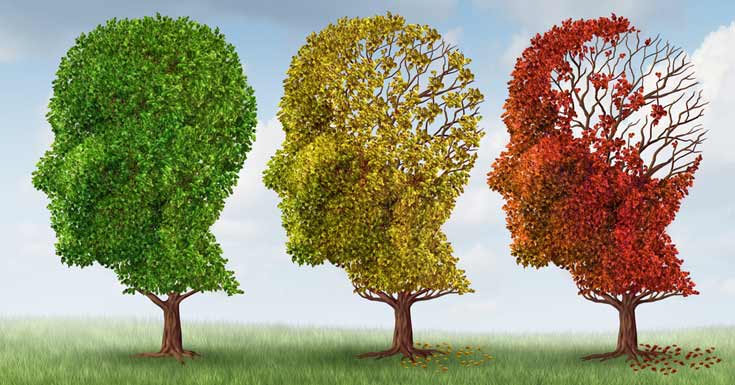
Dementia and Alzheimer's disease
Photo credit to Consumer Health Digest

The term dementia refers to a group of diseases that cause a slow decline in the ability to think and recall past knowledge. Alzheimer’s disease is the most common disorder associated with dementia and also the most common cause of it.

Despite Alzheimer’s disease causing the majority of dementia cases, there are several other causes of dementia. Some of these causes are reversible, suggesting a high degree of plasticity in the brain. However, there is no defined cure for Alzheimer’s disease or dementia in general which highlights our general lack of understanding of the human mind.

Overall, the mechanism that dictates how the human brain creates memories and processes thoughts are complicated. Neuroscientists are continually researching new theories and challenging previous notions regarding the human mind.

As new technologies develop, scientists have high hopes of gaining a better understanding of the brain and all of its intricacies. However, until we can understand the subtle processes that create our ability to think and store information, it is unlikely that we will gain a better understanding of diseases that affect our ability to create and access our memories.

Biology, Babies and Serotonin

The Abnormal Biology of A Baby

Joseph was an unhappy baby. He didn’t sleep for long periods and appeared to cry all a time. He’d best if he had been held and rocked, or walked. He spit after feeding and was negatively compared to other babies in the family. His parents gently called him their “high care” child. He developed a few ear ailments that were treated with antibiotics. With the second antibiotic he obtained, he developed a rash. His doctor said he had been allergic to amoxicillin and put him on another antibiotic. He got over the ear infection, but continued to become whiny and had nausea.

After a different antibiotic he developed a white coat on his tongue which the doctor called thrush. As he grew, it became evident that he was intolerant to a foods. Milk gave him a stomach ache with pain and gave him a rash around his mouth area. He continued to be plagued with trouble falling asleep, tummy aches, frequent canker sores, and bed wetting as he grew older. He had more unusual fears than his sisters and brothers. When he started college his mother noticed his memory wasn’t as great as his sisters. He’d find something one day and have forgotten it the next.

Occasionally he looked like quite robotic.  Often times he seemed spacey while a lesson has been exhibited or when asked a question through the day. When a lesson or project became difficult for him, he became frustrated very easily over and would flare up or cry.  Josephs mother had been at her wits end trying to figure out how to help him. She’d tried rewarding, cajoling, punishing, and avoiding doing homework entirely. Nothing appeared to change his attitude towards studying or his capability to do it easily. He did enjoy the avoidance of college work, however, like we all do. As it turns out, Joseph was probably suffering from a deficiency of the brain neurotransmitter serotonin.

The Solution

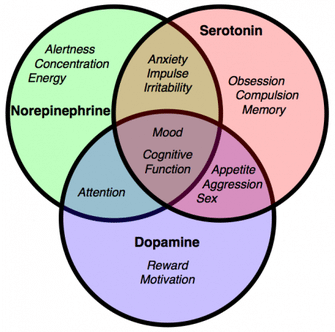
Serotonin is the brain chemical that keeps us focused, instills a feeling of well being, and helps us fall asleep easily. How had he gotten this deficiency in serotonin?  Dr. Michael Gershon, a neurobiologist and physician Researcher at Columbia University in NY, discovered that 95% of serotonin is produced in our gut. Gershon has a book called The Second Brain wherein he describes this complex relationship between gut and brain functioning.

How was Josephs gut health endangered to a point where he could no longer make enough serotonin to keep him feeling good? We have both yeast and healthful bacteria in our intestines. When the mother takes an antibiotic when she’s pregnant or the kid takes an antibiotic, the yeast in the intestine begins to overgrow since the good bacteria in the gut is eliminated and the bad bacteria which was causing the ear or other infection is increased.

So as it turned out, if the measures to detect low serotonin were in place, Joseph could have avoided a lifetime of pain and confusion.  Over times, when it comes to Biology, if one chemical is out of wack, it can alter someones life to extremes.

No Major Variation in GIT Evolution of All Animals from Fish to Humans

Introduction

Studies on the evolution of the human Gastrointestinal Tract (GIT) have shown evolutionary traits that are similar to those of fish and other related vertebrates. This study has shed light on GIT illnesses related to the intestines and digestion, such as obesity, Irritable Bowel Syndrome and Diabetes, just to name a few. These findings were published in the PLOS Biology Journal on Tuesday 29th August 2017.

Senior researcher and author of the report, John F. Rawls, a molecular genetics and microbiology associate professor at the Duke University School of Medicine said that the results of the study suggest that fish, humans and related vertebrates share a common evolutionary path when it comes to the GIT, and that answers to some of these illnesses could be found in further study of these animals. The genes associated with the illnesses described above can be turned off and on, and therein lies the treatment and cure.

Penis Worm Priapulids GIT Evolution

Supporting evidence from the sea

Another study of the enigmatic marine Penis Worm (Priapulids) shows that the same genes may be the ones that control the development of the GIT beyond mere vertebrates. Dr. Andreas Hejnol, a researcher at the Sars International Center for Marine Molecular Biology said that it was a surprise to find that Priapulids for the gut in much the same way as starfish, sea urchins, fish frogs and humans.

This shows that different organisms for the GIT using the same genes and this development are more than 500 million years old. The results of the study were published in the Current Biology journal on 25th October 2017.

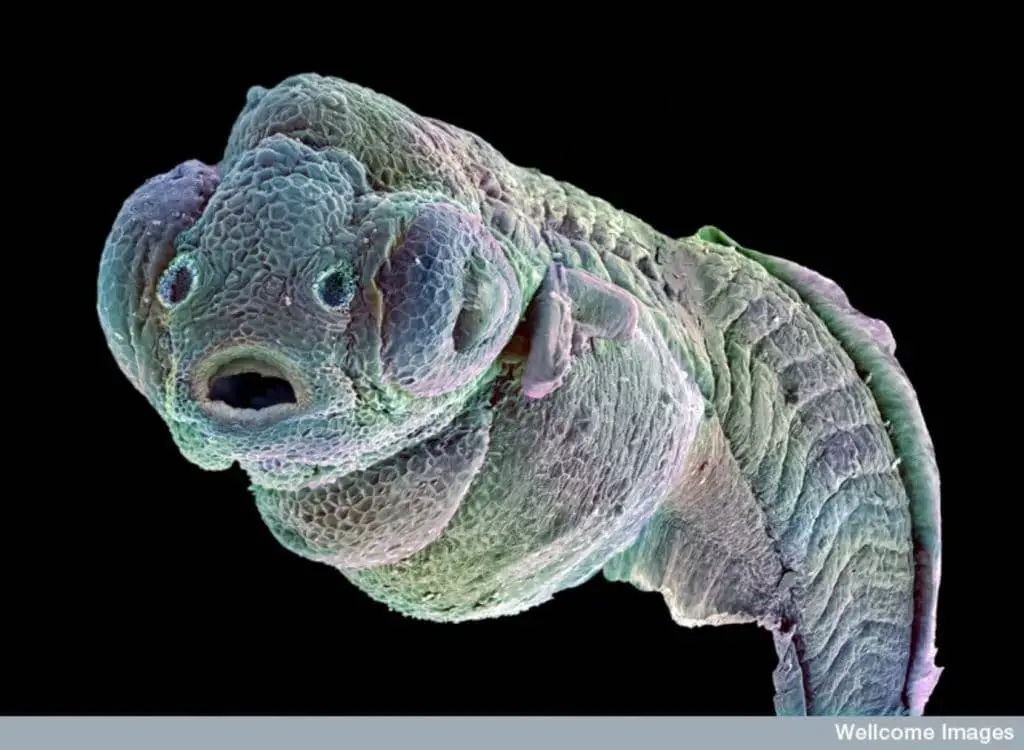
zebrafish

Reasons why the study of the evolution of the GIT is so important

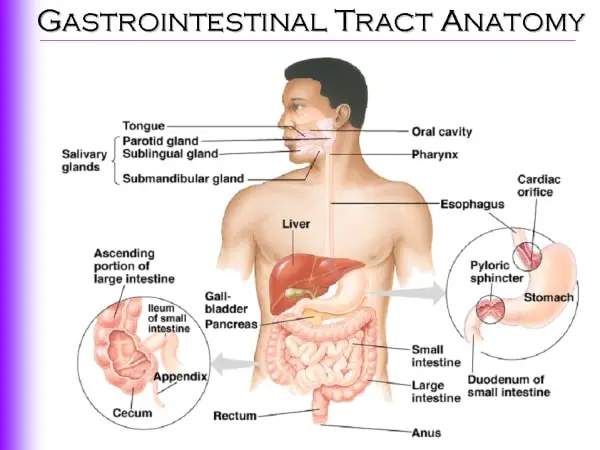
The GIT is central to several important functions in all vertebrates. Primarily it digests food and absorbs nutrients, but it also processes toxins and drugs, stimulates the immune system and provides protection against the bacteria that could be harmful were they to enter the blood stream and other organs.

It has been indicated that some defects in the epithelial cells of the GIT are the root cause of colorectal cancer, infectious diarrhea, malnutrition, food allergies, obesity, diabetes and inflammatory bowel syndrome.

For a long time, scientists have comparatively studied higher vertebrates to find answers to human diseases, but the link across species had never been clear till now.

stickleback fish GIT evolution

Further study into the evolutionary paths of distant species

Colin Lickwar, another associate researcher and lead author, together with colleague have studied four species with distinctly different evolutionary paths to see if there are similarities in the evolution of the GIT. These species, humans, mice, zebrafish and stickleback fish have shown an oddly similar activity level of all their genes, and specific gene sequences in the same location which could be switched on and off.

Much to his surprise, Lickwar found that there was an amazing similarity between vertebrates. There was an intestinal epithelial sell structure that shared patterns along the GIT. These genes have been identified as causal to several human illnesses. If a control was to be found in one species, could it also be applied to another species, say human beings?

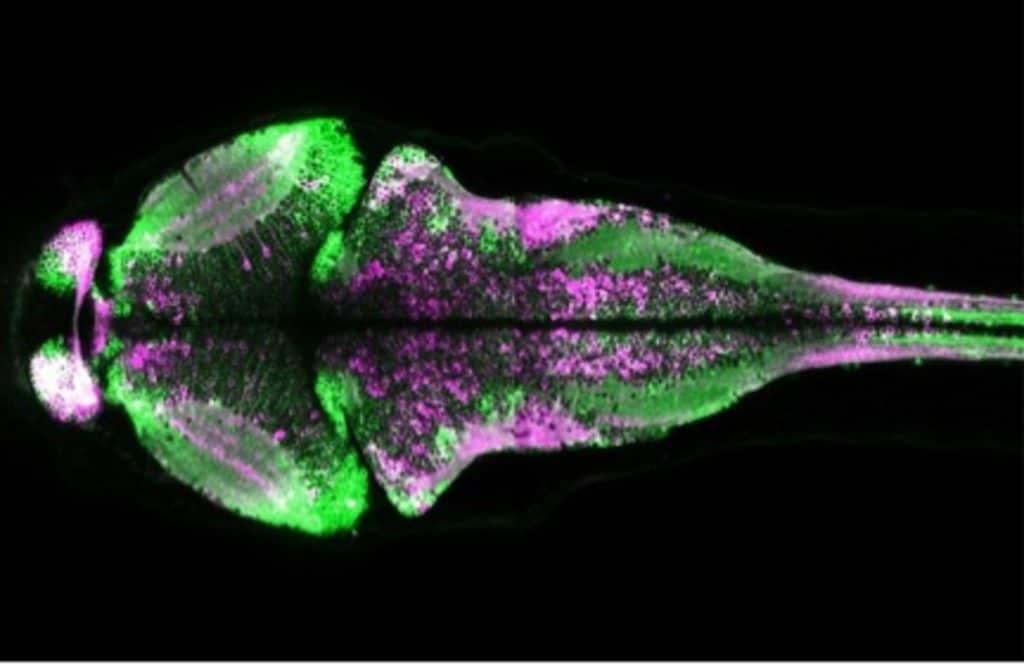
zebrafish flourscent

Implications in tackling human diseases

Human illnesses caused by the GIT have baffled scientists for a very long time. The results of this study have implications for the treatment of these diseases. The study of how fluorescent proteins were switched in the transparent zebrafish, could yield results that could be transcribed to humans.

Should treatments in these other species work, then scientists will only be a few steps away from finding treatments and cures for the diseases mentioned above. A lot of study still remains to be done, but this is one of the closets that researchers have been to finding a cure for diseases such as diabetes, which are difficult to manage, among many others..

GIT human

Conclusion

The similarity in the GIT evolution of humans and other vertebrates is similar, and has been so for hundreds of millions of years. The ancient gene responsible for the development of the Gastrointestinal Tract is similar in all the animals studied and these can be transcribed to other animals as well. It therefore remains to be seen whether treatment of certain conditions in other species can be related to treatments for the same conditions in humans. Perhaps, illnesses like diabetes will be a thing of the past, thanks to the innovative studies conducted by these scientists.

The study conducted with other organizations has shown that organisms completed unrelated to each other along the evolutionary pathway could hold answers to illnesses and conditions that seem to have no treatment or cure. This is probably the beginning of an alternative way of looking for cures to various human illnesses.

The research was done as a collaborative effort between the Sars International Center for Marine Molecular Biology, the Duke University School of Medicine and the National Institutes of Health.

The Spider Silk Protein May Lead to Generation of Artificial Heart for Humans

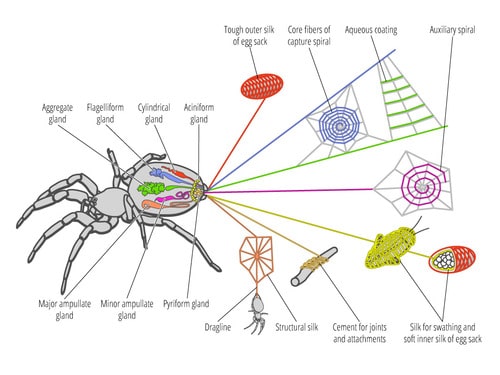
The biocompatibility, biodegradability and strength of spider silk are some of the properties that have excited researchers on the possibilities it provides.

This is a protein-based compound that does not cause any adverse allergic, immune or inflammatory reactions in humans. Recently, recombinant technology has enabled scientists to manufacture spider silk, and there is a race to see what uses it can be put to.

A research team in Nottingham was able to use the silk to manufacture a biodegradable mesh that can accomplish two tasks at the same time. Firstly, it can be used as a replacement for the cellular matrix that is generated by human cells. This will help in the growth of new tissue, and is great for healing purposes. The matrix can also be used for making slow release antibiotics.

These developments show the immense possibilities of creating wound dressings from spider silk, which will help the wound to heal faster through the acceleration of tissue growth and also the slow release of the necessary antibiotics.

spider silk

The medical history of spider silk

For centuries spider silk has been used for medicinal purposes, but this history has not been properly documented. The Romans and Greeks used spider silk as a battle ground dressing when their soldiers were wounded. The methods used was quite ingenious. Deep cuts were washed out using a mixture of vinegar and honey, and then the wounds were packed with balls of spider webs.

Shakespeare also mentions this amazing healing power of spider silk in Midsummer Night’s Dream: “I shall desire you of more acquaintance, good master cobweb. If I cut my finger, I shall make bold of you” said the character called Bottom.

The development of spider silk in modern medicine

It took about 5 years for the research team at the University of Nottingham to develop a means by which chemically functionalized spider silk is created. The spider silk can then be used for a wide range of wound healing, tissue regeneration and drug delivery purposes.

A technique known as “click-chemistry” is used to attach molecules to the silk. These can then be slowly released from the silk over a long time. In the case of antibiotic delivery, they added the antibiotic levofloxacin to the spider silk, and this was released slowly for a period of 5 days. This means that when used to dress a wound, the wound is kept safe from infection for 5 days, before the dressing is changed.

Spider silk and cardiac tissue generation

Following these amazing discoveries, more research into spider silk and other artificial silk products went a notch higher, aiming at generating cardiac tissue. The protein that gives spider silk its mechanical stability has demonstrated excellent suitability for application as a scaffolding material in the generation of cardiac tissue.

Prof. Dr. Thomas Scheibel of the University of Bayreuth has produced silk from garden spiders in quantities that are large, and constant qualities thank to the use of E. coli bacteria.

Moving on, the research continued, with the collaboration of Jana Petzold, to apply a thin layer of silk protein on a glass slide for observation. They were able t focus on the functionality of cardiac ceils and came to the conclusion that there were no functional differences between the two.

They showed that hypertrophy, a condition where the heart ceils get enlarged especially in pregnant women and athletes could also manifest within the cardiac cell grown on a thin layer of fibronectin, derived from spider silk.

Spider silk protein

What are the implications of these studies?

If spider silk can be used to generate cardiac tissue, then some time in the future, artificial hearts could be available for transplant to people with cardiac conditions. This is something that has excited the medical fraternity given that cardiac illnesses are on the increase.

More people all over the world are suffering from cardiac conditions, even if there have been great strides in preventing and slowing down damage to cardiac tissue. Cardiac tissue does not naturally regenerate and when there is an irreversible loss of tissue in the heart, its functioning is affected.

Currently there is no treatment for this king of tissue loss, and the research into the use of  spider silk to create cardiac tissue has promising results.  The artificial silk protein that is made within a lab environment can soon be used to make cardiac tissue in high volumes and help people with cardiac tissue loss, or ischemic diseases.

Apart from cardiac tissue, the other tissue regeneration properties of the protein could have immense implications on the treatment of diseases that attack the body cells. E.g. Lupus. A lot is yet to be learned about the full potential of spider silk in modern medicine but the outlook is positive and excitingly full of possibilities.

Researchers Literally Reach for the Moon in Search for Parkinson’s Disease Cure

Researchers believe that the cure for Parkinson’s disease may be found by conducting their experiments in microgravity environments in space. One of the key Parkinson’s Disease proteins, called LRRK2, will be sent to the International Space Station for further study. Researchers say that microgravity conditions found in space will provide an optimal environment for conducting their experiments on this protein. All materials for this project will be sent to space aboard the SpaceX Dragon capsule. They will be sent together with supplies and other science experiments to the International Space Station. The Michael J Fox Foundation, whose founder also suffers from this disease, is collaborating with the Center for the Advancement of Science in Space to find a cure for this disease.

More about Parkinson’s disease and the myths surrounding it

Parkinson’s disease is fraught with many myths about who can get it and why. We look at one famous personality who suffered from the disease and how his experiences clear the myths about the disease.

Maryum Ali, daughter of World-Famous boxing champion Muhammad Ali, says he was just “Dad” to her, and had to watch him transform from boxing champion to the most famous face of Parkinson’s Disease. Mohammad Ali was diagnosed with the disease almost 30 years ago, and later died a hero for having battled it for so long.

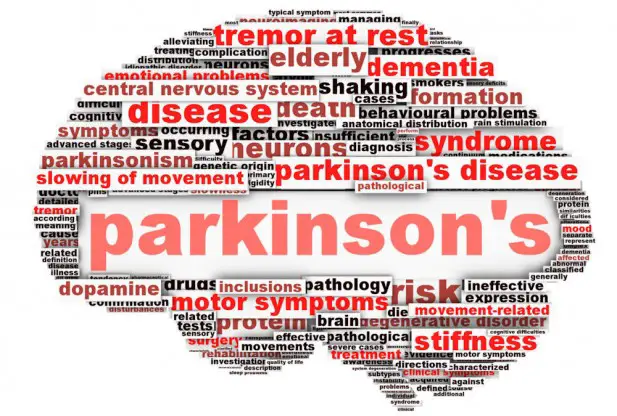
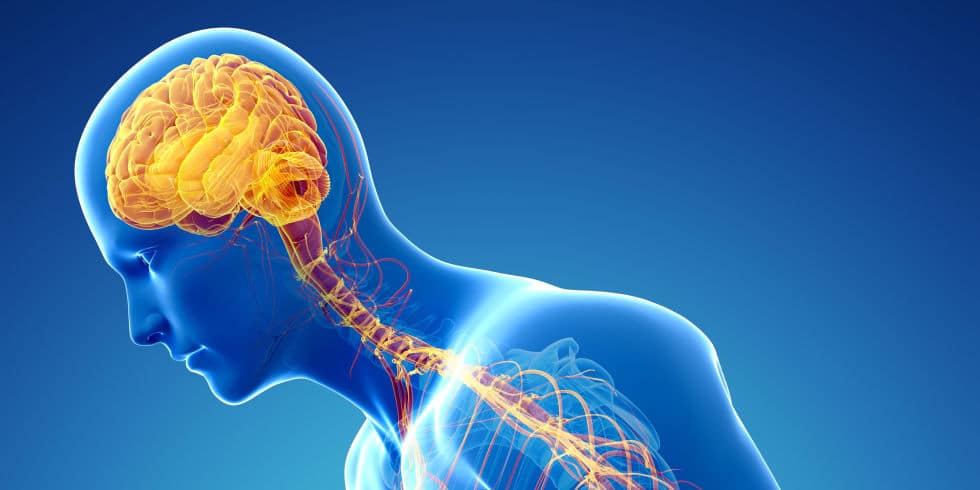
Parkinson’s Disease comes from the loss of the brain cells responsible for Dopamine production. The disease is characterized by impaired balance, rigid muscles, tremors and loss of memory and cognitive brain function.

When Muhammad Ali was diagnosed, there was very little information about the disease, which left doctors bewildered and at a loss of how to manage or cure it. A lot of myths were raised at the time, and some are still lingering to this day.

parkinsons disease Myth Number 1 – Parkinson’s disease is for older people
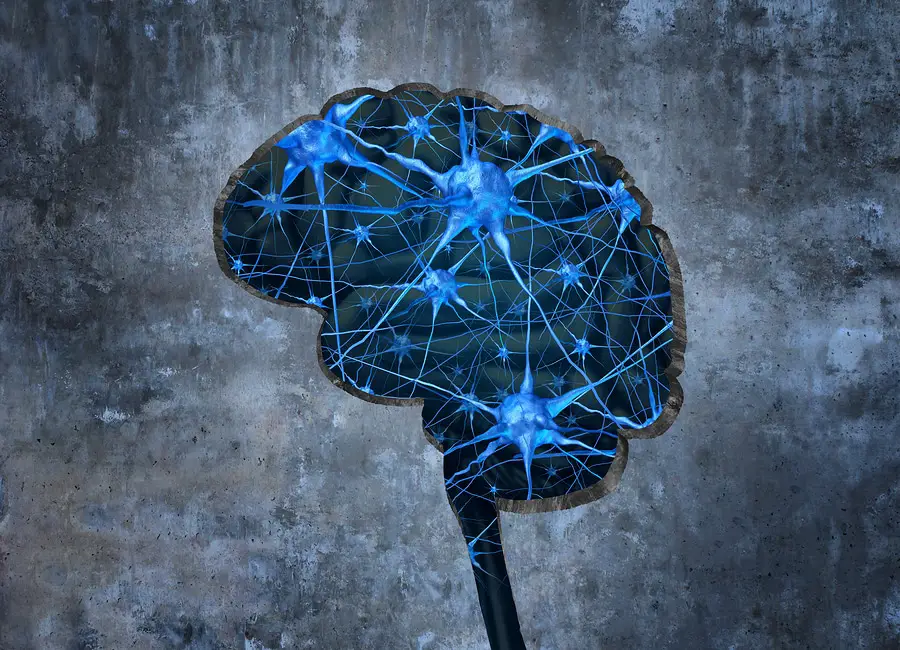
There is some truth in this myth, because the disease mostly affects people at around the age of 80. However, 10 percent of all people affected by the disease are under the age of 40 (data from the National Parkinson’s Foundation); young people are increasingly being diagnosed with the disease.

Myth Number 2 – There is nothing that can be done once a person is diagnosed with Parkinson’s disease

People have always seen the disease as one that has no cure or management; this is not true. There are several ways in which you can effectively manage the symptoms of Parkinson’s Disease. In Ali’s case, exercise helped a lot in keeping the disease at bay for longer.

The Geriatrics and Gerontology International journal published findings from a study which showed that Parkinson’s Disease patients who exercised for just one hour a week showed a marked improvement in their day to day activities. They were compared to a control group that did not exercise at all.

Brain stimulation treatments are another option that can help. Basically, a patient should look for an expert who can do an evaluation and then provide a solution. There is always hope for people with the disease.

Myth number 3 – Parkinson’s disease is genetic

Only 5 percent of the people diagnosed with Parkinson’s Disease exhibit a genetic history of the disease. Scientists do not know what causes the disease, although they have shown that genetics do have a role to play. According to the National Institutes of Health, chemicals within the environment may be the main culprits in the development of this disease. There are inflammations and viruses which have also been linked to the disease.

What to take home about the myths is that Parkinson’s disease can be found in younger people, and there are many options available for the effective management of the symptoms.

parkinsons disease

What will happen in space?

The protein LRRK2 has the ability to modify other proteins. It is the mutations found in the genetic code in the LRRK2 protein that is thought to cause the disease in some individuals. Researchers are looking into the development of drugs that will inhibit or fully block the activity of this protein, so they can stop the disease from developing or slow its progress once it has manifested in a patient.

However, the knowledge of the precise structure of this protein is crucial to the development of such drugs. It is necessary to grow the crystals of LRRKS in lab dishes in order to get a detailed view of its structure. They have come to the conclusion that the gravity on Earth will affect the growth of the crystals and make them too small for effective study, hence the need to conduct this part of the research in space, under microgravity conditions.

One researcher from the University of Oxford, Sebastian Mathea, says that the quality of crystals grown under the gravity of earth is not good enough for effective study. He mentioned this at a press conference about the project on August 8th 2017.

This is why it is necessary to conduct the experiment on the International Space Station. The belief is that the microgravity conditions at the International Space Station will allow the crystals to become larger and have fewer defects. This way, they will be able to get a sharper, more-detailed look into the structure of LRRK2.

Mathea went ahead and said that the crystals will be grown in space for about a month, before being sent back to earth for analysis. The analysis will be done using high-energy X-rays.

According to the Michael J. Fox Foundation, there is no current treatment to stop or reverse the progression of Parkinson’s Disease. The disease is a progressive neurological disorder and causes difficulty in movement, tremors, sluggish speech, and muscle stiffness.

If the study is successful, humanity will be one step closer to finding a cure for this debilitating disease, and give hope to millions of sufferers all over the world.