
We all know plants require sunlight, micro nutrients, macro nutrients and CO2 to grow healthy. However, very few know that there is an optimum amount for each to ensure a healthy growth for plants. If one is far less than the others, while growth may occur, it certainly wouldn’t be the healthiest way. Balance is the key here. If you’re planning to have plants in your aquarium to provide the best environment you can for your fishes, then you need to know more about this. Let’s break down these important factors:
Sunlight/Lighting
Light is an essential factor needed for chemical reactions to occur in plants without which, they wouldn’t be able to produce any food. The absence of light leads to the certain death for plants. To ensure the best possible growth for your plant, you need to know the correct spectrum of light that is required. Plants utilize light in the blue and red spectrum best for growth. However, as far as aesthetics are concerned, the full spectrum of light is what makes everything visually pop.
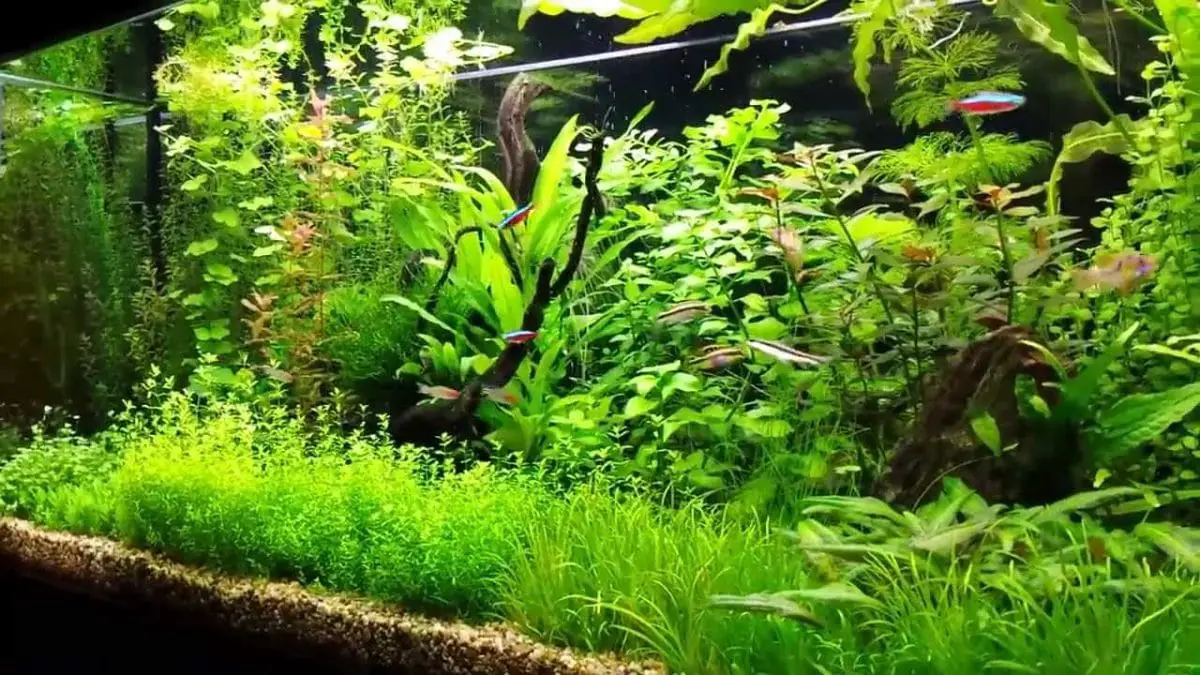
While sunlight is optimal for plants on land, it might not be the best for plants in aquariums. While the full spectrum of sunlight may make your aquarium look good, most purists or hobbyists see it as having many disadvantages. The amount of light would either be too weak for the plants or short. It can also be very bad for fishes and plants alike if there are significant fluctuations in the light. Algae growth is yet another bad consequence of incorrect amount of light in aquariums. Considering all these facts, it is far more efficient and effective to use artificial lights for aquariums.
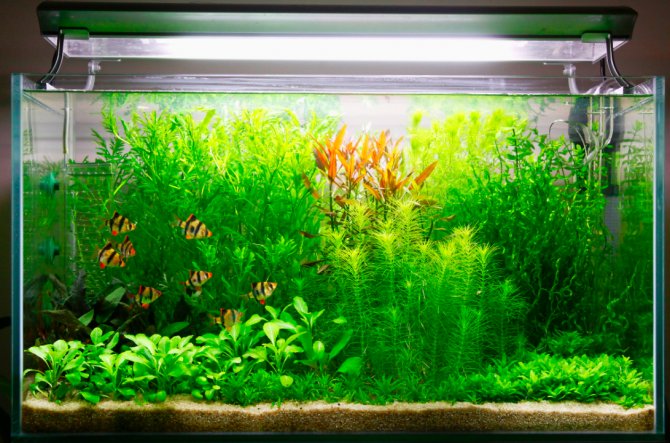
Full spectrum fluorescent light is one of the best ways to light up your aquarium. The amount of light required for optimum plant growth differs according to the density of plants in the aquarium. If the aquarium is sparely planted, then about 1.5w of light per every gallon of water is the recommended amount. If however, your aquarium is densely planted, then 3w to 5w per gallon would be optimum. In both cases, 10 to 12 hours of light supply is essential for encouraging and allowing healthy and efficient plant growth.
Carbon Dioxide
Co2 is another essential element required for plants to create food. During the process of photosynthesis, co2 is transformed into carbohydrate and used for plant growth. Aquariums that don’t have a good co2 source have about 1-3ppm of the gas but most plants flourish when there is about 10-20 ppm of co2 in the water. Co2 supplementation is very important for having an effective planted aquarium.
There are two different types of co2 setups for aquariums namely, a co2 tank and the DIY co2 reactor. The co2 tank is quite simple to use and it’s better for large aquariums, although it will get expensive in the long run. The DIY co2 reactor is made for smaller aquariums by combining yeast, sugar and water.
Macro Nutrients
Plants also require various nutrients in large amounts for their growth like Nitrogen, Potassium and Phosphorus.Excessive amounts of these nutrients will result in an undesirable growth of algae in the tank. So when providing nutrients to plants in your aquarium, remember moderation is the key. These elements also exist organically. For instance, Nitrogen is easily available and present in the form of ammonium from fish waste. Ammonium is actually very good for the plants because it actually takes less energy to use. Potassium and phosphorous on the other hand can be provided from external sources like fish food. Certain fertilizers also contain potassium and they can be added in small quantities.
Macro nutrients should be supplemented if your aquarium is densely planted or if you are growing medium and hard category plants since they require more nutrients.
Micro Nutrients
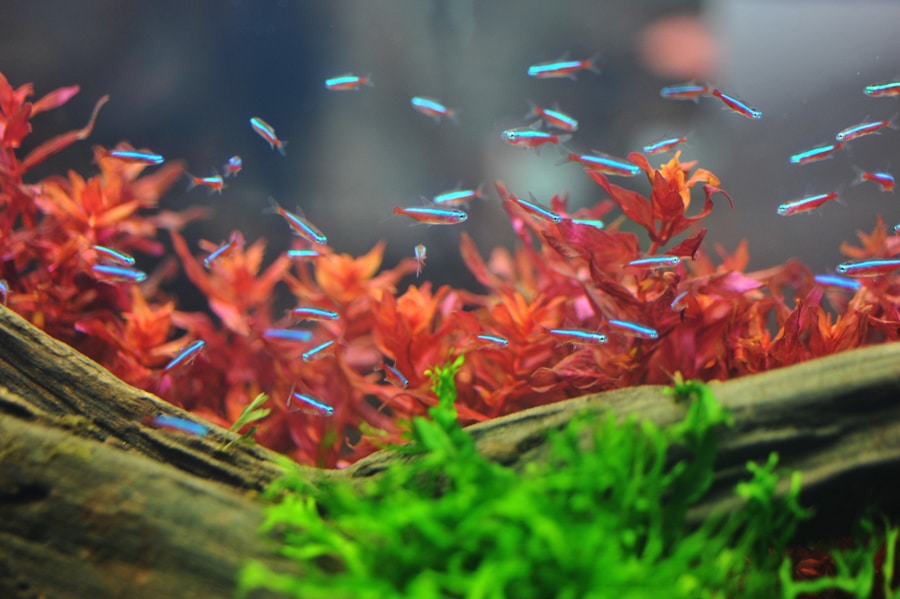
M nutrients like iron, copper, zinc, sulphur, calcium and magnesium are some of the other essential ingredients needed. While iron is usually present in tap water, it usually gets oxidized to the limit where it becomes unusable for plants. One way to prevent it from happening is to use chelated iron mixtures which prevents the iron from oxidizing. The amount of iron in the water should be less than 0.2 ppm. Calcium and magnesium can also be found in tap water but it’s usually not enough so they should be added externally in small amounts. One very important thing to remember as far as micro nutrients are concerned is that they should be added only in very small amounts. Too much if it can lead to high toxicity in the water which will be very detrimental to the plant’s growth in the aquarium.
The final point in setting up an effective planted aquarium is to change water each week. This will not only remove extra fish waste but also get rid of any unwanted nutrients. Doing so will not only promote better growth but it also suppress algae growth. By informing yourself of key factors such as these, you will have no problem in maintaining a healthy environment for your fishes and plants.





 CIRCLE/PIE GRAPHS