How a Specialized Nursing Degree Can Open Doors to a Rewarding Healthcare Career

Healthcare is constantly evolving, creating a demand for highly trained professionals who can adapt to new challenges. Those with specialized education in patient care have access to diverse career opportunities, making it easier to find a fulfilling and stable role in the medical field. Whether working in hospitals, clinics, research, or leadership, individuals with the right qualifications can make a lasting impact.

Unlike traditional degrees that take years to complete, some educational paths allow students to gain credentials faster while maintaining high-quality training. This is especially beneficial for those switching careers or looking for an efficient way to enter the nursing industry. 

By choosing the right program, individuals can open the door to a world of new possibilities. This article explains how.

Expanding Career Opportunities in Healthcare

A degree in patient care offers more than just a direct path to bedside roles. Those with specialized training can pursue careers in research, administration, public health, and education. The flexibility of this profession allows individuals to find positions that align with their interests and strengths. With healthcare systems growing rapidly, professionals with the right qualifications are needed in various fields. Specializing in a specific area, such as pediatrics, geriatrics, or critical care, can help individuals find rewarding roles beyond traditional hospital settings.

Accelerated Learning

Many people hesitate to start a new career in nursing due to the time commitment required for traditional degree programs. Some specialized educational options allow students to complete their training in a shorter timeframe, making it possible to start working sooner. For instance, 12-month ABSN programs offer an intensive, high-quality curriculum that prepares students for professional roles in a shorter time. These programs combine coursework with hands-on experience, ensuring graduates are ready to enter the workforce with confidence.

Increased Earning Potential and Job Security

Healthcare is one of the most stable industries, with a continuous demand for skilled professionals. Those who complete advanced training often have higher salaries and better job security than those in general roles. According to the Bureau of Labor Statistics, professionals in patient care earn a median salary of $81,220 per year, with higher earnings available in specialized fields. The demand for trained professionals is expected to grow in the coming years, making this a solid career choice for financial stability.

Opportunities for Leadership and Management

Individuals who gain experience in patient care often move into leadership roles. Positions such as department managers, clinical directors, and executives allow professionals to shape healthcare policies and improve patient services. Many facilities seek skilled professionals to take on supervisory roles. Those with strong leadership abilities and advanced training can transition into positions where they oversee teams, manage resources, and contribute to long-term improvements in healthcare settings.

Pathways to Advanced Practice Roles

With additional education, professionals in healthcare can take on more advanced responsibilities. Roles such as medical practitioners, specialists, and healthcare consultants provide greater autonomy and the ability to diagnose, treat, and educate patients. Many organizations encourage professionals to pursue further training to expand their expertise. By continuing their education, individuals can take on specialized responsibilities, helping improve patient outcomes while advancing their careers.

Specialization in Research and Education

A degree in healthcare is not limited to patient care. Many professionals choose to work in clinical research and education, contributing to the development of new treatments, medical procedures, and best practices. Those with expertise in a specialized area can teach future nursing professionals and improve training programs. Hospitals, universities, and research institutions hire professionals with strong medical knowledge to conduct studies and educate others. This path allows individuals to impact the healthcare system by shaping policies, improving patient care techniques, and training the next generation of medical professionals.

Flexibility in Work Environments

Unlike many careers that have fixed schedules and limited work settings, those in healthcare can explore a variety of work environments. Professionals can choose to work in hospitals, clinics, telehealth services, corporate healthcare, or home care. Some may prefer working in a fast-paced emergency setting, while others may thrive in administrative roles or patient education. The ability to transition between different environments helps professionals find a balance that suits their lifestyle and career goals while maintaining job stability.

Contribution to Public Health and Community Wellness

Public health plays a significant role in disease prevention, health promotion, and improving overall community well-being. Professionals trained in patient care can work for government agencies, nonprofit organizations, or community outreach programs to educate people about health risks and provide access to medical resources. Public health initiatives rely on skilled professionals to conduct screenings, design wellness programs, and address health disparities. Those passionate about making a difference outside of clinical settings can find rewarding opportunities in community health roles.

Global Opportunities in Healthcare

The demand for healthcare professionals extends beyond national borders, allowing individuals to explore international job opportunities, medical missions, and travel assignments. Some organizations hire professionals for humanitarian work, disaster relief, and global health programs. Those interested in international healthcare can work with nonprofits, government health agencies, or global medical organizations. This experience helps professionals gain cultural competency, expand their skills, and contribute to improving healthcare access worldwide.

Continuous Learning and Professional Development

The healthcare field constantly evolves, requiring professionals to stay updated with the latest medical research, technology, and patient care advancements. Continuing education, certifications, and specialized training allow professionals to remain competitive and provide the best care possible. Many institutions encourage lifelong learning by offering workshops, certification programs, and professional development courses. Those who actively seek new knowledge and skills have more opportunities to advance in their careers and take on leadership roles.

A specialized nursing degree opens doors to numerous career paths beyond traditional hospital roles. Whether focusing on leadership, research, education, or global health, professionals have the flexibility to shape their careers in meaningful ways. By choosing the right educational program and staying committed to learning, individuals can secure long-term job stability, career advancement, and the ability to make a lasting impact in healthcare. Investing in professional growth ensures a fulfilling and rewarding career in an industry that continues to evolve and expand.

Simple Ways to Support Sensory Development at Home

Understanding Sensory Development

Supporting sensory development at home is essential for individuals with autism, as it helps them regulate sensory input and develop critical life skills. Sensory activities provide structured engagement that enhances focus, communication, and social interactions while offering a calming and enjoyable experience. By incorporating sensory-friendly activities into daily routines, caregivers can create an environment that promotes self-regulation, motor skills, and overall well-being for children and adults on the autism spectrum.

The Importance of Sensory Stimulation

Sensory engagement is fundamental in fostering cognitive and motor skills, as well as sensory processing abilities. Many individuals with autism experience sensory sensitivities, making it crucial to introduce activities that help them interact with different stimuli in a controlled manner. Structured sensory play not only improves emotional regulation but also enhances independence and social participation. By incorporating sensory activities into everyday life, caregivers can help individuals develop adaptive responses to their surroundings, reducing anxiety and sensory overload.

Engaging Sensory Activities for Development

Introducing sensory activities into daily routines helps individuals with autism explore different textures, sounds, and movements in a safe and structured way. Some effective sensory activities include:

  • Tactile Play: Activities like playing with kinetic sand, water beads, or textured fabric encourage exploration and improve fine motor skills.
  • Auditory Exercises: Listening to nature sounds, music therapy, or using noise-canceling headphones for comfort can enhance auditory processing and reduce sensory sensitivity.
  • Movement-Based Games: Engaging in activities like swinging, jumping on a trampoline, or yoga helps with balance, coordination, and proprioceptive input.
  • Visual Stimulation: Lava lamps, bubble tubes, and light-up toys provide visual engagement and can be particularly soothing for individuals sensitive to bright environments.
  • Olfactory and Gustatory Activities: Smelling different scents or engaging in food exploration activities can help individuals develop comfort with various sensory inputs related to taste and smell.

By incorporating sensory activities for children with autism into daily life, caregivers can create meaningful and developmentally beneficial experiences that support overall well-being.

Creating a Sensory-Friendly Environment at Home

A well-planned sensory-friendly space at home can make a significant difference in promoting relaxation and engagement.

Here are some simple yet effective ways to establish a sensory-supportive environment:

  • Soft Lighting and Noise Control: Bright lights and loud noises can be overwhelming. Using dimmable lights, noise-canceling headphones, or white noise machines can create a soothing atmosphere.
  • Organized and Clutter-Free Spaces: Maintaining an organized space minimizes sensory overload and helps individuals navigate their environment more comfortably.
  • Calming Corners: Designating a quiet area with soft pillows, weighted blankets, and sensory tools like fidget toys can provide a retreat for relaxation and self-regulation.

The Role of Psychology and Autism Research

Understanding the psychology behind sensory processing in autism is crucial for implementing effective strategies. Research shows that structured sensory activities can improve emotional regulation, communication, and social interactions. Ethical and evidence-based practices in sensory therapy play a key role in guiding caregivers and educators in selecting appropriate interventions. Furthermore, advancements in psychology and neuroscience continue to shed light on how sensory processing affects learning and behavior in individuals with autism.

Emerging Trends in Sensory Support

As awareness of sensory needs grows, new technologies and therapeutic approaches are being developed to enhance sensory support. Some emerging trends include:

Integration of Sensory-Friendly Design in Schools and Public Spaces: Many institutions are adopting sensory-friendly architectural designs to create more inclusive environments.

Virtual Reality (VR) Sensory Therapy: VR programs offer controlled sensory experiences that help individuals with autism adapt to different environments and situations.

AI-Powered Sensory Tools: Apps and devices that use artificial intelligence to track and analyze sensory responses can help personalize interventions for individuals with autism.

Practical Steps for Caregivers

Before implementing sensory activities, caregivers should:

  1. Observe and Identify Sensory Preferences: Understanding an individual’s sensory preferences can help tailor activities that best suit their needs.
  2. Gradually Introduce New Sensory Inputs: Slowly integrating different textures, sounds, and movements helps prevent sensory overload.
  3. Encourage Participation and Autonomy: Allow individuals to explore and engage in activities at their own pace.
  4. Seek Professional Guidance if Needed: Occupational therapists and sensory specialists can provide valuable insights and customized strategies.

Takeaways

Supporting sensory development at home plays a vital role in improving the quality of life for individuals with autism. By integrating sensory-friendly activities, creating structured environments, and leveraging emerging research, caregivers can provide meaningful experiences that enhance self-regulation, motor skills, and social interactions. Whether through interactive play, therapy sessions, or daily sensory routines, a well-planned approach empowers individuals to navigate their surroundings with confidence and ease.

Mastering GCSE Biology: Key Concepts Every Student Should Know

Biology is a key subject in the UK’s secondary school curriculum, covering essential topics that form the foundation for further study in science. Whether preparing for exams or aiming to improve understanding, many pupils seek additional support to strengthen their grasp of complex topics. While schools provide structured lessons, some individuals find that extra guidance enhances their confidence and knowledge.

With a well-organised approach and access to expert advice, learners can easily tackle challenging areas. Many resources are available to help clarify difficult concepts, offering structured revision techniques that align with national exam boards.

Here’s how you can stay on top of your biology exam prep:

Understanding the GCSE Biology Syllabus

The curriculum in the UK is designed to develop a strong foundation in scientific principles, ensuring that pupils acquire theoretical and practical knowledge. Different exam boards, including AQA, Edexcel, and OCR, structure their content to assess various skills, from knowledge recall to critical thinking.

Key areas of study include cell structure, human body systems, genetics, ecology, and practical investigations. Laboratory work plays a significant role in helping individuals understand real-world applications of biological processes. Developing a systematic revision plan that covers all core topics can help improve recall and confidence when answering exam questions.

Expert Support for GCSE Biology Pupils

Many learners benefit from additional academic guidance outside the classroom. If you’re looking for specialised biology tutoring UK has several digital platforms with experienced teachers who provide tailored assistance and help individuals refine their understanding of difficult concepts.

Structured sessions focus on key subject areas, offering in-depth explanations and exam techniques to boost performance. Various study formats, including flexible lesson schedules, allow participants to fit extra practice into their routines. With expert input, learners can develop effective strategies for problem-solving and gain a deeper appreciation of scientific ideas.

Cell Biology: The Foundation of Life

Cells are the basic units of life, forming the building blocks of all living organisms. Understanding how they function is crucial to grasping more advanced biological concepts.

There are two primary cell types: prokaryotic and eukaryotic. Prokaryotic cells, found in bacteria, lack a nucleus, while eukaryotic cells, present in plants and animals, contain a nucleus and other specialised structures.

Key cellular functions include respiration, protein synthesis, and reproduction. Mitosis and meiosis are essential processes that enable growth, repair, and genetic variation. Mastering these principles is vital for tackling the topics of genetics, physiology, and ecology later in the syllabus.

Human Body Systems and Their Functions

The human body consists of interconnected systems that work together to maintain overall health. Each system has a specific role, ensuring that essential functions such as respiration, digestion, and circulation operate efficiently.

The circulatory system transports oxygen and nutrients to cells, while the respiratory system facilitates gas exchange. The digestive system processes food, breaking it down into absorbable components, and the nervous system transmits signals between the brain and body.

Understanding how these systems interact provides insight into human physiology and medical advancements. Recognising the importance of lifestyle choices, including a balanced diet and regular exercise, can also enhance knowledge of health and disease prevention.

Genetics and Evolution: Understanding Heredity

Genetics explains how traits are passed from one generation to the next. DNA, the molecule carrying genetic information, plays a fundamental role in inheritance, influencing characteristics such as eye colour and height.

Gregor Mendel’s work on pea plants laid the foundation for modern genetics, demonstrating how dominant and recessive traits are inherited. Understanding Punnett squares and genetic probability helps explain patterns of inheritance.

Evolution, driven by natural selection, shapes the diversity of life. Organisms with advantageous traits are more likely to survive and reproduce, passing on beneficial characteristics to future generations. Studying these principles helps explain biodiversity, adaptation, and species survival over time.

Ecology and the Environment

The natural world is made up of interconnected ecosystems, where organisms depend on each other and their surroundings for survival. Understanding ecological relationships helps explain how species coexist and adapt to environmental changes.

Biodiversity plays a key role in maintaining balance within ecosystems. When habitats are disturbed due to deforestation, pollution, or climate change, species struggle to survive, leading to population declines and ecosystem instability. Conservation efforts aim to protect endangered species and restore damaged environments.

Human activity has a direct impact on the planet, influencing air and water quality, weather patterns, and resource availability. Learning about sustainability, recycling, and conservation measures can help individuals make informed choices that reduce environmental harm.

Photosynthesis and Respiration

Plants use photosynthesis to convert sunlight into energy, providing the foundation for life on Earth. This process takes place in chloroplasts, where carbon dioxide and water, in the presence of light, produce glucose and oxygen.

Respiration, on the other hand, allows organisms to release energy stored in food. Aerobic respiration requires oxygen and occurs in cells to produce energy for movement, growth, and repair. Anaerobic respiration, which happens when oxygen is scarce, provides a short-term energy source but also leads to the production of lactic acid in animals.

Both processes are essential for survival. Photosynthesis supports life by generating oxygen and food, while respiration ensures energy is available for essential biological functions.

Homeostasis and Response

The body maintains a stable internal environment through homeostasis. This regulation is essential for processes such as temperature control, blood sugar regulation, and hydration balance.

The nervous system and endocrine system work together to respond to changes in the body. For example, the brain detects fluctuations in temperature and signals the skin to adjust accordingly. The pancreas regulates glucose levels by releasing insulin and glucagon as needed.

Reflex actions, such as pulling away from a hot surface, demonstrate how the nervous system reacts quickly to external stimuli. Understanding these mechanisms helps explain how the body adapts to different conditions and maintains overall stability.

Understanding biology at this level provides a strong foundation for further study in science and related fields. By developing knowledge of key topics, practical skills, and exam techniques, learners can approach assessments with greater confidence.

With the right study strategies and support, complex topics become more manageable. Engaging with the subject beyond textbooks through experiments, discussions, and real-world applications can also deepen understanding.

A well-rounded approach to science education not only prepares pupils for exams but also helps them develop critical thinking skills that are valuable for the future.

Effectiveness of Virtual Laboratories in Teaching and Learning Biology


Even though you can learn a lot from biology textbooks, the complexities of biological systems require not only theoretical understanding but also practical experience in the laboratory. While traditional biology labs have numerous limitations, including safety concerns, ethical considerations regarding animal dissection, and accessibility challenges for some students, virtual laboratories create a whole new world of teaching and learning opportunities. We offer you to delve into the specific benefits of virtual labs and discover the best practices for learning biology.

When you need to write a biology paper and want to make a major contribution to the existing scientific discussion, using virtual laboratories can help you increase the accuracy of your experiments. Writing biology papers is always a challenge, and students often look for biology essay help from online writing services. To choose a reliable one, you can check what others have to say about its quality by reading an EssayShark review or comments on other writing companies. Many high-quality services have access to virtual laboratories and assist students with their research studies. Let’s consider some more benefits of virtual biology labs when it comes to the studying process.

Better Learning Results

Virtual lab software can help students understand complex biological concepts, especially abstract ones like Mendelian genetics. They can conduct virtual crosses and observe the resulting offspring instead of trying to grasp the logic behind this phenomenon by looking at diagrams in textbooks. Students have no limitations when it comes to designing experiments and testing hypotheses in a controlled and interactive environment. It is a great opportunity for them to improve their scientific reasoning skills and develop non-trivial ideas. 

On top of that, simulations of cellular processes, such as DNA replication or protein synthesis, can help young scholars visualize and manipulate them. It is also crucial to mention the ethical concerns of traditional dissections in teaching anatomy because virtual labs eliminate many problems connected to this part of biology education. 

Increased Student Engagement and Motivation

While reading scientific articles and writing lab reports can be rather boring, virtual labs make learning more interactive and engaging. Simulations and gamified elements are effective magnets that attract students’ attention and keep them interested because they get to create something instead of just being observers. The ability to explore biological phenomena in a virtual environment can spark curiosity and encourage them to find the answers to all kinds of questions popping up in their heads when they participate in interactive simulations.

Development of Critical Thinking and Problem-Solving Skills

There seems to be an endless number of ways students can use virtual labs, as they don’t need to limit themselves in resources. Future scholars can create different kinds of environments and change variables at any time to analyze the impact of every factor they modify. For example, a virtual ecology lab might challenge students to design a sustainable ecosystem and consider various factors such as resource availability, population dynamics, and environmental impacts. They learn how to act in realistic scenarios and challenges and apply their knowledge and critical thinking skills to solve problems.

Improved Accessibility and Flexibility

Even though there have been many improvements during the recent years, students with disabilities still may face challenges in traditional lab settings. Virtual labs can be an effective solution to this problem. Additionally, students in remote locations can also benefit from working in a virtual environment because all they need is an internet connection to attend a class. Another convenient point is the ability to revisit such labs at any time and find the answers to your questions, even in the middle of the night if necessary. After all, students have different learning pace and might need additional time to master complex concepts.

Cost-Effectiveness

Purchasing and maintaining lab equipment, materials, and lab space is a significant budget line item of an educational institution. Without a doubt, virtual alternatives can reduce these costs by eliminating the need for expensive equipment and consumable supplies. Making such a drastic switch to virtual labs requires a major one-time investment but can save money in a long-term perspective.

Safety Considerations

The safety of the lab activities is always a top concern of educational institutions. In virtual labs, students can safely conduct experiments that might be hazardous in a traditional setting, such as working with toxic chemicals or pathogens. Furthermore, colleges get a chance to reduce the costs of hazardous materials disposal and don’t need to worry about environmental issues.

Challenges and Limitations of Virtual Labs

We want to present an objective overview of virtual labs and, therefore, will also focus on their limitations. Addressing these points is crucial for colleges to develop accurate forecasts after adding this type of virtual reality to their educational process.

Lack of Hands-On Experience

Unfortunately, modern virtual labs can’t fully replicate the tactile and kinesthetic learning that occurs in traditional settings. The physical manipulation of lab equipment and the development of fine motor skills are essential components of scientific training. Therefore, it is an area for future technological improvements that will ensure that the virtual experiences that students get are not different from the real-life ones. 

Technical Issues

As long as we are already discussing the technical limitations of virtual labs, we need to consider software glitches and internet connectivity problems. The rapid pace of technological advancements leads to the necessity of often costly and time-consuming updates and maintenance. Ensuring equitable access to technology for all students is also a significant concern. Students from low-income backgrounds or those in remote areas may lack access to reliable internet or appropriate devices.

More Research Studies Needed

Are virtual labs as effective as they seem to be? We need more research studies investigating their impact on various learning outcomes to answer this question. We should also identify the most effective pedagogical strategies for using virtual labs in the classroom. Finally, research should explore the long-term impact of virtual lab use on student learning and their attitudes toward science.

Summing Up

As you can see, virtual labs have many benefits that can bring the studying process to a whole new level. To enjoy all of them, we need to develop effective solutions to the existing problems and limitations and conduct the necessary research studies to check their impact on students. 

Become A Marine Biologist- Pros And Cons

What actually Is an Oceanographic Marine Biologist?

They may be considered ocean life research scientists who philosophize over the scientific frameworks of the marine environment. From their research, they engage actively in conservation efforts aimed at mitigating the effects of climate change on oceanic animals and considering the extent of their contribution toward marine environments. In short, if you are a creature of the ocean or have a buzz over life to include that inhabits it, you should think about marine biology.

To most of the aspiring Marine Biologists, there will be an association that deserves a university degree. One must research their preference; interest in going into varied aspects of nature and natural science. Other traits that complement character inclination could include physical endurance, attentiveness, good memory, logical eccentricities knotted in between.

Marrying other people engaged in marine biology with whom biologists can work is cumbersome but rewarding for both parties: they can all help each other in their growth, helping to widen the scope for developing career channels. Worthy organizations that can revel in affiliations with Marine Biologists include: 

• American Association for the Advancement of Science; 

• American Fisheries Society; 

• Association of Limnology and Oceanography – Sciences; 

• Marine Technology Society; 

• Society of Oceanography. 

What Can A Marine Biologist Degree Do?


A marine biologist is a professional scientist specializing in the study of varied types of marine organisms within the ocean habitat. Varied ocean habitat can be easily surprising-a fish and corals to plants like kelp and seagrass-algae and other microorganisms. Marine biologists undergo years of education and training owing to the very comprehensive understanding required to carryout investigations of all marine life before any conclusion may be reported.

More specific duties will vary according to the nature of your specialty and may involve:

• Collecting and studying marine specimens;

• Managing research projects related to ocean life;

• Reporting the results of research to the public and scientific community; 

• Conducting laboratory works and evaluating data;

• Comparing data to build theories and support research;

• Advancing conservation efforts through marine biology education.

The marine biology salary depends on many factors. These include education levels, specialties, work experience in the given field, and even location. As per the information from the Bureau of Labor Statistics, the national average salary for all zoologists and wildlife biologists is about $64,650 annually. According to the BLS, there will be no change in employment opportunities for this occupational group through 2031. 

The Best Universities That Offer Degrees in Marine Biology

Northeastern University (NEU)

It is a private American university based in Boston which is renowned worldwide. NEU offers proper education which engages to build a budding career. Graduates walk away with good resumes and great networking. NEU applies many practical learning methods (catch-up with study and part-time jobs, internships, university projects, lab work, etc.), this practical exposure becomes a great advantage when competing with NEU for labor jobs. Interesting facts about the University include: 

• A global university with 13 campuses in the world 

• 10 campuses taking international students 

• There are more than 3,350 employer partners across independent countries 

• A significant international student community; an impressive 330,000 plus graduates in 181 countries 

• NEU shares the highest category of US research universities-R1 which indicates extremely high research activities and a well setup-quality infrastructure. The university has 60 research institutions and centers.

The university also operates its semiaquatic center, which can be of interest to future marine biologists.

Ontario Tech University

University programs are designed with regard to a specified career beginning in every area of the university. The students complete theoretical work in a hands-on manner, training the skills and involvement with technologies to offer a competitive edge to them. Thus, because of the range of experiential learning constituting 100% of the curriculum, successful candidates will hone the very qualities attractive to employers: teamwork in developing projects, co-op learning, internships, entrepreneurial work, work practice, scientific research, independent study, and work on their bachelor’s theses. Students receive access to more than 300 professional and community partners. Hence, the last Ontario Tech graduates’ overall employability is one of the highest. 

California State University Sacramento

California State University Sacramento includes a wide range of bachelor’s and master’s degree programs to cater for various fields. The university programs help students acquire the right information, skills, and experience needed to succeed in today’s highly competitive global labor market. The university has committed and well-qualified teachers who love teaching and act as mentors. Since the class sizes are small and the teachers teach interactively, the teacher is able to give personal attention and support to each student. In this way, every student receives the mentorship necessary to achieve his or her goals.

 James Cook University

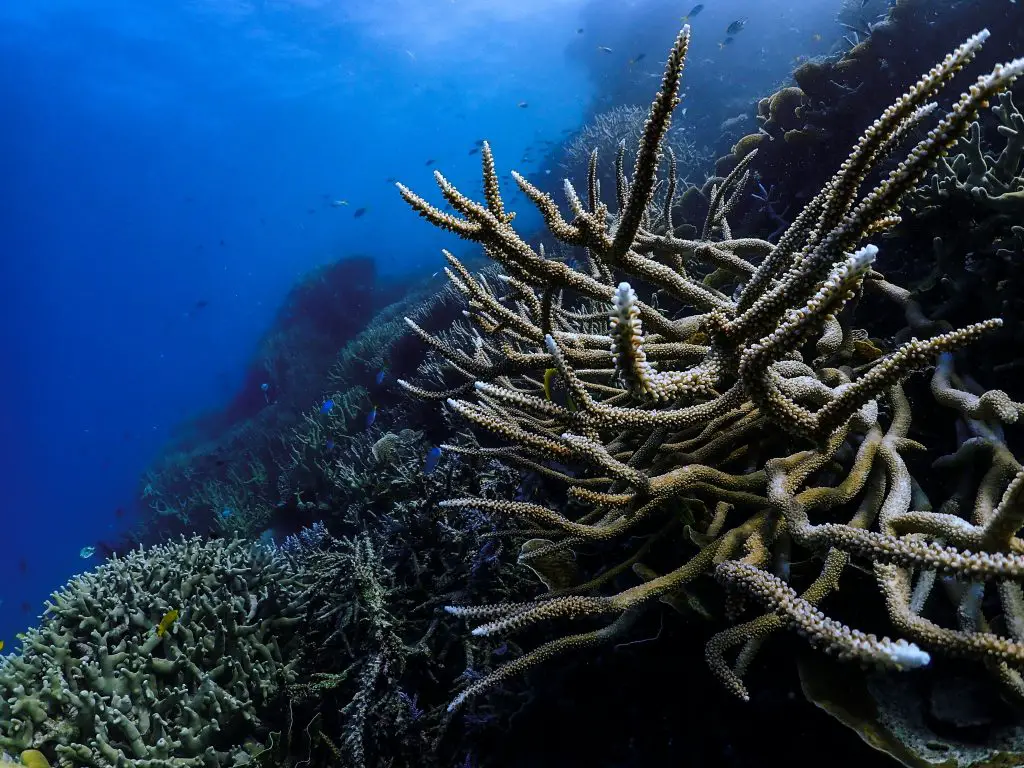
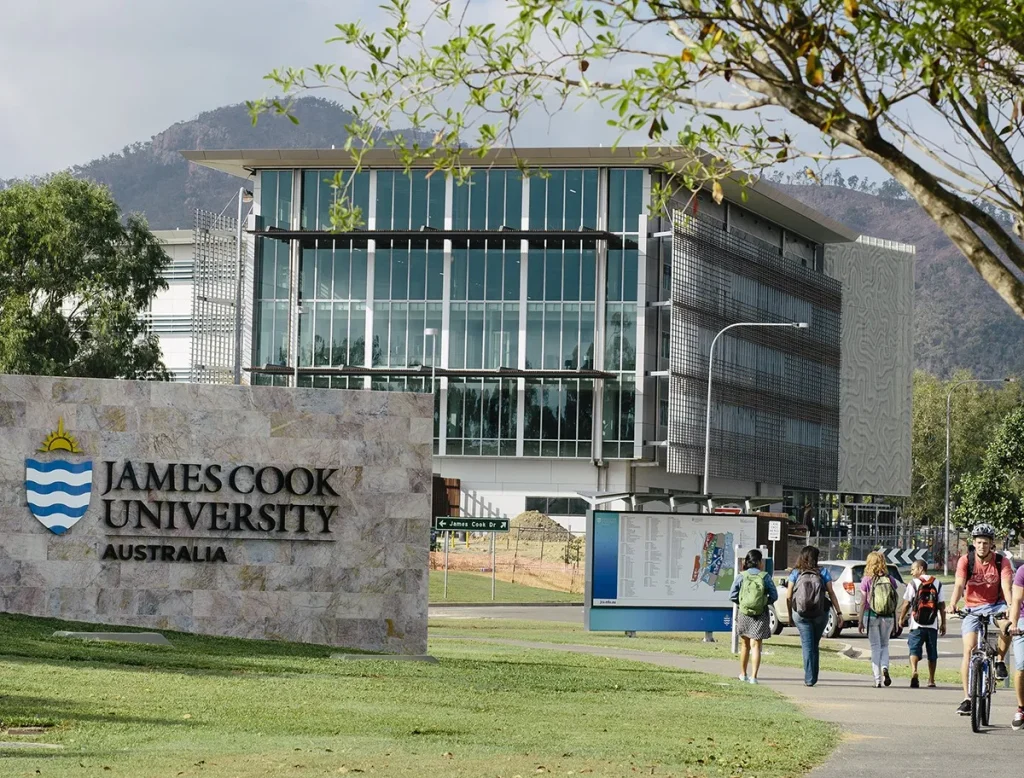
JCU bastions students, faculties, and researchers alike situated within the surrounding beauty of one of the most beautiful regions in the world-the lush green rainforests of Far North Queensland to the marine diversity of the Great Barrier Reef (UNESCO World Heritage Sites), with great expanses of the barren uninhabited lands of Australia being enwrapped close behind. This University features research that is of the highest quality and highest socioeconomic value, especially in areas of importance to the tropics. At the moment, USC ranks within 38 fields of research at or above world level. That includes the 40th world ranking in the field of ecology and among the leading 100 worldwide in the field of mining and industrial processes.

The Institute contains many highly regarded research centers: the Australian Institute of Tropical Medicine and Public Health, the Coral Reefs Centre (the “Quality Centre” of the Australian Scientific Council), the Cairns Institute, and so on. They deal with fauna and flora, coral reefs, the environment and ecology, tropical medicine and health care in the tropics, geosciences and tourism; their research is widely known in the world.

Bangor University

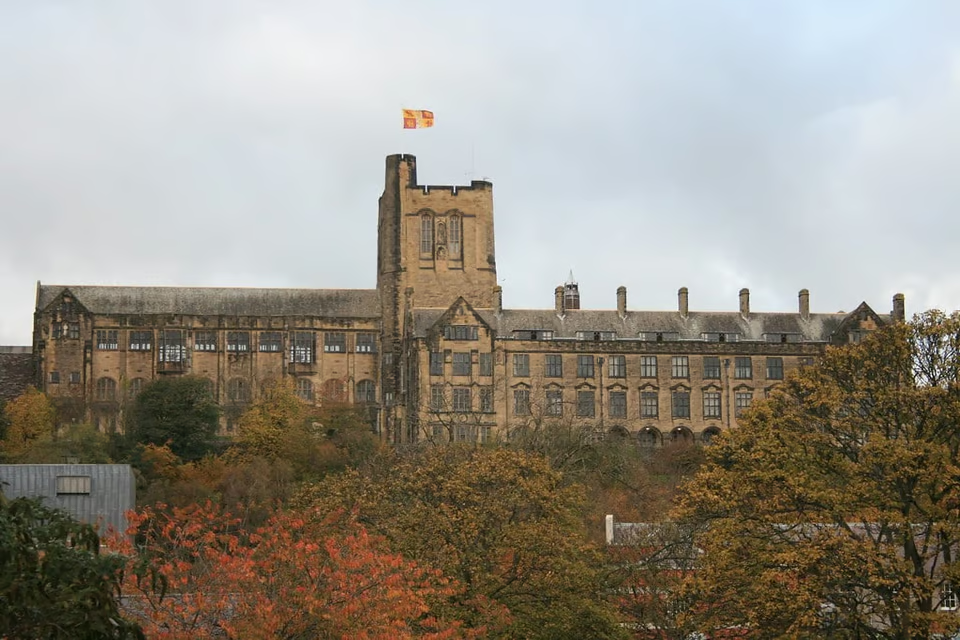
Bangor University was founded in 1884 and soon established itself as an international center of education and research. Nestled in beautiful North Wales, students lead interesting and outdoorsy lives at Bangor. It offers programs in diverse fields including the North Wales Medical School; the new and modern facilities there enable medical professionals of various specialties to be trained. The university provides oceanographic education, and has also a research vessel “Prince Madog”.

Conclusion

With no specific certificate required for becoming a marine biologist after graduating, many still believe obtaining related certifications will help them get that job. For example, if you plan to work in this field, it would be good to obtain a diving certificate for open water. Perhaps you will also need your local boat master’s certification for work in your area, so be sure to check in with local public authorities to find out if you need a license or certificate to work on the water.

With so many educational facilities providing marine biology programs, it is important for aspiring scholars to view several factors before choosing which program of study works best for them. The fields encompass a selection of programs, review the classes outlined to be taken, probe the costs likely to be incurred through marine biology college, and inquire whether it lies in proximity to one’s desired living arrangements or future employment base. You can also look into the places you plan to apply and see how high the demand for marine biologists in the areas is expected to be.