
7 Cell Raps to Help Memorize the Functions of Cells

If you’re studying for a science test, one of the best ways to help remember the material is by setting to music! That’s right; cell raps can help you remember the names of the organelles located in each cell, as well as their functions.

We’ve rounded up our top seven picks for cell raps that we think you’re going to love.

Best Cell Rap for Sixth-Graders: Cells Cells by Crappy Teacher

5 out of 5 stars

As YouTuber CrappyTeacher (Emily Crapnell) explains in her cell rap video, she created this video to help her sixth-grade science students learn the different parts of a cell. At over 5.7 million views, it seems that this cell rap has caught on with more than just Crapnell’s students! We can’t blame people for watching it; it’s catching and makes science–dare we say it?–fun!

“Today’s the day,” the rap begins; “let’s talk about the building blocks of life–cells that make us.”

The cell rap chorus covers some of the most vital parts of cellular biology. It explains that cells are made of organelles, and mentions cytoplasm, the nucleus (“controllin’ everything”), the membrane, the vacuole (“we can float around for hours”), and chloroplasts by name.

The next chorus explains that there are two different types of cells–animal and plant cells, while the final three stanzas are devoted to explaining in more details with each part of the cell does. “The cell membrane is the border patrol,” raps CrappyTeacher, and then later, “The mitochondria’s something every cell needs, breaking down the food and releasin’ energy.”

Over second thousand people have taken the time to comment on this cell rap. Many mention how they heard it years ago and still remember it, speaking to the catchy lyrics and the arresting beat. While designed for sixth-graders, the content is sophisticated enough that even college students report finding it helpful!

We also feel like it’s one of the best mixes of catchy lyrics and useful information, managing to find a good balance between repetition and new information. Plus, it provides a great video with very helpful images which will further solidify the information in your mind. For these reasons, we’ve given it five stars!

The rap can be viewed here or may be purchased.

Best Karaoke Option: The Cell Song by Glenn Wolkenfeld

5 out of 5 stars

The Cell Song, created and sung by Glenn Wolkenfeld, isn’t a cell rap–but it is a fantastic way to use the power of song to help commit the parts of a cell to memory! And with over two million views, we’re not the only people who think so.

The song is a folksy, bluesy tune where the singer asks what happens when he goes into a cell. “Who drives this bus,” sings Wolkenfeld, and then he “found myself talking to the boss, the nucleus.”

Wolkenfeld does two things in this song; he gets deeper into the molecular biology involved in the parts of a cell, and he offers a karaoke version.

Unlike some of the other cell raps available, The Cell Song explains that chromosomes stores genetic information, the ribosomes make proteins, and the lysosome use enzymes to dissolve, and centrioles organize chromosomes into spindles.

Wolkenfeld also uses The Cell Song to explain how rigid cell walls allow plants to grow extremely tall, and the purpose of green in the plant cell. “I went into a plant cell, ‘why’s it so green?’” sings the artist. “‘Cause I make food from sunlight,’” answers a green chloroplast.

The video is filled with helpful drawings and diagrams to further illustrate each concept. Wolkenfeld, as we mentioned already, also offers a karaoke version, which is the same version, but instead of Wolkenfeld singing, the lyrics are on the screen.

The Cell Song, like Cells Cells by CrappyTeacher, also gets five stars thanks to its ability to combine great video content with helpful, relevant information about cells.

You can find The Cell Song here, and the karaoke version here.

Best Song With Video: The Parts of a Cell Song by Jam Campus

5 out of 5 stars

The Parts of a Cell Song is a cell rap created by an organization called Jam Campus. It’s one of many Jam Campus creations; in fact, the YouTube channel creates educational videos on everything history to science to mathematics.

With over 54,000 views, The Parts of a Cell Song is catchy and well-loved. What we especially love, in addition to the self-made music, is the high quality illustrated video! Any time you can marry great visual images with catchy lyrics, you increase the likelihood of you remembering the information.

The Parts of a Cell Song gets right down to business, stating in its first line, “here’s what each cell contains, outer layer is the cell membrane.” The lyrics point out where cells get their energy (mitochondria), and what ribosomes do (help with protein synthesis).

We also appreciate this lyric, which helps to sum up the parts of a cell, something most cell raps don’t do:

Cell membrane, mitochondria, lysosomes and the ribosomesCytoplasm, nucleus, E.R. and Golgi body, and the nucleolus

We especially appreciate how accurate the presented information is here (many cell raps mistakenly identify ribosomes as making proteins; however, they simply help in the assembly of polypeptides, chains of amino acids, which are the building blocks of protein), which is a big part of why this song gets five out of five stars.

Best for Repetitive Learning: The Cell Rap with Mr. Simons’ Fifth Grade Class

4 out of 5 stars

Mr. Simons and his fifth grade have teamed up to create another great cell rap, available on YouTube. This cell rap has approximately 468,000 views, and we understand why–out of all the cell raps we’re sharing today, this one is probably the most likely to get stuck in your head!

Every song has to decide how to balance repetition with new information; as you’ll see later, some of the cell rap songs we’ve rounded up choose to focus on including as much data as possible. This rap, however, from Jake Simons, focuses on repetition.

In fact, we feel it focuses a little too much on repetition (we downgraded it to four stars), but it’s still a great rap that will help cement many of the things you’re learning about cell biology into your memory.

This five-minute rap features the cytoplasm, the nucleus, the membrane, the vacuoles, and the mitochondria of the cell. Here’s an example of a lyric:

“Just like us, the cell has energy. The mitochondria takes the food and puts it where it needs to be.”

Here’s another line from the cell rap, this one memorably explaining how the cell membrane works:

“There’s a thing called a membrane that holds it all in place so none of us will ever complain.”

Is this the cell rap to turn to if you need to memorize complicated material? Probably not; but it is a great option for younger students or people who need just the basic parts of a cell!

Best Use of Additional Resources: The Cell Song by Keith Smolinski

4 out of 5 stars

The Cell Song was written and recorded by Dr. Keith Smolinski as part of a doctoral study to research how music can help students learn complex science concepts. In addition to The Cell Song, which features the parts of a cell, there are another nine songs sold in an album called Biorhythms: The Music of Life Science.

Songs in Biorhythms cover everything from cellular division, to the digestive tract, to the ecosystem. The song we’re featuring, The Cell Song, isn’t a cell rap, but it is well-performed, catchy, and interesting to listen to!

While the accompanying video doesn’t include images (that’s why it only has four stars and not five), it does utilize the lyrics on screen. In just two minutes and nineteen seconds, Dr. Smolinski manages to cover everything from the nucleus to the cell membranes.

In The Cell Song, listeners learn that the nucleus contains the genetic code, the mitochondria are the power plants of the cell, and the vacuoles store food and water. We also learn that the ribosomes make proteins, the Golgi bodies pack and ship the proteins, and the endoplasmic reticulum carries them.

Plus, the song teaches that lysosomes are janitors, cytoplasm is gel-like, and cell membranes help regulate what comes in and out of the cell.

In the notes section of this video, Dr. Smolinski also explains that additional teacher’s resources are available on his website, including a Teacher’s Guide for The Cell Song. All of Dr. Smolinski’s resources are based on the National and State of Connecticut Science Standards, so you can be sure you’re getting accurate and helpful information.

Best Rap Alternative: Organelles Song by ParrMr

4 out of 5 stars

ParrMr, a YouTube creator, has garnered over one hundred thousand subscribers thanks to her (or his!) ability to put science lyrics to popular songs. If you cringe over cells raps or want music you’re already familiar with, you can find videos on everything from Pangaea to the atmosphere to the planets.

ParrMr’s songs are set to hits like Forget You by Cee Lo Green, Toothbrush by D’NCE, and Jealous by Nick Jonas. The one we’re featuring here, with four out of five stars, is Organelles Song, set to Counting Stars by OneRepublic.

The music is easy to remember if you’re already familiar with the song–our one complaint, however, is that the lyrics have very little repetition. This has the upside of packing a ton of information into the four-plus minute song, but if you’re trying to make sure the material sticks, this might be a downside.

“Look inside a cell,” sings ParrMr, who created this song for his or her sixth-grade students, “and you will see…organelles have jobs, yeah, organelles have…jobs.”

The next lines focus on how plant cell walls and cell membranes protect the line like a fence, letting the right things in and out. ParrMr covers vacuoles, lysosomes, the nucleus, chromatin, DNA, and ribosomes.

The final stanza explains proteins and their relationships to the endoplasmic reticulum, Golgi bodies, and cytoplasm. Mitochondria and chloroplasts are also mentioned.

Organelles Song by ParrMr has racked up over 700,000 views, and for a good reason–we give this cells video four out of five stars!

Runner-up Rap Alternative: Cells Song by ParrMr

3 out of 5 stars 

Another much-loved option (four hundred thousand views!) by ParrMr, also for a sixth-grade classroom, this is another song about cells set to hit music. This one, called Cells Song, is set to Sail by AWOLNATION.

In it, ParrMr sings about cell membranes, cytoplasm, organelles, mitochondria, endoplasmic reticulum, ribosomes, and Golgi bodies.

“Cells cells cells cells cells,” he sings, before starting another chorus about vacuoles, the nucleus, and lysosomes.

Here is the final stanza:

Capturing Sun’s energyChloroplasts in plants and treesAnd cell walls giving box-like shape, rigid

If you’re a fan of pop or dance music or are simply looking for a non-rap alternative to cell raps, this is a great option. It’s short on useful information, but what is included is presented appealingly, and will be likely to stick!

Thanks to these seven awesome cell raps, we have a feeling you’re going to ace your next quiz or test. We’d say good luck, but we don’t think you’ll need it!


7 Bio Poem to Help Remember the Hardest Material For Biology Test

Biology is a massive subject, and if you’re trying to study for a test, remembering all those facts, strange Latin names, and confusing concepts can seem impossible. The smartest students, however, have found clever ways to increase the amount of information they remember. One of the best ways is using a biology poem to help remember the difficult material.

A bio poem is a mnemonic device or a simple poem that includes the facts, names, or concepts you’re trying to remember. The idea is that your brain retains the information better that way, and when it comes down to test day, you’ll be able to call forth the learned material by reciting the poem.

Below, we’ve listed seven bio poems that will help you perform better on your next exam. Plus, keep reading for the ultimate guide on remembering difficult things and studying for big exams.

How We Chose Our Ratings

5star reviews

You can see below that we’ve rated the poems we’ve included in this roundup; since we’ve scoured available bio poems, we’ve been able to bring you only the best and most helpful.

Top 7 Best Bio Poems

1

Best Classic Biology Poem: Dear King Philip

5 out of 5 stars 

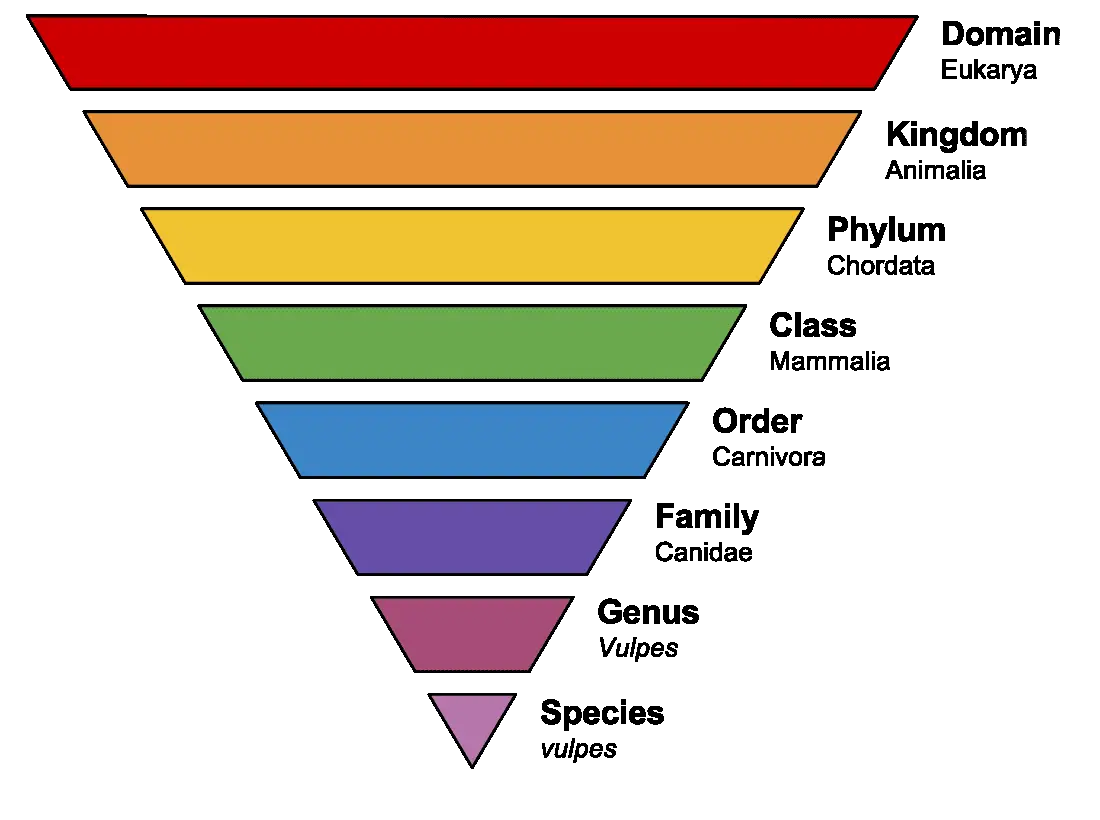
A mnemonic device is a great way to help our brains remember complicated groups of information–especially when the data has to go in a specific order. The Dear King Philip device has been used for generations to help students remember the order of taxa in biology.

Taxonomic Ranks diagram

The order is as follows: Domain, Kingdom, Phylum, Class, Order, Family, Genus, Species.

Each of the mnemonic’s first words matches the words of the taxa, in order: Dear King Philip Came Over For Good Spaghetti.

It sounds ridiculous and hilarious, but that’s exactly why it works so well; because it involves our emotional response (laughter and hilarity), we’re more likely to remember it! Other variations include the following:

  • Dumb Kids Prefer Cheese Over Fried Green Spinach
  • Do Kings Play Chess On Fine Green Silk?
  • Dakota Kills People Cause Other Friends Got Sad

The following two classic biology mnemonics don’t include the letter D, so if your biology professor doesn’t ask for you to remember Domain, these will work better for you:

  • Keep Pond Clean Or Fish Get Sick
  • Kids Pick Candy Over Fancy Green Salad

You can also make up your own.

With or without the Domain, a taxon is a group of organisms. Taxonomists use these groups to organize what we know about animals. African elephants, for example, form the genus Loxodonta. While scientists largely agree on where African elephants belong, they often disagree about other classifications, a fact that isn’t widely known!

2

Best Basic Bio Poem: MRS GREN

5 out of 5 stars 

Mnemonics can help us remember extremely simple things (the difference between dessert and desert, for example, is the extra s, which gives you a clue about its meaning. Don’t you want to eat more dessert?) but they can also help you outline more complicated concepts.

Biology teaches us that seven processes define living things, and once again we turn to a mnemonic to help us remember that process: MRS GREN.

The letters stand for the following:

  • M → Movement
  • R → Respiration
  • S → Sensation
  • G → Growth
  • R → Reproduction
  • E → Excretion
  • N → Nutrition

Movement is a vital process for living things as it allows them to find or better position themselves to attract or produce food.

Respiration is the process through which living things convert energy from carbohydrates and fats. Most of the organisms we’re familiar with use oxygen to break down (this produces a by-product know as carbon dioxide), but some organisms utilize nitrates, iron, or other material to break the sugars down.

Sensitivity is connected to movement and, in fact, is what triggers movement for many organisms. An organism is a living organism if it can react to changes in its environment. A plant, for example, will move its leaves towards the sun or towards a grow light.

Just like sensitivity and movement are connected in this bio poem, so growth and respiration are connected. In fact, it is respiration that allows for growth!

The excess energy organisms create when they break down sugars during respiration can be used in the production of new cells–whether that’s a larger shell (as in the case of a snail) or a new leaf (as in the case of a plant). Special note: for growth to be considered, it must be irreversible.

Reproduction is the fifth of the living processes that define whether or not something is alive. It can range from the ultra-simple division of cells to the conception of new human life!

We’ve already referenced one by-product that occurs during normal function in a living cell–carbon dioxide. Carbon dioxide is excreted and is an example of the sixth living process: excretion. A living simple creates waste as it functions normally, and this waste must be excreted.

Nutrition is the taking in of food. That food can vary wildly and can be anything from water in the soil to other organisms. Regardless, nutrition is a vital part of the living process.

3

Best Bio Poem for Phases of Mitosis: I Passed My Anatomy Test

5 out of 5 stars 

mitosis diagram

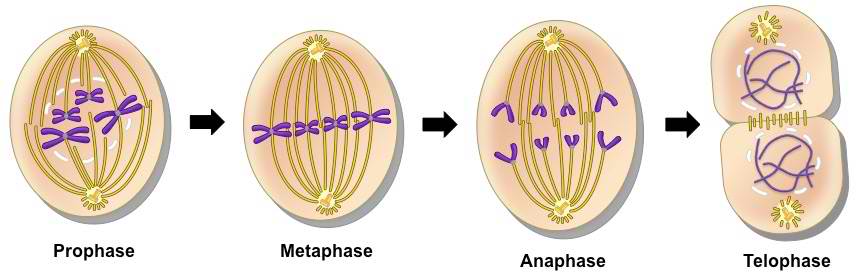
Another great bio poem that lends itself to helping us remembering the phases of mitosis is this one: I Passed My Anatomy Test. The letters (I, P, M, A, and T), stand for the following phases:

  • Prophase
  • Metaphase
  • Anaphase
  • Telophase

If your professor requires you to learn about cytokinesis, as well (this phase begins during anaphase or telophase), you can add the word “calmly” onto your bio poem so that it reads: I Passed My Anatomy Test Calmly.

Other possible devices for the phases of mitosis include the following:

  • I Propose Men Are Toads
  • Idiot, Pass Me Another Tequila
  • I Picked My Apples Today

Which device should you select? Choose the one that makes you laugh, smile, or that sticks in your head readily. The easier it is for you to remember, the better!

4

Best Bio Poem for Embryonic Development: Zikes!

5 out of 5 stars 

There are four stages of embryonic development:

  • Zygote, in which the fertilized ovum (the united sperm and egg cells) begins to divide rapidly
  • Morula, which is comprised of 10-30 cells
  • Blastula, which gets its names from the Greek word for “sprout,” and in which the morula forms an inner cavity filled with fluid, forming a blastula
  • Gastrulation is the embryonic phase in which the blastula (single-layered) turns into the gastrula (three-layered)
  • Neurula, in which the nervous system becomes to develop

The first letters of each of these stages correspond to the following mnemonic: Zikes! Martin is a Big Giant Nerd! (Note that “is” and “a” aren’t counted!)

5

Best Bio Poem for Taxonomy of Humans: All Cool Men

5 out of 5 stars 

A common question that likes to pop up on biology tests is about the taxonomy of humans, and these clever devices help us remember the right order.

First, here’s the taxonomy: Animalia, Chordata, Mammalia, Primate, Hominidae, Homo sapien.

Now, here’s the mnemonic: All Cool Men Prefer Having Heavy Sideburns.

6

Best Bio Poem for Kingdoms of Life: Biology People

5 out of 5 stars 

If you’re confident the kingdoms of life will show up on your biology exam soon, here’s a great bio poem to help you remember the five kingdoms: Biology People Find Plants Attractive.

It will help you remember these five kingdoms:

  • Bacteria (monera)
  • Protista
  • Fungi
  • Plantae
  • Animalia

7

Best Bio Poem for Major Fungal Classes: Zombies

5 out of 5 stars 

Another hilarious mnemonic device–Zombies Are Brown and Dirty–is one of several that can help you recall the major fungal classes!

The classes are:

  • Zygomycetes
  • Basidiomycetes
  • Deuteromycetes
  • Ascomycetes

In addition to Zombies Are Brown and Dirty, you can use:

  • Zap A Bear Dead
  • Zebras Are Big Dummies
  • All Zebras Dance Badly

Using Poetry to Help You Remember Things

woman having trouble

Memory is a fascinating process and understanding how it works can help you better study for your next exam–with or without a bio poem!

The first step in remembering is called encoding. Encoding is the process through which something external–an interaction with another person, a biology concept, or the route to a new place, for example–is converted into a construct. A construct is stored inside the brain and if it’s laid down correctly, can be played later, like a movie.

Encoding a Memory

Encoding begins when we pay attention to something, and our interest in the subject matters hugely, as does emotion. This is why, for example, it’s so easy to remember the lyrics from a favorite song. Music can evoke emotion, and because we like the genre, we’re paying close attention.

However, you probably have trouble remembering the name on the nametag of the person who checked out your groceries this morning–because you weren’t very interested and because no emotions were called for.

This is why poetry is so helpful. By translating obtuse concepts into funny, interesting rhymes (even if you don’t think the rhyme is interesting; the new combination of words that rhyme is read as unusual and worth paying attention to by your brain) help you recall complex or boring material at a later time.

Two More Powerful Memory Devices

Using bio poems, however, isn’t the only way to remember complicated information. There is a whole host of available memory devices that can improve your ability to retain and recall reams of data. Here are just a few:

1. Method of Loci

“Loci” means “places” in Latin and the method of loci is often called the memory journey or the memory palace in today’s world. This memory device has been around since the time of the ancient Romans and Greeks (Cicero, for example, wrote about it in his De Oratore). It’s used today by champion memorizers and sometimes even shows up in pop culture (in the hit television show Sherlock, for example).

To use the method of loci, visualize the physical layout of a place that’s familiar to you–your bedroom, for example. Then, assign a concept or term to the different objects in your bedroom. Here is an example of how you might assign parts of a cell:

  • Doorway → lysosome
  • Carpet → nucleus
  • Nightstand → nucleolus
  • Lamp → microtubules
  • Water bottle → cytoplasm
  • Clock → Golgi apparatus
  • Bed frame → mitochondrion
  • Mattress → Golgi vesicles
  • Pillow → rough endoplasmic reticulum
  • Bedspread/comforter → smooth endoplasmic reticulum
  • Curtains → cell membrane
  • Poster → centrioles
  • Trophy → pinocytotic vesicle

You can assign more than just the name to each place in your bedroom; you can also assign the function of each part of the cell.

This way, when you get to a test question that asks you to name the parts of a cell and their functions, you can mentally “walk” through your room, and each object in your room will help trigger your recall so you can answer the test question.

2. Chunking & Organizing

Chunking is a method of memory recall best explained by two popular examples: telephone numbers and social security numbers.

Telephone numbers have as many as eleven numbers, and social security numbers have nine; a string of eleven numbers or nine numbers would be difficult to memorize, but by organizing the strings into smaller chunks of numbers, they’re accessible to even small children!

This is a great device to use when you’re dealing with long strings of information because you’ll be able to focus on smaller groups instead of larger pieces of data, which have the added issue of being overwhelming!

Your Best Exam Yet

Thanks to the seven bio poems and two memory devices we shared above, you’re all set for your best exam yet. Good luck!

Biological Magnification: Definition, Examples, and Practice

Biological magnification is a rising concern amongst researchers who examine the ways that chemicals and pollutants may have long-term effects on ecosystems.  In this article, we’ll dive deep into what it is and the impacts it’s already had on our environment. 

biological magnification

Biology researchers and students are likely familiar with the field of ecotoxicology, or the study of how chemicals and toxins affect ecosystems and their organisms.  In this field, the term biological magnification is frequently used to describe the amplified concentrations of these substances as you move up through the food chain.

Also fittingly called bioamplification or biomagnification, this process explains why harmful substances like have metals, or chemicals found in fertilizers or pesticides, present in even the largest, carnivorous predators.

In this article, we will discuss the process of biomagnification and how it works.  We will define the terminology, and then give real-life examples and case studies documenting how chemicals travel through soil, water, and smaller organisms to eventually make their way to the top of the food chain in large concentrations.  

What is Biological Magnification?

Put simply; the term biological magnification is used to describe the process by which substances used in farming or produced in industrial waste make their way into and up the food chain.

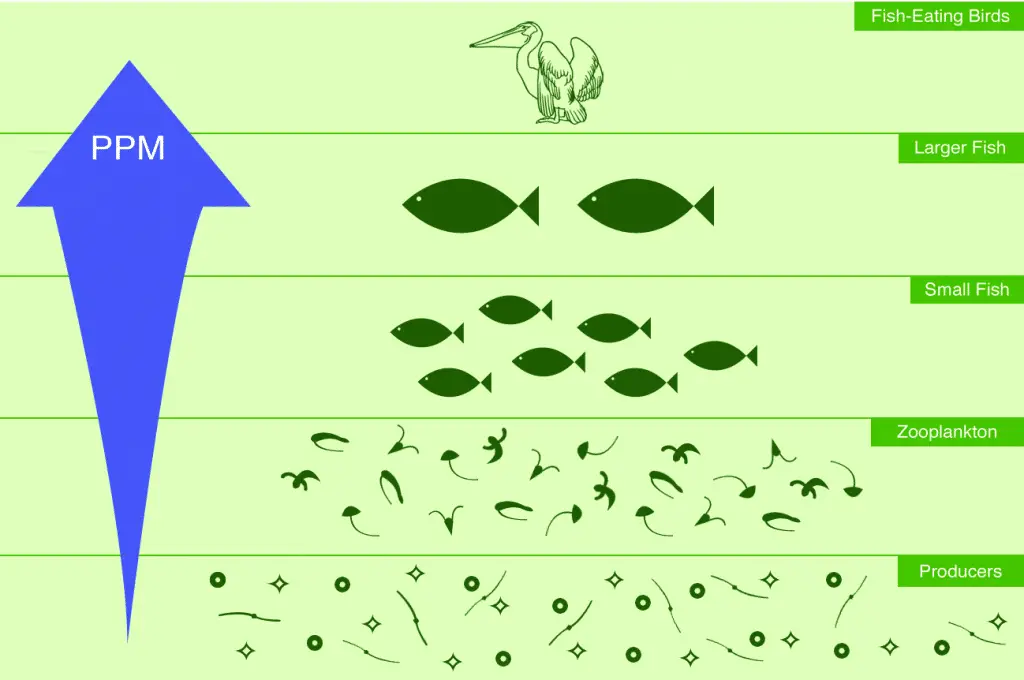
We see increased levels of these toxins and chemicals accumulating through the trophic levels of the food chain thanks to this phenomena.

Pesticides, fertilizers, and heavy metals from industrial waste are some of the most common culprits who contribute to the problem.

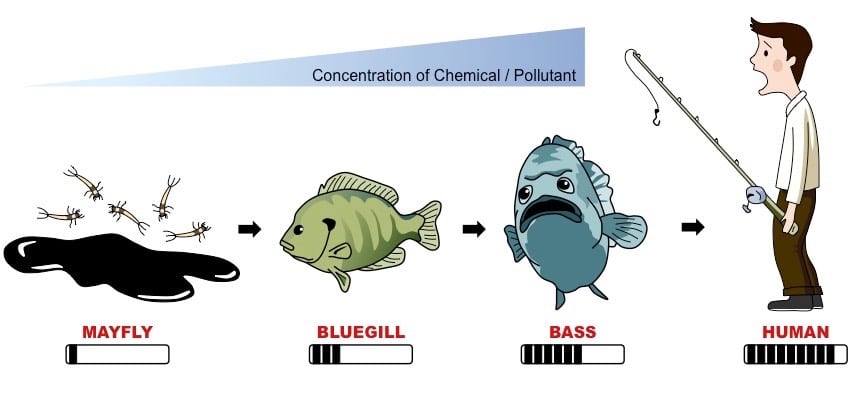
Typically, the materials are carried through water sources like rivers, lakes, and streams as a result of surface runoff where they are then ingested by aquatic animals like frogs or fish.  These small organisms are then preyed upon by predators higher up in the food chain, like birds, larger fish, or animals, which is how these same substances make their way into their body.

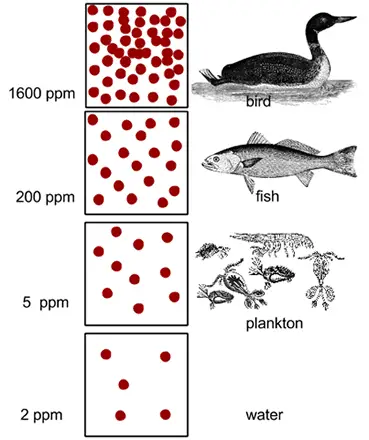
Many of these toxins and chemicals are fat soluble and get stored in their internal organs or fat tissue.  This results in an accumulation of the substance over time and in greater concentrations the higher up the food chain you go.  This phenomenon is called food chain energetics.

Although biomagnification doesn’t always have a direct effect on living organisms, long-term exposure to harmful chemicals may result in unpleasant and irreversible side effects that could threaten a species.

Biological Magnification vs. Bioaccumulation

Biomagnification

It’s important to note that there is a significant difference between biomagnification and bioaccumulation.  Although some may use the words interchangeably, they actually describe different scenarios in an organism.

Biological magnification specifically refers to increasing concentration of materials in each higher link in the food chain.  However, bioaccumulation examines the increased presence of a particular substance inside a single organism.

While the two processes may be interconnected, for the purpose of this article it’s important to differentiate the terminology to understand the real-life examples and practice.

Examples of Biological Magnification

There are numerous, well-documented examples of biomagnification where researchers find high concentrations of chemicals in apex predators.  Many of these studies also demonstrate the potential negative consequences of this build up over time. Here are a few examples.

Bald Eagles

During World War II troops faced a plethora of health issues, including outbreaks of malaria, body lice, typhus and bubonic plague spreading through mosquito bites at encampments throughout the world.

DDT is a pesticide that was developed to kill these biting bugs to help control the spread of these diseases, and following the war had agricultural applications.  Farmers used the product on their crops to control pests, and it was both popular and widespread thanks to its low cost and easy application.

It was approved as being safe and effective by the EPA at the time because there did not appear to be any harmful side effects of ingesting the chemical in animals or humans.  However, this did not take into account the possibility of biomagnification. 

DDT doesn’t break down over short periods of time in the environment and is a substance that gets stored in the fatty tissues of animals who consume it.  This became particularly problematic for bald eagles.

A predator near the top of the food chain, bald eagles were consuming large quantities of fish who had been affected by the chemical.  Runoffs from farms hit the waterways, and DDT infiltrated aquatic plants and animal life, and the eagles ingested the chemical with each meal they ate.

Over time, the chemical disrupted their ability to lay eggs with strong shells, causing the bald eagle population to decrease to the point of near extinction.  In 1940, Congress stepped in to pass an act to protect the species, but DDT wasn’t banned until 1972.

It wasn’t just species of eagles affected.  Other predator birds like brown pelicans and peregrine falcons saw the same side effects.  The thinning off the eggshells made incubation and hatching near impossible and also threatened these bird populations.

Fish and Pregnancy

Another notable example of biomagnification is in predator fish.  Species like Shark, Swordfish, Orange Roughy, Tuna, King Mackerel, or Tilefish contain proportionally larger levels of toxic mercury than smaller fish and shellfish.

In fact, the levels are so high that the FDA advises that pregnant women avoid consuming these species for fear of exposing developing fetuses to levels that may cause nerve damage.

How does this toxicity occur?  Mercury is introduced into the ecosystem in one of two ways.  As a naturally occurring element, it can leach from rocks and volcanoes into our water supply over time, but those natural changes are not likely to significantly impact the environment.

However, when you take the natural occurrences and combine them with human contributions through coal-burning power plants which impact the air, rain, soil, and water around these facilities, the mercury levels rise drastically.

As we now know, once an element enters the water supply, it’s inevitable that it gets ingested by aquatic life at every level of the food chain.  When plankton and small crustaceans that make up the majority of the diet of the larger, predatory fish have moderate levels, then the species who eat them will have a compounded effect.

For example, according to the FDA, the average amount of mercury found in a serving of scallops is 0.003 parts per million.  Lobsters, one of the main predators of the scallop have a concentration of 0.107 parts per million.  

Monkfish love dining on lobster, and have an average of 0.161 parts per million of mercury in their system, and shark and swordfish at 0.979 and 0.995 parts per million respectively regularly dine on monkfish.

In this example, it’s easy to see how quickly the effects compound and how concentrated they become with only four steps up the food chain ladder.

What Causes Biological Magnification?

natural phenomenon

Although biomagnification is a natural phenomenon that happens in all organisms, the instances where it is worrisome are largely due to anthropogenic factors.  Materials that humans introduce into the environment can cause unexpected and hazardous side effects and typically fall into one of the following subcategories.

Organic Contaminants

We live in an age where the word organic is closely correlated with natural and healthy, but too much of anything could be bad.  Organic elements like phosphorus, nitrogen, and carbon are necessary for survival, but if they appear in excessive quantities in ecosystems, they may cause eutrophication.

Eutrophication is a phenomenon when an organism that thrives in these conditions, like algae, for example, experience exponential growth and suddenly have an overwhelming population.  This can then disrupt the ecosystem and kill off other organisms because there aren’t enough resources, like oxygen, to go around.

Waste

Waste produced from manufacturing plants, factories, and other industrial enterprises can release waste and toxins into the air and water that contribute to the problem. 

Agricultural and Industrial

Chemicals introduced into the environment from inorganic pesticides, fungicides, fertilizers and herbicides that mix with our natural water sources due to runoff when it rains release toxic elements as well.

Plastic Pollution

Not only does plastic physically impact our environment, often ending up in our oceans and disrupting marine ecosystems, but it can also leach toxic chemicals into water too.

For example, Bisphenol A, or BPA, has made headlines recently as a substance that can produce a range of health conditions in humans that is used in making plastic water bottles.  It is one of the leading chemical pollutants in the environment.

Heavy Meals

As we discussed in our earlier case study, heavy metals that enter our water sources can wreak havoc on the ecosystem.  Mining activities are sometimes at fault for releasing deposits that can pollute aquatic plants and contaminate water sources with elements like zinc or cobalt.  

Potential Negative Effects of Biological Magnification

DDT and mercury aren’t the only hazardous substances that have the potential to biomagnify.  Substances like polychlorinated biphenyls (PCB’s) that can impair reproductive systems, heavy metals, polynuclear aromatic hydrocarbons which are a known carcinogenic, cyanide, and selenium have been extensively studied and proven to have similar outcomes.

There are dozens of potential adverse effects to our environment, including but not limited to:

  • Reproductive implications for marine and other animal life
  • Killing coral reef ecosystems
  • Disrupting the natural food chain as species die off

There is also a significant risk of health impacts on humans who consume many of the organisms affected by this process.  They include an increased risk of the following:

  • Cancer
  • Kidney failure
  • Liver disease
  • Birth defects
  • Brain damage
  • Respiratory disorders
  • Heart disease

biomagnification

Final Thoughts

Bioamplification isn’t a new phenomenon, but the humans have introduced pollutants to the environment that makes it a threat to the ecosystem and our food sources.  Understanding how and why it occurs is the first step to combating the problem and preventing the destruction over time.

Conversations and advocacy for sustainability need to continue to ensure the long-term health of our environment.

Cell Parts: Structure and Function in Plant and Animal Cells

Cells and Transport Teaching Resources · High school biology; AP extensions where noted.

Use these plant and animal cell diagrams to connect each structure with its function. Start with the labeled references, then use the student sheet to practice. These are simplified models of selected structures; they do not show every organelle.

Student handout: Download the printable student sheet (PDF). Use the reference below to check labels. Teacher explanations are separate at the end of this page.

Plant and animal cell diagrams

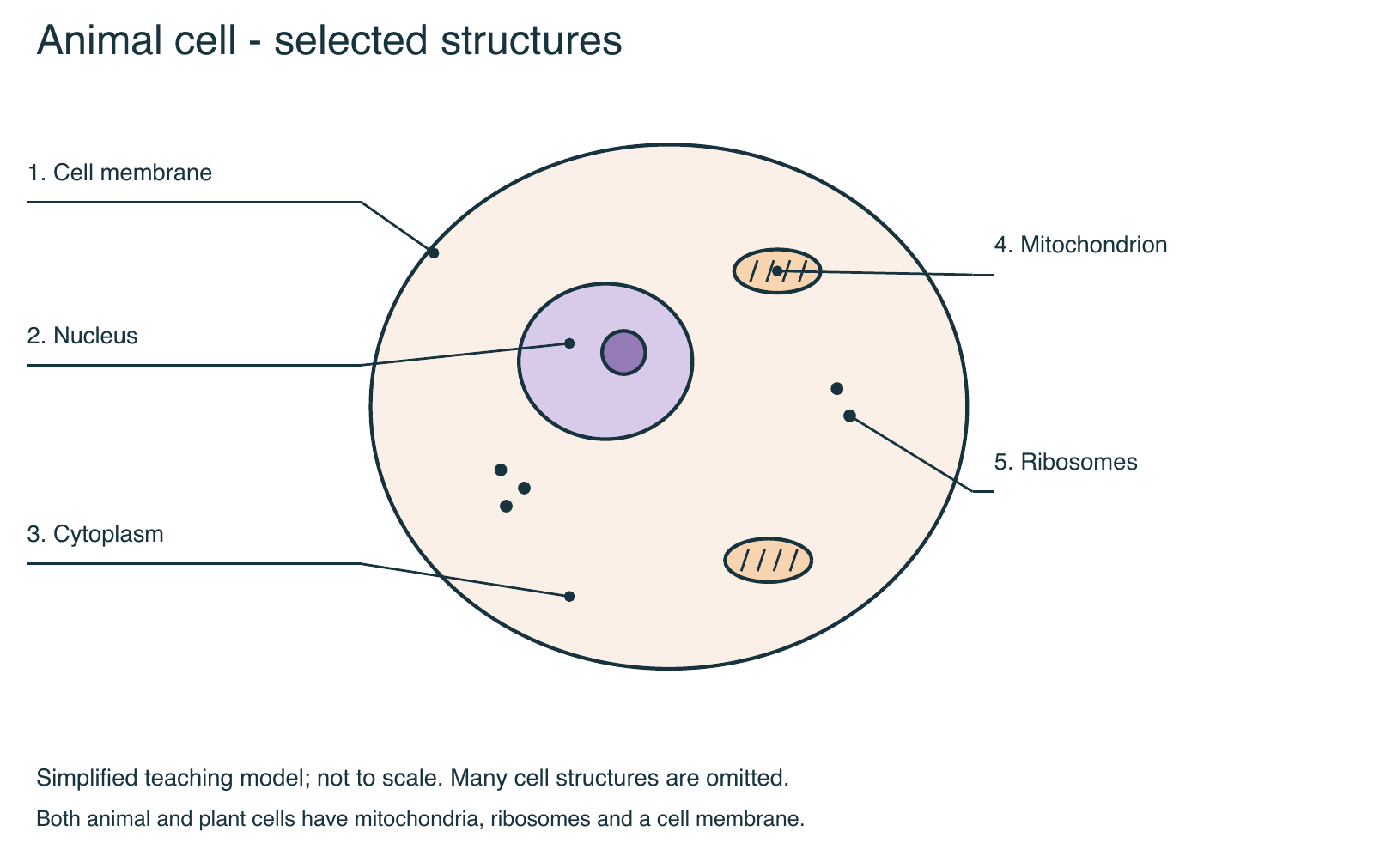
Animal cell with numbered labels for membrane, nucleus, cytoplasm, mitochondrion and ribosomes.
Original animal-cell teaching diagram; not to scale. Open the image for a larger view.
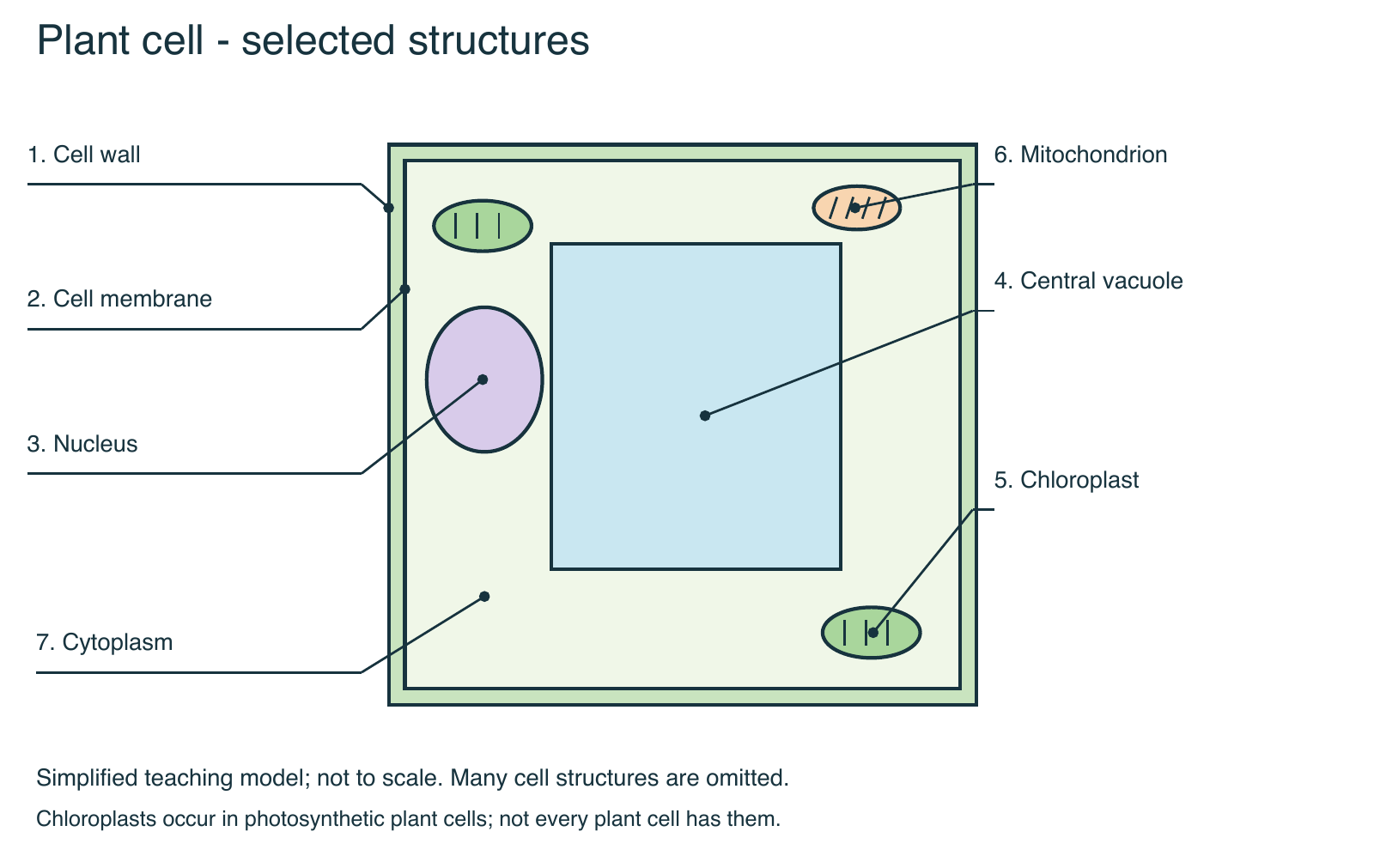
Plant cell with numbered labels for wall, membrane, nucleus, central vacuole, chloroplast and mitochondrion, plus cytoplasm.
Original photosynthetic plant-cell teaching diagram. Not all plant cells contain chloroplasts. Open the image for a larger view.

Plant and animal cells: compare the structures

StructureTypical plant cellTypical animal cellMain role
Cell membranePresent, inside the wallPresentRegulates exchange and signaling
Cell wallPresent; contains celluloseAbsentSupport and protection
NucleusPresent in a typical living cellPresent in a typical cellContains most cellular DNA
MitochondriaPresentPresentAerobic respiration and ATP production
ChloroplastsPresent in photosynthetic cellsAbsentPhotosynthesis
VacuolesOften one large central vacuoleSmaller compartments can occurStorage; plant vacuoles also support water balance and breakdown
RibosomesPresentPresentProtein synthesis

There are specialized exceptions, such as mature mammalian red blood cells lacking a nucleus. Plant cells have ribosomes even though the simplified plant diagram omits them.

Learning objectives

  • Connect a cell structure to a function rather than memorize a label alone.
  • Compare a typical plant cell, animal cell, and bacterial cell.
  • Explain how several structures cooperate to produce and export a protein.

Structures to know

  • Plasma membrane: the cell boundary that regulates exchange and carries proteins involved in transport and signaling. Plant cells have a plasma membrane inside the cell wall.
  • Cytosol and cytoplasm: cytosol is the fluid portion; in a eukaryotic cell, cytoplasm includes cytosol and structures outside the nucleus.
  • Nucleus: contains most of a eukaryotic cell’s DNA. The nucleolus helps assemble ribosomal subunits.
  • Ribosomes: assemble proteins using instructions carried by messenger RNA. They are not membrane-bound; bacteria have them too.
  • Rough endoplasmic reticulum: ribosomes associated with this membrane system make many proteins destined for secretion or membranes. The ER helps process those proteins.
  • Smooth endoplasmic reticulum: participates in lipid production; its other functions depend on cell type.
  • Golgi apparatus: modifies and sorts proteins and lipids for delivery.
  • Mitochondria: support aerobic cellular respiration and ATP production. Plant cells have mitochondria as well as animal cells.
  • Chloroplasts: carry out photosynthesis in photosynthetic plant cells. A root cell need not contain chloroplasts.
  • Vacuoles and lysosomes: plant central vacuoles support storage, breakdown, and water balance. Animal lysosomes carry out digestion and recycling. Vacuoles do more than store water.
  • Cell wall: a supporting layer outside the membrane. Plant walls contain cellulose; bacterial walls differ in composition.
  • Cytoskeleton: protein filaments contribute to cell shape, internal organization, movement, and division.

To decode cell vocabulary using word parts, start with cyto- for cell and endo- for within. Then check the full definition: a word’s parts do not explain the whole structure or process.

Compare cells with evidence

Typical plant and animal cells have a nucleus and membrane-bound organelles; bacteria lack a membrane-bound nucleus. All three have DNA, ribosomes, cytoplasm, and a plasma membrane. Size and outline alone cannot reliably identify a cell. Both plants and animals grow through cell division and cell enlargement.

Use this in a lesson

  1. Ask students to label only structures supported by the selected diagram; a simplified picture may omit real structures.
  2. For each label, require one function and one connection to another structure.
  3. Trace a secreted protein from an ER-associated ribosome through the ER and Golgi to a vesicle that fuses with the plasma membrane.
  4. Finish with an unfamiliar example: why would a cell that secretes many proteins need extensive rough ER?

Check understanding

Question: Is a cell without chloroplasts necessarily an animal cell? Explanation: No. Many plant cells, including many root cells, lack chloroplasts. Look for other evidence such as a cellulose wall. Question: Do plants respire only at night? Explanation: No. Plant cells carry out respiration during the day and night; photosynthesis depends on suitable light.

Teaching note: Distinguish observations from inferences. A classroom light microscope does not normally resolve ribosomes or the detailed membrane bilayer. For AP biology, ask students to connect internal membranes to compartmentalization.

Teacher explanations for the new student sheet

Show the checked diagram labels and explanations

Animal labels: 1 cell membrane; 2 nucleus; 3 cytoplasm; 4 mitochondrion; 5 ribosomes. The membrane regulates exchange; the nucleus contains most DNA; many reactions take place in the cytoplasm; mitochondria support aerobic ATP production; ribosomes synthesize proteins.

Plant labels: 1 cell wall; 2 cell membrane; 3 nucleus; 4 central vacuole; 5 chloroplast; 6 mitochondrion; 7 cytoplasm.

Question 2: Yes. Plant cells use mitochondria for aerobic respiration, including during daylight. Question 4: A cell wall and chloroplasts are acceptable examples; a large central vacuole is another characteristic distinction. Question 5: Yes. Many root cells lack chloroplasts; use the wall and other evidence, not a single missing organelle, to identify the cell.

These explanations apply to the new sheet only, not every legacy worksheet.

Continue the unit

Sources and further reading

New diagrams and student sheets: original Biology Junction teaching resources, 2026. Teachers may print these new sheets for classroom use. Diagrams are simplified models, not photomicrographs.

Further reference: OpenStax Biology 2e: eukaryotic cells.

Ten Punnett Square Worksheet Ideas for Middle School through AP Levels

The Punnett square worksheet is a great teaching tool for genetics. This worksheet helps students get an idea of the different possible combinations for genetic traits and helps them calculate how likely each combination is. Here are some ideas for using the Punnett square in your classroom.

Punnett square

The Punnett square is a diagram used to make sense out of genetics and inheritance. The purpose of this diagram is to show the different possible combinations of alleles. This is a useful tool you can use to teach biology and probabilities regardless of the level of your students. Here are a few ideas to use the Punnett square in your classroom.

Understanding Dominant And Recessive Alleles

You should talk about genetics and alleles before introducing the Punnett square worksheet in your classroom. Students should ideally also have a good understanding of how to calculate probabilities.

Students should be familiar with genes and understand that genes are a unit of hereditary information while an allele is a possible sequence or variant of a gene.

You should also talk about observable genetic traits, also known as phenotypes. Students should understand that there are dominant and recessive alleles that won’t become phenotypes unless they are combined with another recessive allele. You can introduce the notion of codominant alleles with high school students.

Make sure the Punnett square activities are connected to lessons about genetics, inheritance, and alleles. You can use these activities to introduce these concepts or to help students get a more thorough understanding of genetics and probabilities.

The Punnett Square

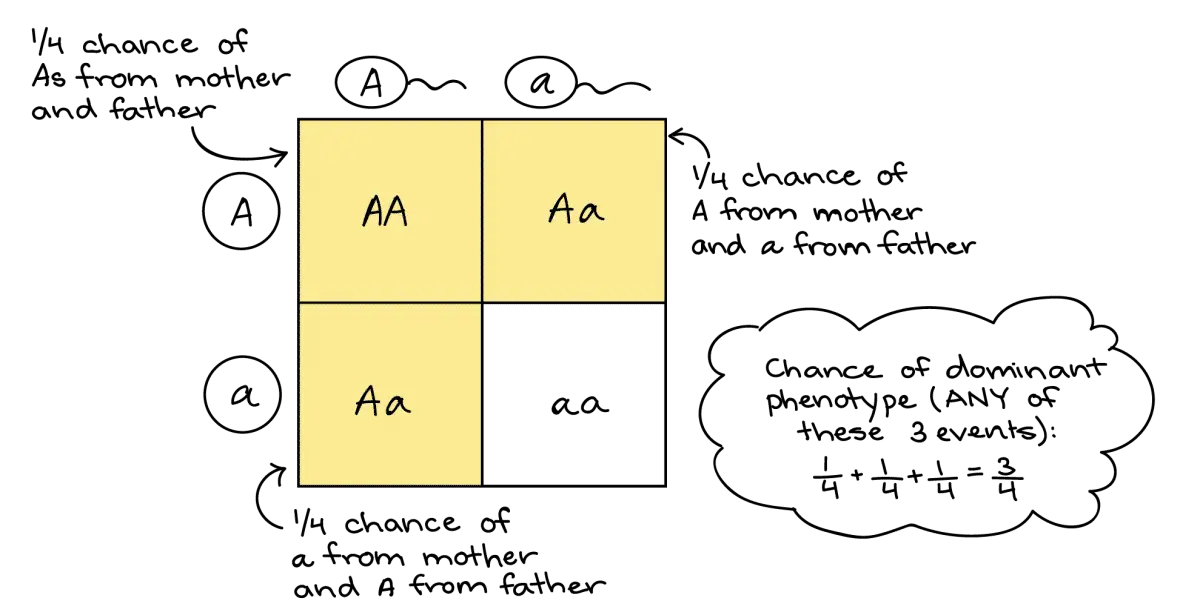
The Punnett square is a simple diagram that shows the different possible combinations. Here is an example for the offspring of two organisms with the same Aa allele combination:

  A a
A AA Aa
a Aa aa


Using this worksheet helps students see all the different possibilities and gives them an idea of which phenotype is more likely to occur.

Ten Ideas For Using The Punnett Square Worksheet In Your Classroom

Middle School

Introduce The Punnett Square With Legos

You can use Legos to introduce the Punnett square to your students. This visual approach would be ideal for an activity that you will use to introduce concepts like genetics and alleles.

You need to have Legos with two different shapes to represent the dominant and recessive alleles. Use cups or other small containers to represent the animals or plants that inherit the genetic material.

Start with two cups that contain a different combination of two Lego shapes to represent the parents. Have the students fill out the worksheet with the four possible combinations of Lego shapes.

The students can then place the four different combinations inside of four cups or small containers that represent the offspring.

This approach helps students understand the logic behind the Punnett square and gives them a visual reference you can use once you start talking about alleles.

Plant Genetics

Plant Genetics

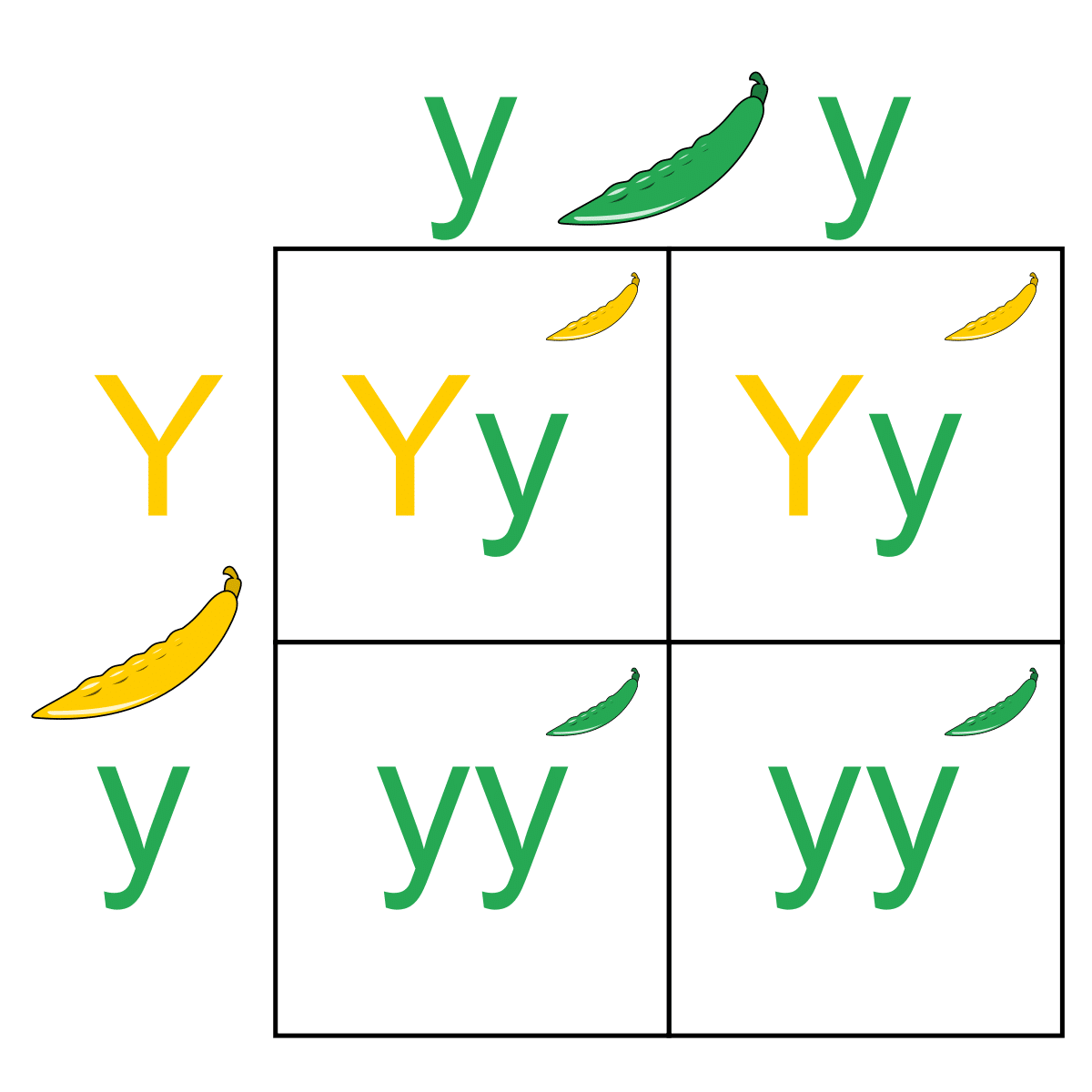
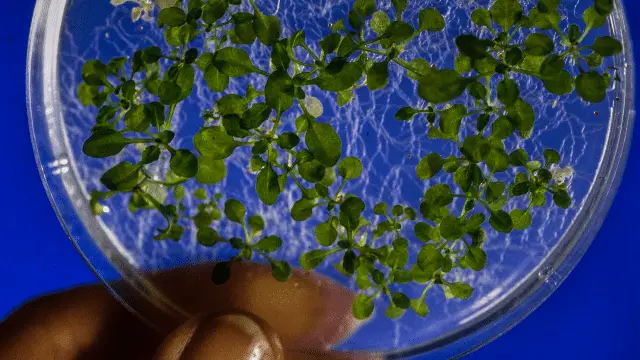
Plants are a great example at the middle school level because you can easily identify a phenotype that students will understand, such as the color of a flower. You can even grow flowers in the classroom to illustrate the lesson.

Students can fill out a Punnett square worksheet for plant genetics. The purpose of this activity is to introduce the idea of dominant and recessive alleles and have students get used to seeing a capital letter for the dominant trait and a lowercase letter for the recessive trait.

Create a simple worksheet with four squares and ask students to write the different possible combinations. You can work with different phenotypes:

  • Create a worksheet for a blue flower BB and a blue flower Bb.
  • Create a worksheet for a blue flower Bb and a white flower bb.
  • Create a worksheet for a tall plant TT and a tall plant Tt.
  • Create a worksheet for a tall plant Tt and a small plant tt.

You can then ask students to identify the number of possible combinations and to calculate the probability of a flower being blue or of a plant being tall. You can also have students draw what the plants will look like.

High School

You can introduce advanced ideas at the high school level and connect the Punnett square with more real-life examples. You should introduce concepts like homozygous genes, heterozygous genes, or mutations.

You can also focus on probabilities and have students use a worksheet to calculate the probability of a trait appearing in offspring.

Predicted Outcome And Actual Outcome

Introduce the idea that the predicted outcome of a Punnett square doesn’t always reflect what happens in real life. Students should be aware that these worksheets will show how likely an allele combination is.

Have students use a Punnett square worksheet to predict the outcome of a coin flip or another random event. Once the worksheet is filled out, have students flip a coin and compare the outcome with what the Punnett square predicted.

Guessing The Parents’ Allele Combination

Provide students with different allele combination for the offspring and tell them how frequent each combination is.

Have them use the Punnett square to find the allele combinations of the parents. This is an activity that only takes a few minutes to complete, but it is a great way to brush up on how the Punnett square works and to make sure that students have a solid understanding of inheritance.

Bear Fur Color

You can work with phenotypes that are observable in animals and introduce the idea that there are different possible allele combinations for the same phenotype.

The brown bear fur color is an excellent example since a bear can have BB or Bb alleles and have brown fur. On the other hand, only a bear with a bb allele combination will have black fur.

Have your students use the Punnett square to calculate the probability of offspring having brown or black fur. This problem encourages students to create more complex tables since the bear parents can either have the BB or Bb allele combination.

Eye Color

eye

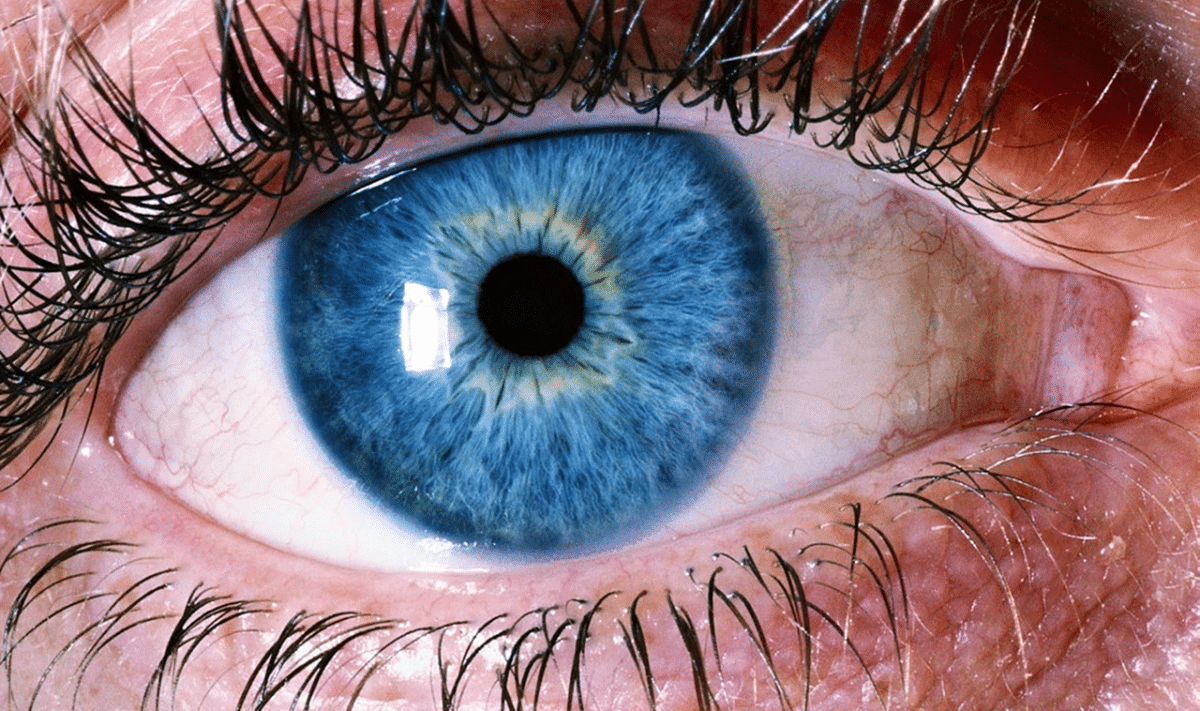
Predicting eye color is another interesting activity you can introduce at the high school level. Start by making a list of the different possible allele combinations for each eye color.

You can have students calculate the probability of their eye color based on the eye color of their parents, or have students determine the allele combinations of two parents based on the phenotypes of their children.

Eye color is more complex than other phenotypes and gives students an opportunity to create more advanced worksheets that reflect the different possible allele combinations of the parents based on their phenotypes.

You can make things more complicated and combine eye color with hair color.

Research

Have students research different genetic traits and create a presentation on how these traits are inherited. You can have students work in groups and assign a trait to each group.

Students will have to define the trait you assigned to them, explain how it is inherited, and create different Punnett squares that show how the trait can be inherited or skip a generation.

Here are a few examples:

  • A specific hair color.
  • A specific eye color.
  • Tongue rolling.
  • Freckles.
  • Free or attached earlobes.

This project will help students understand how complex genetic inheritance is and will also help them connect what they learned in class with real-world examples.

AP Level

Cat Coat Genetics

Students can look at pictures of cats and predict what the offspring will look like with Punnett squares. This is similar to the bear fur activity, but cat coat genetics are more complex.

Students will have to work with genotypes that affect hair length as well as color. Here are a few facts to help you get started with planning this activity:

  • A cat with short hair will have an LL or Ll genotype.
  • A cat with long hair will have an ll genotype.
  • A cat that is entirely white can have a WW or Ww genotype. A cat with white fur and some colored hair has a ww genotype.
  • White cats can have a W allele and another allele for a dense pigment or piebald spotting.
  • There is a gene for dense pigment. A black, brown, or orange cat will have a DD or Dd allele combination.
  • A cat with gray, cream or light brown fur will have a dd allele combination.
  • Piebald cats with the SS and Ss allele combination have some white hair, while piebald cats with no white hair have the ss genotype.

Genetic Disorders

Genetic Disorder

You can combine the Punnett square with topics like genetic disorders. Studying how sickle cell anemia is inherited could be an interesting project for AP level students.

You can have students create a worksheet to determine the probability of a child inheriting sickle cell anemia based on the parent’s allele combinations.

Have Students Create A Species

Have students design a species from scratch to test their understanding of genetic rules. Ask them to make a list of dominant and recessive traits. Determine how many traits students will have to work with depending on how much time you want them to spend on this project.

Creating a species and determining how common some genetic traits are going to be is a great way to make sure students have a solid understanding of the Punnett square. You can have students create illustrations for the different genetic combinations.

You can go further and ask students to create genetic traits for an imaginary species, determine which traits are dominant and recessive, and ask them to create problems that other students will have to solve.