|
||||||||||||||||||||||||||||||||||||||||||||||||
|
|
||||||||||||||||||||||||||||||||||||||||||||||||
|
| Reptiles All Materials © Cmassengale |  |
Evolution of Reptiles:


Amniote Egg:
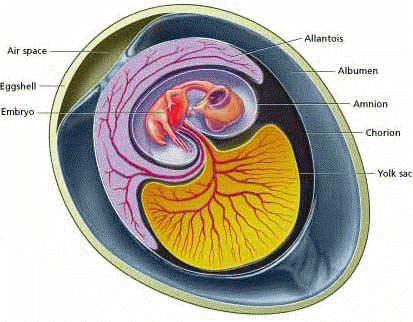
Terrestrial Adaptations:
Modern Reptiles:
Rhyncocephalia:
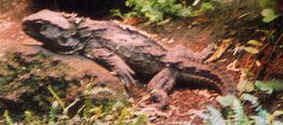
Tuatara
Chelonia:
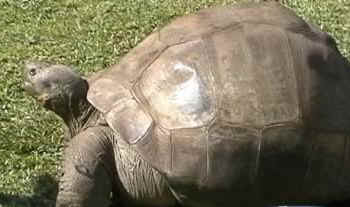

Spotted Turtle
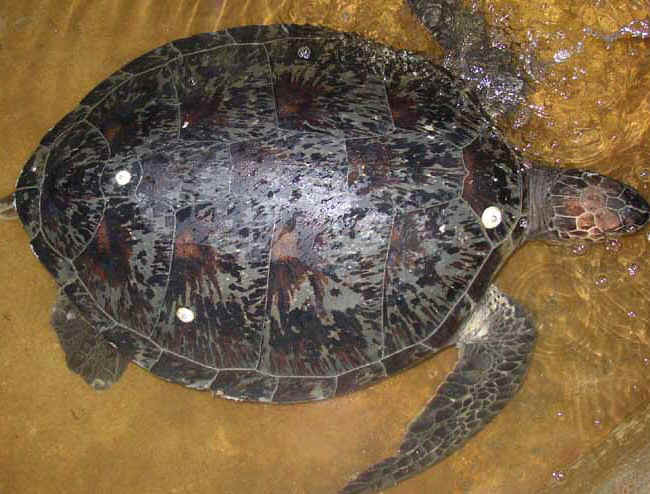
Marine Turtle
Crocodilia:
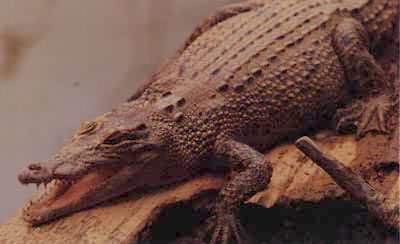
Australian Crocodile

American Alligator

Black Caiman

Gavial
Squamata:

Spitting Cobra
 |
 |
| Rattlesnake | Water Moccasin |

Gila Monster
|
|||||||||||||||||||||||||||||||||||||||||||||||||||||||||||||||||||||||||||
|
| Name:
Bacteria |
|
True/False
Indicate whether the sentence or statement is true or false.
|
||
| 1. |
Gram-negative bacteria have a thick layer of peptidoglycan that stains purple.
|
|
| 2. |
Bacteria lack nuclei and therefore also lack genetic material.
|
|
| 3. |
Bacterial cells have membrane-bound organelles and chromosomes.
|
|
| 4. |
Bacterial cells are usually much larger than eukaryotic cells.
|
|
| 5. |
Bacteria are incapable of movement themselves; they can only get to new locations by growing toward them or by forming endospores and being carried in air or water.
|
|
| 6. |
Some bacteria cannot survive in the presence of oxygen.
|
|
| 7. |
When bacteria undergo nonreproductive genetic recombination, their bacterial chromosome is altered.
|
|
| 8. |
Certain antibiotics have become ineffective against certain strains of bacteria. These bacteria have developed a resistance, which may be passed on from one generation of bacteria to the next.
|
|
| 9. |
The photoautotrophic bacteria are the only bacteria that are indirectly beneficial to humans.
|
|
|
Completion
Complete each sentence or statement.
|
||
| 10. |
Spiral bacteria are called ____________________.
|
|
| 11. |
Spherical bacteria are called ____________________.
|
|
| 12. |
Rod-shaped bacteria are called ____________________.
|
|
| 13. |
The procedure used to distinguish between two types of bacterial cell wall structures is called ____________________.
|
|
| 14. |
Protective structures that some bacteria may form under harsh conditions are ____________________.
|
|
| 15. |
The cell walls of Gram-negative eubacteria are composed of a combination of polysaccharide and polypeptide called ____________________.
|
|
| 16. |
Bacteria that obtain their energy by removing electrons from inorganic molecules, rather than obtaining energy from the sun, are called ____________________ bacteria.
|
|
| 17. |
In general, organisms that obtain their energy from sunlight are called ____________________.
|
|
| 18. |
Bacteria that are heterotrophic and feed on dead organic matter are called ____________________.
|
|
| 19. |
A(n) ____________________ is a substance that can be obtained from bacteria or fungi and can be used as a drug to fight pathogenic bacteria.
|
|
| 20. |
Many bacteria are ____________________ and play an important role in recycling carbon, nitrogen, and other elements, while other bacteria are ____________________ and assemble organic compounds from carbon dioxide, nitrogen, and other elements.
|
|
  |
|
|