Graphing Practice

Graphing Practice

Introduction

  • Graphing is an important procedure used by scientists to display the data that is collected during a controlled experiment
  • Line graphs must be constructed correctly to accurately portray the data collected
  • Many times the wrong construction of a graph detracts from the acceptance of an individual’s hypothesis
  • A graph contains five major parts:
    a. Title
    b. The independent variable
    c. The dependent variable
    d. The scales for each variable
    e. A legend
  • The title: depicts what the graph is about. By reading the title, the reader should get an idea about the graph. It should be a concise statement placed above the graph.
  • The Independent Variable: is the variable that can be controlled by the experimenter. It usually includes time (dates, minutes, hours), depth (feet, meters), temperature (Celsius). This variable is placed on the X axis (horizontal axis).
  • The Dependent Variable: is the variable that is directly affected by the independent variable. It is the result of what happens because of the independent variable. Example: How many oxygen bubbles are produced by a plant located five meters below the surface of the water? The oxygen bubbles are dependent on the depth of the water. This variable is placed on the Y-axis or vertical axis.
  • The Scales for each Variable: In constructing a graph one needs to know where to plot the points representing the data. In order to do this a scale must be employed to include all the data points. This must also take up a conservative amount of space. It is not suggested to have a run on scale making the graph too hard to manage. The scales should start with 0 and climb based on intervals such as: multiples of 2, 5, 10, 20, 25, 50, or 100. The scale of numbers will be dictated by your data values.
  • The Legend: is a short descriptive narrative concerning the graph’s data. It should be short and concise and placed under the graph.
  • The Mean for a group of variables: To determine the mean for a group of variables, divide the sum of the variables by the total number of variables to get an average.
  • The median for a group of variables: To determine median or “middle” for an even number of values, put the values in ascending order and take the average of the two middle values.    e.g.    2, 3, 4, 5, 9, 10     Add 4+5 (2 middle values) and divide by 2 to get 4.5
  • The mode for a group of variables: The mode for a group of values is the number that occurs most frequently.     e.g.   2, 5,  8, 2,  6,  11    The number 2 is the mode because it occurred most often (twice)  

Procedure 1:
Using the following data, answer the questions below and then construct a line graph.


Depth in meters Number of Bubbles / minute Plant A Number of Bubbles / minute Plant B
2 29 21
5 36 27
10 45 40
16 32 50
25 20 34
30 10 20


1. What is the dependent variable and why?  

2. What is the independent variable and why?

3. What title would you give the graph? .

4. What are the mean, median, and mode of all 3 columns of data? 

a). Depth :                      Mean____________Median__________Mode________ 

b). Bubble Plant A.:        Mean ____________Median_________Mode________ 

c). Bubbles Plant B:        Mean ____________Median_________Mode________

Graph Title: _________________________________________________________

Legend: ______________________________________________________________ 

Procedure 2:
Diabetes is a disease affecting the insulin producing glands of the pancreas. If there is not enough insulin being produced by these cells, the amount of glucose in the blood will remain high. A blood glucose level above 140 for an extended period of time is not considered normal. This disease, if not brought under control, can lead to severe complications and even death. 

Answer the following questions concerning the data below and then graph it.  


Time After Eating hours Glucose mg /dL of Blood Person A Glucose mg /dL of Blood Person B
0.5 170 180
1 155 195
1.5 140 230
2 135 245
2.5 140 235
3 135 225
4 130 200


 1. What is the dependent variable and why?

2. What is the independent variable and why?

3. What title would you give the graph?

4. Which, if any, of the above individuals (A or B) has diabetes? 

5. What data do you have to support your hypothesis? 

6. If the time period were extended to 6 hours, what would the expected blood glucose level for Person B? 

Title: ________________________________________________________________

Legend: ______________________________________________________________

Summary:
1. What conclusions can be determined from the data in graph 1?

2. What conclusions can be determined from the data in graph 2?

3. Can the data in each of these graphs be used to construct other types of graphs?

4. If so, what other graph types can be constructed?


BACK


Click Here for Notebook Copy

Fruitfly Lab


Report by Josh Jackson


BACK

Gene Expression


Gene Expression [18,787 bytes]


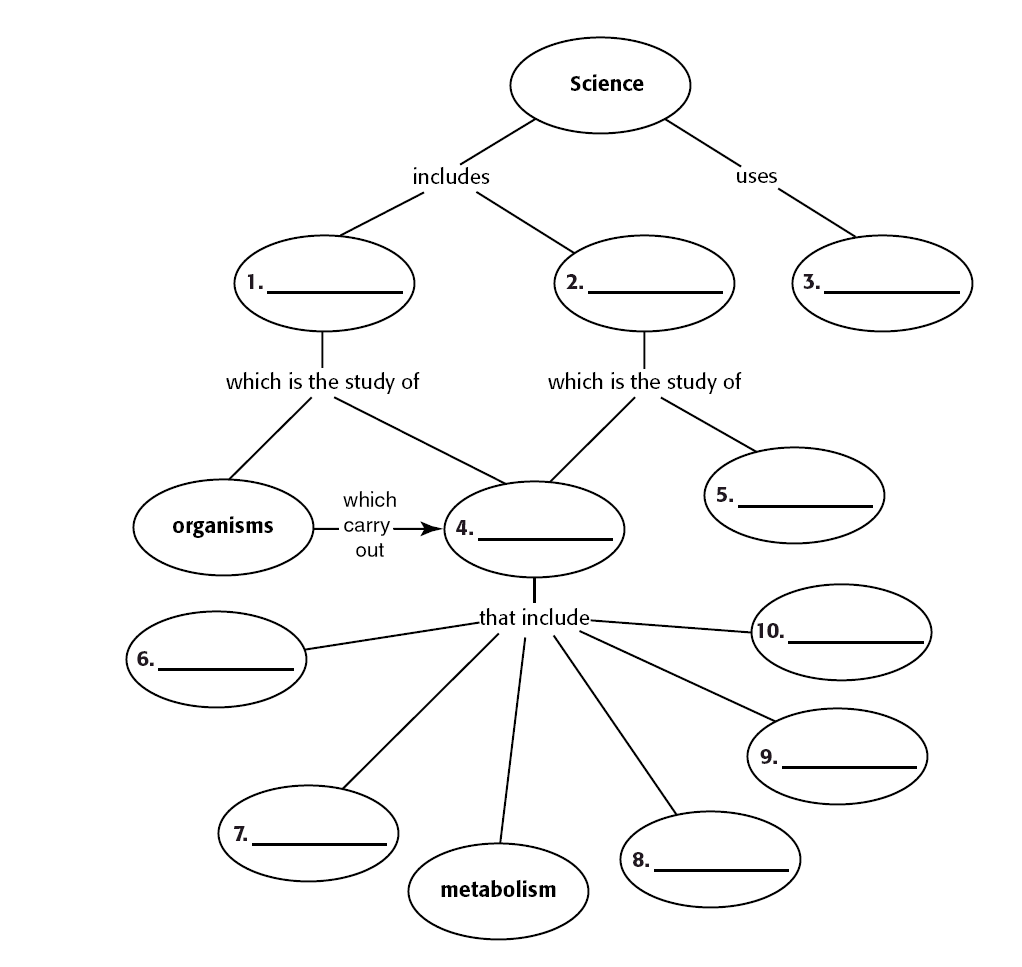
Section 11-1     Control of Gene Expression


1. Cells use ______________________ to build hundreds of different________________each with a unique ____________________________.

2. Are all proteins used by a cell at any one time? If not, how do cells control this?

3. Define gene expression.

4. When are proteins produced?

5. What is the genome?

6. What are the 2 steps of gene expression?

7. What 2 scientists determined how genes are expressed in prokaryotes?

8. What gene & in what organism did Jacob & Monod make their discoveries about gene expression?

9. Name the 3 regulatory elements on the DNA of the E. coli bacterium and tell the function of each.

10. What is an operon & what 3 things is it made up of?

11. What name did Jacob & Monod give their gene & why?

12. If lactose is not present, what attaches to the operator?

13. Define repressor protein and give its function.

14. Define repression.

15. What occurs if lactose is present in the E. coli in lactose metabolism?

16. What is an inducer?

17. What is an inducer for E. coli in lactose metabolism?

18. How does the genome of eukaryotes compare with that of prokaryotes?

19. Are operons found in eukaryotes?

20. Each eukaryotic cell contains a ___________________ set of genes, but only some genes

are ______________________ at a given time.

21. What controls much of the gene expression in eukaryotes?

22. What is euchromatin?

23. Some sections of chromatin always remain coiled preventing what process?

24. Name & define the 2 kinds of segments found behind the promoter in eukaryotes.

25. Where do the processes of transcription & translation take place in prokaryotes?

26. Where do these processes take place in eukaryotes?

27. Are introns and/or exons transcribed?

28. What is pre-mRNA and how is mRNA formed from this?


Section 11-2     Gene Expression and Development


29. Multicellular, sexually reproducing organisms begin life as a _____________________with all cells containing the same _______________________.

30. Genes may be turned ______________ and _____________as various ___________________ are needed by the cells.

31. What is cell differentiation?

32. Define morphogenesis.

33. What genes determine what anatomical structures an organism will develop during morphogenesis?

34. What is a tumor and what are the 2 main types?

35. Define benign tumor.

36. Are benign tumors dangerous? Explain.

37. What treatment do doctors use with benign tumors?

38. Define malignant tumor.

39. Malignant tumors are commonly known as ____________________________.

40. What is metastasis & what happens to the body when this occurs?

41. How are malignant tumors categorized?

42. Name & describe 4 types of malignant tumors.

43. Lung cancer & breast cancer are what type of tumors?

44. When do normal cells stop dividing? Do cancer cells respond the same way? Explain.

45. What trait of cancer cells facilitates the spread of cancer cells in the body?

46. What is a carcinogen & give 5 examples?

47. What causes most lung cancer?

48. What is the effect of mutagens on cells?

49. What are oncogenes?

50. Certain ____________________ can cause cancer in plants & animals.

BACK


Genetic Notes Bi


Mendelian Genetics 


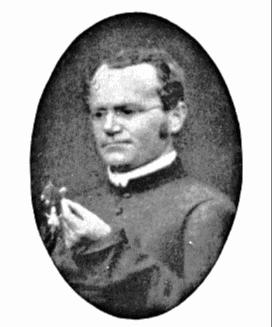
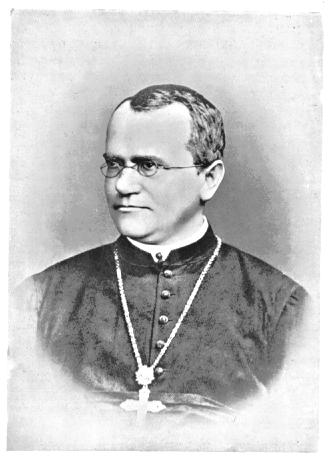
Mendel 1862 Mendel 1868 Mendel 1880
1862 1868 1880


Genetic Terminology:

  • Trait – any characteristic that can be passed from parent to offspring
  • Heredity – passing of traits from parent to offspring
  • Genetics – study of heredity
  • Alleles – two forms of a gene (dominant & recessive)
  • Dominant – stronger of two genes expressed in the hybrid; represented by a capital letter (R)
  • Recessive – gene that shows up less often in a cross; represented by a lower case letter (r)
  • Genotype – gene combination for a trait (e.g. RR, Rr, rr)
  • Phenotype – the physical feature resulting from a genotype (e.g. tall, short)
  • Homozygous genotype – gene combination involving 2 dominant or 2 recessive genes (e.g. RR or Rr); also called pure 
  • Heterozygous genotype – gene combination of one dominant & one recessive allele    (e.g. Rr); also called hybrid
  • Monohybrid cross – cross involving a single trait
  • Dihybrid cross – cross involving two traits
  • Punnett Square – used to solve genetics problems

Blending Concept of Inheritance:

  • Accepted before Mendel’s experiments
  • Theory stated that offspring would have traits intermediate between those of its parents such as red & white flowers producing pink
  • The appearance of red or white flowers again was consider instability in genetic material
  • Blending theory was of no help to Charles Darwin’s theory of evolution 
  • Blending theory did not account for variation and could not explain species diversity
  • Particulate theory of Inheritance, proposed by Mendel, accounted for variation in a population generation after generation
  • Mendel’s work was unrecognized until 1900

Gregor Mendel:

  • Austrian monk
  • Studied science & math at the University of Vienna
  • Formulated the laws of heredity in the early 1860’s
  • Did a statistical study of  traits in garden peas over an eight year period


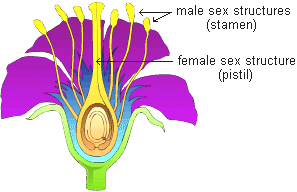
drawing of a flower cross-section showing both male and female sexual structures


Why peas, Pisum sativum?

  • Can be grown in a small area
  • Produce lots of offspring
  • Produce pure plants when allowed to self-pollinate several generations
  • Can be artificially cross-pollinate

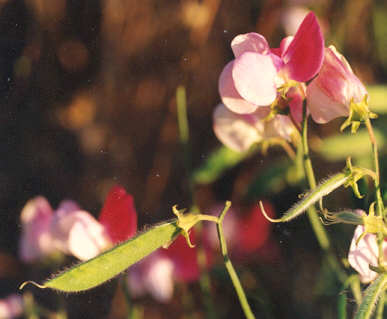
Picture of Pisum sativum
GARDEN PEA

Mendel’s Experiments:

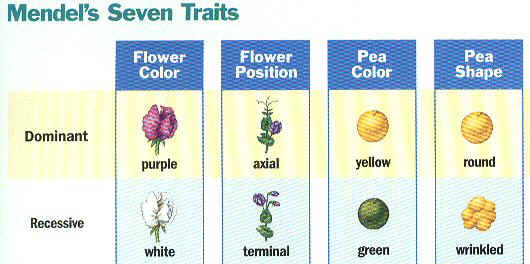
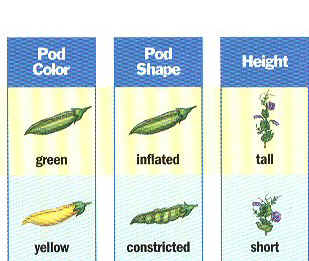
  • Mendel studied simple traits from 22 varieties of  pea plants (seed color & shape, pod color & shape, etc.)
  • Mendel traced the inheritance of individual traits & kept careful records of numbers of offspring
  • He used his math principles of probability to interpret results
  • Mendel studied pea traits, each of which had a dominant & a recessive form (alleles)
  • The dominant (shows up most often) gene or allele is represented with a capital letter, & the recessive gene with a lower case of that same letter (e.g. B, b)
  • Mendel’s traits included:

         a. Seed shape —  Round (R) or Wrinkled (r)
            b. Seed Color —- Yellow (Y) or  Green (y)
            c. Pod Shape — Smooth (S) or wrinkled (s)
            d. Pod Color —  Green (G) or Yellow (g)
            e. Seed Coat Color —  Gray (G) or White (g)
            f. Flower position — Axial (A) or Terminal (a)
            g. Plant Height — Tall (T) or Short (t)
            h. Flower color — Purple (P) or white (p)


  •  Mendel produced pure strains by allowing the plants to self-pollinate for several generations
  • These strains were called the Parental generation or P1 strain
  • Mendel cross-pollinated two strains and tracked each trait through two
    generations (e.g. TT  x  tt )


                  Trait – plant height

                  Alleles – T tall, t short

    P1 cross    TT  x  tt

    genotype      —    Tt
    t t phenotype    —    Tall
    T Tt Tt genotypic ratio –all alike
    T Tt Tt phenotypic ratio- all alike


  • The offspring of this cross were all hybrids showing only the dominant trait & were called the First Filial or F1 generation
  • Mendel then crossed two of his F1 plants and tracked their traits; known as an F1 cross


              Trait – plant height

              Alleles – T tall, t short

F1 cross    Tt  x  Tt

genotype      —    TT, Tt, tt
T t phenotype    —    Tall & short
T TT Tt genotypic ratio —1:2:1
t Tt tt phenotypic ratio- 3:1


  • When 2 hybrids were crossed, 75% (3/4) of the offspring showed the dominant trait & 25% (1/4) showed the recessive trait; always a 3:1 ratio
  • The offspring of this cross were called the F2 generation
  • Mendel then crossed a pure & a hybrid from his F2 generation; known as an F2 or test cross


Trait   –  Plant Height
Alleles – T  tall, t  short

F2 cross       TT  x Tt

F2 cross       tt  x Tt

T t T t
T TT Tt t Tt tt
T TT Tt t Tt tt
          genotype – TT, Tt           genotype – tt, Tt
          phenotype  –  Tall           phenotype  –  Tall & short
          genotypic ratio  – 1:1           genotypic ratio  – 1:1
          phenotypic ratio – all alike           phenotypic ratio – 1:1


  • 50% (1/2) of the offspring in a test cross showed the same genotype of one parent & the other 50% showed the genotype of the other parent; always a 1:1 ratio

Problems: Work the P1, F1, and both F2 crosses for all of the other pea plant traits & be sure to include genotypes, phenotypes, genotypic & phenotypic ratios.

  • Mendel also crossed plants that differed in two characteristics (Dihybrid Crosses)
    such as seed shape & seed color
  • In the P1 cross, RRYY  x  rryy, all of the F1 offspring showed only the dominant form for both traits; all hybrids, RrYy


Traits:      Seed Shape & Seed Color

Alleles:     R round                Y yellow
r wrinkled             y green

 P1 Cross:     RRYY          x     r r yy  


ry Genotype:      RrYy
RY RrYy
Phenotype:      Round yellow seed
Genotypic ratio:      All alike
Phenotypic ratio:      All Alike


  • When Mendel crossed 2 hybrid plants (F1 cross), he got the following results


Traits:       Seed Shape & Seed Color

Alleles:     R round                Y yellow
r wrinkled             y green

     F1 Cross:     RrYy           x     RrYy                   
RY Ry rY ry
RY
RRYY

RRYy

RrYY

RrYy
Ry
RRYy

RRyy

RrYy

Rryy
rY
RrYY

RrYy

r rYY

r rYy
ry
RrYy

Rryy

r rYy

r ryy


Genotypes Genotypic Ratios Phenotypes Phenotypic Ratios
RRYY 1 Round yellow seed
9
RRYy 2
RrYY 2
RrYy 4
RRyy 1 Round green seed
3
Rryy 2
r rYY 1 Wrinkled yellow seed
3
r rYy 2
r ryy 1 Wrinkled green seed
1


Problems: Choose two other pea plant traits and work the P1 and F1 dihybrid crosses. Be sure to show the trait, alleles, genotypes, phenotypes, and all ratios. 

Results of Mendel’s Experiments:

  • Inheritable factors or genes are responsible for all heritable characteristics
  • Phenotype is based on Genotype
  • Each trait is based on two genes, one from the mother and the other from the father
  • True-breeding individuals are homozygous ( both alleles) are the same
  • Law of Dominance states that when different alleles for a characteristic are inherited (heterozygous), the trait of only one (the dominant one) will be expressed. The recessive trait’s phenotype only appears in true-breeding (homozygous) individuals


Trait: Pod Color
Genotypes: Phenotype:
GG Green Pod
Gg Green Pod
gg Yellow Pod


  • Law of Segregation states that each genetic trait is produced by a pair of alleles which separate (segregate) during reproduction


Rr
R r


  • Law of Independent Assortment states that each factor (gene) is distributed (assorted) randomly and independently of one another in the formation of gametes


RrYy

RY Ry rY ry


Other Patterns of Inheritance:

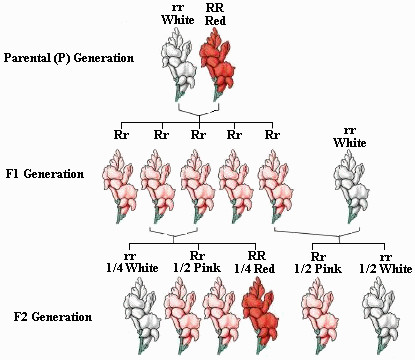
  • Incomplete dominance occurs in the heterozygous or hybrid genotype where the 2 alleles blend to give a different phenotype
  • Flower color in snapdragons shows incomplete dominance whenever a red flower is crossed with a white flower to produce pink flowers

  • In some populations, multiple alleles (3 or more) may determine a trait such as in ABO Blood type
  • Alleles A & B are dominant, while O is recessive


Genotype Phenotype
IOIO Type O
IAIO Type A
IAIA Type A
IBIO Type B
IBIB Type B
IAIB Type AB


  • Polygenic inheritance occurs whenever many variations in the resulting phenotypes such as in hair, skin, & eye color
  • The expression of a gene is also influenced by environmental factors (example: seasonal change in fur color)


Genetics of Drosophila Melanogaster


Genetics of Drosophila melanogaster

Introduction:
Gregor Mendel revolutionized the study of genetics. By studying genetic inheritance in pea plants, Gregor Mendel established two basic laws of that serve as the cornerstones of modern genetics: Mendel’s Law of Segregation and Law of Independent Assortment. Mendel’s Law of Segregation says that each trait has two alleles, and that each gamete contains one and only one of these alleles. These alleles are a source of genetic variability among offspring. Mendel’s Law of Independent Assortment says that the alleles for one trait separate independently of the alleles for another trait. This also helps ensure genetic variability among offspring.
Mendel’s laws have their limitations. For example, if two genes are on the same chromosome, the assortment of their alleles will not be independent. Also, for genes found on the X chromosome, expression of the trait can be linked to the sex of the offspring. Our knowledge of genetics and the tools we use in its study have advanced a great deal since Mendel’s time, but his basic concepts still stand true.
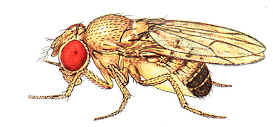
Drosophila melanogaster, the common fruit fly, has been used for genetic experiments since T.H. Morgan started his experiments in1907. Drosophila make good genetic specimens because they are small, produce many offspring, have easily discernable mutations, have only four pairs of chromosomes, and complete their entire life cycle in about 12 days. They also have very simple food requirements. Chromosomes 1 (the X chromosome), 2, and 3 are very large, and the Y chromosome – number 4 – is extremely small. These four chromosomes have thousands of genes, many of which can be found in most eukaryotes, including humans.
Drosophila embryos develop in the egg membrane. The egg hatches and produces a larva that feeds by burrowing through the medium. The larval period consists of three stages, or instars, the end of each stage marked by a molt. Near the end of the larval period, the third instar will crawl up the side of the vial, attach themselves to a dry surface, and form a pupae. After a while the adults emerge.
Differences in body features help distinguish between male and female flies. Females are slightly larger and have a light-colored, pointed abdomen. The abdomen of males will be dark and blunt. The male flies also have dark bristles, sex combs, on the upper portion of the forelegs.

Hypothesis:
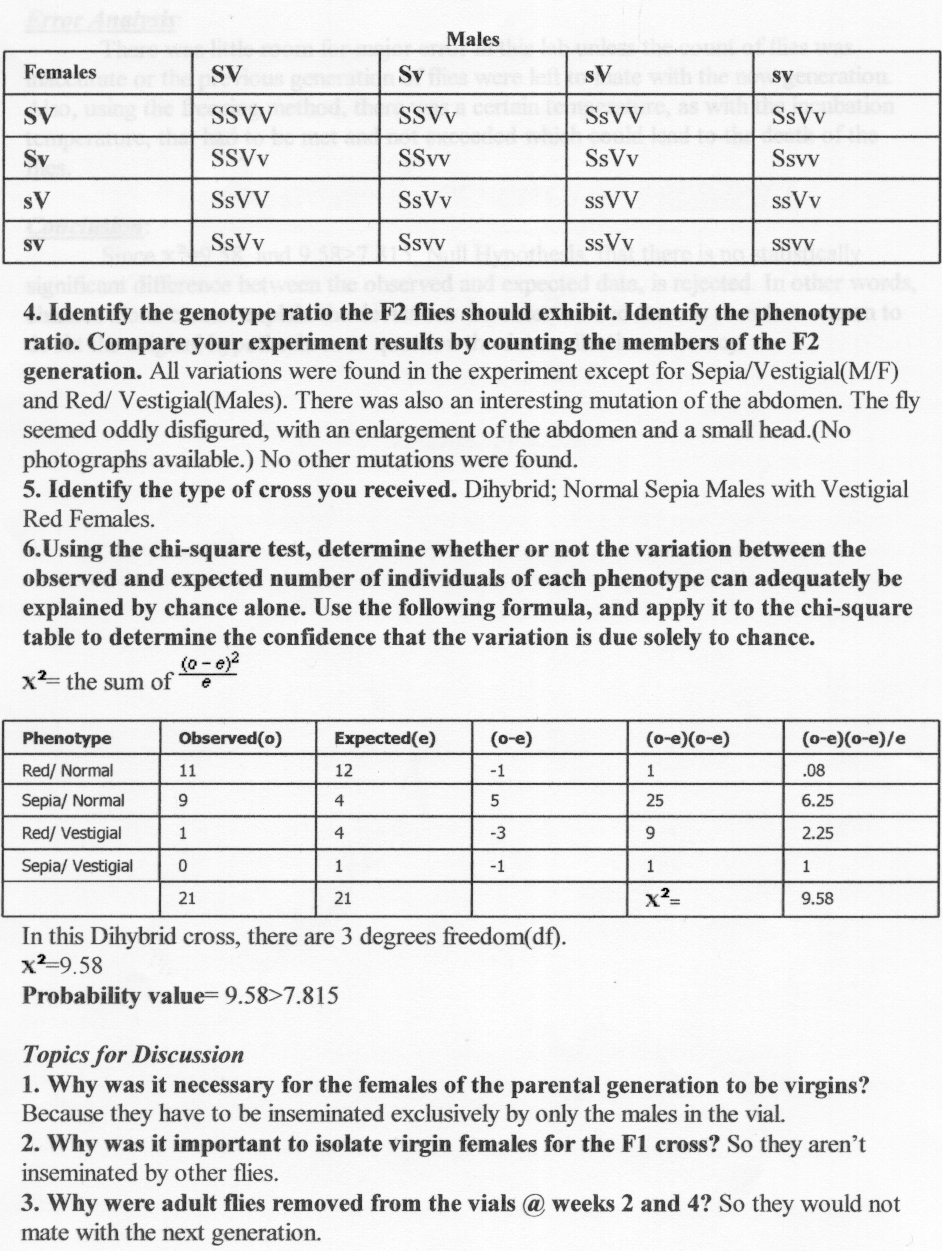
After performing a dihybrid cross between males with normal wings and sepia eyes and females with vestigial wings and red eyes, we expect to see only hybrids with normal wings and red eyes in the first filial generation. Then we expect to observe a 9:3:3:1 ratio of phenotypes in the second filial generation.

Materials and Methods:
The materials used for this lab were:  culture vial of dihybrid cross, isopropyl alcohol 10%, camel’s hair brush, thermo-anesthetizer, petri dish, 2 Drosophila vials and labels, Drosophila medium, fly morgue.

A vial of wild-type Drosophila was thermally immobilized and the flies were placed in a petri dish. Traits were observed. A vial of prepared Drosophila was immobilized and then observed under a dissecting microscope. Males and females were separated and mutations were observed and recorded. The parental generation was placed in the morgue. The vial was placed in an incubator to allow the F1 generation to mature.
The F1 generation was immobilized and examined under a dissecting microscope. The sex and mutations of each fly were recorded. Five mating pairs of the F1 generation were placed into a fresh culture vial, and the vial was placed in an incubator. The remaining F1 flies were placed in the morgue. The F1 flies were left in the vial for about a week to mate and lay eggs. Then the adults were removed and placed in the morgue. The vial was placed back in the incubator to allow the F2 generation to mature. The F2 generation was immobilized and examined under a dissecting microscope. The sex and mutations of each fly were recorded.

Results:  

Table 1 Phenotypes of the Parental Generation

Phenotypes Number of Males Number of Females
Normal wings/red eyes 0 0
Normal wings/sepia eyes 3 0
vestigial wings/red eyes 0 4
vestigial wings/sepia eyes 0 0

Table 2  Phenotypes of the F1 Generation

Phenotype Number of Males Number of Females
Normal wings/red eyes 78 95
Normal wings/sepia eyes 0 0
vestigial wings/red eyes 0 0
vestigial wings/sepia eyes 0 0

Table 3  Phenotypes of the F2 Generation

Phenotypes Number of Males  Number of Females
Normal wings/red eyes 4 7
Normal wings/sepia eyes 4 5
vestigial wings/red eyes 0 1
vestigial wings/sepia eyes 0 0
normal red/mutated body shape 2 0
normal sepia/mutated body shape 1 0

Questions

  1. How are the alleles for genes on different chromosomes distributed to gametes? What genetic principle does this illustrate?
    The alleles on different chromosomes are distributed independently of one another, demonstrating Mendel’s Law of Independent Assortment.
  2. Why was it important to have virgin females for the first cross (yielding the F1 generation), but not the second cross (yielding the F2 generation)?
    It was important to have virgin females for the first cross to ensure that the offspring are the result of the desired cross. It was not necessary to isolate virgin females for the second cross because the only male flies to which they had been exposed were also members of the F1 generation.
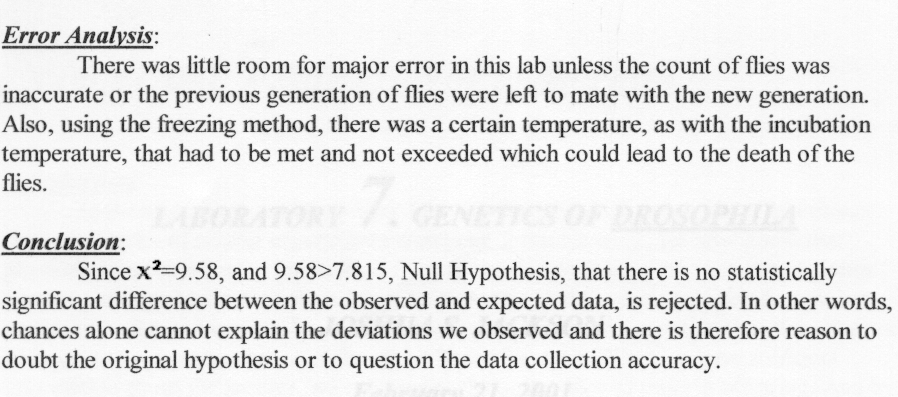
  3. What did the chi-square test tell you about the validity of your experiment data? What is the importance of such a test?
    The chi-square test showed that the results of our first cross were valid, but that the results of our F1 cross were not normal. It is important to conduct such a test to determine how much your experimental data deviated from what was expected.

Discussion and Conclusion:
The results of our parental cross turned out just as expected, but our F2 generation was not normal. Some sort of mutation must have occurred that caused the strange body shape seen in several individuals of our F2 generation.