What Is Osmosis in Biology? Understanding How Solvents Break the Barrier

Are you getting ready for your first biology class? Or are you trying to shake off the cobwebs and remember your biology from years ago? Either way, you may be asking, what is osmosis in biology?

We want to answer this question in a way that is thorough and understandable at the same time. Dust off your old textbook and put on your reading glasses as you find answers to the question, “What is osmosis in biology?”

What Is Osmosis In Biology?

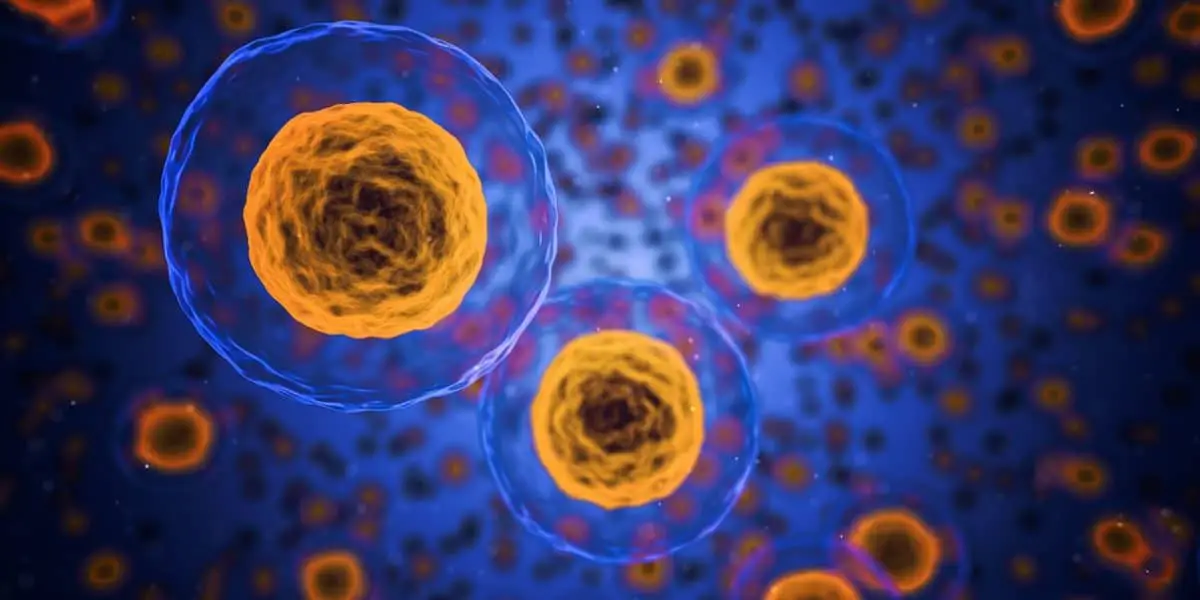
Osmosis is a type of diffusion. In biology, it is related to cells. Osmosis happens when a solvent flows through a cell membrane, to balance the concentration of a solute — such as salt. If water is a solvent, it will be affected by the amount of salt (solute) that it contains.

Understanding Diffusion

Diffusion happens when molecules move from a highly concentrated area to a less concentrated region. Solids, liquids, and gasses can all diffuse.

When a liquid such as water diffuses in cellular biology, it crosses a semipermeable membrane to balance the concentrations of substances within the cells. As water flows in or out of a cell, the concentration of solutes affects its travel.

Semipermeable Membranes

To answer the question, what is osmosis in biology, we have to understand semipermeable membranes.

Semipermeable membranes are membranes that allow specific molecules or solvents to pass through by diffusion. Every cell in the human body has a cellular membrane, and they are semipermeable.

That word breaks down: “semi” in this biology word means “partly”, and “permeable” means “able to be passed through, or permeated.” So, semipermeable membrane means a membrane partially able to be crossed.

Some things can pass through, and others cannot.

Osmosis happens as solvents pass into and out of the cell, crossing that semipermeable membrane.

Osmosis in Plants and Animals

Plant cells need more water than animal cells. Plants have thicker cell walls that can contain more solution before bursting. For that reason, plants can thrive with the diffusion of hypotonic solutions.

Hypotonic solutions have a much higher ratio of solvent to solute. Hypotonic solutions can make animal cells burst; animal cells have thinner cell walls than plant cells.

Isotonic solutions are much better for diffusion in animal cells. Isotonic solutions contain equal amounts of solvent and solute. Conversely, isotonic solutions will leave plants drooping and unhealthy.

Did you ever hear of someone pouring salt on a slug when they were a child? Hopefully not; but if you did you know the slug shriveled up and essentially disappeared. That is because the water left the slug’s cells in an attempt to balance the concentration of salt outside the cells.

That is osmosis in action.

Examples of Osmosis

Try it at home! If you are looking for an example of osmosis you can easily try at home, and you have some lettuce in your fridge (or any leafy green like kale or spinach) that has become wilted try this experiment:

Types of Solutions
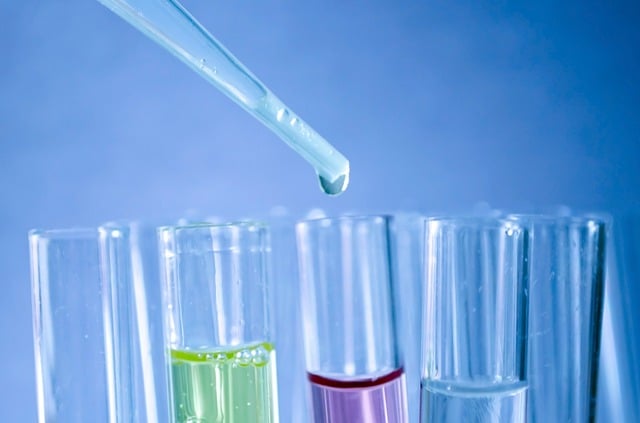
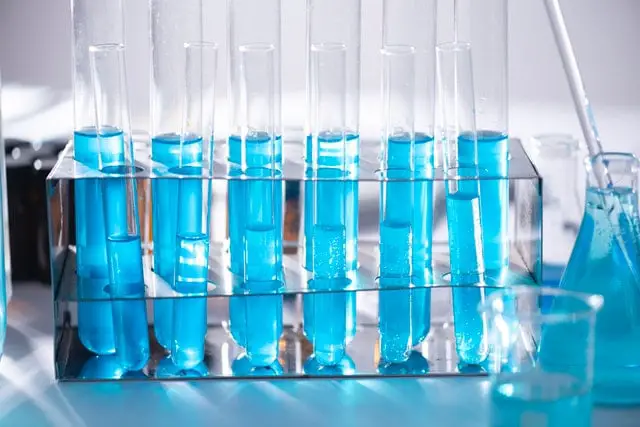
test tube

image source: pixabay.com

Every solution has a solvent and a solute. When you buy contact lens solution, you are essentially buying saltwater; water is the solvent and salt is the solution. The same is basically true of your tears.

Solutions

To answer the question, what is osmosis in biology, we have to understand the types of solutions in biology. Solutions include isotonic, hypotonic, and hypertonic.

Iso means “equal.”

Isotonic solutions have equal amounts of solutes inside and outside the cell. Therefore, isotonic solutions have no net movement because the concentration is already equal.

“Hypo” means “below” or “lower.”

Hypotonic solutions have lower concentrations of solutes outside of the cell than inside. This causes osmosis as solvents enter the cell to even the concentration.

Hyper means “high” or “above.”

Hypertonic solutions have higher concentrations of solutes outside the cell causing osmosis as solvents exit the cell to balance the concentration.

Osmosis Applications and Uses

We asked, what is osmosis in biology, and a logical follow-up question is, what are the applications of osmosis?

Another easy osmosis experiment to try at home:

You need two glass or ceramic cereal-sized bowls, one large carrot or two “baby” carrots, salt, and water.

  1. Pour water into both bowls, sufficient to cover the carrot(s).
  2. Stir salt into one of the bowls until it stops dissolving (hot water will dissolve the salt faster, but let it cool to room temp before adding the carrot).
  3. Place a baby carrot, or half of your large carrot, in both bowls.
  4. Wait: set a timer for one hour, and check your carrots at intervals throughout the day.

We can see something interesting when we drop a carrot into a bowl of saltwater. Within hours the carrot will have become a limp, orange piece of ribbon.

Why? Because the water left the carrot to balance the high concentration of salt surrounding the carrot.

Have you ever watched a suspense movie where the stranded travelers on a desert island are longing for something to drink and one wise traveler warns the others, “Do not drink the ocean water!” A diet of ocean water would leave your cells void of water as it traveled to counteract the salt.

Medicine

Noting the effect of osmosis on our cells, consider the role of osmosis in medicine. Our red blood cells are the giver of life to many who have undergone blood transfusions. In the meantime, red blood cells are stored in an isotonic solution. Remember the solution types?

An isotonic solution is measured to balance the concentration of solutes inside and outside the cells. If the blood cells were stored in a hypotonic or hypertonic solution, the cells would either lose their water or be overtaken by water. Either way, lives could be lost.

A similar phenomenon happens when medicine is received intravenously. If the medicine within the IV solution took on too much solution or lost too much solution, it would not achieve its intended purpose.

Fruits

Have you ever eaten a dehydrated peach chip? Or strawberry chip? Fruits are dehydrated and preserved through osmosis.

Fruits are made primarily of water, so as osmosis causes the water to leave the fruit, it becomes much less likely to spoil

Meat

The opposite is true of meats. Think of the days before refrigerators and ice boxes. How did people preserve their meat? They covered it with salt.

Why did they do that? Unlike fruits that are dehydrated, meats are preserved through drawing solvent into the meat. As the solvent enters, it brings the solute (salt) with it to prevent easy access for bacteria. Salt creates a hypertonic environment that is lethal to bacteria cells.

The Other Side of the Coin

Remember the folks on the desert island? While osmosis could lead to their death through the consumption of saltwater, osmosis could also be their best friend. Since osmosis is a two-way street, it flows into and out of cells depending on concentration levels, it can actually be used to turn saltwater into something salt-free and drinkable.

While the stranded folks wouldn’t have the proper tools to reverse osmosis on the desert island, it is not impossible for someone with an understanding of science and osmosis.

Basically, the pressure is created to push water from highly concentrated areas into an area away from the salt. Today, small units can actually be purchased to reverse osmosis and create safe drinking water.

Here’s an example of a large unit, used in Australia, to clean saltwater for drinking:

Conclusion
water
image source: pexels.com

What is osmosis in biology? Hopefully, you can now answer that question with some thoroughness.

Osmosis is a type of diffusion that happens when a solvent moves through a semipermeable membrane. In biology, water moves through our cells based on the concentration or ratio of solvent (water) to solute (salt).

Semipermeable membranes allow some solutions to pass through, meaning cells can take on too much water or lose too much water. If a cell is in a solution more concentrated than itself (hypertonic), water will enter the cell to balance the high concentration of salt without the cell.

Osmosis also plays a key role in carrying nutrients across the cell membrane. Likewise, waste is escorted out of the cell. Osmosis allows the roots of trees and plants to get the water and nutrients they need to grow strong and healthy.

In return, the plants feed us, either directly or by sustaining the herd animals we eventually eat. Plants rely on osmosis to live, and people rely on plants to live.

Aside from plants, osmosis also is crucial to man’s survival because it expels toxins and waste from our systems.

Hopefully, you have an understanding of osmosis as you move ahead in your biology class or as you reflect on your biology class from many years ago. Osmosis in biology is more than a scientific principle in an old textbook; it is a lifeline for both plants and animals.

You can look around you each day and see it at work, from tall trees in your backyard to patients recovering in the hospital with an IV feeding their veins. Practical examples of osmosis range from accident victims receiving emergency blood transfusions to little kids pouring salt on slugs.

Take note of the osmosis that happens in front of you each day and be amazed by the science all around you.

Featured image: pixabay.com
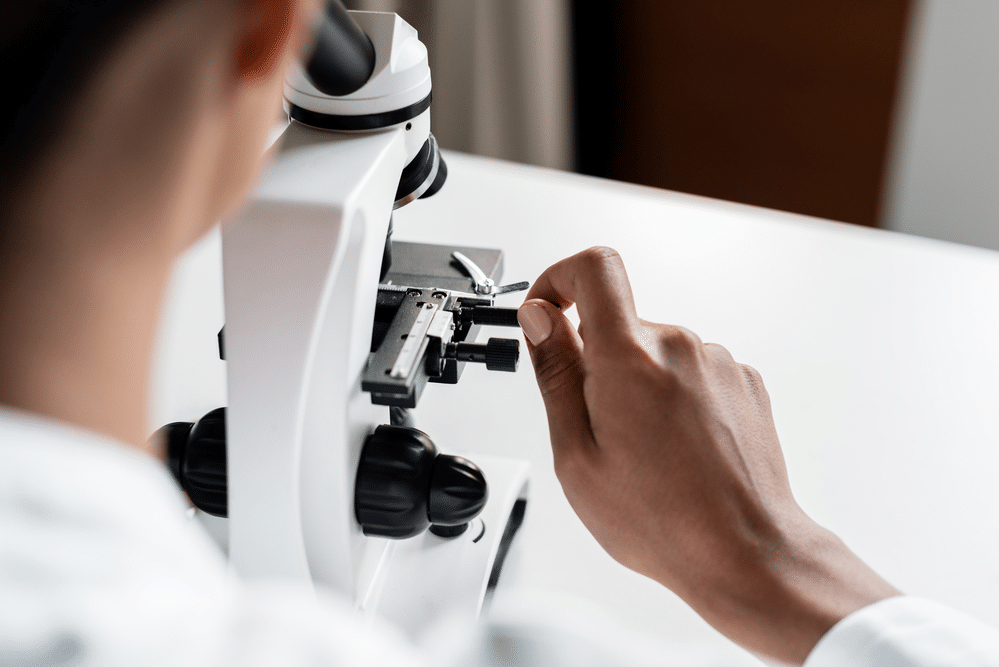
How to Prepare a Microscope Slide to Zoom In on a Specimen

Microscopes offer a great way to discover an entire universe that lies beyond what we can see with the naked eye. From harmful bacteria to beautiful and unique crystal shapes, microscopes open an entire world for us to explore which would otherwise be impossible to learn about. To experience this vast but minuscule new world it is important to know how to prepare a microscope slide for the different materials you’ll want to examine close up.

This article serves as a simple, easy-to-follow guide on how to prepare a microscope slide. This includes a list of the materials needed to mount slides, an explanation of the different techniques of mounting slides and when to use them, what techniques to use for the best results depending upon the specimen, and which style of slides to choose for which type of observations you’ll be making. Follow this easy guide to explore what the microscopic world has to offer!

How to Prepare a Microscope Slide

Gather the Materials Needed

When considering how to prepare a microscope slide, you should first gather all the necessary materials for creating slides. As you will see later on in this instructional guide, different types of materials you wish to observe under a microscope call for different types of slide mounts. Also, the different types of observations you wish to make each have their own requirements regarding shape of the slide you should use. Regardless of what you are observing and how you will observe it, there are certain basic materials you will need. These materials include:

  • Slides
  • Coverslips
  • Pipette (also called a dropper)
  • Tweezers
  • Cotton or paper towel
  • Petroleum jelly
  • Stains (chemical or organic)
  • Fluids for wet mounting
  • Samples of the material you wish to observe

Microscope slides can be made of glass or plastic, feature a flat or concave shape, and each one will have its own advantage and purpose, depending on what type of observations you will be doing. For example, plastic slides are more resilient and less likely to break, so they are safer to handle as they have no sharp edges, so they are a better choice if you’ll be preparing your microscope slides outside.

Glass slides generally have a better reflective index and are less likely to scratch, which allows for better photos to be taken of the specimens than those on plastic slides. Choosing glass or plastic slides is a personal choice, but regardless of the materials the slides are made of, the standard size of a typical microscope slide is approximately 1X3 inches and between 1mm-1.2mm thick.

Wet vs. Dry Mounts

There are two main methods of mounting microscope slides: the wet mount method and the dry mount method. The dry mount technique is simpler and is ideal for larger specimens that that are inorganic or dead matter. Feathers, pollen, hair samples, and insects are all Ideal examples for dry mounts. Thicker or opaque samples might have to be sliced thinly to allow light to pass through the specimen which will help you see things better under the microscope. Because these samples are lifeless, these slides rarely expire and can be preserved for longer periods of time.

Wet mounts are more complex and require more attention, so keep this in mind when planning how to prepare a microscope slide. Generally used for observing organisms that live in water and other liquids, such oils, glycerin, and brine, wet mounts are also useful for when the material itself is a fluid, such as observing blood. Anything that doesn’t require the addition of water to be observed under a microscope needs to be prepared on a wet mount.

It is also important to note that using a wet mount technique has its limitations concerning living organisms. Because wet mount slides will ultimately dehydrate the living organisms within the slide, those organisms have a limited lifespan while on the slide, and therefore there is a limited shelf life for the slide itself.

For example, certain organisms, such as protozoa, offer us a very limited window of observation, as they can only survive in a wet mount slide for approximately 30 minutes if the slide is allowed to dehydrate. A way to slow this process down and have more observation time in this situation would be to seal the edges of the slide with petroleum jelly. This way, the liquid will remain in the slide longer and the life of the slide will be extended for a few days.

Another issue concerning wet mount slides involves specimens that are too large to allow the coverslip to be placed comfortably on top and rest flatly on top. Here, you might place ground pieces of glass from a spare coverslip to encase the specimen to provide some extra space for the specimen to be secured. You may also place a small cotton strand around the edge to perform the same function and corral the specimen in place. This is also a great technique to use when live specimens are quick moving, as this will limit their movement and slow them down, giving you a better observation experience.

Smears, Squash, and Stains–How and When to Use Each

Knowing how to prepare a microscope slide properly also involves applying the proper technique, as different techniques are used depending on the material being observed. Depending upon which type of material you will be looking at under your microscope, you should use the right technique to get the best results. Using these three techniques under the right circumstances shows you are certain in how to prepare a microscope slide properly.

Smear Slides

Smear slides are fairly straightforward and create microscope slides that look exactly as the name suggests: a thin smear of material across the clear slide. This method is primarily used for blood samples or samples that are fluid in nature. This is done by using a pipette (or dropper) to place a drop of the material onto the slide. Using a second slide to smear the material across the first, you can create a very thin coating that allows for clear observation. This slide creation technique allows the specimen to dehydrate at a moderate pace.

Squash Slides

Squash slides are a way to prepare soft material for observation. Drop the fluid of choice onto the slide and press down slightly as to flatten the sample and squeeze the liquid from it without breaking the slide or coverslip. Use a tissue to absorb the excess liquid. This wet mounting technique is ideal for tissue or sponge samples.

Stain Solutions

Stain applications are a great way to distinguish between living and non-living cells in your specimen sample. This technique is primarily done in the biological science labs to help scientists identify diseases, especially different bacteria, and examine the minute characteristics of cells more closely.

Depending on what exactly you are trying to identify, there are several types of stains you can use, but the most common is iodine. Prepare the wet mount as you would with any other fluid, in this case using the staining solution, place the coverslip on the edge of the slide, and slowly pull the stained liquid sample across the slide. Use a paper towel to absorb the excess liquid.

Flat vs. Concave Slides—Which to Choose?

When first learning how to prepare a microscope slide, it is important to consider what type of material you will be observing. It is equally important to consider what type of observation will be best based on the consistency of the material of your sample. This is where you will decide whether you want to preserve your slide and keep it for further use, or if that is not possible, perhaps it is more practical to not use a coverslip for your wet mount. But how can you made observations under your microscope without a coverslip?

This is made possible through the use of a concave style slide. Also known as a depression slide or a well slide, this microscope slide is shaped so it can hold a drop of liquid in an indentation without the use of a cover. As expected, this option is considerably more expensive, but will allow you to observe a live organism and preserve it for future observation as flat wet mounts will shorten the life span of the specimen considerably. Concave slides also allow for free movement of specimens within the drop of water or fluid present.

Conclusion

Microscopes can lift the veil on a whole new world for you, your friends, and family, especially know that you know the various aspects about preparing microscope slides. Knowing how to prepare a microscope slide properly lets you to observe a variety of materials, witness what changes occur over time, compare specimens, and potentially preserve those specimens indefinitely! Learning how to prepare a microscope slide properly offers many benefits, and we hope this quick guide has given you the confidence you need to prepare slides of your own while you’re out in the field or in your home laboratory.

10 Questions To Study For A Mitosis Quiz In AP Biology

If you need to prep for a mitosis quiz in AP Biology, you are going to need to understand the difference between mitosis and meiosis thoroughly.

Many students fail to be able to identify the difference between the two biological processes accurately. So, you don’t want to get disappointing results on your mitosis quiz; there are a few key points you are going to want to study.

Remember to acquaint yourself with the following before you think you are prepared enough for a mitosis quiz.

  • There are six different stages of mitosis.
  • You want to be able to visualize and analyze diagrams displaying the stages of mitosis confidently.
  • It is good to be aware of any irregularities during mitosis and resulting genetic consequences

Give yourself ample time to take comprehensive notes when studying your AP Biology material. Don’t try to memorize everything, but seek to understand and make connections between the information. It may also be helpful to draw out the processes of mitosis, labeling each stage with a description that you can understand easily.

Ask yourself questions about what step comes next, and predict if something were to go wrong in the process what would be the result?

Taking steps to interact with your material will help you make more sense of things. You don’t want to only memorize and regurgitate the material without having a clear visual understanding of the what and why of the process.

What Is Mitosis?

Mitosis is the name given for the process of a cell’s duplication. When there is one cell with a single set of chromosomes, it goes through a step-by-step process where you end up with two cells that have identical sets of chromosomes.

When there are breakdowns or problems with the mitosis process, genetic diseases or anomalies are created.

Check Out These 10 QuestionTo Study For A Mitosis Quiz

Image by Adina Voicu from Pixabay​​​​

Out of all the information covering mitosis and meiosis, you may want to consider the following questions to help prepare you for an upcoming mitosis quiz. Choose to break down the information as you see fit and in a language, you can understand. Again, drawing images to help you better conceptualize the process is helpful, as well as using correct terminology.

Which Structure Is Responsible For Moving Chromosomes During Mitosis?

The centromere is a region of DNA that holds together the two chromatids of a duplicated chromosome. Centromeres are responsible for attaching microtubules and direct the movement of chromosomes in both the process of mitosis and meiosis.

First, the chromosomes move toward the center of a cell during metaphase, and then they proceed to opposite directions during anaphase.

 Why Do Chromosomes Fail To Separate Within Mitosis?

Image by Colin Behrens from Pixabay

Nondisjunction is when a pair of homologous chromosomes fail to separate. There are three forms of nondisjunction, and two happen during the process of meiosis I and meiosis II.

When the sister chromatids fail to separate during the process of mitosis, the number of chromosomes is abnormal, resulting in aneuploidy.

If a single chromosome is lost from a diploid genome, it is called monosomy. If a chromosome is gained, it is called a trisomy.

When chromosomes fail to separate correctly, it can lead to a genetic disorder such as Downs Syndrome or Turner Syndrome. In the most extreme cases, aneuploidy can be lethal. The risk of nondisjunction taking place increases exponentially with the rising age of parent cells.

Typically disjunction is found during the process of meiosis.

At Which Phase Do Chromosomes Become Visible And Of What Do Chromosomes Consist?

Before chromosomes become visible during the prophase stage, the chromosomes are long strands called chromatin. The chromatin is tightly wound up into chromosomes.

Chromosomes are made up of DNA which is coiled tightly around histones. Histones are proteins which support the structure of the thread-like structures. Chromosomes are not visible under a microscope if the cell is not dividing, and it is not visible in the nucleus of the cell.

The short arm of a chromosome is the ‘p arm,’ and the long arm is known as the ‘q arm.’

What Is Cytokinesis?

Cytokinesis is the process when cells physically divide. The cytoplasm of a parent cell splits into two daughter cells. This process starts during anaphase and doesn’t stop until the telophase. Cytokinesis takes places during both mitosis and meiosis.

When and Why Will Cells Divide, How Many Chromosomes Will They Have, And What Triggers This Process?

Cellular division during mitosis may be triggered because of the need to replace or repair dead or lost cells or to grow in size. As part of the cell cycle, a cell will prepare to divide at interphase and begins its division process during mitosis.

A single cell will divide and reproduce copies of its DNA into two identical cells. The number of chromosomes will be the same as in the parent cell.

What Is The Difference Between A Diploid And A Haploid?

Diploid cells have a set of chromosomes from two different parents, with two homologous copies of each chromosome of their parents. Diploid cells reproduce by mitosis, and somatic cells are examples of diploid cells.

Haploid cells are created because of the meiosis process. Gametes or sex cells are a common type of haploid cells. Haploid cells only have one complete set of chromosomes.

Define Polyploidy And Aneuploidy?

When there is a variation in the number of chromosomes, it is described as being either aneuploidy, monoploidy, or euploidy. Depending on whether one part of a chromosome is lost, an entire set of chromosomes is lost, or one or more than one complete set of chromosomes is gained the term changes.

With chromosomes, conditions can either be double monosomic or double tetrasomic.

What Is An Allele And The Law Of Independent Assortment?

A gene is a single unit of information that is hereditary. Except in the case of some viruses, genes are made up of DNA which transmits traits. An allele is a genetic sequence which is a variant of a gene. When there are differences among copies of a gene, they are called alleles. At the locus of a gene, there are only two alleles present.

Gregor Mendel has been credited with our enlightened understanding about genetics, heredity, and what happens when there are variants in genetic transmission. According to Mendel’s Law of Independent Assortment, a pair of alleles will separate independently when gametes are forming. Traits are transmitted to offspring independently.

The Law of Independent Assortment was formed on principles uncovered when Gregor Mendel conducted experiments creating dihybrid crosses between plants which had two different traits. As a result of Mendel’s experiments, a ratio developed to reinforce this concept.

What Type Of DNA Damage Occurs When Cytokinesis And Mitosis Fail?

If a cell fails to separate during cytokinesis, it may have multiple nuclei.

During the prometaphase and metaphase stage, if a cell fails, it enters the G1 phase of a cell cycle, or it results in cell death. The checkpoints within the cell cycle help to regulate the process of cell division and will signal to different pathways if there is a failure.

Steps are automatically taken to prevent any damaged DNA from being reproduced or transmitted to a new generation of cells, to protect integrity.

When mitosis fails to carry out is process an abnormal number of chromosomes is created. To prevent continuous cell division, abnormal cells may be removed. A failure in mitosis typically activates cell death and consequent DNA damage.

What Are The Cell Checkpoints And What Are Their Functions?

Depending on if certain conditions are met cellular division may be inhibited, such as in the instance that growth hormones are released. When there is cellular growth, cells have to divide to prevent cell crowding.

If there is a release of specific hormones or a lack thereof, cell checkpoints may not allow the progression of a cell to the next stage in the cell cycle until there are viable conditions.

At the G1 checkpoint, any damage to DNA and relevant external stimuli are evaluated before a cell can move forward to interphase.

The G2 checkpoint is needed to make sure that all chromosomes have been replicated without any damaged DNA. Until this is assured, a cell will not be able to enter mitosis.

The M checkpoint is responsible for making sure every chromosome is attached to the spindle, and will not allow the separation of duplicated chromosomes if there is a problem.

Cell checkpoints are part of the eukaryotic cell cycle.

Additional Helpful Pointers

www.pexels.com

Before your quiz make sure that you can break down any pertinent information in easy to understand terms. However, be aware of the correct terminology and the sharp differences between mitosis and meiosis to reduce any unwanted confusion. Make sure to get enough sleep, eat well, and give yourself enough time to study the material before attempting to complete a quiz.

Don’t underestimate or disregard the power of drawing out your own diagrams to fully grasp the concept of each stage of mitosis. Visuals can have a stronger influence than reading words alone about the process.

7 Cell Raps To Help Memorize The Functions Of Cells

If you’re studying for a science test, one of the best ways to help remember the material is by setting to music! That’s right; cell raps can help you remember the names of the organelles located in each cell, as well as their functions.

We’ve rounded up our top seven picks for cell raps that we think you’re going to love.


via GIPHY

Best Cell Rap for Sixth-Graders: Cells Cells by Crappy Teacher

As YouTuber CrappyTeacher (Emily Crapnell) explains in her cell rap video, she created this video to help her sixth-grade science students learn the different parts of a cell. At over 5.7 million views, it seems that this cell rap has caught on with more than just Crapnell’s students! We can’t blame people for watching it; it’s catching and makes science–dare we say it?–fun!

“Today’s the day,” the rap begins; “let’s talk about the building blocks of life–cells that make us.”

The cell rap chorus covers some of the most vital parts of cellular biology. It explains that cells are made of organelles, and mentions cytoplasm, the nucleus (“controllin’ everything”), the membrane, the vacuole (“we can float around for hours”), and chloroplasts by name.

The next chorus explains that there are two different types of cells–animal and plant cells, while the final three stanzas are devoted to explaining in more details with each part of the cell does. “The cell membrane is the border patrol,” raps CrappyTeacher, and then later, “The mitochondria’s something every cell needs, breaking down the food and releasin’ energy.”

Over second thousand people have taken the time to comment on this cell rap. Many mention how they heard it years ago and still remember it, speaking to the catchy lyrics and the arresting beat. While designed for sixth-graders, the content is sophisticated enough that even college students report finding it helpful!

We also feel like it’s one of the best mixes of catchy lyrics and useful information, managing to find a good balance between repetition and new information. Plus, it provides a great video with very helpful images which will further solidify the information in your mind.

The rap can be viewed here or may be purchased.

Best Karaoke Option: The Cell Song by Glenn Wolkenfeld

The Cell Song, created and sung by Glenn Wolkenfeld, isn’t a cell rap–but it is a fantastic way to use the power of song to help commit the parts of a cell to memory! And with over two million views, we’re not the only people who think so.

The song is a folksy, bluesy tune where the singer asks what happens when he goes into a cell. “Who drives this bus,” sings Wolkenfeld, and then he “found myself talking to the boss, the nucleus.”

Unlike some of the other cell raps available, The Cell Song explains that chromosomes stores genetic information, the ribosomes make proteins, and the lysosome use enzymes to dissolve, and centrioles organize chromosomes into spindles.

Wolkenfeld also uses The Cell Song to explain how rigid cell walls allow plants to grow extremely tall, and the purpose of green in the plant cell. “I went into a plant cell, ‘why’s it so green?’” sings the artist. “‘Cause I make food from sunlight,’” answers a green chloroplast.

The video is filled with helpful drawings and diagrams to further illustrate each concept. Wolkenfeld, as we mentioned already, also offers a karaoke version, which is the same version, but instead of Wolkenfeld singing, the lyrics are on the screen.

The Cell Song, like Cells Cells by CrappyTeacher, has the ability to combine great video content with helpful, relevant information about cells.

You can find The Cell Song here, and the karaoke version here.

Best Song With Video: The Parts of a Cell Song by Jam Campus

The Parts of a Cell Song is a cell rap created by an organization called Jam Campus. It’s one of many Jam Campus creations; in fact, the YouTube channel creates educational videos on everything history to science to mathematics.

With over 54,000 views, The Parts of a Cell Song is catchy and well-loved. What we especially love, in addition to the self-made music, is the high quality illustrated video! Any time you can marry great visual images with catchy lyrics, you increase the likelihood of you remembering the information.

The Parts of a Cell Song gets right down to business, stating in its first line, “here’s what each cell contains, outer layer is the cell membrane.” The lyrics point out where cells get their energy (mitochondria), and what ribosomes do (help with protein synthesis).

We also appreciate this lyric, which helps to sum up the parts of a cell, something most cell raps don’t do:

Cell membrane, mitochondria, lysosomes and the ribosomesCytoplasm, nucleus, E.R. and Golgi body, and the nucleolus

​We especially appreciate how accurate the presented information is here (many cell raps mistakenly identify ribosomes as making proteins; however, they simply help in the assembly of polypeptides, chains of amino acids, which are the building blocks of protein).

Best for Repetitive Learning: The Cell Rap with Mr. Simons’ Fifth Grade Class

Mr. Simons and his fifth grade have teamed up to create another great cell rap, available on YouTube. This cell rap has approximately 468,000 views, and we understand why–out of all the cell raps we’re sharing today, this one is probably the most likely to get stuck in your head!

​Every song has to decide how to balance repetition with new information; as you’ll see later, some of the cell rap songs we’ve rounded up choose to focus on including as much data as possible. This rap, however, from Jake Simons, focuses on repetition.

In fact, we feel it focuses a little too much on repetition, but it’s still a great rap that will help cement many of the things you’re learning about cell biology into your memory.

​This five-minute rap features the cytoplasm, the nucleus, the membrane, the vacuoles, and the mitochondria of the cell. Here’s an example of a lyric:

“Just like us, the cell has energy. The mitochondria takes the food and puts it where it needs to be.”

Here’s another line from the cell rap, this one memorably explaining how the cell membrane works:

“There’s a thing called a membrane that holds it all in place so none of us will ever complain.”

​Is this the cell rap to turn to if you need to memorize complicated material? Probably not; but it is a great option for younger students or people who need just the basic parts of a cell!

​Best Use of Additional Resources: The Cell Song by Keith Smolinski

​The Cell Song was written and recorded by Dr. Keith Smolinski as part of a doctoral study to research how music can help students learn complex science concepts. In addition to The Cell Song, which features the parts of a cell, there are another nine songs sold in an album called Biorhythms: The Music of Life Science.

Songs in Biorhythms cover everything from cellular division, to the digestive tract, to the ecosystem. The song we’re featuring, The Cell Song, isn’t a cell rap, but it is well-performed, catchy, and interesting to listen to!

While the accompanying video doesn’t include images, it does utilize the lyrics on screen. In just two minutes and nineteen seconds, Dr. Smolinski manages to cover everything from the nucleus to the cell membranes.

In The Cell Song, listeners learn that the nucleus contains the genetic code, the mitochondria are the power plants of the cell, and the vacuoles store food and water. We also learn that the ribosomes make proteins, the Golgi bodies pack and ship the proteins, and the endoplasmic reticulum carries them.

Plus, the song teaches that lysosomes are janitors, cytoplasm is gel-like, and cell membranes help regulate what comes in and out of the cell.

​In the notes section of this video, Dr. Smolinski also explains that additional teacher’s resources are available on his website, including a Teacher’s Guide for The Cell Song. All of Dr. Smolinski’s resources are based on the National and State of Connecticut Science Standards, so you can be sure you’re getting accurate and helpful information.

Best Rap Alternative: Organelles Song by ParrMr

​ParrMr, a YouTube creator, has garnered over one hundred thousand subscribers thanks to her (or his!) ability to put science lyrics to popular songs. If you cringe over cells raps or want music you’re already familiar with, you can find videos on everything from Pangaea to the atmosphere to the planets.

ParrMr’s songs are set to hits like Forget You by Cee Lo Green, Toothbrush by D’NCE, and Jealous by Nick Jonas. The one we’re featuring here is Organelles Song, set to Counting Stars by OneRepublic.

The music is easy to remember if you’re already familiar with the song–our one complaint, however, is that the lyrics have very little repetition. This has the upside of packing a ton of information into the four-plus minute song, but if you’re trying to make sure the material sticks, this might be a downside.

​“Look inside a cell,” sings ParrMr, who created this song for his or her sixth-grade students, “and you will see…organelles have jobs, yeah, organelles have…jobs.”

​The next lines focus on how plant cell walls and cell membranes protect the line like a fence, letting the right things in and out. ParrMr covers vacuoles, lysosomes, the nucleus, chromatin, DNA, and ribosomes.

The final stanza explains proteins and their relationships to the endoplasmic reticulum, Golgi bodies, and cytoplasm. Mitochondria and chloroplasts are also mentioned.

​Organelles Song by ParrMr has racked up over 700,000 views, and for a good reason.

Runner-up Rap Alternative: Cells Song by ParrMr

Another much-loved option (four hundred thousand views!) by ParrMr, also for a sixth-grade classroom, this is another song about cells set to hit music. This one, called Cells Song, is set to Sail by AWOLNATION.

In it, ParrMr sings about cell membranes, cytoplasm, organelles, mitochondria, endoplasmic reticulum, ribosomes, and Golgi bodies.

“Cells cells cells cells cells,” he sings, before starting another chorus about vacuoles, the nucleus, and lysosomes.

​Here is the final stanza:

Capturing Sun’s energyChloroplasts in plants and treesAnd cell walls giving box-like shape, rigid

If you’re a fan of pop or dance music or are simply looking for a non-rap alternative to cell raps, this is a great option. It’s short on useful information, but what is included is presented appealingly, and will be likely to stick!

Thanks to these seven awesome cell raps, we have a feeling you’re going to ace your next quiz or test. We’d say good luck, but we don’t think you’ll need it!

Featured Image Source: Pixabay.com

Questions To Study For A Brain Anatomy Quiz In AP Biology

Questions To Study For A Brain Anatomy Quiz In AP Biology

human brain

image via: pxhere.com

Taking AP Biology? Have a brain anatomy quiz coming soon? We’ve got 17 questions to help you study for it, plus some clever tricks and tips for studying smarter, not harder!

Parts Of The Brain

parts of human brain

image via: pixabay.com

One of the first things you should have to ace a brain anatomy quiz is a thorough grasp of the parts of the brain and each part’s function. Here are some of the questions you might expect:

1. Where Is The Cerebellum Located And What Does It Do?

human intelligence

image via: pixabay.com

The cerebellum is the part of the brain situated at the back of the head. It receives sensory information and regulates your motor movements. The cerebellum also controls balance and coordination, helping you to enjoy smooth movements.

2. Which Part Of The Brain Processes Visual Information?

The occipital lobe lies underneath the occipital bone. It is part of the forebrain (you have two, technically; one at the back of each cortex) and is responsible for processing visual information. Here’s a helpful memory device: the “o” in occipital can remind you of the “o” in optometrist or ophthalmologist.

3. If A Person’s Frontal Lobe Is Injured, What Functions Might He Or She Lose?

person in front of paper works

image via: pixabay.com

The frontal lobe can be found in the front of the brain, in each cerebral hemisphere. A deep groove called the central sulcus separates it from the parietal lobe, and another groove called the lateral sulcus separates it from the temporal lobe. A part of the frontal lobe known as the precentral gyrus contains the primary motor cortex, which controls specific body parts’ voluntary movements.

The frontal lobe is responsible for reasoning, higher order thinking, and creativity, so if somebody’s frontal lobe is damaged, he or she could have difficulty making decisions and reasoning.

4. What Are The Gyrus And Sulcus And How Do They Help The Brain?

Gyrus are the ridges on the brain and sulcus are the grooves (also seen as furrows or depressions). Together, their up and down “motion” are responsible for the folded, “spaghetti” appearance of the brain.

They are, in fact, an extremely clever way of making the most of very limited space. The brain is limited to the area inside your cranium, but the folding of the brain tissue allows a much greater surface area for cortical tissue, allowing additional cognitive function even in a relatively small space.

The human brain begins as a smooth surface, but as the embryo develops, the brain begins to form the deep indentations and ridges we see in the adult brain.

5. What Part Of The Brain Controls The Primitive Parts Of Our Body?

human body with light bulb head

image via: pixabay.com 

Pons is the Latin word for bridge, and that’s exactly what the pons appears to do in the brain, as its physically connected to the brainstem. Like any good bridge, the pons contains neural pathways to move signals to the medulla, cerebellum, and thalamus.

Many of the nuclei contained inside the pons are responsible for relaying signals, as we’ve already described, but other nuclei play roles in primitive functions that we don’t normally consider being within our control, such as respiration, sleep, bladder control, and others.

6. What Is The Corpus Callosum?

The corpus callosum sits underneath the cerebral cortex. It’s about 10cm long and is a thick, tough bundle of fibers that connects the cerebral hemispheres (right and left), enabling them to communicate with each other.

It has over 200 million axonal projections, making it the largest white matter structure.

7. Which Part Of The Brain Is The Newest From An Evolutionary Perspective?

orange and black question marks on a black ground

image via: pixabay.com

The cerebrum is the part of the brain that is outermost. In it, the brain can store memories, call upon senses, and establish self-awareness. High order functioning can also take place here and its known for being larger in musicians and left-handed individuals. It is also considered to be the most recent brain development.

8. How Many Lobes Is The Brain Comprised Of, And What Are Their Names And Functions?

Inside the brain is found the occipital lobe (see question #2), the frontal lobe (see question #3), the parietal lobe, and the temporal lobe. The parietal lobe sits behind the frontal lobe and above the temporal lobe. It is where the body becomes self-aware and plays an important role in language processing.

The temporal lobe plays a role in the processing of sensory input, helping the brain to translate these inputs into meaning. If, for example, you smell apple pie and think of your grandmother, you have your temporal lobe to thank!

9. Which Part Of Your Brain Acts Like A Supercomputer?

human brain as supercomputer

image via: pixabay.com

The thalamus is the small organ at the very center of your brain that acts as a supercomputer or switchboard, relaying signals throughout the brain. It is one of the most important parts of the brain and regulates motor signals, sleep, and consciousness.

Closely related to the thalamus is the hypothalamus, which sits just underneath the thalamus and regulates the pituitary gland and homeostasis.

10. Which Part Of The Brain Helps You Sneeze?

The medulla oblongata (medulla is Latin for “middle”), and the medulla oblongata is located on the brainstem close to the cerebellum. It is responsible for involuntary or autonomic processes, which include vomiting and sneezing. It also helps with breathing, cardiac functions such as heart rate, and blood pressure.

 The Central Nervous System

light bulb in a wooden surface

image via: pixabay.com

The central nervous system is another important subject likely to show up on a brain anatomy quiz. The questions below will help you better prepare.

11. What Is The Central Nervous System (CNS) Comprised Of?

The brain and the spinal cord make up the CNS, which is protected by the skull and the spine’s vertebral canal. It is the command center of the entire body, regulating all activity and processing all sensory inputs.

 12. What Role Does The Midbrain Play In The CNS?

smiling woman

image via: pixabay.com

The midbrain controls visual reflexes (including automatic eye movements, such as blinking and focusing). It also contains nuclei that link parts of the body’s motor system, including both cerebral hemispheres.

13. What Is A Neurotransmitter?

A neurotransmitter is a chemical that a nerve fiber releases when a nerve impulse arrives. It diffuses across the junction or synapse so that the impulse may pass to the next nerve fiber, muscle fiber, or other structure. Both neurotransmitters and inhibitory neurotransmitters are found in the brain.

14. What Is The Difference Between Dopamine And Serotonin?

person head with white question mark

image via: pixabay.com

Dopamine and serotonin are both powerful neurotransmitters. Serotonin impacts your sleep, arousal, hunger, and mood, while dopamine impacts your brain’s pleasure and reward system, your learning and attention, and movement.

15. What Is Glutamate And Why Is It Important?

Glutamate is the most abundant neurotransmitter found in the CNS; in fact, it accounts for more than 90% off all the synaptic connections in your brain! Some parts of the brain, including granule cells found in the cerebellum, rely on glutamate almost exclusively. Glutamate also plays a vital role in memory and learning.

16. Can You Name The Most Common Inhibitory Neurotransmitter In The Brain?

boy with different books

image via: pxhere.com

GABA (gamma-Aminobutyric acid) is the most common inhibitory neurotransmitter found in the brain. It is considered inhibitory because it helps to calm or reduce neuron excitability. This means it plays an important role in calming anxiety. It also is responsible for the regulation of muscle tone.

17. What Is The Neurotransmitter That Triggers Our Fight Or Flight Response?

The fight or flight response is also called the acute stress response or hyperarousal; it is a physiological reaction that occurs when the brain perceives an imminent threat. Epinephrine (also known as adrenaline) is the neurotransmitter most responsible for this response. It can signal an increase in blood flow to muscles and greater blood flow through the heart, among other things (this is why your heart starts to beat quickly when you’re afraid).

The Quick Guide To Studying Smarter

man imaginations

image via: maxpixel.net

If you’re reading this article, you’re already well on your way to preparing for your brain anatomy quiz, but here are a few more tips to help you get the most out of your time studying:

Get Lots of Rest

Sleeping instead of studying sounds counterintuitive, but without sleep, your brain will have a hard time committing what you’ve learned to memory. In fact, one of the best things you can do to prepare for a test or quiz is to get a good night’s sleep the night before!

Use Memory Devices

We’ve already hinted at a few tricks for helping your brain remember facts (did you notice them in the questions above?), but mnemonic devices and facts set to music help those boring facts stick much better than just rote memorization.

Setting the major parts of the brain to your favorite song, for example, can help pique your brain’s interest and increase emotional arousal, increasing your odds of remembering the information!

Finally, make it real. Drawing the brain, using models of the brain, or reading stories about people who have injured certain parts of the brain are all ways to make abstract concepts seem real–and make you more likely to remember them. Good luck!