| Biology First Semester 2016-2017 |
| AUGUST | SEPTEMBER | OCTOBER | NOVEMBER | DECEMBER | JANUARY | FEBRUARY | MARCH | APRIL | MAY |
Changes may be made to daily assignments!
| Russellville Pacing Guide HRW Modern Biology – PreAP Prentice-Hall Biology – BI MOODLE |
|
|
||||
| MONDAY | TUESDAY | WEDNESDAY | THURSDAY | FRIDAY |
| 8 | 9 | 10 | 11 | 12 |
 Professional Development |
Professional Development |
Professional Development |
Professional Development |
| 15 | 16 | 17 | 18 | 19 |
| 22 | 23 | 24 | 25 | 26 |
| 29 | 30 | 31 | ||

| TOP |
|
|
||||
| MONDAY | TUESDAY | WEDNESDAY | THURSDAY | FRIDAY |
| 1 | 2 | |||
| 5 | 6 | 7 | 8 | 9 |
 |
||||
| 12 | 13 | 14 | 15 | 16 |
| 19 | 20 | 21 | 22 | 23 |
| 5-Week Progress Reports |
||||
| 26 | 27 | 28 | 29 | 30 |

| TOP |
|
|
||||
| MONDAY | TUESDAY | WEDNESDAY | THURSDAY | FRIDAY |
| 3 | 4 | 5 | 6 | 7 |
| 10 | 11 | 12 | 13 | 14 |
| END of 1ST NINE WEEKS! | ||||
| 17 | 18 | 19 | 20 | 21 |
| 24 | 25 | 26 | 27 | 28 |
| PD/PT Conference K-5 |
PD/PT Conference 6-12 |
|||
| 31 | ||||

| TOP |
|
|
||||
| MONDAY | TUESDAY | WEDNESDAY | THURSDAY | FRIDAY |
| 1 | 2 | 3 | 4 | |
| 7 | 8 | 9 | 10 | 11 |
| 14 | 15 | 16 | 17 | 18 |
| 5 Weeks Progress Report |
||||
| 21 | 22 | 23 | 24 | 25 |
| FLEX DAY- NO SCHOOL | FLEX DAY- NO SCHOOL |  GIVE THANKS! |
||
| 28 | 29 | 30 | ||

| TOP |
|
|
||||
| MONDAY | TUESDAY | WEDNESDAY | THURSDAY | FRIDAY |
| 1 | 2 | 3 | 1 | 2 |
| 5 | 6 | 7 | 8 | 9 |
| 12 | 13 | 14 | 15 | 16 |
| SEMESTER TESTS | SEMESTER TESTS | SEMESTER TESTS | ||
| 19 | 20 | 21 | 22 | 23 |
|
|
||||
| 26 | 27 | 28 | 29 | 30 |


| TOP |
| Biology Second Semester |
|
|
||||
| MONDAY | TUESDAY | WEDNESDAY | THURSDAY | FRIDAY |
| 2 | 3 | 4 | 5 | 6 |
Professional Development |
3rd Quarter Starts | |||
| 9 | 10 | 11 | 12 | 13 |
| REPORT CARDS! | ||||
| 16 | 17 | 18 | 19 | 20 |
 MLK DAY! |
||||
| 23 | 24 | 25 | 26 | 27 |
| 30 | 31 | |||

| TOP |
|
|
||||
| MONDAY | TUESDAY | WEDNESDAY | THURSDAY | FRIDAY |
| 1 | 2 | 3 | ||
| 6 | 7 | 8 | 9 | 10 |
| PD/PT Conference 6-12 |
PD/PT Conference K-5 |
|||
| 13 | 14 | 15 | 16 | 17 |
| 20 | 21 | 22 | 23 | 24 |
| 27 | 28 | |||

| TOP |
|
|
||||
| MONDAY | TUESDAY | WEDNESDAY | THURSDAY | FRIDAY |
| 1 | 2 | 3 | ||
| 6 | 7 | 8 | 9 | 10 |
| 13 | 14 | 15 | 16 | 17 |
| END of 3RD NINE WEEKS | ||||
| 20 | 21 | 22 | 23 | 24 |
| 27 | 28 | 29 | 30 | 31 |

| TOP |
|
|
||||
| MONDAY | TUESDAY | WEDNESDAY | THURSDAY | FRIDAY |
| 3 | 4 | 5 | 6 | 7 |
| REPORT CARDS! | ||||
| 10 | 11 | 12 | 13 | 14 |
| 17 | 18 | 19 | 20 | 21 |
| 24 | 25 | 26 | 27 | 28 |
| PROGRESS REPORTS! | ||||

| TOP |
|
|
||||
| MONDAY | TUESDAY | WEDNESDAY | THURSDAY | FRIDAY |
| 1 | 2 | 3 | 4 | 5 |
| 8 | 9 | 10 | 11 | 12 |
| 15 | 16 | 17 | 18 | 19 |
| 2-HOUR EARLY DISMISSAL | ||||
| 22 | 23 | 24 | 25 | 26 |
| SEMESTER TESTS | ||||
| 29 | 30 | 31 | ||
| MEMORIAL DAY- NO SCHOOL | ||||

| TOP |
|
|
||||
| MONDAY | TUESDAY | WEDNESDAY | THURSDAY | FRIDAY |
| 1 | 2 | |||
| 5 | 6 | 7 | 8 | 9 |

| BACK |


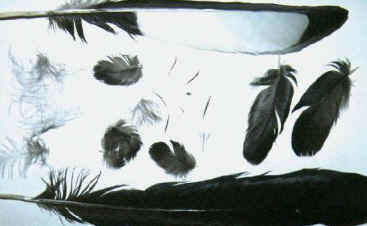
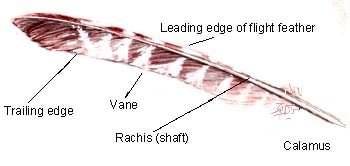
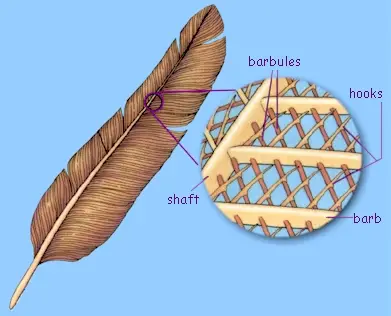
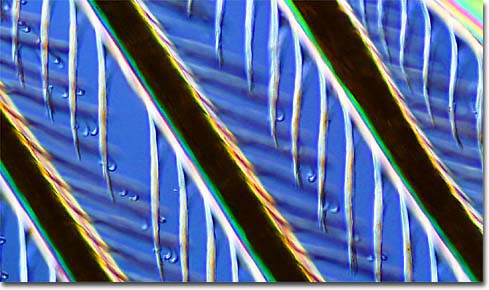

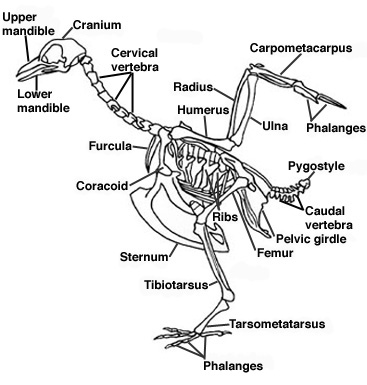
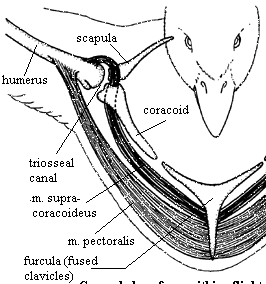
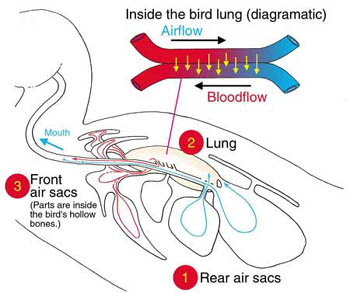
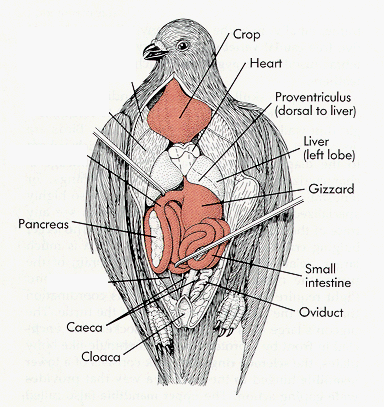
 trachea (windpipe)
  air from lungs into other seven air sacs