Science Club Bylaws

Stuttgart High School
Science Club Bylaws


Article 1
Membership


Section 1: Membership shall be open to students at Stuttgart High School. Said students must be enrolled in a high school science course or have completed at least one science course in high school. Students must also pay yearly club membership fees. Membership is also open to all science faculty members at Stuttgart High School.


Section 2: Privileges of membership shall include participation in all Stuttgart High School Science Club meetings and events.


Section 3: Termination of membership may occur if a member moves from the district, fails to pay annual membership fees, or graduates from high school.


Article 2
Officers & Their Duties

Section 1: Science Club officers will consist of the president, vice-president, secretary, treasurer, and reporter.


Section 2: Selection of the club officers will be by a majority vote of the club’s membership. Officers must meet the following criteria:

Current membership dues paid

Submission of ideas for activities and projects for the current
year


Section 3: Duties of officers will be president and vice-president setting  agendas and presiding over meetings, secretary recording minutes of all meetings, treasurer reporting on club finances, and reporter writing articles for the newspaper and taking pictures for the club’s website.


Article 3
Representatives & Their Duties

Section 1: Two representatives each from the Senior, Junior, Sophomore, and Freshman
classes will be elected by majority vote of the club membership.

Section 2: Representatives will meet with club officers to set the agenda for meetings and will
help supervise club activities.

Article 4
Order of Business

Section 1: The order of business at regular meetings of the Stuttgart High School Science Club shall be as follows:

Call meeting to order

Report of officers

Unfinished Business

New Business

Adjournment


BACK

Science Equipment Puzzle


Scientific Equipment


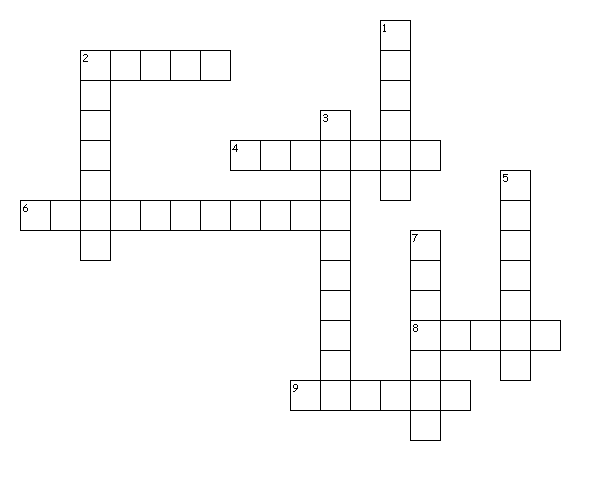
Across 2. holds an object being viewed under the microscope 4. used to ignite a burner 6. used to measure temperature 8. helps dispense known volumes of liquids 9. holds liquids to be heated or stirred Down 1. helps transfer liquids to containers with smaller openings 2. used for cutting specimens being dissected 3. used to enlarge an image 5. protects the eyes 7. used to cap flasks 


Scientific Method & Genetics


Using the Scientific Method With Genetics


Introduction:

Humans are classified as a separate species because of all the special characteristics that they possess. These characteristics are controlled by strands of DNA located deep inside their cells. This DNA contains the code for every protein that an organism has the ability to produce. These proteins combine with other chemicals, within the body, to produce the cells, tissues, organs, organ systems, and finally the organism itself. The appearance of these organs, such as the shape of ones nose, length of the fingers, or the color of the eyes is called the phenotype.

Even though humans contain hands with five fingers, two ears, or one nose, there are subtle differences that separate these organs from another. There are subtle differences in a person’s genes that allows for these different phenotypes. In this lab, we are going to observe some of these differences in phenotype. All human hands look pretty much alike, but there are genes on your chromosomes that code for the characteristics making up your hand. We are going to examine two of these characteristics (hand width and hand length) and try to determine why these phenotypic differences occurred.

Materials:

  • metric ruler (see end of lab)
  • pencil
  • calculator

Procedures:

Day 1

  1. Choose a partner and have them measure the length of your right hand in centimeters. (Measure from the tip of your middle finger to the beginning of your wrist as shown in figure 1.)  Record your measurements in Table 1.
  2. Now measure and record the length in centimeters of your partners hand.
  3. Have your partner measure the width of your right hand, straight across the palm, and record the data in Table 1. (see figure 1.)
  4. Now measure & record the width of your partner’s hand.

Figure 1.


Table 1


Group Data on Right Hand Width and Length
Student Name Length of Hand (cm) Width of Palm (cm)


  1. After the entire class has completed Table 1, record your group data on the Class Data Table at the front of the room
  2. Record the Class Data Table information on your lab sheet’s Table 2.

Table 2

Class Data on Right hand Width and Length (cm)

Class Period:

Student Gender
(M / F)
Hand Length (cm) Hand Width (cm)
1. M / F
2. M / F
3. M / F
4. M / F
5. M / F
6. M / F
7. M / F
8. M / F
9. M / F
10. M / F
11. M / F
12. M / F
13. M / F
14. M / F
15. M / F
16. M / F
17. M / F
18. M / F
19. M / F
20. M / F
21. M / F
22. M / F
23. M / F
24. M / F

Click for Class Data Table

Day 2

  1. In order to form a more accurate conclusion, the collection of additional data from several classes is necessary. Using the Class Data Tables for each period at the front of the room, record the # of males and # of females having the same length hand in Table 3.
  2. Only record a hand length (e.g. 18.1 cm) once on table 3.

Table 3:

Hand Length (cm) of All Class Periods

Measurement of Hand length (cm) # of Males # of Females Total #
(Male + Female)
  1. Using the Class Data Tables for each period at the front of the room, record the # of males and # of females having the palm width in Table 4.
  2. Only record a palm width (e.g. 15.3 cm) once on table 4.

Table 4:

 Hand Width (cm) of All Class Periods

Measurement of palm width (cm) # of Males # of Females Total #
(Male + Female)
  1. Line graph data from table 3 using hand length as your independent variable and the number of times (total males & females) that measurement appeared as the dependent variable.
  2. Make a second line graph using data from table 4 using palm length as your independent variable and the number of times (total males & females) that measurement appeared as the dependent variable.
  3. Be sure to include a title for each graph and label the x and y axis and include their unit of measurement.

Graph Title: ___________________________________________________________


Graph Title: ___________________________________________________________


Analysis:

1. Examine the above graphs. What is the shape of the line for hand length?  for the palm width?


2. What is the most abundant measurement (mode) for hand length?


3. What was the average hand length (mean) for males?   for females?   for total students?


4.  What is (are) the least abundant measurement(s) for hand length?


5. What is the most abundant measurement (mode) for palm width?


6.  What is the least abundant measurement  for palm width?


7. What was the average palm width (mean) for males?   for females?   for total students?


8. Are there any similarities in the graph of the above two characteristics and if so, what are they?


9. Are there any differences in the graph of the above two characteristics and if so, what are they?


10. Is there a difference in the length of the male and female hand?

11. Is there a difference in the width of the male and female hand?

12. Does gender have an effect on the phenotype of a trait? Explain.


Cut and use:


Scientific Equipment


Scientific Equipment

All Materials © Cmassengale

Click HERE for Notebook Copy

Compound Light Microscope (LM)-used to enlarge an image Graduated Cylinder – used to measure the volume of liquids
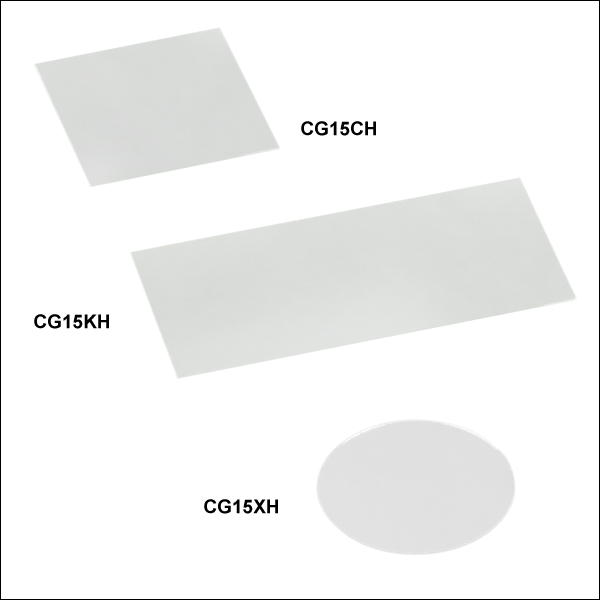
Microscope Slide – supports an item being examined under the microscope Image result for cover slip Cover slip – covers specimen on a slide
Beaker, Glass, Cup, Chemistry, Flask, Laboratory Beaker – holds liquids while they are being stirred or heated Test Tube Brush – used to clean test tubes
Image result for evaporating dish Evaporating Dish – used for heating solids Image result for pinch clamps Pinch Clamps – used to control the flow of liquids through tubing
Image result for funnel Funnel – assists in transferring liquids to containers with smaller openings Striker – used to ignite a burner
Test Tubes – holds liquids for observation or testing Safety goggles – protects the eyes from damaging substances
Pipet pump – dispenses known volumes of liquids Eyedropper – used to transfer small amounts of liquids
Image result for forceps Forceps – used to hold or lift specimens Magnifying glass – enlarges the image of an object
Related image Crucible – containers used for “strong” heating Test Tube Rack – holds test tubes during observation or testing
Wash Bottle – used for rinsing solids out of a container Pipet – used for exact measurements of liquids
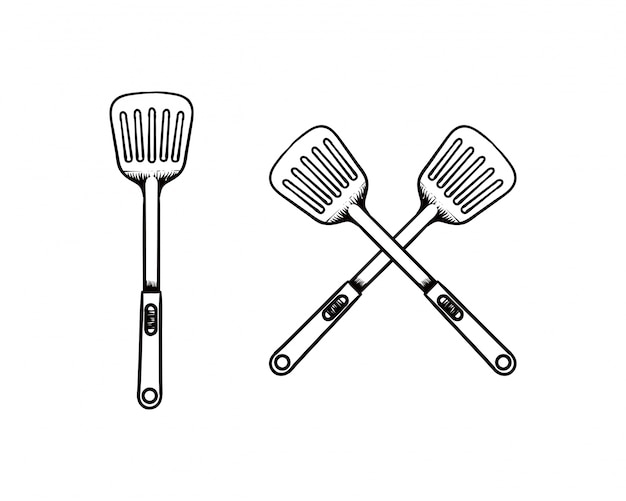
Image result for spatula drawing Spatula – chemical spoons used to transfer solids from their original container to a scale for weighing Image result for wire gauze Wire Gauze – adds additional support for containers held on tripods or O-rings
Crucible Tongs – used for picking up crucibles & crucible covers only Mortar & Pestle – used to grind solids into powders
Florence Flask – used to store liquids Erlenmeyer Flask -used to store solutions
Dissecting Pan – holds specimen being dissected test tube holder Test Tube Holder – holds test tubes while heating
an electronic balance Electronic Balance – used for weighing substances a proper lab burner flame Bunsen Burner – heat source
Thermometer – used to measure temperature Stopper – used to cap flasks containing liquids
Scalpel – used for cutting specimens being dissected Tubing – hose used for connecting glassware
Image result for petri dish Petri Dish – plate used to culture microorganisms a triple-beam balance Triple Beam Balance – used for weighing substances
O-Ring – used with ring stands to support heated vessels Volumetric Flask – used to mix precise volumes of liquids
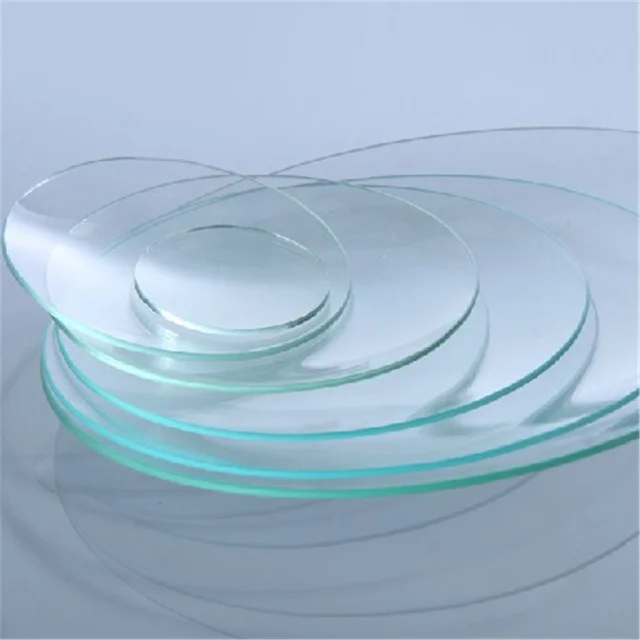
Related image Watch Glass – used on top of beakers when heating Desiccators – used to remove moisture from substances
PRINT EQUIPMENT SHEET FOR NOTEBOOK      BACK

RNA interference abstract


RNA Interference – Gene Silencing by Double-Stranded RNA
Andrew Z. Fire & Craig C. Mello
Nobel Prize Award in Medicine 2006

Introduction

This year’s Nobel Laureates have discovered a fundamental mechanism for controlling the flow of genetic information. Our genome operates by sending instructions for the manufacture of proteins from DNA in the nucleus of the cell to the protein synthesizing machinery in the cytoplasm. These instructions are conveyed by messenger RNA (mRNA). In 1998, the American scientists Andrew Fire and Craig Mello published their discovery of a mechanism that can degrade mRNA from a specific gene. This mechanism, RNA interference, is activated when RNA molecules occur as double-stranded pairs in the cell. Double-stranded RNA activates biochemical machinery which degrades those mRNA molecules that carry a genetic code identical to that of the double-stranded RNA. When such mRNA molecules disappear, the corresponding gene is silenced and no protein of the encoded type is made.

RNA interference occurs in plants, animals, and humans. It is of great importance for the regulation of gene expression, participates in defense against viral infections, and keeps jumping genes under control. RNA interference is already being widely used in basic science as a method to study the function of genes and it may lead to novel therapies in the future.

 The flow of information in the cell: from DNA via mRNA to protein

The genetic code in DNA determines how proteins are built. The instructions contained in the DNA are copied to mRNA and subsequently used to synthesize proteins (Fig 1). This flow of genetic information from DNA via mRNA to protein has been termed the central dogma of molecular biology by the British Nobel Laureate Francis Crick. Proteins are involved in all processes of life, for instance as enzymes digesting our food, receptors receiving signals in the brain, and as antibodies defending us against bacteria.

Our genome consists of approximately 30,000 genes. However, only a fraction of them are used in each cell. Which genes are expressed (i.e. govern the synthesis of new proteins) is controlled by the machinery that copies DNA to mRNA in a process called transcription. It, in turn, can be modulated by various factors. The fundamental principles for the regulation of gene expression were identified more than 40 years ago by the French Nobel Laureates François Jacob and Jacques Monod. Today, we know that similar principles operate throughout evolution, from bacteria to humans. They also form the basis for gene technology, in which a DNA sequence is introduced into a cell to produce new protein.

Around 1990, molecular biologists obtained a number of unexpected results that were difficult to explain. The most striking effects were observed by plant biologists who were trying to increase the colour intensity of the petals in petunias by introducing a gene inducing the formation of red pigment in the flowers. But instead of intensifying the colour, this treatment led to a complete loss of colour and the petals turned white! The mechanism causing these effects remained enigmatic until Fire and Mello made the discovery for which they receive this year’s Nobel Prize.

The discovery of RNA interference

Andrew Fire and Craig Mello were investigating how gene expression is regulated in the nematode worm Caenorhabditis elegans (Fig. 2). Injecting mRNA molecules encoding a muscle protein led to no changes in the behaviour of the worms. The genetic code in mRNA is described as being the ‘sense’ sequence, and injecting ‘antisense’ RNA, which can pair with the mRNA, also had no effect. But when Fire and Mello injected sense and antisense RNA together, they observed that the worms displayed peculiar, twitching movements. Similar movements were seen in worms that completely lacked a functioning gene for the muscle protein. What had happened?

When sense and antisense RNA molecules meet, they bind to each other and form double-stranded RNA. Could it be that such a double-stranded RNA molecule silences the gene carrying the same code as this particular RNA? Fire and Mello tested this hypothesis by injecting double-stranded RNA molecules containing the genetic codes for several other worm proteins. In every experiment, injection of double-stranded RNA carrying a genetic code led to silencing of the gene containing that particular code. The protein encoded by that gene was no longer formed.

After a series of simple but elegant experiments, Fire and Mello deduced that double-stranded RNA can silence genes, that this RNA interference is specific for the gene whose code matches that of the injected RNA molecule, and that RNA interference can spread between cells and even be inherited. It was enough to inject tiny amounts of double-stranded RNA to achieve an effect, and Fire and Mello therefore proposed that RNA interference (now commonly abbreviated to RNAi) is a catalytic process.

Fire and Mello published their findings in the journal Nature on February 19, 1998. Their discovery clarified many confusing and contradictory experimental observations and revealed a natural mechanism for controlling the flow of genetic information. This heralded the start of a new research field.

The RNA interference machinery is unraveled

The components of the RNAi machinery were identified during the following years (Fig 3). Double-stranded RNA binds to a protein complex, Dicer, which cleaves it into fragments. Another protein complex, RISC, binds these fragments. One of the RNA strands is eliminated but the other remains bound to the RISC complex and serves as a probe to detect mRNA molecules. When an mRNA molecule can pair with the RNA fragment on RISC, it is bound to the RISC complex, cleaved and degraded. The gene served by this particular mRNA has been silenced.

RNA interference – a defense against viruses and jumping genes

RNA interference is important in the defense against viruses, particularly in lower organisms. Many viruses have a genetic code that contains double-stranded RNA. When such a virus infects a cell, it injects its RNA molecule, which immediately binds to Dicer (Fig 4A). The RISC complex is activated, viral RNA is degraded, and the cell survives the infection. In addition to this defense, higher organisms such as man have developed an efficient immune defense involving antibodies, killer cells, and interferons.

Jumping genes, also known as transposons, are DNA sequences that can move around in the genome. They are present in all organisms and can cause damage if they end up in the wrong place. Many transposons operate by copying their DNA to RNA, which is then reverse-transcribed back to DNA and inserted at another site in the genome. Part of this RNA molecule is often double-stranded and can be targeted by RNA interference. In this way, RNA interference protects the genome against transposons.

RNA interference regulates gene expression

RNA interference is used to regulate gene expression in the cells of humans as well as worms (Fig 4B). Hundreds of genes in our genome encode small RNA molecules called microRNAs. They contain pieces of the code of other genes. Such a microRNA molecule can form a double-stranded structure and activate the RNA interference machinery to block protein synthesis. The expression of that particular gene is silenced. We now understand that genetic regulation by microRNAs plays an important role in the development of the organism and the control of cellular functions.

New opportunities in biomedical research, gene technology and health care

RNA interference opens up exciting possibilities for use in gene technology. Double-stranded RNA molecules have been designed to activate the silencing of specific genes in humans, animals or plants (Fig 4C). Such silencing RNA molecules are introduced into the cell and activate the RNA interference machinery to break down mRNA with an identical code.

This method has already become an important research tool in biology and biomedicine. In the future, it is hoped that it will be used in many disciplines including clinical medicine and agriculture. Several recent publications show successful gene silencing in human cells and experimental animals. For instance, a gene causing high blood cholesterol levels was recently shown to be silenced by treating animals with silencing RNA. Plans are underway to develop silencing RNA as a treatment for virus infections, cardiovascular diseases, cancer, endocrine disorders and several other conditions.

Reference:
Fire A., Xu S.Q., Montgomery M.K., Kostas S.A., Driver S.E., Mello C.C. Potent and specific genetic interference by double-stranded RNA in Caenorhabditis elegans. Nature 1998; 391:806-811.

Andrew Z. Fire, born 1959, US citizen, PhD in Biology 1983, Massachusetts Institute of Technology, Cambridge, MA, USA. Professor of Pathology and Genetics, Stanford University School of Medicine, Stanford, CA, USA.

Craig C. Mello, born 1960, US citizen, PhD in Biology 1990, Harvard University, Boston, MA, USA. Professor of Molecular Medicine and Howard Hughes Medical Institute Investigator, Program in Molecular Medicine, University of Massachusetts Medical School, Worcester, MA, USA.


illustration

High resolution image (pdf 2,5 Mb) »