Effectiveness of Virtual Laboratories in Teaching and Learning Biology


Even though you can learn a lot from biology textbooks, the complexities of biological systems require not only theoretical understanding but also practical experience in the laboratory. While traditional biology labs have numerous limitations, including safety concerns, ethical considerations regarding animal dissection, and accessibility challenges for some students, virtual laboratories create a whole new world of teaching and learning opportunities. We offer you to delve into the specific benefits of virtual labs and discover the best practices for learning biology.

When you need to write a biology paper and want to make a major contribution to the existing scientific discussion, using virtual laboratories can help you increase the accuracy of your experiments. Writing biology papers is always a challenge, and students often look for biology essay help from online writing services. To choose a reliable one, you can check what others have to say about its quality by reading an EssayShark review or comments on other writing companies. Many high-quality services have access to virtual laboratories and assist students with their research studies. Let’s consider some more benefits of virtual biology labs when it comes to the studying process.

Better Learning Results

Virtual lab software can help students understand complex biological concepts, especially abstract ones like Mendelian genetics. They can conduct virtual crosses and observe the resulting offspring instead of trying to grasp the logic behind this phenomenon by looking at diagrams in textbooks. Students have no limitations when it comes to designing experiments and testing hypotheses in a controlled and interactive environment. It is a great opportunity for them to improve their scientific reasoning skills and develop non-trivial ideas. 

On top of that, simulations of cellular processes, such as DNA replication or protein synthesis, can help young scholars visualize and manipulate them. It is also crucial to mention the ethical concerns of traditional dissections in teaching anatomy because virtual labs eliminate many problems connected to this part of biology education. 

Increased Student Engagement and Motivation

While reading scientific articles and writing lab reports can be rather boring, virtual labs make learning more interactive and engaging. Simulations and gamified elements are effective magnets that attract students’ attention and keep them interested because they get to create something instead of just being observers. The ability to explore biological phenomena in a virtual environment can spark curiosity and encourage them to find the answers to all kinds of questions popping up in their heads when they participate in interactive simulations.

Development of Critical Thinking and Problem-Solving Skills

There seems to be an endless number of ways students can use virtual labs, as they don’t need to limit themselves in resources. Future scholars can create different kinds of environments and change variables at any time to analyze the impact of every factor they modify. For example, a virtual ecology lab might challenge students to design a sustainable ecosystem and consider various factors such as resource availability, population dynamics, and environmental impacts. They learn how to act in realistic scenarios and challenges and apply their knowledge and critical thinking skills to solve problems.

Improved Accessibility and Flexibility

Even though there have been many improvements during the recent years, students with disabilities still may face challenges in traditional lab settings. Virtual labs can be an effective solution to this problem. Additionally, students in remote locations can also benefit from working in a virtual environment because all they need is an internet connection to attend a class. Another convenient point is the ability to revisit such labs at any time and find the answers to your questions, even in the middle of the night if necessary. After all, students have different learning pace and might need additional time to master complex concepts.

Cost-Effectiveness

Purchasing and maintaining lab equipment, materials, and lab space is a significant budget line item of an educational institution. Without a doubt, virtual alternatives can reduce these costs by eliminating the need for expensive equipment and consumable supplies. Making such a drastic switch to virtual labs requires a major one-time investment but can save money in a long-term perspective.

Safety Considerations

The safety of the lab activities is always a top concern of educational institutions. In virtual labs, students can safely conduct experiments that might be hazardous in a traditional setting, such as working with toxic chemicals or pathogens. Furthermore, colleges get a chance to reduce the costs of hazardous materials disposal and don’t need to worry about environmental issues.

Challenges and Limitations of Virtual Labs

We want to present an objective overview of virtual labs and, therefore, will also focus on their limitations. Addressing these points is crucial for colleges to develop accurate forecasts after adding this type of virtual reality to their educational process.

Lack of Hands-On Experience

Unfortunately, modern virtual labs can’t fully replicate the tactile and kinesthetic learning that occurs in traditional settings. The physical manipulation of lab equipment and the development of fine motor skills are essential components of scientific training. Therefore, it is an area for future technological improvements that will ensure that the virtual experiences that students get are not different from the real-life ones. 

Technical Issues

As long as we are already discussing the technical limitations of virtual labs, we need to consider software glitches and internet connectivity problems. The rapid pace of technological advancements leads to the necessity of often costly and time-consuming updates and maintenance. Ensuring equitable access to technology for all students is also a significant concern. Students from low-income backgrounds or those in remote areas may lack access to reliable internet or appropriate devices.

More Research Studies Needed

Are virtual labs as effective as they seem to be? We need more research studies investigating their impact on various learning outcomes to answer this question. We should also identify the most effective pedagogical strategies for using virtual labs in the classroom. Finally, research should explore the long-term impact of virtual lab use on student learning and their attitudes toward science.

Summing Up

As you can see, virtual labs have many benefits that can bring the studying process to a whole new level. To enjoy all of them, we need to develop effective solutions to the existing problems and limitations and conduct the necessary research studies to check their impact on students. 

Become A Marine Biologist- Pros And Cons

What actually Is an Oceanographic Marine Biologist?

They may be considered ocean life research scientists who philosophize over the scientific frameworks of the marine environment. From their research, they engage actively in conservation efforts aimed at mitigating the effects of climate change on oceanic animals and considering the extent of their contribution toward marine environments. In short, if you are a creature of the ocean or have a buzz over life to include that inhabits it, you should think about marine biology.

To most of the aspiring Marine Biologists, there will be an association that deserves a university degree. One must research their preference; interest in going into varied aspects of nature and natural science. Other traits that complement character inclination could include physical endurance, attentiveness, good memory, logical eccentricities knotted in between.

Marrying other people engaged in marine biology with whom biologists can work is cumbersome but rewarding for both parties: they can all help each other in their growth, helping to widen the scope for developing career channels. Worthy organizations that can revel in affiliations with Marine Biologists include: 

• American Association for the Advancement of Science; 

• American Fisheries Society; 

• Association of Limnology and Oceanography – Sciences; 

• Marine Technology Society; 

• Society of Oceanography. 

What Can A Marine Biologist Degree Do?


A marine biologist is a professional scientist specializing in the study of varied types of marine organisms within the ocean habitat. Varied ocean habitat can be easily surprising-a fish and corals to plants like kelp and seagrass-algae and other microorganisms. Marine biologists undergo years of education and training owing to the very comprehensive understanding required to carryout investigations of all marine life before any conclusion may be reported.

More specific duties will vary according to the nature of your specialty and may involve:

• Collecting and studying marine specimens;

• Managing research projects related to ocean life;

• Reporting the results of research to the public and scientific community; 

• Conducting laboratory works and evaluating data;

• Comparing data to build theories and support research;

• Advancing conservation efforts through marine biology education.

The marine biology salary depends on many factors. These include education levels, specialties, work experience in the given field, and even location. As per the information from the Bureau of Labor Statistics, the national average salary for all zoologists and wildlife biologists is about $64,650 annually. According to the BLS, there will be no change in employment opportunities for this occupational group through 2031. 

The Best Universities That Offer Degrees in Marine Biology

Northeastern University (NEU)

It is a private American university based in Boston which is renowned worldwide. NEU offers proper education which engages to build a budding career. Graduates walk away with good resumes and great networking. NEU applies many practical learning methods (catch-up with study and part-time jobs, internships, university projects, lab work, etc.), this practical exposure becomes a great advantage when competing with NEU for labor jobs. Interesting facts about the University include: 

• A global university with 13 campuses in the world 

• 10 campuses taking international students 

• There are more than 3,350 employer partners across independent countries 

• A significant international student community; an impressive 330,000 plus graduates in 181 countries 

• NEU shares the highest category of US research universities-R1 which indicates extremely high research activities and a well setup-quality infrastructure. The university has 60 research institutions and centers.

The university also operates its semiaquatic center, which can be of interest to future marine biologists.

Ontario Tech University

University programs are designed with regard to a specified career beginning in every area of the university. The students complete theoretical work in a hands-on manner, training the skills and involvement with technologies to offer a competitive edge to them. Thus, because of the range of experiential learning constituting 100% of the curriculum, successful candidates will hone the very qualities attractive to employers: teamwork in developing projects, co-op learning, internships, entrepreneurial work, work practice, scientific research, independent study, and work on their bachelor’s theses. Students receive access to more than 300 professional and community partners. Hence, the last Ontario Tech graduates’ overall employability is one of the highest. 

California State University Sacramento

California State University Sacramento includes a wide range of bachelor’s and master’s degree programs to cater for various fields. The university programs help students acquire the right information, skills, and experience needed to succeed in today’s highly competitive global labor market. The university has committed and well-qualified teachers who love teaching and act as mentors. Since the class sizes are small and the teachers teach interactively, the teacher is able to give personal attention and support to each student. In this way, every student receives the mentorship necessary to achieve his or her goals.

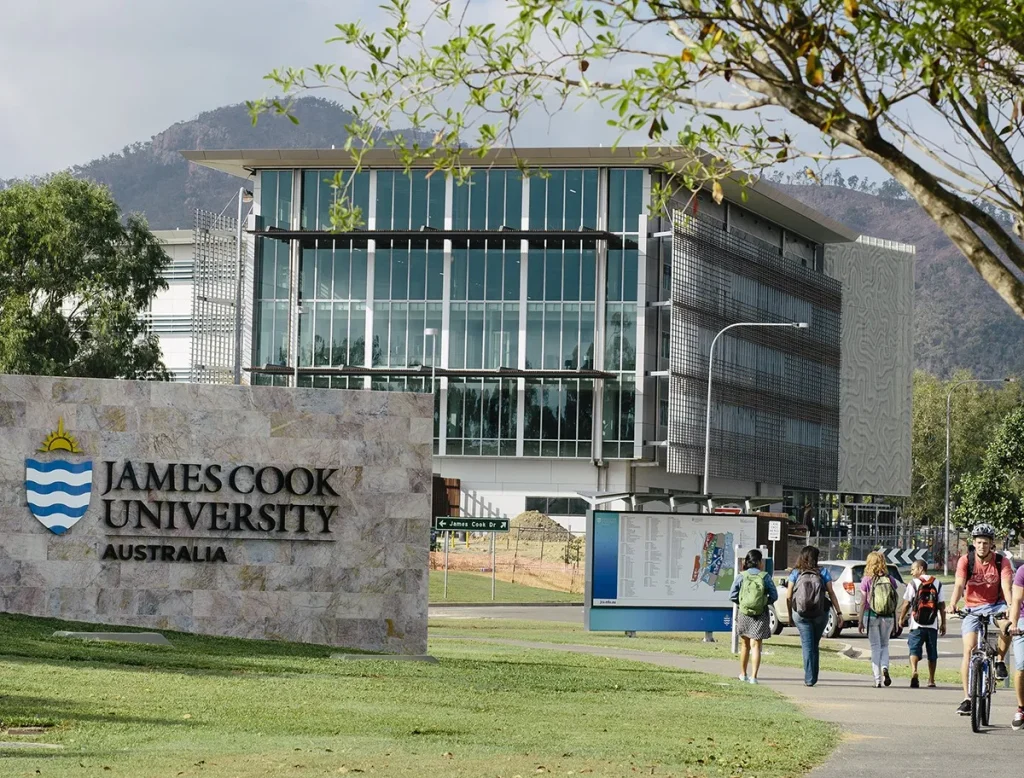
 James Cook University

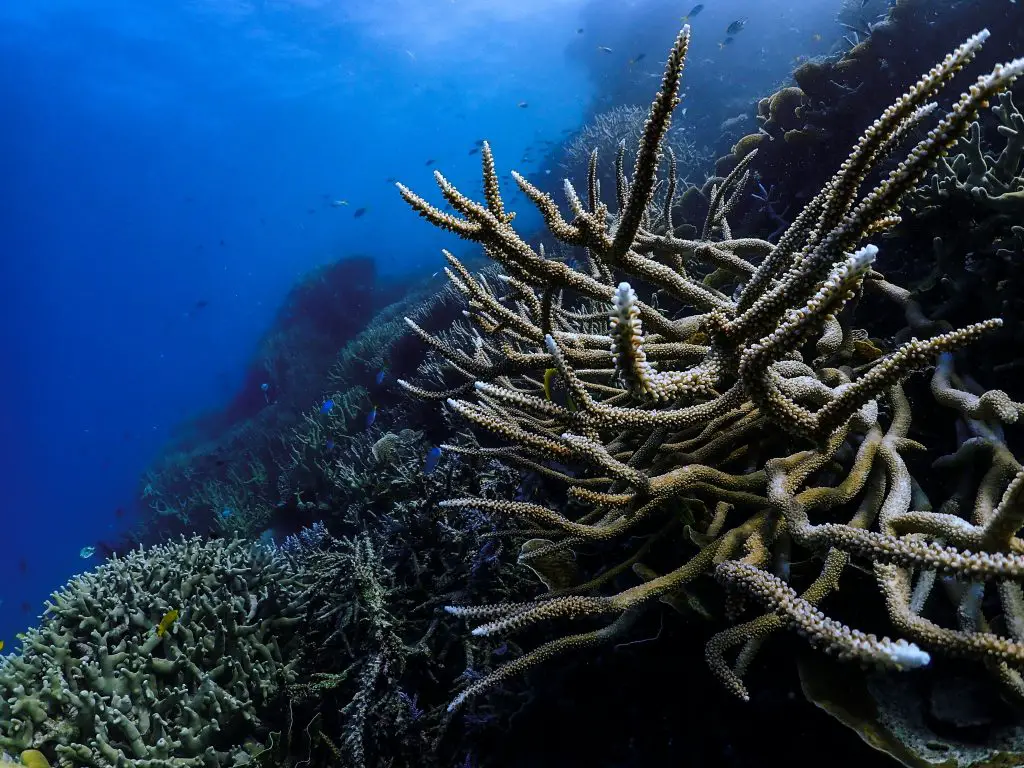
JCU bastions students, faculties, and researchers alike situated within the surrounding beauty of one of the most beautiful regions in the world-the lush green rainforests of Far North Queensland to the marine diversity of the Great Barrier Reef (UNESCO World Heritage Sites), with great expanses of the barren uninhabited lands of Australia being enwrapped close behind. This University features research that is of the highest quality and highest socioeconomic value, especially in areas of importance to the tropics. At the moment, USC ranks within 38 fields of research at or above world level. That includes the 40th world ranking in the field of ecology and among the leading 100 worldwide in the field of mining and industrial processes.

The Institute contains many highly regarded research centers: the Australian Institute of Tropical Medicine and Public Health, the Coral Reefs Centre (the “Quality Centre” of the Australian Scientific Council), the Cairns Institute, and so on. They deal with fauna and flora, coral reefs, the environment and ecology, tropical medicine and health care in the tropics, geosciences and tourism; their research is widely known in the world.

Bangor University

Bangor University was founded in 1884 and soon established itself as an international center of education and research. Nestled in beautiful North Wales, students lead interesting and outdoorsy lives at Bangor. It offers programs in diverse fields including the North Wales Medical School; the new and modern facilities there enable medical professionals of various specialties to be trained. The university provides oceanographic education, and has also a research vessel “Prince Madog”.

Conclusion

With no specific certificate required for becoming a marine biologist after graduating, many still believe obtaining related certifications will help them get that job. For example, if you plan to work in this field, it would be good to obtain a diving certificate for open water. Perhaps you will also need your local boat master’s certification for work in your area, so be sure to check in with local public authorities to find out if you need a license or certificate to work on the water.

With so many educational facilities providing marine biology programs, it is important for aspiring scholars to view several factors before choosing which program of study works best for them. The fields encompass a selection of programs, review the classes outlined to be taken, probe the costs likely to be incurred through marine biology college, and inquire whether it lies in proximity to one’s desired living arrangements or future employment base. You can also look into the places you plan to apply and see how high the demand for marine biologists in the areas is expected to be.  

Understanding Human Development Across the Lifespan


Human development is a fascinating and multifaceted process that spans from birth to late adulthood. It encompasses physical, cognitive, emotional, and social changes that occur over time. Understanding the stages of human development is crucial for professionals, educators, and caregivers, as it allows them to support individuals at various life stages effectively.

By delving into the intricate patterns of growth and behavior, we can better comprehend the factors that shape us into who we are today.

The Foundations of Human Development

Human development begins at conception, where genetic and environmental factors interact to set the stage for growth. During infancy and early childhood, significant milestones occur, such as language acquisition, motor skill development, and emotional bonding.

These early years are critical for establishing a foundation for future learning and behavior. The physical growth experienced during this period, combined with cognitive advancements, illustrates how interdependent various aspects of development are.

Emotional and social development also play a key role during these early stages. Attachment to caregivers fosters a sense of security, which influences how children interact with their environment and form relationships later in life. Understanding the importance of these early experiences helps professionals guide families and create supportive environments for children.

Advancing Knowledge Through Specialized Studies

To delve deeper into understanding human behavior and development, many opt to pursue specialized education. A bachelor of psychology online equips students with insights into human behavior, mental health, and cognitive processes.

This flexible option allows learners to explore developmental psychology, learning theories, and behavioral patterns, all while accommodating diverse schedules and commitments. This pathway not only broadens academic horizons but also prepares individuals for roles that demand an in-depth understanding of human development.

The study of psychology reveals how internal and external factors influence growth across the lifespan. From childhood experiences to societal influences, these insights shape how we perceive and interact with the world. This knowledge becomes invaluable in professions such as counseling, social work, and education, where understanding individual differences and developmental needs is paramount.

Exploring Cognitive Growth and Behavior

Cognitive development involves the progression of thinking, reasoning, and problem-solving abilities. Jean Piaget’s stages of cognitive development remain a cornerstone for understanding how children’s thought processes evolve over time.

From the sensorimotor stage in infancy, where learning occurs through sensory experiences and actions, to the formal operational stage in adolescence, where abstract reasoning emerges, cognitive growth is both structured and dynamic.

During adolescence, critical changes occur as individuals navigate the transition from childhood to adulthood. The teenage years are marked by increased independence, identity exploration, and heightened emotional experiences. These changes often coincide with challenges related to peer influence, academic demands, and self-discovery.

Social and Emotional Changes Across Adulthood

Adulthood encompasses a wide range of developmental changes that often differ based on life circumstances. Early adulthood typically focuses on establishing careers, relationships, and personal goals.

The pursuit of independence, stability, and self-fulfillment characterizes this stage. Emotional resilience and adaptability are crucial as individuals face responsibilities such as career challenges, parenthood, and societal expectations.

As individuals enter middle adulthood, priorities may shift toward maintaining relationships, mentoring younger generations, and reassessing personal achievements. Physical changes, such as the gradual decline in strength and vitality, may also occur, prompting a focus on health and well-being.

Late adulthood, often referred to as the golden years, brings its own set of challenges and opportunities. Retirement, changes in family dynamics, and coping with physical aging require emotional strength and adaptability. This period also offers a chance for reflection, legacy building, and the nurturing of
meaningful connections.

Cultural and Environmental Influences on Development

Culture and environment profoundly shape human development, influencing everything from values and beliefs to educational opportunities and societal roles. For instance, cultural practices surrounding parenting, education, and aging differ widely across societies, demonstrating the adaptability of human behavior to diverse contexts.

Environmental factors such as socioeconomic status, access to healthcare, and exposure to supportive networks also play a pivotal role in shaping developmental outcomes. Recognizing these influences enables professionals and communities to address disparities and provide resources that foster growth and resilience.

The Role of Lifelong Learning in Human Development

Human development does not cease with adulthood; rather, it continues as individuals acquire new skills, adapt to changing circumstances, and pursue personal growth. Lifelong learning becomes essential in maintaining cognitive flexibility, emotional well-being, and a sense of purpose. Whether through formal education, hobbies, or interpersonal relationships, continuous learning enriches life at every stage.

The later years of life highlight the importance of staying socially connected and mentally active. Activities that promote cognitive engagement, such as reading, problem-solving, and engaging in meaningful conversations, contribute to overall well-being and help mitigate the effects of aging.

Addressing Challenges Across the Lifespan

Every stage of human development presents unique challenges that require tailored approaches to support. Childhood may involve addressing developmental delays, adolescence brings mental health concerns, and adulthood often requires balancing work-life dynamics. In later years, challenges such as loneliness and health complications may arise.

By understanding these potential difficulties, professionals, families, and communities can create strategies to mitigate their impact. Early intervention, accessible resources, and fostering supportive relationships are all critical components of addressing these challenges effectively.

All in all, human development is a lifelong journey influenced by a combination of genetic, environmental, cultural, and individual factors. From infancy to late adulthood, each stage brings new opportunities for growth, learning, and connection.

Gaining a comprehensive understanding of these processes equips us to support individuals and communities in achieving their fullest potential. Whether through professional insights gained from higher education or through active participation in nurturing relationships, every effort contributes to fostering a society that values growth and development at every stage.

Is AP Biology a Hard Class? Tips and Insights to Help You Succeed

Advanced Placement (AP) Biology is a course that challenges high school students with college-level material. While many find it demanding, it’s also incredibly rewarding for those interested in science and biology-related fields. With the right approach, you can navigate the course’s challenges and achieve success. The skills and knowledge gained from AP Biology can also provide a solid foundation for future academic and career pursuits. Here’s everything you need to know about AP Biology, including whether it’s hard and how to succeed.

What Is AP Biology?

AP Biology is a college-level biology course offered in high school, designed to provide a deeper understanding of biological concepts.

What do you learn in AP Biology? Students delve into topics such as evolution, cellular processes, genetics, ecology, and the interactions between organisms and their environments.

This course includes hands-on lab experiments, which are vital for grasping the concepts discussed in class. These labs encourage critical thinking and problem-solving skills, allowing students to approach biological challenges like scientists.

Labs range from examining cell structures to studying ecosystems, helping students connect theory to real-world biology.

Who Should Take AP Biology?

AP Biology is ideal for students who:

● Are genuinely interested in exploring science and biology.

● Are considering a career in health, medicine, or research.

● Feel comfortable with challenging coursework and independent study.

Choosing to take AP Biology is a big step, and it’s natural to wonder if it’s the right fit for you. Instead of overthinking, ask yourself, “Can you write me an essay explaining why I’m excited to take this course?” If the answer highlights your passion for science and eagerness to learn, AP Biology could be the perfect opportunity to grow academically and earn college credits.

Understanding the Difficulty of AP Biology

Is AP Biology hard? Many consider AP Biology one of the toughest AP courses due to its demanding curriculum and in-depth topics. However, the difficulty depends on your background, study habits, and dedication.

Exam Focus and Demands

The AP Biology exam is comprehensive, requiring a strong grasp of numerous biological concepts. It includes multiple-choice questions, grid-in calculations, and free-response essays.  You’ll need to analyze experimental data, interpret results, and apply your knowledge to unfamiliar scenarios.

How long is the AP Biology exam? The exam lasts 3 hours, testing your ability to think critically and synthesize information quickly. With its breadth of content and time constraints, it’s no wonder some students ask, “Is the AP Biology exam hard?” Understanding how to study for AP Biology exam effectively is key to managing its demands and improving your performance. Proper preparation can significantly enhance your chances of success.

How to Succeed in AP Biology

Success in AP Biology requires consistent effort, effective study habits, and active engagement in class. Try these practical tips to boost your performance.

Develop Strong Study Habits

Strong study habits are essential to succeed in AP Biology. Here’s how to study for AP Biology:

● Start early: Begin reviewing notes and concepts as soon as the course starts. Cramming the week before the exam won’t work for a course of this depth. Consistency is key, so make studying a regular part of your routine.

● Use resources: Leverage textbooks, online tools, and AP Biology prep books to reinforce your understanding. Don’t hesitate to explore videos or interactive platforms that explain complex topics in a more visual way.

● Practice exams: Get comfortable with the structure and question types featured in the AP Biology exam. Practice regularly to build confidence. Review your mistakes thoroughly to identify areas that need improvement.

Make the Most of Class Time

Maximizing your class time is one of the best ways to grasp difficult material. Here’s how:

● Participate actively: Participate actively by asking questions, joining discussions, and clarifying difficult concepts. Engaging in class helps you retain information and demonstrates your commitment to learning.

● Stay organized: Keep a dedicated notebook for notes, diagrams, and important terms. This will be your go-to resource during exam prep. Adding color coding or tabs can make finding key information quicker and more efficient.

● Collaborate with peers: Study groups can help you learn from others and fill in gaps in your understanding. Working with classmates also gives you the opportunity to explain concepts, which reinforces your own learning. With these strategies, you’ll have a strong foundation and know how to study for AP Biology effectively.

Is AP Biology Worth Taking?

So, is AP Biology worth it? The answer depends on your goals.

If you’re passionate about science and considering a career in biology, medicine, or environmental studies, AP Biology can give you a significant head start. The skills and knowledge you gain in this course can also strengthen your college applications, showcasing your academic commitment.

The course not only helps you develop critical thinking skills but can also earn you college credits, saving time and money later.

Even if science isn’t your career focus, AP Biology provides a valuable understanding of the natural world, which can be beneficial in any field. Plus, it can give you a deeper appreciation for the scientific processes that impact everyday life.

The time and effort you dedicate to this course can create opportunities and sharpen your academic abilities.

Conclusion: Just How Hard Is AP Biology?

So, is AP Biology a hard class? The answer depends on your preparedness and mindset.

While it’s undoubtedly a challenging course, it’s also incredibly rewarding for students who approach it with dedication and the right strategies. The sense of accomplishment you’ll feel after tackling such a demanding course is well worth the effort.

By focusing on consistent study habits, making the most of class time, and leveraging available resources, you can overcome the hurdles and succeed. Success in AP Biology can boost your confidence in handling future academic challenges.

Whether your goal is to earn college credits, prepare for a science-related career, or simply explore your passion for biology, AP Biology is a worthwhile challenge that can set you up for future success.

8 Ways to Nurture Your Child’s Mental Health


Mental health is a vital aspect of a child’s overall well-being. Just as you prioritize your child’s physical health with nutritious meals and regular exercise, their mental health deserves equal attention. A child with a strong mental foundation grows into a more resilient, confident, and emotionally healthy adult. Mental health influences how children cope with challenges, build relationships, and navigate their academic and social environments. By taking proactive steps to nurture your child’s mental health, you can help them develop the tools they need to handle life’s ups and downs. Even small, consistent efforts can make a significant difference. Here are eight practical ways to support your child’s mental health, starting with creating a safe and supportive environment.

1. Create a Safe and Supportive Environment

A secure and nurturing home is crucial for a child’s mental health. Children need to feel loved, accepted, and safe to thrive emotionally. Start by fostering open communication, where your child knows they can
share their thoughts and feelings without fear of judgment. Be present and engaged in their lives. Simple actions, like sharing meals, spending quality time, and showing interest in their daily experiences, can help build trust. Encourage them to express their emotions and reassure them that it’s okay to feel sad, angry, or scared. By creating a stable and
supportive environment, you provide the foundation for your child’s mental well-being.

2. Connect with a Professional Counselor

Sometimes, children face challenges that require guidance from a professional counselor. Counselors trained in child psychology can help your child navigate complex emotions and develop coping strategies. If your child is showing signs of persistent stress, anxiety, or behavioral changes, reaching out to a counselor can make a big difference. Many professionals now obtain their qualifications through counseling degree programs online, which makes expert help more accessible than ever. Counselors can work with your child individually or as part of family therapy sessions. Seeking professional help isn’t a sign of failure—it’s a proactive step toward your child’s mental health.

3. Encourage Open Communication

Open communication is one of the simplest yet most powerful ways to nurture your child’s mental health. Let your child know that their voice matters and that you’re there to listen without judgment.

Create opportunities for meaningful conversations, whether during dinner, car rides, or bedtime routines. Use open-ended questions like, “What was the best part of your day?” or “How are you feeling about school?” This approach encourages them to share more than just “yes” or “no” answers.

When your child talks, listen attentively. Avoid interrupting or dismissing their feelings, even if they seem minor to you. Validating their emotions shows that you respect and care for their inner world.

4. Teach Stress-Management Techniques

Children, like adults, experience stress, and teaching them how to manage it can significantly improve their mental health. Introduce age-appropriate stress-management techniques such as deep breathing, mindfulness, or journaling.

For younger children, guided breathing exercises can help calm their minds during stressful moments. Older kids might benefit from mindfulness apps or keeping a journal to express their thoughts.

Encourage activities that naturally reduce stress, such as playing outside, drawing, or engaging in hobbies. Teaching these skills early helps your child build emotional resilience and cope better with challenges.

5. Prioritize Physical Activity and Nutrition

Physical health is closely tied to mental well-being. Regular physical activity helps reduce stress, improve mood, and enhance focus. Exercise releases endorphins, which naturally boost feelings of happiness and

relaxation. Encourage your child to participate in activities they enjoy, such as biking, swimming, or team sports. Even a daily walk or a fun dance session at home can make a difference.

Nutrition also plays a key role in mental health. A balanced diet rich in fruits, vegetables, whole grains, and lean proteins supports brain health and emotional stability. Limit processed foods and sugary snacks, as these can lead to energy crashes and mood swings. By emphasizing physical activity and good nutrition, you give your child the foundation for a healthy body and mind.

6. Set Healthy Boundaries for Technology

Technology is a significant part of children’s lives, but excessive screen time can negatively impact mental health. Spending too much time on screens can contribute to sleep issues, social isolation, and increased anxiety.

Set clear boundaries for technology use. Encourage screen-free times during meals, before bedtime, and during family activities. Offer alternatives, such as board games, outdoor play, or creative projects, to keep your child engaged offline.

Teach your child how to use technology mindfully. Discuss the importance of balancing online and offline activities, and guide them in recognizing the difference between productive screen time (like educational apps) and passive consumption (like endless scrolling).

7. Monitor Changes in Behavior

Children often express emotional struggles through changes in behavior rather than words. Pay attention to shifts in their mood, appetite, sleep patterns, or social interactions. These changes could indicate stress, anxiety, or other mental health concerns.

For instance, a normally outgoing child who becomes withdrawn or a high-energy child who suddenly seems fatigued may be experiencing challenges they need help addressing. Gently ask open-ended questions to understand what’s going on and listen to their responses without judgment.

If you notice persistent changes or signs of distress, consider seeking support from a counselor or pediatrician. Early intervention can prevent minor issues from developing into larger problems.

8. Be a Positive Role Model

Children learn by observing the adults in their lives. When you demonstrate healthy coping mechanisms and prioritize your own mental health, you set a powerful example for your child.

Show your child how you manage stress, whether it’s through deep breathing, taking breaks, or discussing your feelings. Practice self-care and let them see that it’s okay to prioritize emotional well-being.

Express gratitude, show kindness, and maintain a positive outlook, even during challenging times. When your child sees these behaviors modeled consistently, they are more likely to adopt them in their own lives.

Supporting your child’s mental health is one of the most important roles you can play as a parent. By focusing on their emotional well-being, you help them build resilience, confidence, and the tools to handle life’s challenges.

From creating a safe environment and encouraging open communication to promoting physical activity and monitoring behavioral changes, every effort counts. Seeking professional support when needed and modeling healthy behaviors further reinforce your child’s mental health journey.

Remember, small, consistent actions can have a lasting impact. By nurturing your child’s mental health today, you’re setting them up for a happier, healthier future. Every step you take is an investment in their emotional growth and well-being.