17 Questions To Study For A Brain Anatomy Quiz In AP Biology

Ready to ace your next brain anatomy quiz? We’ve got you covered! Review our 17 practice questions to improve your understanding of the parts of the brain and the central nervous system. Plus, brush up on our tips for studying smarter, not harder.

Taking AP Biology? Have a brain anatomy quiz coming soon? We’ve got 17 questions to help you study for it, plus some clever tricks and tips for studying smarter, not harder!

brain icon

Parts of the Brain

One of the first things you should have to ace a brain anatomy quiz is a thorough grasp of the parts of the brain and each part’s function. Here are some of the questions you might expect:

brain cartoon

1

Where is the cerebellum located and what does it do?

The cerebellum is the part of the brain situated at the back of the head. It receives sensory information and regulates your motor movements. The cerebellum also controls balance and coordination, helping you to enjoy smooth movements.

2

Which part of the brain processes visual information?

The occipital lobe lies underneath the occipital bone. It is part of the forebrain (you have two, technically; one at the back of each cortex) and is responsible for processing visual information. Here’s a helpful memory device: the “o” in occipital can remind you of the “o” in optometrist or ophthalmologist.

3

If a person’s frontal lobe is injured, what functions might he or she lose?

The frontal lobe can be found in the front of the brain, in each cerebral hemisphere. A deep groove called the central sulcus separates it from the parietal lobe, and another groove called the lateral sulcus separates it from the temporal lobe. A part of the frontal lobe known as the precentral gyrus contains the primary motor cortex, which controls specific body parts’ voluntary movements.

The frontal lobe is responsible for reasoning, higher order thinking, and creativity, so if somebody’s frontal lobe is damaged, he or she could have difficulty making decisions and reasoning.

4

What are the gyrus and sulcus and how do they help the brain?

Gyrus are the ridges on the brain and sulcus are the grooves (also seen as furrows or depressions). Together, their up and down “motion” are responsible for the folded, “spaghetti” appearance of the brain.

They are, in fact, an extremely clever way of making the most of very limited space. The brain is limited to the area inside your cranium, but the folding of the brain tissue allows a much greater surface area for cortical tissue, allowing additional cognitive function even in a relatively small space.

The human brain begins as a smooth surface, but as the embryo develops, the brain begins to form the deep indentations and ridges we see in the adult brain.

5

What part of the brain controls the primitive parts of our body?

brain illustration

Pons is the Latin word for bridge, and that’s exactly what the pons appears to do in the brain, as its physically connected to the brainstem. Like any good bridge, the pons contains neural pathways to move signals to the medulla, cerebellum, and thalamus.

Many of the nuclei contained inside the pons are responsible for relaying signals, as we’ve already described, but other nuclei play roles in primitive functions that we don’t normally consider being within our control, such as respiration, sleep, bladder control, and others.

6

What is the corpus callosum?

The corpus callosum sits underneath the cerebral cortex. It’s about 10cm long and is a thick, tough bundle of fibers that connects the cerebral hemispheres (right and left), enabling them to communicate with each other.

It has over 200 million axonal projections, making it the largest white matter structure.

7

Which part of the brain is the newest from an evolutionary perspective?

The cerebrum is the part of the brain that is outermost. In it, the brain can store memories, call upon senses, and establish self-awareness. High order functioning can also take place here and its known for being larger in musicians and left-handed individuals. It is also considered to be the most recent brain development.

parts of the brain

8

How many lobes is the brain comprised of, and what are their names and functions?

Inside the brain is found the occipital lobe (see question #2), the frontal lobe (see question #3), the parietal lobe, and the temporal lobe. The parietal lobe sits behind the frontal lobe and above the temporal lobe. It is where the body becomes self-aware and plays an important role in language processing.

The temporal lobe plays a role in the processing of sensory input, helping the brain to translate these inputs into meaning. If, for example, you smell apple pie and think of your grandmother, you have your temporal lobe to thank!

9

Which part of your brain acts like a supercomputer?

The thalamus is the small organ at the very center of your brain that acts as a supercomputer or switchboard, relaying signals throughout the brain. It is one of the most important parts of the brain and regulates motor signals, sleep, and consciousness.

Closely related to the thalamus is the hypothalamus, which sits just underneath the thalamus and regulates the pituitary gland and homeostasis.

10

Which part of the brain helps you sneeze?

The medulla oblongata (medulla is Latin for “middle”), and the medulla oblongata is located on the brainstem close to the cerebellum. It is responsible for involuntary or autonomic processes, which include vomiting and sneezing. It also helps with breathing, cardiac functions such as heart rate, and blood pressure.

brain icon

The Central Nervous System

nervous system

The central nervous system is another important subject likely to show up on a brain anatomy quiz. The questions below will help you better prepare.

11

What is the central nervous system (CNS) comprised of?

The brain and the spinal cord make up the CNS, which is protected by the skull and the spine’s vertebral canal. It is the command center of the entire body, regulating all activity and processing all sensory inputs.

12

What role does the midbrain play in the CNS?

The midbrain controls visual reflexes (including automatic eye movements, such as blinking and focusing). It also contains nuclei that link parts of the body’s motor system, including both cerebral hemispheres.

13

What is a neurotransmitter?

A neurotransmitter is a chemical that a nerve fiber releases when a nerve impulse arrives. It diffuses across the junction or synapse so that the impulse may pass to the next nerve fiber, muscle fiber, or other structure. Both neurotransmitters and inhibitory neurotransmitters are found in the brain.

14

What is the difference between dopamine and serotonin?

Dopamine and serotonin are both powerful neurotransmitters. Serotonin impacts your sleep, arousal, hunger, and mood, while dopamine impacts your brain’s pleasure and reward system, your learning and attention, and movement.

15

What is glutamate and why is it important?

Glutamate is the most abundant neurotransmitter found in the CNS; in fact, it accounts for more than 90% off all the synaptic connections in your brain! Some parts of the brain, including granule cells found in the cerebellum, rely on glutamate almost exclusively. Glutamate also plays a vital role in memory and learning.

16

Can you name the most common inhibitory neurotransmitter in the brain?

GABA (gamma-Aminobutyric acid) is the most common inhibitory neurotransmitter found in the brain. It is considered inhibitory because it helps to calm or reduce neuron excitability. This means it plays an important role in calming anxiety. It also is responsible for the regulation of muscle tone.

17

What is the neurotransmitter that triggers our fight or flight response?

The fight or flight response is also called the acute stress response or hyperarousal; it is a physiological reaction that occurs when the brain perceives an imminent threat. Epinephrine (also known as adrenaline) is the neurotransmitter most responsible for this response. It can signal an increase in blood flow to muscles and greater blood flow through the heart, among other things (this is why your heart starts to beat quickly when you’re afraid).

brain icon

The Quick Guide to Studying Smarter

If you’re reading this article, you’re already well on your way to preparing for your brain anatomy quiz, but here are a few more tips to help you get the most out of your time studying:

Get Lots of Rest

Sleeping instead of studying sounds counterintuitive, but without sleep, your brain will have a hard time committing what you’ve learned to memory. In fact, one of the best things you can do to prepare for a test or quiz is to get a good night’s sleep the night before!

Use Memory Devices

plugging earphone on a device

We’ve already hinted at a few tricks for helping your brain remember facts (did you notice them in the questions above?), but mnemonic devices and facts set to music help those boring facts stick much better than just rote memorization.

Setting the major parts of the brain to your favorite song, for example, can help pique your brain’s interest and increase emotional arousal, increasing your odds of remembering the information!

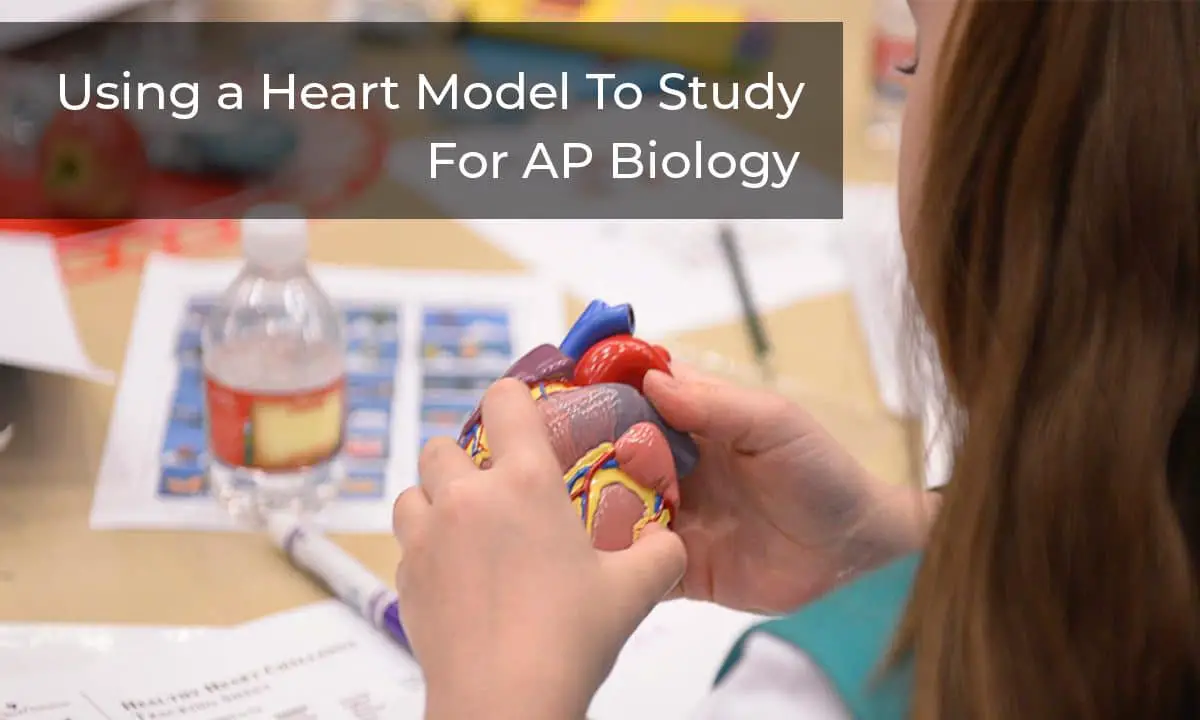
Finally, make it real. Drawing the brain, using models of the brain, or reading stories about people who have injured certain parts of the brain are all ways to make abstract concepts seem real–and make you more likely to remember them. Good luck!

Sheep Heart Dissection Lab Report


Sheep Heart Dissection


In this investigation, the external and internal heart structure valves of a sheep’s heart organ were examined and identified by dissection. The heart is a muscular organ that pumps oxygenated blood and nutrients throughout the body. A sheep’s heart has four chambers like most mammals including humans. Two of those chambers are receiving chambers called the right and left atrium. The other two chambers are pumping chambers called the right and left ventricle. A sheep heart dissection can help to identify each of these different areas of the heart.

The efficiency in the cycle of blood depends on the sequential contraction of the atriums and ventricles. Whenever the atriums contract this is called the systolic phase and whenever the ventricles contract this is called the diastolic phase. These contractions ensure the regular flow of blood through the heart. The contractions occur one after another to make a heartbeat. The many heart valves such as the tricuspid and mitral heart valves control the flow of blood from each chamber.

Blood flow through the heart starts when the right atrium takes the blood that flows in through the superior or inferior vena cava. The right atrium then fills with blood and pressure causes the tricuspid valve to open. The blood then goes into the right ventricle where it contracts the blood into the pulmonary arteries. These arteries lead to the lungs where blood is then oxygenated. The oxygenated blood then flows from the lungs to the left atrium through the pulmonary veins. Due to pressure the mitral valve, which leads to the left ventricle, opens up and pushes the blood into the left ventricle. The left ventricle then contracts and forces the blood through the aorta, which provides the rest of the body with blood.


Objectives of a sheep heart dissection in a lab:

  • Describe the appearance of the external and internal structures of the animal’s heart organ
  • Name the structure and function of the animal’s heart organ
  • Understand the anatomy and physiology of a sheep’s heart

What is a Sheep Heart Dissection?


A sheep heart dissection involves cutting into particular areas of a sheep’s heart so that we can see each of the different sections and learn more about what each part of a heart looks and feels like. A sheep’s heart and sheep internal anatomy are very similar to a human, so it gives us an opportunity to learn more about what a human heart might look like on the inside.

By dissecting into a heart, we can see each different section in detail and can learn how each section helps in pumping blood around the body. Following is a full explanation and sheep heart dissection guide so that you can easily and safely complete a sheep heart dissection yourself in a lab setting.


How to do a Heart Dissection


Materials


The materials needed in this dissection include sheep’s heart, a dissecting tray, a blunt metal probe, a pair of scissors, a scalpel, and a pair of tweezers. The safety equipment needed for this dissection is safety goggles, lab aprons, and gloves. The procedure must be completed according to the safety elements of the lab manual.


Sheep Heart Dissection Guide


Most diagrams of a heart show the left atrium and ventricle on the right-hand side of the picture. This is to show the heart in a way as if it is facing you. If a human was facing you, then the left-hand side of their heart would be on your right, and this is how diagrams usually portray a heart.


Observing the External Anatomy and Areas of the Heart


  1. Start by identifying the left and right sides of the heart. If you look closely, you will see a diagonal line of blood vessels on one side which divide the heart. The half of the heart that includes all of the apex is the left side. This can be confirmed by gently squeezing each side of the heart. The left side of the heart will feel much firmer than the right. This is due to all of the muscles that are required to pump blood to the entire body. The right side of the heart is less firm and weaker as this side only pumps blood to the lungs.
  2. Place the heart down so that the right side is on your right. Take a moment to examine the darker flaps that are located at the top of the heart. These flaps are named auricles. There should be a large opening at the top of the heart right next to the auricles. This is the opening to the superior vena cava – the area which brings blood from the top half of the body to the right atrium. If you stick a probe into this opening, you should feel it go right through into the right atrium. Slightly down and to the left of the superior vena cava lies another opening. Inserting a probe into this opening will also lead to the inside of the right atrium. This other opening is the inferior vena cava, which brings blood up to the heart from the lower tissues. Another blood vessel will be visible next to the left auricle. This is the pulmonary vein, which brings blood up from the lungs and into the left atrium.
  3. Right in the center of the heart, you will see the largest blood vessel. This is the aorta, which is responsible for taking oxygenated blood from the left ventricle to the rest of the body. The aorta branches out when it leaves the heart into more than one artery so it may have more than one opening on the heart that you are examining. If you look closely at the openings, you will see that they are connected to each other.
  4. To the left side of the back of the aorta, you will find another large vessel. This vessel is the pulmonary artery which is responsible for taking blood from the right ventricle to the lungs.

The Dissecting Process and Observing the Internal Anatomy and Areas of the Heart


  1. Insert your scalpal into superior vena cava and make an incision through the wall of the right-hand side atrium and ventricle. The area that we cut is called the pericardium. This is the sac that surrounds the internal areas of the heart. Pull the two sides apart and you should notice three flaps of membrane. These form the tricuspid valve between the right-hand atrium and ventricle. These are connected to flaps of muscle which are named the papillary muscles. They are connected via tendons called chordae tendinae, and these tendons are what are known as the “heartstrings”. This valve allows blood flow from the atrium into the ventricle and prevents blood from backflowing in the opposite direction.
  2. If you insert your probe into the pulmonary artery, you will see it appear in the right ventricle. Make an incision into this artery and look on the inside of it and you should see three small membrane pockets. These pockets form the pulmonary semilunar valve, which is responsible for preventing blood from flowing back into the right ventricle.
  3. Insert you scalpal into the base of the left auricle of the aorta and continue the incision down the left ventricular wall. Between the left atrium and ventricle, you will find the mitral valve. This will have two flaps of membrane connect via tendons to the papillary muscles.
  4. Insert your probe into the aorta and see where it emerges in the left ventricle. Proceed to make an incision in the aorta and observe the inside for three small membrane pockets. These are the aortic semilunar valve and are responsible for preventing blood from flowing backwards into the left ventricle.


Results

Internal Anatomy and Physiology of the Heart & Blood Flow
sheep heart dissection


Conclusion


1) Trace the path of blood from the right atrium to the aorta. The path of blood starts from the superior or inferior vena cava to the right atrium. Then it goes from there to the right ventricle to the pulmonary arteries. The blood flows to the lungs and comes back to the heart through pulmonary veins to the left atrium. The blood then flows down to the left ventricle. The blood then travels from there to the aorta and leaves the body.


2) Pulmonary circulation carries blood between the heart and the lungs. Systemic circulation carries blood to the rest of the body. In what chambers of the heart does pulmonary circulation begin and end? In what chambers does systemic circulation begin and end? Pulmonary circulation begins in the right ventricle and ends in the left atrium. Systemic circulation begins in the left ventricle and ends in the right atrium.


3) What is the function of the septum separating the left and right ventricles? The septum is sort of like a barrier between the two chambers.


4) What is the function of the mitral and tricuspid valves? These valves control the flow of blood into and out of each chamber in the heart. They also prevent blood from flowing backwards.


5) Why are the walls of the left ventricle thicker than the walls of the right ventricle? The left ventricle has thicker walls because it uses this extra muscle to propel blood to and through the aorta to the rest of the body.


Following the steps in the sheep heart dissection guide will give you the tools and knowledge to write a complete essay on the internal and external anatomy of a sheep’s heart.


BACK


Osmosis vs. Diffusion 101: Definitions, Examples, and Practice Problems

Osmosis vs. diffusion is misleading as far as titles go. Both are kinds of passive transport. Passive transport is the gradual movement of molecules from one concentration to another until they are equalized, or at least that’s the shortest definition. Osmosis and diffusion are two ways to accomplish this equilibrium.

Both of these types of passive transport are meant to maintain equilibrium between things like gases, nutrients, water, and some wastes. This is the primary way cells maintain a balance between themselves and extracellular fluids. Both osmosis and diffusion cease once the concentration on both sides of a membrane, like a cell wall, are equalized.

What Exactly is O​​​​smosis?

normal osmosis

Osmosis is the movement of water, and some other liquids, across a semipermeable membrane such as a cell wall. Osmosis doesn’t require extra energy or pressure to occur. It’s one type of passive transport that allows some cells to move nutrients in or wastes out without using the body’s precious energy reserves. Osmosis moves down the concentration gradient.

Osmosis usually happens when water outside, or inside, a cell is more concentrated and helps move nutrients and wastes in and out of the cell. This is a crucial way cells are fed or grow. Osmosis isn’t just about feeding cells and helping them develop. It can occur between two compartments when the water level in one cell is higher, or a concentration of elements is suspended in water outside a cell.

In mammals, osmosis effects the number of nutrients, typically, inside or outside a cell. Through osmosis, cells maintain a steady flow of nutrients into the cavity for repairs or growth. It’s only the primary way cells get rid of wastes. In plants, osmosis is usually the only way water is absorbed from the ground and sent up the plant to feed cells. Osmosis does not work without water.

What isDiffusion?

Diffusion

Diffusion is the movement of particles from an area where the particles are dense to an area where the particles are less think. A great example of it is coffee creamer. At first, the creamer is localized to the spot where you poured it in, but after a few minutes, it invades every other part of your coffee cup. Another good example is muddy water mixing with clean water.

Diffusion typically occurs when gases or liquids are directly mixed in varying concentrations. If a membrane or other divider is removed allowing two vapors or liquids to mingle, diffusion is the result once the gas or liquid levels are balanced again. It is significant to body systems responsible for energy production.

Diffusion helps animals and plants maintain life and produce energy. When you breathe, you are using diffusion to keep oxygen flowing in and out of your body. It also helps regulate heat in animals that lack skin pores and sweat glands like dogs. it is essential to plants during their photosynthesis processes. It helps keep their upper levels watered as well.

Osmosis vs. Diffusion Methods

Thermodynamics

During Osmosis, water molecules pass freely through any semipermeable membrane. This process is spontaneous in both directions until the water concentration on both sides of the layer are equal. The sole purpose of osmosis in cells is to facilitate the movement of nutrients and wastes from outside to inside cells. It regulates the cells hydration during the process as a byproduct.

Anytime the area around the outside of a cell, or a neighboring cell, has a higher concentration of water, osmosis will spontaneously occur until the concentration of water matches on both sides of the cell wall membrane. The same is true if there is more water inside the cell than outside. Osmosis only occurs in the presence of water.

Osmosis also causes cells to swell or deflate based on the amount of water inside or outside the cell. If more water resides outside the cell wall, the cell loses water and tends to shrink. The opposite occurs if more water is outside the cell walls. If the concentration of water remains the same inside and outside, the cell stays the same size and osmosis does not happen. Osmosis always occurs from the lowest to the highest level.

Diffusion is spontaneous just like osmosis but does not require a membrane to pass through. Particles or molecules spread from high concentration areas to low concentration areas. Diffusion creates entropy because it’s random. There’s no measured transfer; it just happens until everything is mixed well. The mixtures that diffuse do become diluted in the process.

Diffusion follows the Second Law of Thermodynamics because it results in a less concentrated area of energy when it completes. It is the nature of diffusion to introduce randomness and reduce concentrations. It’s the process that allows us to breathe in oxygen and exhale carbon dioxide. The level of oxygen in the air outside our body is higher than it is in our lungs. Diffusion lets us equalize the two.

Osmosis plays a prominent role in the distribution of nutrients and wastes in plants and animals. It helps cells function by supplying them with water and nutrients while removing metabolic wastes from inside the cell. In plants, it takes on additional roles to help the plants get water and nutrients from the soil and move them up the plant.

Diffusion can happen through a semipermeable membrane just like osmosis, but it doesn’t require one to work. While osmosis primarily helps cells move nutrients and wastes around, diffusion helps other particles and molecules such as gases pass through cell walls. Both osmosis and diffusion are necessary to continue life.

The Different Types of Osmosis and Diffusion

types of osmosis

There are only two types of true osmosis, forward osmosis and reverse osmosis. Forward osmosis forces lower concentrated particles to move into higher concentrated areas. This is the primary version of osmosis used to filter things like water in nature. Where regular, or reverse, osmosis tends to push particles around, forward osmosis pulls them in. Forward and reverse osmosis are easy to get confused.

Reverse osmosis works off osmotic pressure. When the concentration of water outside, or inside, a membrane reaches a higher level than its neighbor, osmosis is triggered. If osmosis is possible, it usually prevents diffusion from taking place at the same time. Thus, reverse osmosis can be affected by volumetric and atmospheric pressure to force fluids through a membrane to create a forced filtering process.

There are several different types of diffusion:

  • Self-diffusion: measures how much diffusion will occur even with a chemical is at a neutral state.
  • Reverse diffusion: very similar to forward osmosis but relates to more particles such as gases.
  • Photon diffusion: the movement of light through an object and how the object scatters the light.
  • Momentum diffusion: the spread of liquids, mostly, based on the thickness of the liquid. Thicker liquids create higher momentum diffusion.
  • Gaseous diffusion: mainly used to enrich uranium for nuclear reactors and weapons.
  • Knudsen diffusion: a measure of how a particle reacts to a membrane based on the size of the membrane’s pores and the size of the particle.
  • Facilitated diffusion: the spontaneous movement of molecules through a cell membrane at times when osmosis and other forms of diffusion are inhibited.
  • Electron diffusion: the movement of electrons to create an electric current.
  • Effusion: occurs when a gas is filtered through small holes.
  • Surface diffusion: occurs when a dry, powdery substance falls onto the surface of a liquid.
  • Collective diffusion: the diffusion of large quantities of particles within a substance that aid each other in moving about the material.
  • Osmosis: actually just another form of diffusion.

Examples of Diffusion

example of diffusion

Diffusion happens all around and inside us all the time. If you drink tea or coffee, when you add sugar or creamer to them it diffuses until the whole cup is sweeter or creamier. The aroma from air fresheners or cooking food diffuses in the air and invades every room it can reach in your home. These are great examples of passive diffusion since no energy is needed to accomplish diffusion this way.

Plants and animals use diffusion to breathe. Animals draw air into their lungs where it diffuses with the air already in their lungs. This is how we get oxygen into our lungs, and it’s how we get rid of respiratory wastes like carbon dioxide. Carbon dioxide entering a plant’s stomata or oxygen leaving their stomata is how a plant uses diffusion to breathe.

Examples of Osmosis

example of osmosis

Probably one of the best examples of osmosis is water and nutrients entering a plant’s roots from the soil. Animals use osmosis in a similar way except we absorb nutrients and water throughout our digestive system. Unlike plants, animals eat or drink water and nutrients before they consume them for use by cells to grow and repair themselves.

Some Final Notes

The biggest differences between osmosis and diffusion are how plants and animals use these processes to sustain life. Most kinds of diffusion are similar, and osmosis is technically just another form of diffusion. We use diffusion and osmosis all the time, and most people don’t realize it. It occurs naturally, and it’s manufactured, but it’s necessary for life to exist.

Dihybrid Cross Worksheet: Definition, Examples, Practice & More

Genetics plays a significant role in our understanding of how living organisms come to be as well as bettering our overall knowledge of Biology and cells. Learn more about a dihybrid cross worksheet and the role it plays in genetics. 


Dihybrid Cross Worksheet: Definition, Examples, and Practice


It’s incredible to think that genetics can play a role in how we look, feel, express, and even taste things and it can also play an integral part in what kind of apple grows on a tree, as well as the cells that multiply within us. Genetics is an essential part of understanding all living things and can help us to understand Biology better overall.

Like many aspects of science, genetics is not cut and dry. Often people think they have it all figured out and then become easily confused by another factor. Dihybrid cross is a standard experiment in genetics that students of Biology will study.

We will discuss what it is and help you understand it better, so you can express, explain, and answer any of the questions when your instructor hands you a dihybrid cross worksheet.


What Is A Dihybrid Cross Worksheet?


Dihybrid cross in the “mating experiment between two organisms that are identically hybrid for two characteristics.” What’s a hybrid organism? It’s one that is heterozygous (or monohybrid), which means that it has two different genes (or alleles) at a specific point (this point is often referred to as a locus).

A significant amount of organisms, who can sexually reproduce via the sperm and egg process, have two copies of each gene, which allows them to carry two different alleles. An organism that has parts from two different “true-breeding” lines is often referred to as a hybrid.

While machines or vehicles are not living things, we can easily form a comparison to hybrids; we can also consider this concept when thinking about mixed-breed dogs that have two purebred parents, such as a Puggle or Maltipoo.

The concept and name of the dihybrid cross comes from experimenting with and observing the generations that are produced after two “pure” lines reproduce. A dihybrid cross worksheet allows us to predict how likely an offspring is to inherit a particular single trait.


How to Set Up a Dihybrid Cross Worksheet


A dihybrid cross worksheet will help to predict and determine the genotype of an offspring. It does this by determining all the possible combinations of alleles in the gametes of each of the parents.

As an example, half of the gametes get a dominant S and a dominant Y allele. The other half get a recessive s and a recessive y allele. In this case, both parents are producing 25 percent of each of the following: SY, Sy, sY, and sy.

Since each of the parents, in this case, are producing four different combinations, we must draw a four by four punnett square. We must then list the gametes from one of the parents alone one edge of the punnett square, and the gametes for the other parent along another edge of the punnett square. We will then list in each square, the alleles for the first parent, followed by the addition of the alleles from the second parent. Each combination should contain a dominant-recessive allele. 

The final result will form a diagram of all of the possible combinations of genotypes for the offspring of these two parents.

Try out this method out on a dihybrid cross practice worksheet. 


What is Dominant and Recessive? 


The terms “dominant” and “recessive” refer to the inheritance patterns of certain characteristics. This describes how likely it is for a certain phenotype to be passed on from a parent to their offspring.

Beings that reproduce sexually via the sperm and egg process have two copies of each of their genes. Each of these copies, which are known as alleles, are slightly different and never identical. These differences can affect the rate and variation of proteins that are produced. As proteins affect traits, these differences can affect and produce different phenotypes.

Dominant alleles produce dominant phenotypes and dominant traits in people who have one copy of the allele, which comes from just one parent. In order for a recessive allele to produce a recessive phenotype, the being must have two copies, one from each of the parents. Someone that has a dominant and a recessive allele for a gene will have the dominant phenotype and not the recessive phenotype. This means that they are then considered “carriers” of the recessive allele. This is because the recessive allele is there, however, the recessive phenotype is not.

Dominant and recessive disorders can occur when a person has “broken” genes. This results in a broken code for a protein that doesn’t work properly. Since one regular copy of a gene can mask the effects of a broken gene, many disorders of this type are recessive in their single trait inheritance pattern. However, not all disease alleles are recessive.


Monohybrid Cross Example


A monohybrid cross is defined as a genetic cross mix between individuals who have homozygous genotypes, or genotypes which completely recessive, or completely dominant alleles. This results in opposite phenotypes for a particular genetic characteristic.


Following is an example of a monohybrid cross experiment performed by Gregor Mendel…


Mendel’s Dihybrid Cross Experiment


gregor mendel, dihybrid cross worksheet


Gregor Mendel is well known for his work in the field of genetics, and he performed various genetic experiments, including the dihybrid cross, on pea plants in the late 1800s. When he performed dihybrid crosses on plants, he discovered his Law of Independent Assortment.

You might already be familiar with this law of genetics and that it refers to when two or more characteristics are inherited through reproduction, individual hereditary factors independently assort (during gamete or egg production) and give different traits an equal opportunity to occur together.

Even though Mendel was famous for experimenting on pea plants (mostly because the seeds were cheap and readily available), we can consider the dihybrid cross experiment with every living organism from the food we grow to an expanding family.


Let’s observe how Mendel’s Dihybrid Cross experiment looks.


Crossing The P Generation


pea plant under sunlight, dihybrid cross worksheet


Mendel chose a pea plant that was homozygous and dominant for round (RR) yellow (YY) seeds. He crossed the plant with a pea plant that was homozygous and recessive for wrinkled (rr) green (yy) seeds. Remember, homozygous is a particular gene that has identical alleles.

The notation for crossing the two pea plants is RRYY x rryy. The organisms in this first cross are the parental generation or P generation, which should make sense since they are the “parental” organisms that will be reproducing.

The direct offspring from the P generation (RRYY x rryy cross) is known as the F1 generation. All of the plants from the P generations were heterozygous and had round yellow seeds; the genotype was RrYy.


Crossing The F1 Generation: Dihybrid Cross


The dihybrid cross didn’t occur until Mendel crossed two pea plants from the F1 generation and the notation was RrYy x RrYy. The result of the dihybrid cross gave Mendel the F2 generation and a ratio of 9:3:3:1. Here’s what the ratio means:

  • Nine pea plants with round, yellow seeds
  • Three pea plants with round, green seeds
  • Three pea plants with wrinkled, yellow seeds
  • One pea plant with wrinkled, green seeds

From his findings, Mendel deduced that certain pairs of traits in the P generation sorted independently from one another, from one generation and into the next, and that there is never an equal chance of trait occurrence.


Clarifying The Difference Between A Dihybrid and Monohybrid


Until you get a solid understanding of genetics and cells, dihybrid and monohybrid can be a little confusing, even after we’ve discussed Mendel’s experiment, so let’s clarify the two.

Remember, the dihybrid cross deals with two traits and as the name suggests, the monohybrid centers around a difference in just one trait. The parental organisms are both homozygous for the trait being studied (such as color) but have different alleles for that trait.

One parental organism is homozygous dominant, and the other is homozygous recessive. The F1 generation in a monohybrid is all heterozygous (like the dihybrid cross). F2 generation is typically three-fourths dominant phenotype and one-quarter recessive phenotype.


Applying The Dihybrid Cross Experiment


Mendel’s pea plant dihybrid cross experiment is groundbreaking and helped to form genetics as we know it today, but let’s observe a few other examples…


What Are Some Examples of a Dihybrid Cross Worksheet?


Fruit Flies


fruit flies, dihybrid cross worksheet


If you were studying fruit flies and wanted to use the dihybrid cross experiment on them, where would you begin? Some may say that you should breed the hybrid flies together while others would recommend counting the number of each type of fruit fly you have.

The first step is to establish the lines of homozygotes. If you want your heterozygotes to breed, you have to ensure that the P generation is “true.”

In order to get a line of homozygotes, you would need to breed the lines repeatedly and select the flies that only show one allele for each characteristic in their offspring. It would be a lengthy process, but that’s the only way a dihybrid cross experiment could be successful.


Summer Squash


summer squash, dihybrid cross worksheet


Ready for another example that you might find on a dihybrid cross worksheet? Let’s take a look at this problem.

Find the phenotypic and genotypic ratios for the F1 and F2 generation of summer squash. The summer squash has white fruit color (W), which has dominance over yellow fruit color (w). The disk-shaped fruit (D) has dominance over the sphere-shaped fruit (d).

What results will we have if we cross a squash plant true-breeding for white, disk-shaped fruit with a squash plant true-breeding for yellow, sphere-shaped fruit? Remember, we’re looking for the ratios of F1 and F2 generations.

The P1 geno and phenotypes should be WWDD (white, disk-shaped fruit) x wwdd (yellow, sphere-shaped fruit). To figure out your results, you’ll enter your information into a Punnett Square (you can see how this should look when you click on the genetic cross worksheet that we have listed above).

The results for the F2 generation ratios will form the following:

1:2:2:1:4:2:1:2:1 genotypic ratio (look at the details below)

  • 1/16 will be homozygous dominant for both traits (WWDD)
  • 2/16 will be homozygous dominant for color and heterozygous for shape (WWDd)
  • 2/16 will be heterozygous for color and homozygous dominant for shape (WwDD)
  • 1/16 will be homozygous dominant for color and homozygous recessive for shape (WWdd)
  • 4/16 will be heterozygous for both traits  (WwDd)
  • 2/16 will be heterozygous for color and homozygous recessive gene for shape (Wwdd)
  • 1/16 will be homozygous recessive for color and homozygous dominant for shape (wwDD)
  • 2/16 will be homozygous recessive for color and heterozygous for shape (wwDd)
  • 1/16 will be homozygous recessive for both traits (wwdd)

9:3:3:1 phenotypic ratio (look at the details below)

  • 9/16 will have white, disk-shaped fruit
  • 3/16 will have white, sphere-shaped fruit
  • 3/16 will have yellow, disk-shaped fruit
  • 1/16 will have yellow, sphere-shaped fruit

The Offspring of Made-Up Creatures


Let’s take a look at one more example for variety (and practice).

Imagine a made-up creature that has yellow eyes and green fur. We can assume that both creatures are heterozygous for yellow eyes and green fur, let’s find out the genotype and phenotype of the creature’s offspring; Yellow eyes are E, and green fur is F. The recessive traits are red eyes (ee) and yellow fur (ff). What is the chance that the baby will have red eyes and yellow fur?

First, we need to find the genotype of the parents. Remember that they are heterozygous, which means the genotype is Ee for the eyes and Ff for the fur.

After you form your Punnet Square, you should list every possible combination: E-F, E-f, e-F, e-f. If you’ve filled out your square correctly, there’s a one in 16 chance that the creature’s baby will have red eyes and yellow fur because only one box equals the combination eeff.

As you can see the summer squash problem is a little more complex and time-consuming than Mendel’s pea plant (and the made-up creature is a little bit silly), but with practice and the right information, you can complete any problem on a dihybrid cross worksheet with relative ease and determine the likelihood that certain cells and traits will be produced in an offspring.


Practicing Dihybrid Cross Worksheets


A simple search in Google will bring up many different practice worksheets to help you build upon your skills of creating a dihybrid cross worksheet of your own. Many of these practice worksheets will include a dihybrid cross worksheet answer key so that you can practice yourself and be sure that you are doing them correctly. 

Practicing will ensure that you are ready to answer any questions that your college or university professor may have for you regarding a dihybrid cross worksheet.

Molecular Geometry Chart: Definition, Examples, and Study Guides

How much do you know about molecular geometry definition and the shapes of molecules in chemistry? Join us as we define this subject, go over some examples, and list the different structures you will find in an electron and molecular geometry chart. We have also included some study guides to help you go further.


Molecular Geometry Chart: Definition, Examples, and Study Guides

Molecular geometry is typically taught in college and advanced high school classes. This subject uses geometric models to represent the shape and structure of molecules. It allows scientists to get a precise idea of how the number of atoms and electrons are connected. There are also some rules that help scientists predict which shape a molecule will adopt. There are a huge number of molecules and sequences that can be analyzed. From looking at the number of atoms around a molecule to more difficult structures such as DNA sequence – there are many areas of molecular and electron geometry to explore.


What is a Molecular Geometry Chart?

molecular geometry 3d molecules, molecular geometry chart, molecular geometry definition

Molecular geometry is the science of representing molecules in a three-dimensional manner. A molecular geometry chart is a collection of rules on how molecules and electrons will connect and shape a molecule.

Students and scientists can use these charts to create three-dimensional diagrams that represent molecules. These visual representations are interesting because they help students and scientists predict the shape, polarity, and biological activities of a molecule.

These representations can also help with other concepts, such as:

  • Reactivity.
  • Phase of matter.
  • Color.
  • Magnetism.

Molecular geometry can be applied regardless of how complex a molecule is. Students will typically work with simple models at first before learning how to apply these concepts to create detailed models of more complex molecules.


Common Molecular Structures

Molecules obey certain laws when atoms and electrons connect with each other. Molecules will form specific shapes. It is crucial to familiarize yourself with these common shapes so you can determine the correct one.

These are the shapes and structures you will find in a molecular geometry chart:

  • Linear structures.
  • Bent or angular connections.
  • Pyramidal structures.
  • Tetrahedral molecules.

You are probably already familiar with these structures if you have been studying chemistry for a while. Most students have an understanding of these structures thanks to the visual representations of molecules shown in class or textbooks even though they might not know about the rules of molecular geometry.


Polar And Non-Polar Molecules

Certain molecules can be grouped as either polar or non-polar. Other molecules fall between the two.


The geometry of atoms in some molecules is arranged in such a way that one side has a negative charge and the other side has a positive electrical charge. In this case, this type of molecule is called a polar molecule. This means that it has electrical poles. Molecules that aren’t arranged in this way are called non-polar molecules.


Not every molecule that has polar bonds is a polar molecule. For example, carbon dioxide has two polar bonds (C O). However, the molecular geometry of carbon dioxide is linear. This means that the two bonds cancel each other out, resulting in the molecule being non-polar.

Electronegativity

What is electronegativity and why does it vary around a molecular geometry chart? Electronegativity is defined as the measure of the tendency of an atom to attract a bonding pair of electrons.


If two atoms are equally electronegative, then both of those atoms have the same tendency to attract a pair of bonding electrons, and therefore it will be found on average halfway between the two atoms. To get a bond such as this, both atoms would usually be the same atom.


If one of the atoms is slightly more electronegative than the other, this will mean that one of the atoms has a fair share of electron density, and this results in that atom becoming slightly negative. At the same time, the opposing atom will become slightly positive. This is a polar bond.


If one of the atoms is incredibly more electronegative than the other, this will result in the electron pair being dragged right over to that electronegative atom. This means that the other atom loses all control of its electron, and the electronegative atom has complete control over both electrons. This results in ions being formed and is called an ionic bond.


Lewis Theory And Valence-Shell Electron-Pair Repulsion Theory

You can’t gain a thorough understanding of molecular geometry without studying the Lewis theory and the Valence-shell electron-pair repulsion theory.

The Lewis theory is about how valence shell electrons bond with an atom. This approach represents atoms and electrons in a two-dimensional manner. You will often start with this simple visual representation called a Lewis structure to determine the correct three-dimensional structure for a molecule.

You can create a Lewis structure electron dot diagram by simply writing the symbol for the atom you want to represent. You would then add dots to represent the valence shell electrons connected to the atom.

A valence electron is an electron located in the outer shell of the atom. It is common to omit the electrons that aren’t connected to the outer shells of an atom since they won’t form bonds with other elements and would only make Lewis structure diagrams more complicated. If a shell is closed, the electrons that can be found in this shell won’t be shown on a Lewis electron dot diagram.

In a Lewis structure, you can place the dots on any side of the symbol. However, you can’t have more than two dots per side.

The Valence shell electron-pair repulsion theory states that electrons will naturally repel each other. This applies regardless of the type of pairs they form.

Electrons can form bonded pairs, lone pairs, double bonds, triple bonds, or exist as single unpaired electrons. They will position themselves around an atom so that there is as much space as possible between them. In molecular geometry, each pair or single unpaired electron counts as an electron group.

This natural behavior reduces repulsion between electrons and maximizes the space available to attract other elements the electrons can bond with.

The Valence-shell electron-pair repulsion theory is important vital in the context of molecular geometry because it will help you figure out the angle of the different bonds that exist around an atom. You can use this theory to deduce the structure of a molecule.


Molecular Geometry Structures And Atom Groups

You can determine the structure and shape of a molecule once you know about the atoms that make up this molecule, how many electrons are connected to these atoms, and which type of bond these electrons form.

These are the different structures molecules can adopt:

  • If you have an atom with two electron groups, the molecule will adopt take a linear structure.
  • If you have three electron groups, you will have a trigonal-planar structure.
  • The molecule will adopt a bent structure if there are three groups of electrons with a lone pair.
  • If there are four groups of electrons, the molecule will have a tetrahedral shape.
  • A molecule with four groups of electrons and a lone pair of electrons will take the shape of a trigonal pyramid.
  • If you have four groups of electrons and two lone pairs, the molecule will have a bent structure.
  • A molecule with five electron groups will adopt a trigonal-bipyramidal structure.
  • If there are five electron groups and a lone pair of electrons, the molecule will have a seesaw structure.
  • A molecule with five electron groups and two lone pairs, the molecule will be T-shape shaped.
  • If there are five electron groups and three lone pairs, you will have a linear structure.
  • A molecule with six electron groups will have an octahedral shape.
  • A molecule with six electron groups and a lone pair will be shaped like a square pyramid.
  • If you have six electron groups and two lone pairs, the molecule will adopt a square planar structure.

These thirteen different scenarios cover all the different structures you will encounter in molecular geometry. You don’t need to learn them by heart since you can easily deduct the structure that makes the most sense by applying the Valence-shell electron-pair repulsion theory.


Molecules With More Than One Atom

blue and red molecules, molecular geometry chart, molecular geometry definition

The molecular geometry chart still applies if you have a molecule with more than one atom. The structure will be more complex and will probably combine different geometric shapes.

If you have a complex molecule, break it down into smaller section and look at each atom individually. Determine how the electrons will connect to this atom in function of the type of bond they form and of the number of electron groups.

You can use molecular geometry rules to determine the shape and structure of each atom and its electrons. You can then apply the Valence-shell electron-pair repulsion theory to determine how these different small structures will connect to each other to form a more complex molecule.


Ions

An ion is defined as a molecule or atom which has acquired an electrical charge due to gaining or losing electrons. Polyatomic ion charges are ones which are composed of two or more atoms. When a polyatomic ion is involved in a chemical reaction, the oxidation number of it plays a significant role. This is a number which is either negative, positive, or zero. This oxidation number is an indication of the number of electrons in which an ion can share, lose, or gain when chemically reacting which an atom, compound, molecule, or with another ion. The oxidation number of a polyatomic ion is worked out at the sum of the oxidation numbers that belong to its constituent atoms. This is equal to the positive charge, negative charge or neutral charge that exists on the ion.


Diatomic Molecules

A diatomic molecule consists of two atoms. The majority of diatomic molecules are ones of the same element, however, a few combine different elements. Most diatomic molecules are gases at room temperature.


Octahedral Molecular Geometry

Octahedral molecular geometry refers to the shape of the compounds that have six atoms or ligands symmetrically arranged around a central atom. This defines the vertices of an octahedral shape. The octahedron is platonic solid, even though octahedral molecules tend to have a central atom and no bonds. The term “octahedral” is a loosely used term amongst scientists, as it focuses purely on the geometry of bonds to the central atom, rather than looking at the differences in the ligands.


Bond Angles And Three-Dimensional Geometry

Students often make the mistake of thinking in two dimensions when determining bond angles. Electrons will position themselves to be as far away from each other as possible, but keep in mind that they will do this on a three-dimensional plane. A molecular geometry chart with bond angles will help to clarify these structures.

Working with three-dimensional models is a great way to get used to thinking about geometry in a three-dimensional plane. There are also apps and software you can use to create virtual models and get used to these concepts.

What is the Difference Between Electron-Pair Geometry and Molecular Structure?

Electron Geometry

Electron geometry is the term used for the geometry of the electron pair located on the central atom. This applies whether they are bonding electrons or non-bonding electrons. The definitions of an electron pair is electrons that are in pairs or multiple bonds, lone pairs and sometimes even just one single electron that is unpaired. Electrons are always in constant motion and it can be difficult to determine the path that they are going to take. With this in mind, the arrangement of electrons within a molecule is defined by electron density distribution.


An Example of Electron Geometry

We will use CH4 as an example.


The central atom in this example is C, plus there are also four valence shell electrons. The hydrogen atoms give four electrons, so that means that there are a total of eight electrons around C. In this example, the single number of bonds are four, and the number of lone pairs here is zero. So with this in mind, we can determine here that the electron geometry of CH4 is tetrahedral.


Molecular Geometry

Molecular geometry is the term used when determining the shape of a molecule. This refers to the three-dimensional structure or arrangement of the atoms within a molecule. There is usually a central atom which is surrounded by electrons. When we understand the molecular geometry of a compound, this makes it much easier to determine the magnetism, phase of matter, polarity, color, and reactivity of that compound. The geometry of molecules is often described using bond lengths, bond angles, and torsional angles. With smaller molecules, simply the molecular formula, along with a table of angles and standard bond lengths may be all that is needed to determine the geometry of that particular molecule. It is predicted by looking at only the electron pairs, which is what makes molecular geometry different from electron geometry.


An Example of Molecular Geometry

We will use H2O as an example.

H2O is a common polar molecule. The central atom in this case is the oxygen atom which has six valence electrons. Hydrogen, in this case, gives a total of two electrons, which makes the total overall amount of electrons eight. In this example, there are two lone electron pairs, and four electron groups, as well as two single bond pairs. Therefore, the molecular geometry in this example is bent.


Why Do Most Atoms Form Chemical Bonds?


Most elements contain atoms that form chemical bonds. This is because those atoms become more stable when they are bonded together. Neighbouring atoms are attracted to each other by electrical forces which make them stick together. Atoms that are strongly attractive rarely spend much time on their own – other atoms will usually bond to them quite quickly. The arrangement of electrons around a central atom is what determines the strength in which it seeks out other atoms to bond with.  


Chemical Bonds

A chemical bond is formed by the joining of two or more atoms. A stable compound occurs when the total energy of the combined atoms has lower energy than if the atoms were separate. The combined state of these atoms implies there is an attractive force between these atoms – a chemical bond. There are two extreme cases of chemical bonds. These are covalent formula bonds and ionic formula bonds.


Covalent Bonding

A covalent formula bond is one which involves sharing of valence electrons by two atoms. These types of covalent bonding can create stable molecules, as long as they share electrons in a way that creates noble gas electron configuration for each atom.


Ionic Bonds

During chemical bonds, atoms can either share or transfer their valence electrons. In some extreme cases, one or more atoms may lose electrons and then other atoms gain them which produces noble gas electron configuration. The bond in this case is called an ionic bond.


What Is The Difference Between Atomic Orbitals And Molecular Orbitals?


The orbital is a region in which the probability of finding an electron is relatively higher than usual. Atoms have a nucleus and within this nucleus they have their own electrons rotating around. When orbitals are overlapped to create molecules via bonding, these types of orbitals are named molecular orbitals. Molecular orbital theory and valence bond theory both explain the properties of molecular and atomic orbitals. Orbitals can hold two electrons within them maximum. The main difference between molecular orbital calculation and atomic orbital calculation is that electrons within a molecular orbital are influenced by two or more nuclei. This depends on the number of atoms in the molecule. Atomic orbitals are different as they are only influenced by one positive nucleus.


Organic Chemistry


Organic chemistry refers to the study of the composition, structure, properties, preparation, and reactions of compounds which contain carbon. This includes compounds that are not only hydrocarbons, but also compounds which contains a number of other elements such as hydrogen, oxygen, halogens, nitrogen, phosphorus, sulfur, and silicon. This type of chemistry used to only refer to compounds that were produced by living beings. However, it has now been broadened to focus on other substances such as plastics. There is a huge range of organic compounds and these include things such as food, explosives, paints, cosmetics, and pharmaceuticals. Organic chemistry is the best way of creating new compounds. Scientists will develop new and better ways of synthesizing existing compounds with organic chemistry.


Study Guides

There are several study guides on molecular geometry chart information which you can use to go further and practice molecular geometry. This subject gets easier once you start applying it and become familiar with all the different structures molecules can adopt.

You should start by modeling simple molecules or look at three-dimensional models of different molecules to identify their shape and ask yourself what kind of atom groups and bond types caused the molecule to adopt this structure.

Here are a few study guides to help you go further:

  • This study guide from NYU covers the basics and includes some helpful diagrams of the most common shapes you encounter. We like that the angles are indicated for each diagram.
  • This study guide from Angelo University goes over the Lewis structures, the types of bonds you will encounter, and talks about exceptions and resonance structures. There are plenty of examples, and this material will help you explore additional concepts.
  • This molecular geometry guide from Oklahoma State University sums up all the different structures with a detailed table. This is a great resource if you need help with understanding how angles are determined.
  • This comprehensive guide explores the Lewis dot structures and shows you how to place the dots around the atom symbols.
  • You can test your molecular geometry knowledge with these flashcards and quiz questions.

Interactive 3D Tool

The University of Colorado has an online interactive tool that lets you create 3D models of different molecules. You can select different types of electron groups and see how they will connect to an atom.

This tool will show you the angle of the bonds and show models for different molecules if you don’t want to create one from scratch.

This visual tool would be very useful in a classroom when teaching molecular geometry chart information, but you can use it to try and recreate the thirteen different structures that exist in molecular geometry or to try recreating different specific molecules.

Molecular geometry is a fascinating subject. Studying molecular geometry can seem complex at first, but things become easier once you become familiar with the different structures that exist and understand which factors will influence how a molecule is shaped. Make good use of the study guides listed above, and take the time to play with the interactive 3D tool to try different things.