Why Mental Health Education Matters More Than Ever

Have you ever felt like mental health conversations are everywhere now—but still not fully understood? You’re not alone. Mental health affects how we think, feel, and act, yet for many years, it’s been pushed aside or talked about in whispers. Today, more people are finally recognizing how important it is to talk openly and learn about mental health from an early age. With rising stress levels, social pressures, and mental health challenges in all age groups, understanding mental wellness is no longer optional—it’s essential.

In this blog, we will share why mental health education matters more than ever and how it can change lives for the better.

Mental Health Issues Are on the Rise

More people are facing mental health problems than ever before. Children, teens, and adults are all showing higher levels of stress, anxiety, and depression. The COVID-19 pandemic made things even harder. It created a lot of fear, isolation, and uncertainty. Many people struggled to manage their emotions, and some didn’t know where to turn for help. This showed us how unprepared many communities are to support mental well-being.

When we teach mental health early, we give people the tools to cope with stress and emotions. It becomes easier for them to speak up when they’re feeling low or overwhelmed. Education helps people recognize warning signs in themselves and others. It’s not just about knowing mental disorders—it’s about understanding how to take care of our minds every day.

Education Builds Awareness and Reduces Stigma

For many years, people avoided talking about mental health. Some thought it was a sign of weakness or something to be ashamed of. But with the right education, we can change these harmful ideas. Learning about mental health helps people see it as a normal and important part of life. It shows that needing support isn’t something to hide.

Online CACREP counseling programs are playing a big part in shaping the next generation of counselors. These programs offer flexible, high-quality education that teaches students how to support mental well-being in all types of settings. By training more professionals through online learning, mental health care becomes more accessible. Education at every level—from schools to advanced degrees—helps break the silence and replaces shame with understanding.

It Helps Young People Develop Healthy Habits

Mental health education doesn’t just help with serious problems—it also teaches skills that protect mental wellness. Young people face all kinds of challenges, from school stress to peer pressure. Without guidance, they might develop harmful habits like bottling up emotions or ignoring their feelings. When schools include mental health in the curriculum, students learn how to talk about their emotions and build healthy ways to cope.

These lessons often include things like breathing exercises, journaling, or talking to someone when things get tough. With practice, these tools become habits. Students start to see that asking for help is a smart and brave step. The earlier they learn these skills, the more likely they are to use them throughout life. These positive routines help build stronger minds and safer communities.

It Supports Teachers and Parents, Too

Mental health education isn’t just for students. Teachers and parents play a big role in a child’s emotional life. When adults understand mental health, they’re better able to support young people. They can recognize signs that a child may be struggling. They can offer the right words and actions to help instead of making things worse without meaning to.

Workshops, online resources, and school-based programs can give adults the tools they need. They learn how to talk about tough topics, encourage open conversations, and respond with care. It’s easier for them to guide children when they understand what mental health really means. Supporting adults leads to better support for children, and the entire environment becomes healthier and safer.

Mental Health Impacts Academic and Work Performance

When someone is struggling emotionally, it affects everything—school, work, and even relationships. A student with anxiety may find it hard to focus. A worker with depression may miss days or feel disconnected from tasks. Mental health and productivity go hand in hand. If we want people to do their best, we need to support their emotional needs.

Mental health education can help identify what’s holding someone back and offer strategies to manage those issues. It encourages self-care, time management, and emotional check-ins. These habits make it easier to stay on track in school or at work. Education that includes emotional well-being leads to stronger performance, better attendance, and a deeper sense of purpose.

It Prepares People to Handle Life’s Challenges

Life is full of changes and challenges—some planned and others unexpected. Without strong mental health tools, even small setbacks can feel overwhelming. Whether it’s a tough breakup, a lost job, or moving to a new city, everyone goes through stress at some point. Mental health education teaches people how to face those hard times with strength and confidence.

When someone understands their emotions, they don’t get lost in them. They learn how to pause, think things through, and make smart choices. Education gives them a set of tools to stay steady when things get rough. These skills aren’t just useful in crisis—they’re valuable every day. Being emotionally prepared makes life smoother and more balanced.

In conclusion, mental health education is more than a trend—it’s a necessity. In today’s fast-changing world, we need to equip people with the knowledge, tools, and support to handle emotional challenges. Teaching about mental wellness helps individuals feel more in control, and it brings people together in stronger, more understanding communities. Whether it starts in a classroom, a family, or a training program, learning about mental health can change lives.
How Biological Knowledge Can Improve Psychiatric Patient Outcomes

 Biological Knowledge

The connection between biology and behavior is shaping a new era in mental health. The days of treating psychiatric symptoms without a full understanding of the body’s underlying mechanisms are fading. Now, insights from neuroscience, genetics, and endocrinology are transforming how professionals approach mental well-being. Every mood, decision, or thought is influenced by chemical and structural processes within the body, and mapping those relationships gives clinicians more clarity on why conditions develop and how to treat them effectively.

This evolving understanding has practical outcomes. Grounding psychiatric care in biology enables professionals to better predict which interventions will work, monitor changes more precisely, and measure recovery in tangible ways.

Applying Neurobiological Insights

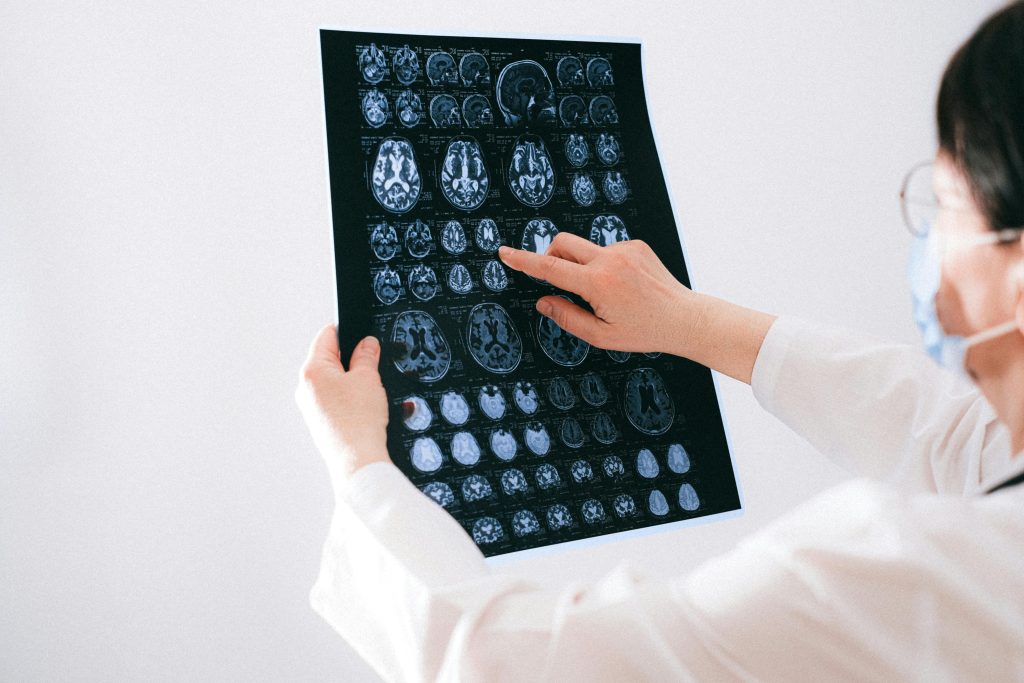
Neurobiology provides a framework for understanding the physical basis of behavior. When clinicians examine how brain structures communicate or how neurons respond to stimuli, they gain a clearer picture of why certain patterns of emotion or thought emerge. This understanding refines every layer of psychiatric care, from diagnosis to medication management to therapy planning. Incorporating data from brain imaging, electrophysiological studies, and neurotransmitter research, treatment moves away from generalizations and becomes targeted, measurable, and adaptive. Such findings prove valuable for almost all professionals in a healthcare setting, whether a psychiatric nurse or a general psychiatrist. 

Both the psychiatrist and the psychiatric nurse practitioner play vital roles in applying these insights. A psychiatrist may focus on the neurochemical pathways behind a disorder and use imaging or medication to modify them, while a nurse practitioner can integrate biological understanding into therapy, monitoring, and long-term support. The discussion around psychiatrist vs PMHNP is not about hierarchy but about perspective, as each role brings different strengths in translating science into patient progress. Together, they form a collaborative model of care that uses biology not as a theory but as a daily tool for better outcomes.

Exploring Neurotransmitter Activity

Neurotransmitters are the language of the brain, carrying signals that shape everything from attention and motivation to anxiety and rest. Studying how these chemicals, serotonin, dopamine, GABA, and others, interact helps clinicians design more effective treatment plans. For example, understanding dopamine dysregulation allows for precision in addressing conditions like schizophrenia or ADHD, while serotonin mapping informs decisions around antidepressant selection.

Advancements in pharmacogenomics have also made it possible to predict how a person’s genetic makeup influences their response to certain medications. This reduces the trial-and-error approach that has long been part of psychiatry. 

Examining the Gut-Brain Connection

The link between gut health and mental well-being has become one of the most compelling developments in biological psychiatry. The microbiome, which is the vast network of bacteria in the digestive system, produces neurotransmitters, regulates inflammation, and communicates directly with the brain through the vagus nerve. When the gut’s balance shifts, mood and cognition often shift too. This relationship has prompted many psychiatric professionals to consider nutrition and digestive health as central elements of emotional stability.

Research now supports the use of probiotics, prebiotics, and diet adjustments to support mental health treatment. A balanced gut environment can influence serotonin production, reduce anxiety, and improve energy regulation. For patients with chronic stress or depression, small biological interventions, like restoring gut balance, can work alongside therapy or medication to enhance overall outcomes. 

Identifying Predictive Biomarkers

Biomarkers give psychiatry something it has long needed: measurable signals that forecast changes in mental health. These markers can include hormones, inflammatory molecules, genetic patterns, or brain activity signatures that point to risk or resilience. When clinicians identify them early, they can act before symptoms return or escalate. 

Tracking biomarkers allows clinicians to tailor interventions precisely. For example, if inflammation markers rise, adjustments can be made before a depressive episode begins. If hormone levels or sleep patterns shift, medication or therapy can adapt accordingly. 

Linking Hormonal Balance and Emotion

Hormones form an invisible network that influences mood, energy, and motivation. Subtle imbalances in cortisol, estrogen, or thyroid hormones can alter how patients think and feel, often mimicking or intensifying psychiatric symptoms. 

Monitoring hormonal activity allows clinicians to support more complete recovery plans. Collaboration between endocrinologists and mental health providers ensures that treatment focuses on both the physical and psychological aspects of imbalance. 

Studying Inflammation in Psychiatry

Inflammation plays a significant role in the way mental health conditions develop and progress. Research continues to show that inflammatory molecules can influence mood regulation, energy levels, and cognition. Chronic low-grade inflammation may alter neurotransmitter function, contributing to conditions such as depression, anxiety, and fatigue. Understanding this link allows clinicians to view psychiatric disorders through a wider biological lens, recognizing that the immune system and the brain are in constant communication.

Modern psychiatric care is beginning to incorporate inflammation monitoring into patient assessments. Anti-inflammatory treatments, dietary adjustments, and exercise routines that lower inflammatory markers are being explored as complementary approaches. This biological awareness helps clinicians shape care that doesn’t rely on medication alone but instead treats the root systems influencing mental well-being. 

Using Biological Feedback

Biological feedback tools bridge science and therapy in real time. Systems like EEG, heart rate variability tracking, and skin conductance monitoring reveal how the body responds to thought and emotion. Such insights allow patients to see their reactions instead of guessing them, turning awareness into skill. With this information, therapy becomes more interactive and personalized, building self-regulation through observation and practice.

Biofeedback also strengthens the relationship between patients and their bodies. When individuals learn to influence physical patterns, slowing their heart rate or reducing tension, they develop confidence in their ability to manage stress. Clinicians use biological cues as training points for attention, focus, and calmness. 

Training Clinicians in Data Interpretation

The integration of biological data into psychiatry demands new forms of training. Clinicians must learn how to interpret genetic, hormonal, and neurological information with accuracy and empathy. This knowledge ensures that biological markers inform decisions rather than overwhelm them. Education that connects biology with behavior helps professionals translate complex findings into practical guidance for patients.

Interdisciplinary learning between psychiatry, neuroscience, and internal medicine supports this effort. When professionals understand both the science and the lived experience of mental health, care becomes unified and more effective. Interpreting biological data accurately ensures that science enhances human understanding instead of distancing it. 

Biological knowledge gives psychiatry the depth it has long needed. It replaces guesswork with measurable understanding and transforms treatment from symptom management to true insight. Each area, like neurobiology, hormones, neurotransmitters, inflammation, and stress, adds clarity to the complex story of how the body and mind influence one another. This approach builds trust between patients and professionals because decisions are grounded in evidence that patients can see and understand. 

Empowering Nurses for Expanded Practice and Specialization


In modern healthcare systems, nurses stand as critical pillars supporting the continuum of care. Their roles have evolved dramatically over the decades, transforming from auxiliary caregivers to autonomous professionals involved in decision-making, advanced diagnostics, and holistic patient care. As healthcare demands grow increasingly complex, the need for highly skilled and
specialized nursing professionals becomes more apparent. Empowering nurses to operate at the peak of their professional license is no longer an option but a necessity. The journey toward expanded practice and specialization not only uplifts individual careers but also strengthens the healthcare infrastructure as a whole.

Redefining Scope of Practice Through Autonomy

Empowerment in nursing is strongly tied to autonomy—the ability to make independent clinical decisions based on professional judgment and evidence-based practices. Expanded scope of practice allows nurses to assess, diagnose, treat, and manage care independently within their field. Autonomy strengthens accountability and fosters innovation, especially in primary and preventive care settings. When nurses are trusted with broader responsibilities, they often
identify systemic inefficiencies, advocate for policy changes, and lead initiatives that enhance patient outcomes. Empowering nurses in this way not only elevates their practice but also contributes to the reduction of healthcare delivery gaps, particularly in underserved or high-demand areas.

Building Foundational Expertise Through Higher Learning

Progress in the nursing profession requires more than experience alone—it demands a rigorous academic framework that enhances clinical judgment, leadership potential, and strategic thinking. For those aiming to transition into more advanced and influential roles within healthcare, the pursuit of an RN to MSN degree serves as a pivotal step. This advanced program fosters expertise in evidence-based practice, systems leadership, and care coordination, allowing nurses to move beyond bedside responsibilities and contribute meaningfully to high-level decision-making, specialized clinical functions, and long-term
healthcare improvements. It builds the intellectual and practical foundation necessary for navigating increasingly complex patient needs and healthcare systems.

Fostering Specialization for Focused Excellence

As medicine advances and healthcare becomes more nuanced, specialization has emerged as a strategic response to deliver high-quality, targeted care. Specialized nurses bring advanced knowledge and refined skills to areas such as oncology, cardiology, mental health, critical care, and pediatrics. These professionals offer enhanced patient experiences by bridging general
nursing knowledge with condition-specific expertise. Specialization encourages continuous learning and clinical mastery, making nurses indispensable members of interdisciplinary teams. Additionally, specialized nurses often act as patient advocates, educators, and care coordinators, ensuring that care plans are comprehensive and individualized. This depth of
expertise not only boosts patient trust but also allows for more accurate and effective interventions.

Leadership Roles and Interdisciplinary Collaboration

Empowering nurses also means recognizing their potential to lead. Leadership in nursing is not confined to hierarchical roles but extends to everyday clinical interactions, mentorship, and team dynamics. Nurses in empowered roles often mentor juniors, guide policy changes, and represent their units in hospital boards or multidisciplinary discussions. Effective nurse leaders drive innovation, streamline care delivery, and inspire excellence within teams. Empowerment encourages collaboration between nurses and other healthcare professionals, such as physicians, social workers, and therapists. This collaboration ensures cohesive care strategies that are responsive to patient needs, reducing redundancies and minimizing errors in the care pathway.

Policy Influence and Advocacy

Nurses possess an in-depth understanding of patient care realities and are well-positioned to influence healthcare policy. Empowering nurses to participate in legislative and administrative discussions leads to more patient-centered regulations and practice environments. Policy advocacy by nurses often addresses staffing ratios, workplace safety, resource allocation, and
equitable care access. When their voices are amplified, healthcare policies become more aligned with clinical realities, improving both the work environment and patient outcomes.

Technology Integration and Digital Competency

In today’s digital age, healthcare is increasingly reliant on technology. From telehealth platforms and electronic health records to AI-driven diagnostics and wearable monitoring devices, technology has become a cornerstone of modern care. Nurses must be empowered with the tools and training to navigate this digital landscape effectively. Digital competency allows nurses to engage with technology confidently, improve documentation accuracy, and utilize data analytics for evidence-based interventions. Training in digital systems reduces
administrative burdens, enabling nurses to focus more on patient interaction and less on clerical tasks.

Addressing Burnout Through Empowerment

Burnout among nurses is a growing concern in the global healthcare community. High workloads, emotional stress, insufficient support, and limited advancement opportunities contribute significantly to mental and physical exhaustion. Empowerment acts as a preventive measure against burnout. When nurses feel valued, supported, and involved in decision-
making, job satisfaction increases and stress levels decrease. Providing clear career paths, access to continuing education, and platforms for expressing concerns fosters a healthier work environment.

Mentorship and Lifelong Learning Culture

A culture of mentorship is essential for sustaining empowerment in nursing. Experienced nurses serve as guides, offering insights, encouragement, and constructive feedback to their less experienced colleagues. This culture fosters confidence, ethical decision-making, and professional growth. Lifelong learning becomes second nature when mentorship is embedded in the workplace. Nurses who continuously update their knowledge stay relevant in their field and adapt quickly to changes in clinical guidelines, technologies, and patient expectations.

Breaking Stereotypes and Elevating Perceptions

Despite their essential role, nurses often face stereotypes that limit public perception of their capabilities. Empowering nurses challenges these outdated narratives by showcasing their expertise, leadership, and critical role in healthcare delivery. Visibility in research publications, media, healthcare panels, and institutional leadership roles reshapes the narrative around
nursing. By elevating their status and reinforcing their contributions, both within and outside the healthcare system, empowerment paves the way for a new era of respect and recognition for the nursing profession.

Empowering nurses for expanded practice and specialization is more than a strategy—it is a commitment to a stronger, more responsive, and inclusive healthcare system. As the healthcare landscape continues to evolve, nurses must be equipped with the knowledge, authority, and support to lead meaningful change. The ripple effects of such empowerment enhance not only
individual careers but also entire communities and care systems, bringing healthcare closer to what it should always be: compassionate, effective, and centered on human well-being.

How Advances in Biology Are Helping Us Combat New Viruses

The rapid emergence of new viruses poses a significant challenge to global health. From SARS-CoV-2 to other emerging pathogens, the need to understand, prevent, and combat these viruses has become more urgent than ever. Advances in biology have played a crucial role in helping scientists, medical professionals, and researchers respond more effectively to these threats. As our understanding of how viruses work deepens, new tools and strategies are being developed to detect, treat, and prevent viral infections more efficiently.

What sets the current era apart is the integration of biology with other scientific fields, which has accelerated progress. Researchers now have access to cutting-edge technologies, which means quicker virus identification, genome sequencing, and vaccine development. Moreover, the rise of interdisciplinary collaboration is helping communities respond to viral outbreaks in a more holistic manner, with biology at the forefront of this fight. 

Role of Experts in Managing Viral Outbreaks

A key part of combating new viruses lies in the expertise of those on the frontlines—biologists, virologists, healthcare workers, and social workers all play vital roles. Biologists and virologists focus on understanding the nature of the virus, how it spreads, and how it can be stopped. Social workers and other health professionals provide much-needed support to individuals and communities affected by outbreaks, helping manage both the physical and psychological impacts. Their role is not limited to immediate response efforts but also involves long-term support as communities recover.

These professionals must continually adapt to new challenges, given the evolving nature of viral threats. Continuous learning is essential for staying ahead of new outbreaks and improving community support strategies. Programs such as the disaster resilience social work degree offer professionals the chance to develop specialized skills that enable them to respond effectively to health crises. This type of training prepares social workers to tackle the immediate effects of an outbreak and its long-term social and mental health implications, particularly in vulnerable communities. The flexibility of such a program also allows for continued education while professionals actively engage in the field.

Genetic Research and Virus Tracking

Advances in genetic research have dramatically changed how scientists approach viral outbreaks. One of the most significant developments has been the ability to sequence viral genomes quickly and accurately. This way, researchers can track mutations in viruses, which can be critical for understanding how a virus is spreading and evolving. Genome sequencing is also a key component in the development of vaccines, as it provides crucial information about the virus’s structure, which can then be used to create effective vaccines that target specific parts of the virus.

The ability to track virus mutations in real-time has been especially important in understanding new variants of viruses like SARS-CoV-2. Researchers can identify whether a new variant is more transmissible or more resistant to vaccines, helping public health officials make informed decisions. As genetic research tools become more advanced, they’re better equipped to monitor viruses and respond swiftly to new threats. Continuous investment in this area of biology will allow scientists to remain agile in tracking viral changes and help develop strategies to mitigate their spread.

Vaccine Development and Biotech Innovation

The way vaccines are developed has undergone a revolution in recent years, thanks to advances in biotechnology. Traditional vaccine development could take years, but newer methods, such as mRNA technology, have shortened this timeline dramatically. This has been most evident with the rapid development of COVID-19 vaccines, which were rolled out in less than a year. The ability to quickly create vaccines against new viruses gives public health professionals a crucial tool in slowing or stopping outbreaks before they become widespread.

Biotechnology companies are at the forefront of this innovation, working closely with research institutions to ensure that vaccine development is fast and safe. Their collaboration has allowed for more streamlined processes and quicker responses to emerging viruses. Continued progress in this field means that future vaccines for new viruses can be developed even faster, providing another layer of defense against viral threats. 

Immune System Research and Antiviral Therapies

Recent advances in immunology have deepened our understanding of how the immune system responds to viruses. Researchers are now better equipped to study how viruses interact with immune cells, which has led to the development of more targeted therapies. These findings have been especially important in creating antiviral drugs that can treat viral infections at an early stage. Instead of relying solely on vaccines, scientists are exploring antiviral therapies that directly block the virus from replicating within the body.

In addition to antiviral medications, researchers are also focusing on treatments that boost the immune system’s response to a virus. Monoclonal antibodies, for example, are now being used to treat patients by providing them with lab-made antibodies that fight off infections. These therapies represent an important advancement in treating viruses, as they can reduce the severity of illness and save lives, particularly in cases where vaccines may not be as effective. 

Environmental Factors and Virus Spread

Biology also sheds light on the environmental factors that contribute to the spread of viruses. Scientists are increasingly focused on how deforestation, climate change, and human encroachment on wildlife habitats are giving rise to the emergence of new viruses. Disruptions in ecosystems force animals to migrate or interact with human populations, increasing the chances of viruses crossing over from animals to humans. Understanding these environmental connections is essential for predicting and preventing future outbreaks.

This research highlights the need for a more interdisciplinary approach when tackling viral outbreaks. Efforts to address the root causes of virus emergence must involve collaboration between biologists, ecologists, and public health experts. Preventing new viruses from spilling over into human populations requires not only medical intervention but also policies aimed at protecting ecosystems and reducing environmental damage. 

Public Health, Communication, and Global Collaboration

Public health initiatives are critical to controlling the spread of new viruses, and advances in technology are playing a major role in these efforts. With real-time data sharing, health organizations across the globe can collaborate more effectively than ever before. Digital platforms now allow for the quick dissemination of information to the public, helping spread awareness and implement preventive measures swiftly. Public health experts are also using these tools to track outbreaks, monitor the effectiveness of interventions, and communicate strategies to keep communities safe.

Global collaboration has been key in fighting new viruses, as no single country can tackle such issues alone. Organizations such as the World Health Organization (WHO) and various governments are working together to share resources, knowledge, and strategies. This collective approach speeds up the development of vaccines and treatments and also helps create a unified response to emerging health threats. Advances in biology, coupled with strong global partnerships, will continue to be essential in combating future viral outbreaks.

Advances in biology are giving us the tools we need to better understand and fight new viruses. From genetic research and vaccine development to environmental studies and global collaboration, these advancements are providing new ways to protect public health. All in all, it is crucial to stay ahead by supporting continuous research and fostering interdisciplinary efforts. 

8 Most Useful Bill Nye Videos To Watch

-Even if you are in college.

Bill Nye the Science Guy hasn’t produced new episodes since the end of Season 5 in 1998, but the show’s namesake host remains active in the promotion of science – and many of his videos remain outstanding content to watch even if you’re in College (or beyond).

Here at Biology Junction, our focus is on our own namesake subject, and that’s what this list focuses on – but for those of you who came here for a more general list, we’ve also included a few non-Biology videos down at the bottom. These videos are helpful regardless of what type of science you’re interested in, so everyone should take a look at them.

How We Chose These Videos

What good is a list without an explanation of how we made it? It wouldn’t be good science if we just threw it up here! Truth is, though, creating this list wasn’t very hard. First, we narrowed our list of sources to the best selections of Bill Nye videos – his classic show and the more-recent Greatest Discoveries series.

Next, we considered how useful each topic is to know. For students studying biology, it does no good to dive into topics more advanced than you’re ready for. Fortunately, most of Bill Nye’s videos are accessible even to beginners and provide a strong foundation for the topic. This ended up being a minor concern, but we were determined to go through the process.

Finally, we checked for the availability of videos. It doesn’t help to be told to watch a video if you can’t find it. A simple search should be enough to locate any of the videos on this list. If that fails, you should be able to get them from your library or preferred streaming service. We had a preference for videos that are freely available since budgets can be tight in college, but that didn’t significantly impact this list.

For our non-Biology videos, we used a similar process. Instead of emphasizing Biology, though, we decided to focus on the foundations of science and the information that’s most useful for everyone to know.

The Best Biology Videos From Bill Nye

Here are our top choices for Biology videos.

1: Biodiversity (S1 E9)

Biodiversity is the 9th episode of Bill Nye the Science Guy, and while it’s not the first to feature a Biology topic, we think it’s easily one of the most important episodes. This video focuses on more than just where things live – it also explains the concept of ecosystems and how important it is to have a variety of living things in each area.

Fish in the habitat

Arguably the most important lesson of this episode is understanding that ecosystems are far more complex than figuring out which living things eat each other. Each part of an ecosystem affects all of the other parts. That’s why we have to be so careful when introducing plants or animals to new habitats – if the ecosystem isn’t ready to handle it, the whole thing could collapse.

A second lesson to focus on is how ecosystems can vary in size – and, in many cases, overlap each other. The Great Barrier Reef has its own ecosystem, but it’s part of the larger Pacific Ocean – and from there, it ultimately affects all life on the planet (even if the impact isn’t obvious).

Understanding biodiversity is critical to understanding biology as a whole. Life does not exist in a vacuum – not unless we put it there, anyway. Environments affect life and vice versa, and if you want to understand why something is the way it is, you have to look at the bigger picture.

2: Cells (S1 E17)

cells

Cells are a fundamental component of life – and even if you think you understand them, it’s good to get a refresher on the topic before you start your studies. The main reason for this is that when we say something “affects an organ”, what we mean is “it affects certain cells of the organ in a particular way”.

For example, if you want to understand why too much alcohol can hurt the liver, you need to look at its impact on the cells of the liver. If you want to heal that liver when you’re done, you have to figure out what will encourage the cells to do that. Cells are the ultimate “micro” topic in biology, making the Bill Nye cells video easily one of the most important episodes for biologists to watch.

3: Food Web (S2 E6)

It’s hard to talk about biology without eventually talking about food – but how things get their food is a little more complicated. Only watch this video after you’ve watched Biodiversity, because that video provides some important groundwork for this topic.

The short version is that a food web describes how each part of an ecosystem gets its food. Ultimately, each living thing gets food either from other living things (like insects, plants, or rodents) or from the sun. Every living creature is ultimately dependent on plants – who, let’s not forget, are often nourished by the uneaten bodies of dead creatures.

(If you’re having flashbacks to a certain Disney movie about a young lion, there’s a reason for that – the Circle of Life, where living things depend on each other, is quite real.) Watch Food Web

4: Plants (S3 E3)

Given how important plants are to the previous video, now’s a good time to get a refresher on what they are, how they work, and what sort of impact they have on our lives. The crazy thing is how plants can synthesize their own food as long as they have sunlight, water, and carbon dioxide – though healthy soil and a few other nutrients certainly help.

plant

Plants are also important for their impact on other aspects of Biology. For example, many medicines are made from plants or plant by-products and affect certain living things in specific ways. Once we understand how something works, we can start figuring out the best way to make use of it.

This is particularly helpful if you’re looking for a job with biology. Most of your work will likely involve seeing how various inputs (types of food, situations, etc.) affect living things, and plants will be a part of that. Studying life alone is a limited topic – but there are endless possibilities when studying the way things affect life.

5: Populations (S3 E19)

Populations are a group of similar living things living in a set area. We often refer to the population of the human race, but we may also talk about the population of a specific city, voting district, or another region.

sunset with population

In biology, the most important thing is understanding the populations of other living things, how they’ve changed over time, and what’s caused them to do so. As you learned in videos like Biodiversity and Food Web, living things all affect each other – and a sudden rise or drop in one population will ripple across the ecosystem and begin affecting other creatures.

There may not be as many fancy names or scientific terms here, but it’s still worth watching this video to ensure you have a good grasp of the fundamentals of biology.

6: Biology – Greatest Discoveries

Finally, Bill Nye’s Greatest Discoveries video on Biology rounds out the best videos on this topic with a look at 13 of the most important discoveries in biology. This includes a discussion on the discovery and impact of:

  • Microorganisms like bacteria, blood cells, and sperm
  • The Cell Nucleus that functions at the center point of most cells
  • Archaea, microorganisms that lack a cell nucleus but aren’t quite like bacteria
  • Cell Division, the process of growth and, in many ways, life itself
  • Sex Cells and how they differ from most other types of cells
  • Cell Differentiation and how different types of cells are made
  • Mitochondria, which are separate from cells but provide a critical function for metabolizing chemicals
  • The Krebs Cycle, which is how protein, fats, and sugars are turned into energy
  • Neurotransmission, which centralizes the body’s ability to control itself
  • Hormones, which are far more complicated than teenage urges
  • Photosynthesis, a process where light is turned into chemical energy
  • Ecosystems, a quick look back at larger ecological units
  • Tropical Biodiversity, or why warm and sunny places tend to have a much greater variety of life

Together, all of these are important for biologists to know.

The Best Overall Science Videos From Bill Nye

Whether or not you’re focused on biology, these videos are helpful for improving your overall understanding of science and are worth watching at any age.

1: Pseudoscience (S4 E9)

Many things that sound like science but aren’t. These things are often called pseudoscience, and learning how to recognize them is a valuable skill for any scientist. Fortunately, the entire topic can be brought down to a few simple principles.

First, science involves testing claims and ideas. If somebody says something can’t be tested, then it’s not within the realm of science and shouldn’t be treated as such. In those cases, it’s okay to say “perhaps we’ll never know for sure”.

Second, extraordinary claims require extraordinary proof. In other words, the more important your claim is, the more you need to support it with verifiable evidence. As the person making a claim, it is your job to provide corresponding proof. It is not the job of others to demonstrate that you’re right.

Furthermore, your results should be reproducible. Proper science only happens when someone tries to prove you wrong – fairly, of course – and fails to do so. If you repeat an experiment and keep getting results, you don’t have any answers – just more questions to ask.

Finally, you should learn critical thinking. This graphic is especially helpful for that and provides many questions that help you uncover the truth. For example, when presented with a claim, you may want to figure out who benefits from it, what the best/worst case scenarios of it are, where it might be a problem or solution, what might make it unacceptable, why people might need it, and how to approach it safely.

In many cases, purveyors of pseudoscience are simply looking to profit from your ignorance. As a scientist, it is your duty to see past things like that and uncover the truth. Watch Pseudoscience now.

2: Measurement (S5 E17)

Coming in as one of the last episodes ever aired, Measurement is something that honestly should have been one of the first videos they made. Measuring things is critical to the foundations of science as a whole. Proper measurements provide objective, verifiable information using a common set of standards, and it’s impossible to overstate how important this is.

There are a few important things to learn from this video, Measurement.

First, there are many ways of measuring things. You can measure units (members of a population), dimensions (the size of something), time (how long it takes something to happen), effects (what happens), and many other topics.

Second, you’ll learn why things should be measured. It’s not just to expand the amount of information we have, though that’s valuable in and of itself. Instead, measurements help us understand what’s different about two subjects so we can proceed to uncover why and how that difference occurred.

Taken far enough, this can lead to discoveries, such as finding that one person in a neighborhood didn’t get sick because they ate a particular herb.

Measurements are almost never a focus in and of themselves – but they’re a vital part of most scientific activities. If you want to be a scientist, then you’re almost certainly going to do a lot of measurements over the course of your career. That makes this innocent-sounding video one of the most helpful episodes of Bill Nye.