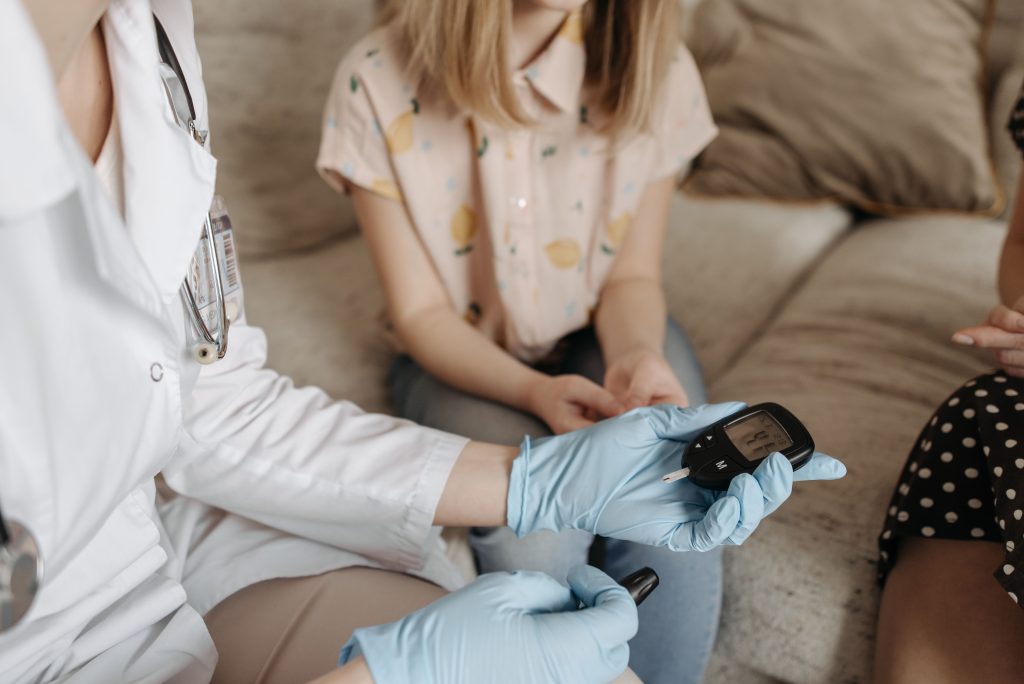
The Vital Role of Nurses in Creating Better Health Outcomes

Nurses shape patient experiences and influence the quality of care at every stage of treatment. Their presence at the bedside gives them a clear understanding of patient needs, concerns, and progress. This close contact allows them to spot subtle changes, support families, and guide individuals through unfamiliar medical situations. 

Strong clinical skills and steady communication help patients feel informed and supported. Their work strengthens recovery, prevents complications, and creates a safer environment. This combination of knowledge, attention, and compassion explains why effective nursing care remains central to better health outcomes.

Expanding Responsibilities in Modern Healthcare

The healthcare system depends on nurses for assessment, coordination, and patient guidance. Many patients interact with a nurse before speaking with any other professional, which positions nurses to set the tone for care. Their responsibilities extend into discharge planning, treatment preparation, symptom monitoring, and continuous communication. 

Technology, changing patient needs, and new healthcare models have widened their scope of practice. Clinical decisions often rely on nurses’ observations because they are present during key moments of care. Their ability to adapt, organize, and respond quickly helps maintain stability during demanding situations. These responsibilities create a foundation that directly supports recovery and wellness.

Pathways That Prepare Nurses for High-Quality Care

Education shapes the confidence and clarity nurses bring to each interaction. Nursing programs strengthen clinical reasoning, communication, and practical skill development. Many students want training that helps them enter the workforce without unnecessary delays. If you’re considering a faster route into professional nursing, accelerated BSN programs can help you gain the required skills. 

These programs build readiness for complex healthcare settings while supporting a strong understanding of patient needs. Graduates step into their roles with a sense of purpose and an ability to deliver safe and thoughtful care.

Patient Advocacy That Strengthens Care Quality

Nurses act as reliable advocates who protect patients’ needs when situations feel overwhelming. Patients often struggle to understand medical language or feel unsure about treatment directions. Clear explanations, steady reassurance, and respectful guidance help reduce fear and confusion. 

Advocacy includes speaking up when a treatment plan requires review, ensuring patient preferences are acknowledged, and keeping families informed at critical moments. Many patients feel more confident when they know someone is paying attention to their concerns. This support reduces miscommunication and improves the quality of care provided across the entire healthcare team.

Care Coordination That Supports Recovery

Recovery improves when care teams communicate effectively, and nurses hold a central position in this process. Coordination includes sharing updates with physicians, preparing patients for tests or procedures, and tracking progress toward treatment goals. A well-organized approach reduces delays, prevents errors, and keeps care plans consistent. 

Families receive clearer guidance because nurses maintain awareness of every step in the patient journey. Smooth coordination also helps during transitions between departments or when patients return home. Patients feel more prepared, and healthcare teams work with greater accuracy. Strong organization leads to more predictable outcomes and fewer complications.

Clinical Expertise That Enhances Safety

Clinical vigilance is a major factor in preventing serious problems during treatment. Skilled nurses recognize early signs of infection, medication reactions, or worsening symptoms. Careful monitoring gives them the ability to respond quickly and alert the broader team before an issue escalates. 

Many complications can be avoided when nurses track vital patterns, evaluate changes, and adjust care plans within their scope. Their technical ability supports safer environments for patients who may feel vulnerable or uncertain. When nurses maintain consistent attention, patients experience fewer setbacks and more steady progress toward recovery.

Health Education That Empowers Patients

Patient understanding plays a major role in successful treatment, and nurses guide individuals through information that often feels overwhelming. Many patients struggle with medical terms, medication schedules, and lifestyle recommendations. Clear explanations help them understand what each step means and why it matters. Nurses tailor instructions to the patient’s age, condition, and daily routine, which makes the information easier to apply. 

Practical teaching supports stronger adherence to treatment plans, and patients feel more confident when making decisions about their health. This level of clarity leads to steadier recovery patterns and fewer avoidable complications. Education becomes a tool that strengthens long-term well-being and builds trust throughout the care process.

Emotional Support That Improves Patient Well-Being

Treatment creates stress and uncertainty for many people, and emotional reassurance can shift the entire experience. Nurses provide calm guidance during difficult moments, which helps patients stay grounded. Conversations that acknowledge fear or confusion create a sense of safety, especially when someone feels unsure about a diagnosis or procedure. 

Encouragement and empathy help reduce tension, which supports physical healing as the body responds better when stress levels stay manageable. Families also rely on nurses for steady updates that bring comfort during long hospital stays. This compassionate presence forms a meaningful bridge between medical care and human connection, making recovery feel more achievable.

Community Impact That Addresses Long-Term Wellness

Communities benefit significantly from nursing involvement beyond clinical settings. Many nurses participate in screenings, outreach programs, and health education events that reach people who rarely visit medical facilities. These efforts identify risks early and connect individuals to resources they may not know about. 

Clear communication during these activities helps people understand how to manage chronic conditions or adopt healthier habits. Public health roles allow nurses to encourage preventive care, which reduces the burden of advanced illness within communities. Their influence extends across neighborhoods, schools, and local organizations, strengthening awareness and improving overall wellness.

Nursing care plays a major role in shaping health outcomes and guiding patients through complex situations. Strong clinical skills, steady communication, advocacy, coordination, and community engagement all contribute to safer and more effective care. Patients rely on nurses for clarity, comfort, and consistent support during some of the most challenging moments of their lives. 

The healthcare system depends on its expertise to maintain order, prevent complications, and encourage recovery. Each interaction reflects a commitment to meaningful, patient-centered care. This dedication continues to improve individual experiences and strengthen the overall quality of healthcare for communities everywhere.

Why Mental Health Education Matters More Than Ever

Have you ever felt like mental health conversations are everywhere now—but still not fully understood? You’re not alone. Mental health affects how we think, feel, and act, yet for many years, it’s been pushed aside or talked about in whispers. Today, more people are finally recognizing how important it is to talk openly and learn about mental health from an early age. With rising stress levels, social pressures, and mental health challenges in all age groups, understanding mental wellness is no longer optional—it’s essential.

In this blog, we will share why mental health education matters more than ever and how it can change lives for the better.

Mental Health Issues Are on the Rise

More people are facing mental health problems than ever before. Children, teens, and adults are all showing higher levels of stress, anxiety, and depression. The COVID-19 pandemic made things even harder. It created a lot of fear, isolation, and uncertainty. Many people struggled to manage their emotions, and some didn’t know where to turn for help. This showed us how unprepared many communities are to support mental well-being.

When we teach mental health early, we give people the tools to cope with stress and emotions. It becomes easier for them to speak up when they’re feeling low or overwhelmed. Education helps people recognize warning signs in themselves and others. It’s not just about knowing mental disorders—it’s about understanding how to take care of our minds every day.

Education Builds Awareness and Reduces Stigma

For many years, people avoided talking about mental health. Some thought it was a sign of weakness or something to be ashamed of. But with the right education, we can change these harmful ideas. Learning about mental health helps people see it as a normal and important part of life. It shows that needing support isn’t something to hide.

Online CACREP counseling programs are playing a big part in shaping the next generation of counselors. These programs offer flexible, high-quality education that teaches students how to support mental well-being in all types of settings. By training more professionals through online learning, mental health care becomes more accessible. Education at every level—from schools to advanced degrees—helps break the silence and replaces shame with understanding.

It Helps Young People Develop Healthy Habits

Mental health education doesn’t just help with serious problems—it also teaches skills that protect mental wellness. Young people face all kinds of challenges, from school stress to peer pressure. Without guidance, they might develop harmful habits like bottling up emotions or ignoring their feelings. When schools include mental health in the curriculum, students learn how to talk about their emotions and build healthy ways to cope.

These lessons often include things like breathing exercises, journaling, or talking to someone when things get tough. With practice, these tools become habits. Students start to see that asking for help is a smart and brave step. The earlier they learn these skills, the more likely they are to use them throughout life. These positive routines help build stronger minds and safer communities.

It Supports Teachers and Parents, Too

Mental health education isn’t just for students. Teachers and parents play a big role in a child’s emotional life. When adults understand mental health, they’re better able to support young people. They can recognize signs that a child may be struggling. They can offer the right words and actions to help instead of making things worse without meaning to.

Workshops, online resources, and school-based programs can give adults the tools they need. They learn how to talk about tough topics, encourage open conversations, and respond with care. It’s easier for them to guide children when they understand what mental health really means. Supporting adults leads to better support for children, and the entire environment becomes healthier and safer.

Mental Health Impacts Academic and Work Performance

When someone is struggling emotionally, it affects everything—school, work, and even relationships. A student with anxiety may find it hard to focus. A worker with depression may miss days or feel disconnected from tasks. Mental health and productivity go hand in hand. If we want people to do their best, we need to support their emotional needs.

Mental health education can help identify what’s holding someone back and offer strategies to manage those issues. It encourages self-care, time management, and emotional check-ins. These habits make it easier to stay on track in school or at work. Education that includes emotional well-being leads to stronger performance, better attendance, and a deeper sense of purpose.

It Prepares People to Handle Life’s Challenges

Life is full of changes and challenges—some planned and others unexpected. Without strong mental health tools, even small setbacks can feel overwhelming. Whether it’s a tough breakup, a lost job, or moving to a new city, everyone goes through stress at some point. Mental health education teaches people how to face those hard times with strength and confidence.

When someone understands their emotions, they don’t get lost in them. They learn how to pause, think things through, and make smart choices. Education gives them a set of tools to stay steady when things get rough. These skills aren’t just useful in crisis—they’re valuable every day. Being emotionally prepared makes life smoother and more balanced.

In conclusion, mental health education is more than a trend—it’s a necessity. In today’s fast-changing world, we need to equip people with the knowledge, tools, and support to handle emotional challenges. Teaching about mental wellness helps individuals feel more in control, and it brings people together in stronger, more understanding communities. Whether it starts in a classroom, a family, or a training program, learning about mental health can change lives.

How Biological Knowledge Can Improve Psychiatric Patient Outcomes

 Biological Knowledge

The connection between biology and behavior is shaping a new era in mental health. The days of treating psychiatric symptoms without a full understanding of the body’s underlying mechanisms are fading. Now, insights from neuroscience, genetics, and endocrinology are transforming how professionals approach mental well-being. Every mood, decision, or thought is influenced by chemical and structural processes within the body, and mapping those relationships gives clinicians more clarity on why conditions develop and how to treat them effectively.

This evolving understanding has practical outcomes. Grounding psychiatric care in biology enables professionals to better predict which interventions will work, monitor changes more precisely, and measure recovery in tangible ways.

Applying Neurobiological Insights

Neurobiology provides a framework for understanding the physical basis of behavior. When clinicians examine how brain structures communicate or how neurons respond to stimuli, they gain a clearer picture of why certain patterns of emotion or thought emerge. This understanding refines every layer of psychiatric care, from diagnosis to medication management to therapy planning. Incorporating data from brain imaging, electrophysiological studies, and neurotransmitter research, treatment moves away from generalizations and becomes targeted, measurable, and adaptive. Such findings prove valuable for almost all professionals in a healthcare setting, whether a psychiatric nurse or a general psychiatrist. 

Both the psychiatrist and the psychiatric nurse practitioner play vital roles in applying these insights. A psychiatrist may focus on the neurochemical pathways behind a disorder and use imaging or medication to modify them, while a nurse practitioner can integrate biological understanding into therapy, monitoring, and long-term support. The discussion around psychiatrist vs PMHNP is not about hierarchy but about perspective, as each role brings different strengths in translating science into patient progress. Together, they form a collaborative model of care that uses biology not as a theory but as a daily tool for better outcomes.

Exploring Neurotransmitter Activity

Neurotransmitters are the language of the brain, carrying signals that shape everything from attention and motivation to anxiety and rest. Studying how these chemicals, serotonin, dopamine, GABA, and others, interact helps clinicians design more effective treatment plans. For example, understanding dopamine dysregulation allows for precision in addressing conditions like schizophrenia or ADHD, while serotonin mapping informs decisions around antidepressant selection.

Advancements in pharmacogenomics have also made it possible to predict how a person’s genetic makeup influences their response to certain medications. This reduces the trial-and-error approach that has long been part of psychiatry. 

Examining the Gut-Brain Connection

The link between gut health and mental well-being has become one of the most compelling developments in biological psychiatry. The microbiome, which is the vast network of bacteria in the digestive system, produces neurotransmitters, regulates inflammation, and communicates directly with the brain through the vagus nerve. When the gut’s balance shifts, mood and cognition often shift too. This relationship has prompted many psychiatric professionals to consider nutrition and digestive health as central elements of emotional stability.

Research now supports the use of probiotics, prebiotics, and diet adjustments to support mental health treatment. A balanced gut environment can influence serotonin production, reduce anxiety, and improve energy regulation. For patients with chronic stress or depression, small biological interventions, like restoring gut balance, can work alongside therapy or medication to enhance overall outcomes. 

Identifying Predictive Biomarkers

Biomarkers give psychiatry something it has long needed: measurable signals that forecast changes in mental health. These markers can include hormones, inflammatory molecules, genetic patterns, or brain activity signatures that point to risk or resilience. When clinicians identify them early, they can act before symptoms return or escalate. 

Tracking biomarkers allows clinicians to tailor interventions precisely. For example, if inflammation markers rise, adjustments can be made before a depressive episode begins. If hormone levels or sleep patterns shift, medication or therapy can adapt accordingly. 

Linking Hormonal Balance and Emotion

Hormones form an invisible network that influences mood, energy, and motivation. Subtle imbalances in cortisol, estrogen, or thyroid hormones can alter how patients think and feel, often mimicking or intensifying psychiatric symptoms. 

Monitoring hormonal activity allows clinicians to support more complete recovery plans. Collaboration between endocrinologists and mental health providers ensures that treatment focuses on both the physical and psychological aspects of imbalance. 

Studying Inflammation in Psychiatry

Inflammation plays a significant role in the way mental health conditions develop and progress. Research continues to show that inflammatory molecules can influence mood regulation, energy levels, and cognition. Chronic low-grade inflammation may alter neurotransmitter function, contributing to conditions such as depression, anxiety, and fatigue. Understanding this link allows clinicians to view psychiatric disorders through a wider biological lens, recognizing that the immune system and the brain are in constant communication.

Modern psychiatric care is beginning to incorporate inflammation monitoring into patient assessments. Anti-inflammatory treatments, dietary adjustments, and exercise routines that lower inflammatory markers are being explored as complementary approaches. This biological awareness helps clinicians shape care that doesn’t rely on medication alone but instead treats the root systems influencing mental well-being. 

Using Biological Feedback

Biological feedback tools bridge science and therapy in real time. Systems like EEG, heart rate variability tracking, and skin conductance monitoring reveal how the body responds to thought and emotion. Such insights allow patients to see their reactions instead of guessing them, turning awareness into skill. With this information, therapy becomes more interactive and personalized, building self-regulation through observation and practice.

Biofeedback also strengthens the relationship between patients and their bodies. When individuals learn to influence physical patterns, slowing their heart rate or reducing tension, they develop confidence in their ability to manage stress. Clinicians use biological cues as training points for attention, focus, and calmness. 

Training Clinicians in Data Interpretation

The integration of biological data into psychiatry demands new forms of training. Clinicians must learn how to interpret genetic, hormonal, and neurological information with accuracy and empathy. This knowledge ensures that biological markers inform decisions rather than overwhelm them. Education that connects biology with behavior helps professionals translate complex findings into practical guidance for patients.

Interdisciplinary learning between psychiatry, neuroscience, and internal medicine supports this effort. When professionals understand both the science and the lived experience of mental health, care becomes unified and more effective. Interpreting biological data accurately ensures that science enhances human understanding instead of distancing it. 

Biological knowledge gives psychiatry the depth it has long needed. It replaces guesswork with measurable understanding and transforms treatment from symptom management to true insight. Each area, like neurobiology, hormones, neurotransmitters, inflammation, and stress, adds clarity to the complex story of how the body and mind influence one another. This approach builds trust between patients and professionals because decisions are grounded in evidence that patients can see and understand. 

Scientist can now Ask AI to Help Decode the Mysteries of Life

Decoding the Mysteries of Life through AI assistance

When scientists ask AI to help solve life’s mysteries, they’re able to predict protein structures, design new medicines, and write new genes.

Biology has always been complicated. A single human cell contains instructions that would fill thousands of books. Now, AI can read those instructions, spot patterns that humans would miss, and suggest improvements that nature hasn’t discovered yet.

These advances are happening faster than most people realize. AI models trained on genetic data from all known species can now autocomplete DNA sequences like ChatGPT completes sentences.They’re helping researchers identify which genetic mutations cause disease, which drug candidates will likely succeed in trials, and which enzymes could break down plastic waste. This has many possible uses, from finding cures for rare diseases to creating sustainable fuels.

Scientist Asked AI to Decode Life’s Blueprint

Scientist Can Now ask AI to Help Decode the Mysteries of Life

When you ask AI about biology, the first thing to understand is that life is essentially written in code.

Your DNA uses just four letters — A, C, G, and T — repeated billions of times in different combinations. These letters explain how proteins are built. Proteins are the molecular machines that do everything from digesting food to fighting infections.

Turns out, AI tools, like Overchat AI, are very good at finding patterns in this genetic code that humans can’t see.

If you give AI enough examples of healthy genes and disease-causing mutations, and ask it to process that information, it will learn to spot the difference between the two. It can show protein structures that work, and it can design new ones that might work better. This kind of work is happening in labs right now.

This is important because it’s much faster and cheaper to make new drugs. Scientists test thousands of compounds, hoping to find one that treats disease without causing harmful side effects. Most of them fail.

AI changes this equation. Now, models can predict which compounds are most likely to work before anyone mixes chemicals in a lab. They study the structure of the proteins that cause disease and suggest molecules that could block them. What used to take years of trial and error can now be done in weeks using computers.

Take antibiotics as an example.

Bacteria can adapt to new medicines more quickly than we can create new ones. AI models can now create new antibiotic designs by learning from existing ones and suggesting variations that bacteria haven’t seen before. Some of these AI-designed antibiotics are already being tested.

AI Can Even Write New Genetic Code

New Genetic Code created through AI

The newest frontier is AI which can actually write DNA.

Evo 2, for example, developed by Stanford and partners, works like autocomplete for genetics. Start typing a gene sequence, and the AI finishes it based on patterns it has learned from trillions of genetic letters across all life on Earth.

This may sound abstract, but it’s easier to understand when you look at the different uses of the technology.

Researchers can use the beginning of a gene that produces insulin to start the AI, and it might improve the insulin to make it more stable or effective. They can design enzymes that break down pollutants or create bacteria that produce medicine.

The AI doesn’t make random guesses. It learned from evolution’s 3.8 billion years of experiments. When it suggests a new gene sequence, it’s making a deduction based on what has worked across millions of species. Then, scientists test these predictions in real labs. They put the AI-designed DNA into living cells to see if it works as expected.

Implications for The Use of AI in Biology

Great power means great responsibility. The same AI that could design better vaccines could theoretically help create biological weapons. That’s why top AI companies are creating many layers of protection.

For example, OpenAI checks all biology-related questions for their models. If someone tries to learn how to make dangerous pathogens, the system blocks the request and may review the account. Models are taught to say no to requests that could be used for bioterrorism, but they still help real researchers.

The people who created Evo 2 chose not to include viral genomes in the data they used to train the game. They didn’t want their tool to accidentally create new virus variants. They also work with government agencies and biosecurity experts to make sure their technology helps science without causing harm. Red teams of experts regularly test these safeguards, trying to trick AI systems into providing dangerous information. When they find problems, developers fix them before releasing the software to the public. It’s a constant competition between technology and safety measures.

Bottom Line

Biology is becoming programmable. Just as software engineers write code to create apps, biologists will increasingly write genetic code to create new organisms with useful properties. AI makes this possible by handling the complexity that would overwhelm human researchers.

We’ll likely see medicines designed using AI reach patients, engineered bacteria clean up oil spills, and modified crops feed more people with less environmental impact. The tools will become easier to use, moving from research labs to hospitals and farms.Biology moves more slowly than software. If something goes wrong with a living organism, you can’t just push an update.

But with the right precautions and continued work by AI developers, biologists, and policymakers, we’re entering a time where we can actively improve the biological world instead of just studying it.

How Can a Symptom Checker Assist in Early Detection of Proptosis? Key Insights for Eye Health

Symptom checkers use artificial intelligence to help people recognize early signs of proptosis by analyzing user descriptions of eye changes. These digital tools offer immediate feedback when users notice bulging eyes or related symptoms, though they cannot replace professional medical diagnosis. For example, exploring proptosis causes with Ubie Health or other similar tools can guide users through targeted questions to help identify possible underlying conditions such as thyroid eye disease or orbital tumors.

How Symptom Checkers Identify Early Signs

Symptom checkers analyze user input about eye-related changes through structured questions and visual assessments. The apps typically ask about eyelid swelling, double vision, and changes in eye appearance. Some advanced systems can process photos to detect visible signs of eye protrusion.

These tools use machine learning algorithms to compare user symptoms with known patterns of proptosis. The technology recognizes key indicators such as:

  • Visible eye bulging or forward displacement
  • Eyelid retraction or inability to close eyes completely
  • Double vision or changes in eye movement
  • Eye pain or pressure sensations
  • Changes in vision quality or clarity

Modern symptom checkers employ natural language processing to understand how users describe their symptoms. This allows people to input concerns in their own words rather than medical terminology.

The artificial intelligence can identify symptom combinations that suggest proptosis development. Early detection becomes possible when users report subtle changes they might otherwise ignore.

Benefits of Early Self-Assessment

Early self-assessment through symptom checkers allows people to recognize concerning eye changes before they become severe. Users can identify potential proptosis symptoms in the comfort of their homes without immediate medical costs.

These tools provide instant feedback about symptom severity and urgency. People receive guidance on whether their symptoms need immediate attention or can wait for routine care. This helps prevent unnecessary emergency room visits while identifying serious cases that need prompt treatment.

Symptom checkers document symptom progression over time through tracking features. Users can record changes in bulging eyes or related symptoms, creating a timeline for healthcare providers. This information helps doctors understand how quickly proptosis developed.

The apps educate users about proptosis symptoms they might not recognize. Many people dismiss early eye changes as minor issues. Symptom checkers raise awareness about warning signs that deserve medical attention.

Self-assessment tools work 24 hours a day, allowing symptom evaluation when medical offices are closed. This immediate access helps people make informed decisions about seeking urgent care for eye health concerns.

Limitations and Considerations

Symptom checkers cannot perform physical examinations needed for accurate proptosis diagnosis. They cannot measure actual eye protrusion or assess internal eye structures. Professional medical evaluation remains necessary for definitive diagnosis.

The technology may miss subtle early signs that trained eye specialists would detect. Complex cases involving multiple symptoms might overwhelm basic symptom checker algorithms. Users with unusual presentations may receive inaccurate assessments.

These tools depend on accurate user input to function properly. People may struggle to describe their symptoms clearly or may minimize concerning changes. Inaccurate descriptions lead to unreliable results.

Key limitations include:

  • Cannot replace professional eye examinations
  • May miss rare or complex proptosis causes
  • Limited ability to assess symptom severity accurately
  • Depends on user’s ability to describe symptoms

False reassurance represents a significant risk when symptom checkers underestimate serious conditions. Users might delay necessary medical care based on incorrect app assessments. This delay could worsen proptosis outcomes if underlying causes remain untreated.

Privacy concerns arise when users share sensitive health information with digital platforms. People should understand how their eye health data gets stored and used by symptom checker companies.

Recognizing Key Symptoms of Proptosis

Proptosis shows specific signs that people can spot early with careful observation. The main symptoms include eyes that stick out more than normal, increased white area around the eye, restricted eye movement, and seeing double images.

Bulging or Protruding Eyes

The most noticeable sign of proptosis is when one or both eyes appear pushed forward from their normal position in the eye socket. This creates a distinct bulging appearance that makes the eyes look larger or more open than usual.

Bulging eyes may develop slowly over weeks or months. Some people notice the change when looking in mirrors or photos. Family members often spot the difference before the person does.

The bulging can affect one eye or both eyes at the same time. When eyes protrude forward, closing the eyelids completely becomes harder. This leads to dryness and irritation.

People may feel pressure or discomfort around their eyes as the bulging develops. The protruding eyes can make a person look surprised or startled all the time.

Increased Visibility of the Sclera

Normal eyes show only small amounts of the white part called the sclera around the colored iris. When proptosis occurs, much more of this white area becomes visible above or below the iris.

This increased sclera visibility makes the eyes appear wider or more open. The change is often most noticeable above the iris, where extra white space shows between the upper eyelid and the colored part of the eye.

Friends and family may comment that the person’s eyes look different. Photos often reveal this change more clearly than looking in a mirror.

The increased white area around the eyes is an early warning sign. When combined with other symptoms, it suggests the need for medical evaluation.

Changes in Eye Movement

Proptosis affects how smoothly the eyes move in different directions. People may notice their eyes feel stiff or restricted when looking left, right, up, or down.

The extra pressure behind bulging eyes limits how well the eye muscles work. This makes normal eye movements feel awkward or uncomfortable.

Common movement problems include:

  • Difficulty looking upward
  • Stiffness when moving eyes side to side
  • Pain or discomfort during eye movement
  • Trouble keeping both eyes pointed at the same object

These movement changes happen because swollen tissues crowd the space behind the eyes. The muscles that control eye movement cannot work normally in these tight conditions.

Double Vision and Diplopia

Diplopia means seeing two images of a single object instead of one clear image. This happens when the eyes cannot align properly due to muscle problems or pressure changes.

Double vision may appear as images side by side or one above the other. Some people see the double images all the time, while others notice them only when looking in certain directions.

The problem may start suddenly or develop gradually over time. Early stages might show brief episodes of double vision that come and go.

Diplopia often occurs before other obvious signs of proptosis appear. This makes it an important early warning sign that should not be ignored.

People with double vision may close one eye to see clearly or tilt their head to reduce the problem. These actions help temporarily but do not fix the underlying cause.

Common Causes and Associated Conditions

Proptosis develops from several distinct medical conditions, with thyroid disorders being the most frequent cause. Other conditions like infections, tumors, and injuries can also lead to bulging eyes, each requiring different treatment approaches.

Thyroid Eye Disease and Graves’ Disease

Thyroid eye disease (TED) accounts for the majority of proptosis cases in adults. This autoimmune condition occurs when the body’s immune system attacks tissues around the eyes and thyroid gland.

Graves’ disease causes about 90% of thyroid-related eye problems. People with this condition produce too much thyroid hormone, which leads to hyperthyroidism. About 1 in 4 people with Graves’ disease will develop eye symptoms.

The connection between thyroid problems and bulging eyes happens because inflammation affects the muscles and tissues behind the eyes. This swelling pushes the eyeballs forward from their normal position.

Key symptoms of thyroid eye disease include:

  • Bulging of one or both eyes
  • Eyelid retraction (pulled-back eyelids)
  • Dry eyes from incomplete eyelid closure
  • Double vision
  • Eye pain and pressure

About 90% of people with TED experience eyelid retraction along with proptosis. This combination can cause serious complications if left untreated, including permanent vision loss from optic nerve compression.

Other Causes of Exophthalmos

Several non-thyroid conditions can cause exophthalmos. These causes often affect only one eye, unlike thyroid disease which typically affects both eyes.

Cancer represents a serious cause of proptosis. Primary eye cancers like melanoma or carcinoma can start around the eye area. Cancer that spreads from other body parts can also cause bulging eyes. Breast cancer is the most common type that spreads to the eye area.

Physical injuries can lead to proptosis through different mechanisms. Trauma to the eye socket can cause blood to collect behind the eye (retrobulbar hematoma). Skull fractures near the eye can allow air to enter the eye socket, pushing the eye forward.

Infections like orbital cellulitis cause severe inflammation around the eye. These infections often start in the sinuses or mouth and spread to the eye area. Without quick treatment, these infections can become life-threatening.

Blood vessel disorders from autoimmune diseases can also cause eye bulging. These conditions affect the normal blood flow around the eyes.

Distinguishing Proptosis from Similar Conditions

Medical professionals must separate proptosis from other eye conditions that might look similar. Buphthalmos affects newborns and young children, causing enlarged eyes rather than protruding ones. This condition usually results from congenital glaucoma.

Conjunctivitis causes red, swollen eyes but does not make the eyeball protrude from the socket. The inflammation stays on the eye’s surface rather than affecting deeper tissues.

Glaucoma in adults typically does not cause eye bulging. However, severe cases in infants can lead to enlarged eyes that might be confused with proptosis.

Doctors measure eye protrusion to confirm proptosis. A protrusion of more than 2 millimeters beyond normal position indicates true proptosis. They also check for other signs like eyelid retraction, eye movement problems, and vision changes.

Bilateral proptosis (both eyes affected) usually points to thyroid disease. Unilateral proptosis (one eye affected) more often suggests tumors, infections, or injuries as the cause.

Conclusion

Symptom checkers serve as valuable first-line tools for identifying potential proptosis symptoms. These digital platforms help users recognize bulging eyes and related warning signs that might otherwise go unnoticed.

Early detection through symptom checkers can lead to faster medical intervention. This timing matters because some causes of proptosis progress rapidly and may result in permanent vision loss if left untreated.

The technology works best when users answer questions honestly about their symptoms. Common indicators include:

  • Eye protrusion
  • Double vision
  • Eye pain or pressure
  • Difficulty moving eyes

However, symptom checkers cannot replace professional medical evaluation. They should guide users toward seeking appropriate eye care rather than providing definitive diagnoses.

The combination of accessible symptom checking tools and prompt medical follow-up creates the best pathway for managing proptosis. Users who notice potential symptoms through these platforms can take action before complications develop.