
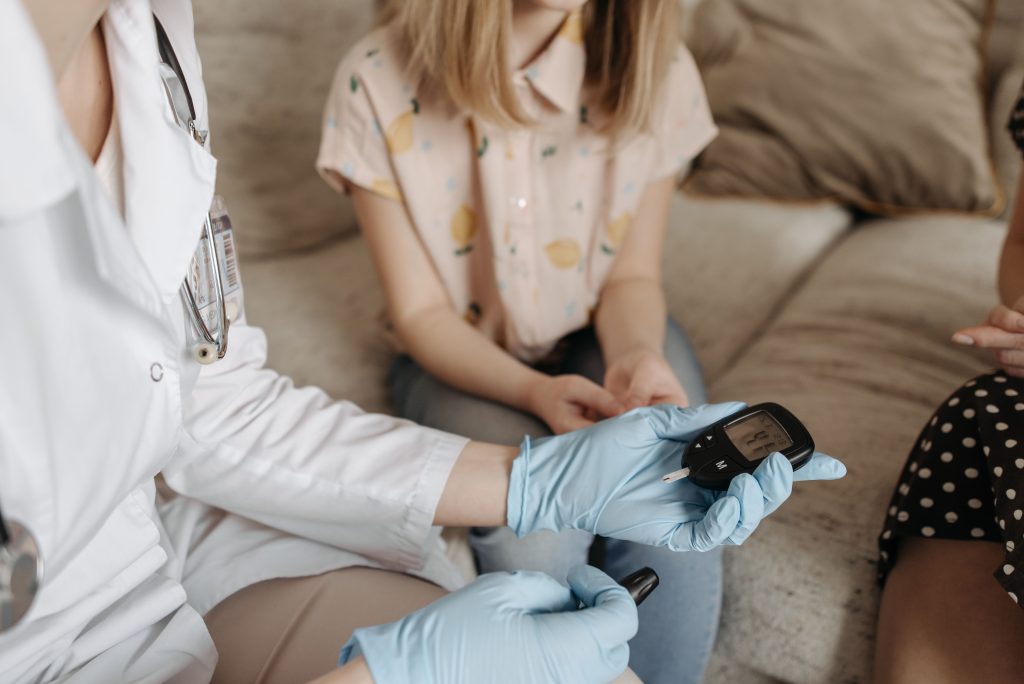
Have you ever left a medical appointment feeling like the doctor solved the problem, but never really understood you? Healthcare has never had more advanced technology, specialized training, or access to data. Yet patients often say they want something surprisingly simple: to feel heard. While technical expertise remains essential, modern healthcare increasingly depends on skills that cannot be measured by test scores alone.
The Limits of Clinical Knowledge
Healthcare professionals spend years mastering anatomy, diagnostics, medications, and procedures. Those skills save lives every day and form the foundation of quality care. However, technical excellence alone does not guarantee positive patient experiences or better health outcomes.
A patient may receive the correct diagnosis yet leave confused about treatment instructions. Another may avoid follow-up care because they felt dismissed during a conversation. In both situations, the medical knowledge was present, but communication failed. As healthcare systems become more complex, the ability to connect with people becomes just as important as the ability to interpret medical data.
Understanding the Human Side of Medicine
The healthcare industry is increasingly recognizing that caring for people involves understanding emotions, cultures, beliefs, and personal experiences. This shift reflects a growing appreciation for educational backgrounds that emphasize communication, ethics, and critical thinking. For example, graduates who complete a humanities bachelors degree online often develop skills that help them interpret human behavior, navigate difficult conversations, and understand diverse perspectives.
These abilities matter in hospitals, clinics, insurance organizations, and public health agencies. Patients rarely arrive as simple medical cases. They bring fears, financial concerns, family pressures, and cultural expectations that influence their decisions. Professionals who can understand these factors often build stronger trust and achieve better results.
Communication Shapes Outcomes
One of the most overlooked healthcare tools is clear communication. Research consistently shows that patients who understand their treatment plans are more likely to follow medical advice and attend follow-up appointments.
Consider how confusing healthcare language can be. Terms that seem routine to professionals may sound intimidating to patients. A doctor explaining a procedure in plain language can reduce anxiety and improve cooperation. During the COVID-19 pandemic, public health officials learned a valuable lesson: accurate information means little if people cannot understand or trust the message. Technical expertise provided the science, but communication determined whether people acted on it.
Empathy Is Not a Soft Skill
The phrase “soft skills” often makes empathy sound optional, as though it belongs somewhere below technical competencies. In reality, empathy influences patient satisfaction, treatment adherence, and even workplace culture.
A nurse who notices a patient’s anxiety before surgery can address concerns that might otherwise create unnecessary stress. A physician who listens carefully may uncover details that lead to a more accurate diagnosis. These interactions are not simply pleasant extras. They contribute directly to the effectiveness of care. Ironically, in an era obsessed with efficiency, taking a few extra minutes to listen often saves time later by preventing misunderstandings.
Trust Has Become a Public Health Issue
Trust has emerged as one of the defining challenges of modern healthcare. From vaccine debates to misinformation spreading across social media platforms, public confidence can significantly affect health outcomes.
Building trust requires more than presenting scientific evidence. Healthcare professionals must explain information clearly, acknowledge concerns respectfully, and demonstrate credibility through consistent actions. Patients are more likely to accept guidance when they believe their provider genuinely understands their perspective. In many cases, trust becomes the bridge between medical knowledge and meaningful action.
Teamwork Drives Better Care
Healthcare is rarely delivered by a single individual. Physicians, nurses, pharmacists, therapists, administrators, and support staff all contribute to patient outcomes. Strong teamwork requires communication, emotional intelligence, and mutual respect.
Modern hospitals function much like complex organizations where collaboration determines success. A breakdown in communication between departments can delay treatment or create unnecessary risks. Professionals who understand group dynamics often help teams work more effectively. As healthcare systems face staffing shortages and growing patient demands, collaborative skills become increasingly valuable for maintaining quality care.
Patients Expect More Than Treatment
Consumer expectations have transformed nearly every industry, and healthcare is no exception. Patients now compare healthcare experiences to the customer service they receive from banks, retailers, and technology companies.
People want transparency, responsiveness, and personalized attention. They expect providers to explain options clearly and involve them in decisions. This trend reflects a broader cultural shift toward patient-centered care. Healthcare organizations that focus only on technical excellence may struggle to meet these evolving expectations. Those who combine expertise with strong interpersonal skills are better positioned to earn loyalty and improve outcomes.
Healthcare will always depend on highly trained professionals with deep technical knowledge. No amount of empathy can replace the ability to diagnose illness, perform surgery, or develop effective treatments. Yet modern healthcare challenges reveal that expertise alone is not enough. Patients need providers who communicate clearly, understand human experiences, build trust, and navigate complex social realities. As technology advances and healthcare systems evolve, the most effective professionals will not be those who know the most facts. They will be the ones who combine knowledge with humanity, turning medical expertise into care that genuinely improves lives.