Teaching Science: Tips for Gifted Learners

A Science Education Curriculum That Supports High Quality Learning

Strategies and techniques are presented along with examples of how to apply each strategy in teaching gifted and talented learners in science at all grade levels.

Teaching science through a balance of content and process considerations is essential for gifted learners. This emphasis must include original student investigations, concept development, and interdisciplinary applications. This emphasis on gifted and talented learning must include laboratory-based science as a central tenet for providing high-quality learning opportunities in science education at all levels.

Collaborative teaching science opportunities work well with gifted and talented learners, and structured collaborative opportunities are needed for these learners. Teaching strategies must challenge gifted learners through problem-based learning activities that create critical thinking situations. Professionals from https://essaywriter.com/, a free AI essay writer, state that science education curriculum elements essential for high-ability learners include the following tips.

Teaching Strategies

Students learn deeper than just fundamental ideas by structuring the science curriculum to emphasize science learning designed for gifted and talented learners. Concepts such as systems, change, and scale all provide an important scaffolding of learning regarding core ideas of science.

One teaching science example involves gifted learners working on a project in the classroom.

Ask them how fast they are traveling. Suppose they are sitting on the North Pole. Now, how fast are they traveling? Answers to both questions require understanding the concepts of the Earth’s rotational speed and orbital speed. Suppose students have special suits that allow them to stand in the sun. How fast are they traveling now? Learners need to understand the rotational speed of the Milky Way.

Accommodations and Learning Styles

Teaching techniques include graphic organizers, scaffolding, extra practice, extra time, large-print, and electronic materials. Examples include:

Direct and Explicit Instruction: Ensure that students are given clear directions for tasks and explanations of what they are expected to learn from a science activity.

One example is reading the procedural steps of a science investigation, discussing expected observations, and describing how the data collected will be recorded on the laboratory report.

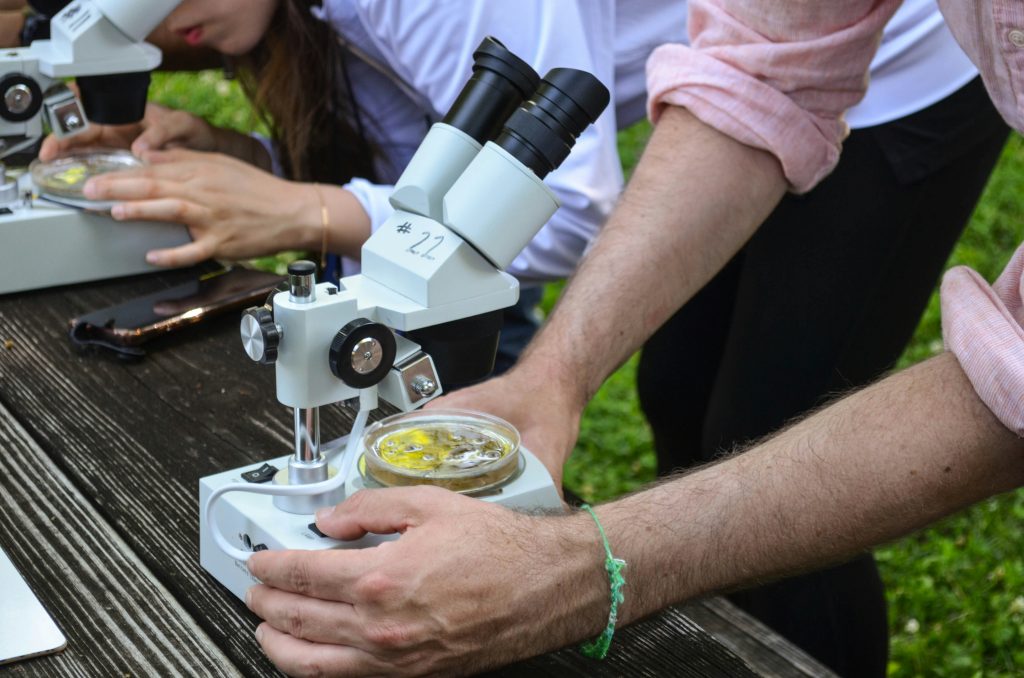
Hands-On Activities: Use science laboratory equipment and materials for experiments.

One example is when students follow a teacherโ€™s directions to investigate the states of matter using various materials. Students read with their teacher about supporting resources regarding the properties of matter and perform a hands-on activity related to the states of matter.

Science Vocabulary: Use a variety of strategies and techniques for modeling vocabulary.

One example is teaching students how to create flashcards or develop concept maps to learn science vocabulary definitions.

Classroom Learning Center: The center includes reading materials, hands-on materials, and technology resources to allow students to review information about science concepts. If appropriate assistive technologies are available, they must be in the learning center to support science learning.

One example is providing access to an online interactive science activity focusing on the composition of the Earthโ€™s atmosphere.

Science and Society

Gifted and talented learners must learn to connect science concepts to their world. They must analyze the relationship between real-world problems and implications for understanding connections between science and society. Experiments, surveys, role-playing, case studies, and debates are some of the processes gifted learners can use to address issues.

One teaching science example focuses on gifted learners studying the impact of food technology and its long-term impact on humans.

Students need to make connections between diseases caused by technological advances in growing food, the impact of food shortages worldwide, the impact of genetic alteration of foods, and the impact of fertilizers on the environment.

Problem-Based Learning

The more gifted and talented learners construct an understanding of science, the better they can solve problems by applying scientific processes in problem-based learning activities. Teacher-guided questions, collaborative dialogue and discussions, and individual exploration allow students to develop scientists’ habits of mind, which include skepticism, objectivity, and curiosity.

One teaching science example focuses on air quality from a local, national, and international perspective.

Gifted learners focus on real-world solutions for controlling carbon monoxide, carbon dioxide, and all the other pollutants that cause air pollution.

Science and Technology

Using technology to teach science offers exciting possibilities for connecting students to real-world opportunities. Internet access provides students with connections to real-time databases for teaching using online science projects. Also, the use of e-mail, Twitter, and Skype provides learners with the tools to communicate directly with scientists and other students around the world.

One example of a teaching strategy using technology is using a virtual chemistry lab to conduct experiments with resources that are not typically available in a gifted and talented classroom.

Science Projects

Science projects must focus on experimental design and its related processes. Typically, texts only offer canned experiments where students follow the steps to a preordained conclusion. Designing their work in science requires gifted and talented learners to read and discuss a particular topic of interest, then they must:

  • Come up with a problem to test
  • Design an experiment to test the problem
  • follow through with appropriate procedures
  • conduct further discussion
  • Reanalyze the problem
  • communicate findings to a relevant audience

One example is based on designing an experiment to test how a plantโ€™s growth is impacted when subjected to only red, orange, yellow, green, or blue light.

Learning Assessment: Focusing on Student Achievement against Benchmarks

Using learning assessments, both formative and informal, to measure studentsโ€™ understanding of science concepts provides useful information for providing direction for assisting students. Examples include:

Rubrics: Provide students with grading criteria that describe the levels of quality for each criterion, normally using a point scale.

One example describes the quality levels required to complete a mousetrap car science project. The rubric provides descriptors of excellent, adequate, partial, or poor for each grading component of the project.

Frequent Assessments: Do not rely on unit tests or exams as the only means of assessment.

One example is using a quiz to assess learning about the parts of a plant instead of including the quiz elements within a unit test on plants.

Variety of Assessments: Use a variety of assessments such as quizzes, homework, notebook grades, class participation, projects, graphic organizers, group work, written assignments, and presentations. Some of this variety capitalizes on learning studentsโ€™ strengths or preferences.

One example is allowing students to select from a graphic organizer, a PowerPoint presentation, or a written paper to explain why the Earth has seasons.

Student Access to Grades: Regularly providing each student with online or offline access to updated grade reports.

One example is using a science class, which provides a list of categories in which students are assessed during a grading period and the current grade for each category. Students are provided with a password to access their grades only.

Provide Personalized Feedback: Conduct periodic one-on-one meetings or give personal feedback on class work with students. This feedback focuses on their progress in learning science concepts and achieving course or assignment objectives.

One example is writing specific comments on a science project rubric, providing additional feedback on success or how to achieve expectations.

Making Connections with Gifted and Talented Learners and Science Education

An appropriate science education curriculum that promotes high-quality learning is desirable for gifted and talented learners and all other learners. Access to such learning is mandatory for all learners demonstrating a strong desire for a challenging science curriculum in schools.

Gifted and talented learners must be challenged using teaching strategies that cause these students to use critical thinking skills, focus on resolving science problems that impact society, and use technology as a focal point to resolve science issues that require inquiry into science systems, change, and scale.

Paper Chromatography Lab: Separating the Components of Black Ink

Introduction to Chromatography in the Science Classroom

Chromatographyย is a fundamental technique used in chemistry and biology to separate mixtures into their individual components. In this experiment, we explore howย paper chromatographyย can be used to analyze and isolate the different pigments found in black ink.

The process relies on the movement of a solvent (in this case, water) through a medium (filter paper). As the solvent travels up the paper, it carries along the dissolved components of the mixture. Each substance moves at a different rate based on its molecular characteristicsโ€”such as size, solubility, and affinity for the paper. This separation allows for a visual and measurable representation of what the mixture is composed of.

Chromatography is widely used in scientific research for chemical analysis, substance purification, and compound identification. It also plays a role in detecting changes in chemical properties due to biological or chemical reactions. For students and educators, it’s a hands-on way to visualize how mixtures behave at the molecular level.


Hypothesis

Paper chromatography can be used to separate the individual pigments that make up black ink.


Materials

  • Filter paper strip
  • Test tube
  • Rubber stopper
  • Straightened paper clip (with hook)
  • Black felt-tip marker
  • Pencil
  • Metric ruler
  • Tap water (used as solvent)
  • Eraser
  • Computer (for data analysis or reporting)

Procedure: How to Perform Paper Chromatography

  1. Prepare the apparatus: Straighten a paper clip and add a hook at one end. Insert the other end into the center of the rubber stopper.
  2. Attach the filter paper: Hang a strip of filter paper from the hook. Ensure it hangs freely and doesnโ€™t touch the sides of the test tube.
  3. Draw baseline: Remove the strip and draw a 5-mm-wide black band approximately 25 mm from the bottom using the black felt-tip pen.
  4. Mark solvent limit: Draw a pencil line 10 cm above the ink band. This will be the upper limit for the solvent’s movement.
  5. Add the solvent: Pour 2 mL of water into the test tube. Reinsert the filter paper so the bottom touches the water, but the black band remains above it.
  6. Observe separation: As the solvent moves up the paper, watch the ink pigments begin to separate.
  7. Remove and measure: When the solvent reaches the pencil line, remove the strip. Let it dry and measure how far each color moved.
  8. Record your data: Use a ruler to measure the distance traveled by each pigment and the solvent. Calculate theย Rf valueย (retention factor) for each pigment using the formula:Rf = Distance traveled by pigment / Distance traveled by solvent

Results: Pigment Separation Data

ColorDistance Traveled (mm)Solvent Distance (mm)Rf Value
Yellow70 mm111 mm0.63
Pink82 mm111 mm0.74
Red101 mm111 mm0.91
Purple110 mm111 mm0.99
Blue111 mm111 mm1.00

Analysis & Discussion

  1. How many pigments were separated from the black ink?
    Five: yellow, pink, red, purple, and blue.
  2. What solvent was used?
    Tap water.
  3. What was the first visible color during the separation?
    Orange or yellow appeared first, indicating it traveled the fastest.
  4. In what order did the pigments separate (top to bottom)?
    Blue, purple, red, pink, and yellow.
  5. How far did the solvent travel?
    111 mm.
  6. What does this tell us about black ink?
    Black ink is not a pure substanceโ€”itโ€™s a mixture of various colored pigments.
  7. Why did the pigments separate?
    Differences in molecular size, solubility, and paper affinity cause each pigment to move at a unique rate.
  8. Why did some pigments travel farther than others?
    Less absorbent pigments that are more soluble in the solvent moved farther up the paper.

Error Analysis

Some possible sources of error in this paper chromatography experiment include:

  • Measurement inaccuracies: Small errors in reading distances can affect Rf values.
  • Solvent volume inconsistencies: Too little or too much solvent may alter the pigment spread.
  • Filter paper length: A longer strip might have shown additional colors or more precise separations.

Conclusion

The results supported the hypothesis: paper chromatography successfully separated black ink into multiple pigments. The experiment demonstrated how different molecular characteristicsโ€”such as solubility and affinity to the filter paperโ€”affect the movement of each component in a mixture. This hands-on experiment reinforces the idea that seemingly simple substances can contain complex chemical compositions.

Chromatography remains an essential tool in both educational and professional laboratory settings. From forensic science to biochemistry, the ability to separate and analyze chemical mixtures is foundational to understanding the materials around us.

Why Fake Frogs in Biology Class Are the Future of Science Education


Fake Frog Dissection
Fake Frogs for Dissection “gross factor”

For decades, frog dissection has been a rite of passage in biology classrooms. But with advances in technology, changing educational standards, and a growing focus on ethical science practices, fake frogs in biology class are becoming a smarter, cleaner, and more compassionate alternative.

At Biology Junction, we’re committed to helping students, teachers, and schools explore modern tools in science education โ€” and that includes highlighting the many benefits of frog dissection alternatives.


What Are Fake Frogs in Biology Class?

Fake frogs are realistic dissection models or virtual simulations used in place of actual preserved frogs. These tools mimic the anatomical structure of real frogs and offer a hands-on learning experience โ€” without the ethical concerns or mess.

They come in several forms:

  • ๐Ÿธย 3D anatomical models
  • ๐Ÿ’ปย Virtual dissection software
  • ๐Ÿ“ฑย Apps and interactive platforms

These tools are designed to provide highly accurate, engaging, and reusable alternatives to traditional dissection.


Why Schools Are Making the Switch

  1. Ethical Education
    With increasing awareness around animal welfare, many schools are moving towardย ethical biology learning. Using fake frogs eliminates the need to harvest real animals and teaches students respect for life.
  2. Cost-Effective & Reusable
    Traditional dissection can be costly year after year.ย Frog dissection alternativesย โ€” likeย synthetic frogsย or virtual tools โ€” areย reusable and budget-friendlyย in the long term.
  3. Clean, Safe, and Inclusive
    No chemicals. No odor. No cleanup.ย Fake frogsย make the dissection experience safer and more accessible โ€” especially for students with ethical concerns, allergies, or sensitivities.
  4. Aligned with Digital Learning Trends
    Schools are adopting more digital tools post-pandemic.ย Virtual frog dissectionsย fit perfectly into hybrid or remote learning environments.

Do Fake Frogs Still Teach Students Effectively?

Absolutely. In fact, studies show that students using virtual dissection platforms often perform as well or better than those using traditional methods. Why?

โœ… They can repeat the dissection multiple times
โœ… They receive instant feedback and guidance
โœ… They learn in a stress-free environment

At Biology Junction, we believe learning should be informative, inclusive, and inspiring โ€” and fake frogs help us get there.


Trusted Tools & Resources for Educators

If you’re a teacher looking to introduce frog dissection alternatives into your curriculum, we recommend checking out:

  • Froggipediaย โ€“ Award-winning AR app for virtual dissection
  • SynFrogย โ€“ Hyper-realistic synthetic frog models
  • BioDigital Humanย โ€“ Virtual anatomy and biology exploration tool

We’re also working on new lesson plans, guides, and toolkits right here at Biology Junction to help educators integrate fake frogs in biology class effectively and confidently.


Final Thoughts: Building the Future of Biology Together

At Biology Junction, weโ€™re more than just a resource hub โ€” weโ€™re a community of science educators and learners who believe in evolving with the times.

Embracingย fake frogs in biology classย isnโ€™t just about keeping up โ€” itโ€™s aboutย leading the way in ethical, modern, and effective science education.

Follow us for updates, classroom tools, and trusted tips to bring your biology curriculum into the future โ€” frog-friendly and forward-thinking.

How Can a Symptom Checker Assist in Early Detection of Proptosis? Key Insights for Eye Health

Symptom checkers use artificial intelligence to help people recognize early signs of proptosis by analyzing user descriptions of eye changes. These digital tools offer immediate feedback when users notice bulging eyes or related symptoms, though they cannot replace professional medical diagnosis. For example, exploring proptosis causes with Ubie Health or other similar tools can guide users through targeted questions to help identify possible underlying conditions such as thyroid eye disease or orbital tumors.

How Symptom Checkers Identify Early Signs

Symptom checkers analyze user input about eye-related changes through structured questions and visual assessments. The apps typically ask about eyelid swelling, double vision, and changes in eye appearance. Some advanced systems can process photos to detect visible signs of eye protrusion.

These tools use machine learning algorithms to compare user symptoms with known patterns of proptosis. The technology recognizes key indicators such as:

  • Visible eye bulging or forward displacement
  • Eyelid retraction or inability to close eyes completely
  • Double vision or changes in eye movement
  • Eye pain or pressure sensations
  • Changes in vision quality or clarity

Modern symptom checkers employ natural language processing to understand how users describe their symptoms. This allows people to input concerns in their own words rather than medical terminology.

The artificial intelligence can identify symptom combinations that suggest proptosis development. Early detection becomes possible when users report subtle changes they might otherwise ignore.

Benefits of Early Self-Assessment

Early self-assessment through symptom checkers allows people to recognize concerning eye changes before they become severe. Users can identify potential proptosis symptoms in the comfort of their homes without immediate medical costs.

These tools provide instant feedback about symptom severity and urgency. People receive guidance on whether their symptoms need immediate attention or can wait for routine care. This helps prevent unnecessary emergency room visits while identifying serious cases that need prompt treatment.

Symptom checkers document symptom progression over time through tracking features. Users can record changes in bulging eyes or related symptoms, creating a timeline for healthcare providers. This information helps doctors understand how quickly proptosis developed.

The apps educate users about proptosis symptoms they might not recognize. Many people dismiss early eye changes as minor issues. Symptom checkers raise awareness about warning signs that deserve medical attention.

Self-assessment tools work 24 hours a day, allowing symptom evaluation when medical offices are closed. This immediate access helps people make informed decisions about seeking urgent care for eye health concerns.

Limitations and Considerations

Symptom checkers cannot perform physical examinations needed for accurate proptosis diagnosis. They cannot measure actual eye protrusion or assess internal eye structures. Professional medical evaluation remains necessary for definitive diagnosis.

The technology may miss subtle early signs that trained eye specialists would detect. Complex cases involving multiple symptoms might overwhelm basic symptom checker algorithms. Users with unusual presentations may receive inaccurate assessments.

These tools depend on accurate user input to function properly. People may struggle to describe their symptoms clearly or may minimize concerning changes. Inaccurate descriptions lead to unreliable results.

Key limitations include:

  • Cannot replace professional eye examinations
  • May miss rare or complex proptosis causes
  • Limited ability to assess symptom severity accurately
  • Depends on user’s ability to describe symptoms

False reassurance represents a significant risk when symptom checkers underestimate serious conditions. Users might delay necessary medical care based on incorrect app assessments. This delay could worsen proptosis outcomes if underlying causes remain untreated.

Privacy concerns arise when users share sensitive health information with digital platforms. People should understand how their eye health data gets stored and used by symptom checker companies.

Recognizing Key Symptoms of Proptosis

Proptosis shows specific signs that people can spot early with careful observation. The main symptoms include eyes that stick out more than normal, increased white area around the eye, restricted eye movement, and seeing double images.

Bulging or Protruding Eyes

The most noticeable sign of proptosis is when one or both eyes appear pushed forward from their normal position in the eye socket. This creates a distinct bulging appearance that makes the eyes look larger or more open than usual.

Bulging eyes may develop slowly over weeks or months. Some people notice the change when looking in mirrors or photos. Family members often spot the difference before the person does.

The bulging can affect one eye or both eyes at the same time. When eyes protrude forward, closing the eyelids completely becomes harder. This leads to dryness and irritation.

People may feel pressure or discomfort around their eyes as the bulging develops. The protruding eyes can make a person look surprised or startled all the time.

Increased Visibility of the Sclera

Normal eyes show only small amounts of the white part called the sclera around the colored iris. When proptosis occurs, much more of this white area becomes visible above or below the iris.

This increased sclera visibility makes the eyes appear wider or more open. The change is often most noticeable above the iris, where extra white space shows between the upper eyelid and the colored part of the eye.

Friends and family may comment that the person’s eyes look different. Photos often reveal this change more clearly than looking in a mirror.

The increased white area around the eyes is an early warning sign. When combined with other symptoms, it suggests the need for medical evaluation.

Changes in Eye Movement

Proptosis affects how smoothly the eyes move in different directions. People may notice their eyes feel stiff or restricted when looking left, right, up, or down.

The extra pressure behind bulging eyes limits how well the eye muscles work. This makes normal eye movements feel awkward or uncomfortable.

Common movement problems include:

  • Difficulty looking upward
  • Stiffness when moving eyes side to side
  • Pain or discomfort during eye movement
  • Trouble keeping both eyes pointed at the same object

These movement changes happen because swollen tissues crowd the space behind the eyes. The muscles that control eye movement cannot work normally in these tight conditions.

Double Vision and Diplopia

Diplopia means seeing two images of a single object instead of one clear image. This happens when the eyes cannot align properly due to muscle problems or pressure changes.

Double vision may appear as images side by side or one above the other. Some people see the double images all the time, while others notice them only when looking in certain directions.

The problem may start suddenly or develop gradually over time. Early stages might show brief episodes of double vision that come and go.

Diplopia often occurs before other obvious signs of proptosis appear. This makes it an important early warning sign that should not be ignored.

People with double vision may close one eye to see clearly or tilt their head to reduce the problem. These actions help temporarily but do not fix the underlying cause.

Common Causes and Associated Conditions

Proptosis develops from several distinct medical conditions, with thyroid disorders being the most frequent cause. Other conditions like infections, tumors, and injuries can also lead to bulging eyes, each requiring different treatment approaches.

Thyroid Eye Disease and Graves’ Disease

Thyroid eye disease (TED) accounts for the majority of proptosis cases in adults. This autoimmune condition occurs when the body’s immune system attacks tissues around the eyes and thyroid gland.

Graves’ disease causes about 90% of thyroid-related eye problems. People with this condition produce too much thyroid hormone, which leads to hyperthyroidism. About 1 in 4 people with Graves’ disease will develop eye symptoms.

The connection between thyroid problems and bulging eyes happens because inflammation affects the muscles and tissues behind the eyes. This swelling pushes the eyeballs forward from their normal position.

Key symptoms of thyroid eye disease include:

  • Bulging of one or both eyes
  • Eyelid retraction (pulled-back eyelids)
  • Dry eyes from incomplete eyelid closure
  • Double vision
  • Eye pain and pressure

About 90% of people with TED experience eyelid retraction along with proptosis. This combination can cause serious complications if left untreated, including permanent vision loss from optic nerve compression.

Other Causes of Exophthalmos

Several non-thyroid conditions can cause exophthalmos. These causes often affect only one eye, unlike thyroid disease which typically affects both eyes.

Cancer represents a serious cause of proptosis. Primary eye cancers like melanoma or carcinoma can start around the eye area. Cancer that spreads from other body parts can also cause bulging eyes. Breast cancer is the most common type that spreads to the eye area.

Physical injuries can lead to proptosis through different mechanisms. Trauma to the eye socket can cause blood to collect behind the eye (retrobulbar hematoma). Skull fractures near the eye can allow air to enter the eye socket, pushing the eye forward.

Infections like orbital cellulitis cause severe inflammation around the eye. These infections often start in the sinuses or mouth and spread to the eye area. Without quick treatment, these infections can become life-threatening.

Blood vessel disorders from autoimmune diseases can also cause eye bulging. These conditions affect the normal blood flow around the eyes.

Distinguishing Proptosis from Similar Conditions

Medical professionals must separate proptosis from other eye conditions that might look similar. Buphthalmos affects newborns and young children, causing enlarged eyes rather than protruding ones. This condition usually results from congenital glaucoma.

Conjunctivitis causes red, swollen eyes but does not make the eyeball protrude from the socket. The inflammation stays on the eye’s surface rather than affecting deeper tissues.

Glaucoma in adults typically does not cause eye bulging. However, severe cases in infants can lead to enlarged eyes that might be confused with proptosis.

Doctors measure eye protrusion to confirm proptosis. A protrusion of more than 2 millimeters beyond normal position indicates true proptosis. They also check for other signs like eyelid retraction, eye movement problems, and vision changes.

Bilateral proptosis (both eyes affected) usually points to thyroid disease. Unilateral proptosis (one eye affected) more often suggests tumors, infections, or injuries as the cause.

Conclusion

Symptom checkers serve as valuable first-line tools for identifying potential proptosis symptoms. These digital platforms help users recognize bulging eyes and related warning signs that might otherwise go unnoticed.

Early detection through symptom checkers can lead to faster medical intervention. This timing matters because some causes of proptosis progress rapidly and may result in permanent vision loss if left untreated.

The technology works best when users answer questions honestly about their symptoms. Common indicators include:

  • Eye protrusion
  • Double vision
  • Eye pain or pressure
  • Difficulty moving eyes

However, symptom checkers cannot replace professional medical evaluation. They should guide users toward seeking appropriate eye care rather than providing definitive diagnoses.

The combination of accessible symptom checking tools and prompt medical follow-up creates the best pathway for managing proptosis. Users who notice potential symptoms through these platforms can take action before complications develop.

Empowering Non-Traditional Students in the Healthcare Education Space

In the evolving landscape of modern education, traditional boundaries are being steadily dismantled. Nowhere is this more evident than in the healthcare education space, where the emergence of non-traditional students is not only reshaping classrooms but also redefining future healthcare leadership. 

These students, often older, working professionals, career changers, or caregivers, bring a distinct perspective to healthcare educationโ€”one grounded in real-life experience, resilience, and a deep desire for purpose-driven careers.

Non-traditional students face unique challenges in their pursuit of healthcare education. Unlike the conventional student demographic, they often balance academic responsibilities with familial obligations, full-time employment, and sometimes even caregiving duties. 

Despite these hurdles, they persistโ€”motivated by a passion for service, a calling toward meaningful work, or a need to upskill and remain relevant in a competitive job market. In response, educational institutions and healthcare training programs are increasingly adapting to accommodate this growing and essential student base.

Flexible Pathways to Meet Complex Needs

In addressing the needs of non-traditional students, flexibility becomes a critical component. Educational institutions have begun to pivot toward more adaptable models that consider the multifaceted lives of these learners. One prominent example includes online MHA degree programs, which offer the academic rigor and industry-relevant curriculum of traditional formats while allowing students to study at their own pace. These programs are structured to support learners who cannot commit to full-time, on-campus attendance but are equally driven to lead and innovate within the healthcare sector.

Flexibility is not just a convenienceโ€”it is a lifeline. It recognizes that education need not be confined to a physical classroom or a rigid timetable. Evening classes, weekend seminars, self-paced modules, and asynchronous learning opportunities ensure that non-traditional students remain engaged without compromising other vital aspects of their lives. This progressive approach empowers learners to move forward without forcing them to choose between education and survival.

Creating Inclusive Learning Environments

For non-traditional students to thrive, inclusivity must go beyond admission policies. Educational spaces need to be thoughtfully designed to embrace diversity in age, experience, background, and learning style. Professors and facilitators must be trained to recognize and accommodate these variances, creating curricula that are not only informative but also relatable and accessible.

Peer dynamics also play a significant role. Traditional student bodies may not immediately grasp the lived realities of their older or differently-experienced counterparts. Institutions that cultivate an environment of mutual respect and collaborative learning are more likely to see non-traditional students succeed. Discussion forums, group projects, and mentorship structures should be crafted to encourage the exchange of perspectives, ensuring that everyone feels valued and heard.

Inclusivity also means recognizing the unique contributions of non-traditional students. Their real-world experiences can enrich academic discussions, ground theoretical concepts in reality, and often provide insights that younger students may not yet have encountered. Creating a culture that celebrates rather than merely tolerates these contributions is essential to empowering all learners.

Financial Accessibility and Institutional Support

Financial barriers remain a significant concern for many non-traditional students. Unlike younger learners who may rely on parental support or traditional financial aid, older students often juggle additional expenses like mortgages, dependents, and healthcare costs. To truly support these students, institutions must offer innovative financial aid structures that reflect their circumstances.

Scholarships targeted at career changers, working parents, or adult learners can make a tangible difference. In addition, tuition reimbursement programs in partnership with employers can serve as a powerful incentive for individuals to pursue advanced education while continuing their professional responsibilities. Payment plans that reduce up-front costs, along with transparent guidance on loan options and financial planning, further reduce the anxiety often associated with returning to school later in life.

Beyond finances, non-traditional students require dedicated support systems. Academic advisors familiar with the needs of adult learners, career counseling tailored to mid-life professionals, and mental health services that consider the complexities of juggling multiple life roles can significantly impact student success.ย 

The Role of Technology in Accessibility and Engagement

Technology has been a game changer in expanding access to healthcare education. For non-traditional students, digital platforms not only remove geographical constraints but also introduce tools that accommodate different learning styles and paces. Interactive simulations, recorded lectures, digital whiteboards, and mobile-accessible coursework are no longer luxuriesโ€”they are necessities in a truly inclusive educational model.

These tools, however, must be accompanied by adequate training and support. Many non-traditional students may not be digital natives, and assuming tech fluency can create unintentional barriers. Providing onboarding sessions, tech support hotlines, and user-friendly interfaces ensures that all learners, regardless of prior exposure, can participate fully in their education.

Moreover, technology enables real-time feedback and personalized learning pathways. Adaptive learning systems can track student progress and adjust content difficulty accordingly, allowing each student to receive the support they need.ย 

Building Community and Professional Networks

One of the often-overlooked aspects of empowering non-traditional students is fostering a sense of community. Isolation can be a significant challenge for these learners, especially in online or hybrid formats. Institutions must actively work to build connections among students, faculty, and industry professionals.

Virtual meetups, discussion boards, student associations for adult learners, and alumni networks are critical tools for creating these connections. When students feel they are part of something larger than themselves, they are more likely to remain committed and engaged. Networking opportunities also play a key role in career advancement, helping non-traditional students leverage their education into leadership roles and new professional pathways.

Redefining Success on Individual Terms

Perhaps the most empowering shift in healthcare education is the redefinition of success itself. Traditional metricsโ€”GPA, class rank, age at graduationโ€”are being challenged by more holistic, meaningful indicators. For non-traditional students, success might look like completing a degree while working full time, making a career pivot after two decades in another field, or becoming the first in their family to earn a graduate credential.

As healthcare continues to evolve, the importance of diverse perspectives cannot be overstated. Non-traditional students bring with them an invaluable combination of life experience, professional insight, and a mature commitment to service. Their inclusion and empowerment are not just educational imperativesโ€”they are essential to building a healthcare system that is innovative, empathetic, and truly representative of the communities it serves.