Why Is Carbon So Important In Biology? Key Element Of Life On Earth

Why is carbon so important in biology? This was a question that we felt deserved an in-depth answer. Carbon, which so many of us take for granted, is actually one of the most important elements to life as we know it. Carbon’s molecular structure gives it the ability to form stable bonds with other elements, including itself, which makes it the central element of organic compounds. It makes up almost 20% of the weight of an organism, and it is essential for them to live, to grow, and to reproduce.

Because of its ability to form these bonds, carbon can create very large and complex molecules called macromolecules that make up living organisms. This is part of why this versatile element is considered the backbone, or basic structural component, of these molecules. Still wondering “Why is carbon so important in biology?” Let’s take a deeper look at what this element is, what it does, and what it is used for, because there is much more to learn about carbon.

What Is Carbon?

Carbon is the fourth most abundant element on earth, and it is a finite resource because it cycles through the earth in so many forms. Without carbon, life as we know it would cease to exist because it is the main element in organic compounds that make up living things. The presence or absence of carbon determines whether an organism is organic or inorganic.

1

The Element

The name for carbon comes from the Latin word ‘carbo’ which means coal. It has the atomic number 6 and uses the symbol C. The 6 represents six electrons and six protons and its placement is in the middle of the periodic table as a representation that it is central to life as we know it. Some refer to carbon as the ‘King of the Elements’ because it is an absolute necessary to life. It has the highest melting point of the pure elements at 3,500 degrees Celsius, and it’s one of the elements that ancient man knew in its pure form.

2

Stable Bonds

Carbon’s molecular structure allows it to form bonds with many elements, itself other carbon elements. Because of this, it can form long chain molecules, each having different properties. Carbon remains in balance with other chemical reactions in the atmosphere and water because of its stability.

3

Organic Compounds

Organic compounds make up the cells and other structures of living organisms and they carry out the processes of life. Carbon is the main element of organic compounds we need to live. We group these organic compounds into four types: Carbohydrates (sugars and starches), Lipids (fats and oils), Proteins (enzymes and antibodies), and Nucleic Acids (DNA, RNA). Still wondering why is carbon so important in biology? It’s role in creating living organisms is one of the core reasons we study it.

4

How Carbon Moves

Carbon, in its many forms, does not stay still. It moves all around the earth. It can move with respiration, photosynthesis, as a part of food chains, and by burning fuel, just to name a few.

What Is The Carbon Cycle?

Carbon is the fourth most abundant element on earth, and it is a finite resource because it cycles through the earth in so many forms. Without carbon, life as we know it would cease to exist because it is the main element in organic compounds that make up living things. The presence or absence of carbon determines whether an organism is organic or inorganic.

1

The Geological Carbon Cycle

The Geological Carbon Cycle is driven by the movements of the earth’s tectonic plates and geological processes such as chemical weathering. The Geological Carbon cycle is how carbon moves between rocks and minerals, seawater, and the atmosphere. It takes place over millions of years.

2

The Biological or Physical Carbon Cycle

The Biological or Physical Carbon Cycle is the way carbon cycles through vegetation, herbivores, carnivores, omnivores, soil, and in fossil fuel burning. It takes place from days to thousands of years.

Why Is Carbon So Important In Biology?
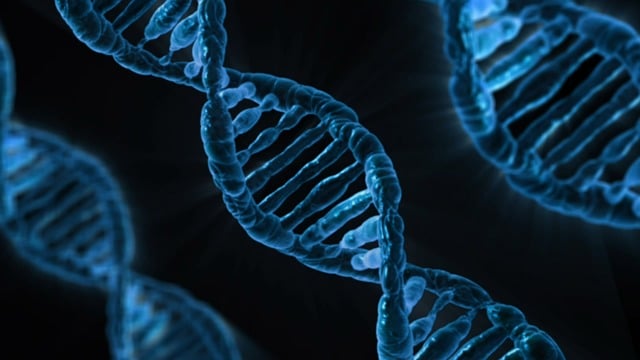
illustration of a dna gene

image source: pixabay.com

Carbon is important in biology because without it, life itself would not exist. Carbon is important in everyday life for all living beings in order for them to live, grow, and reproduce. Carbon compounds are also very versatile and they are in many objects we use every day. Remember, the presence of carbon determines whether something is organic or inorganic.

1

Carbon And The Human Body

Sugars, DNA, proteins, fats, pretty much everything except water contains carbon in the human body. If you have heard it said water makes up most of the human body, then it would also be correct to say carbon makes up most of the other parts. This is another great example of an answer to the question “Why is carbon so important in biology?”

2

Photosynthesis And Respiration

The human body inhales oxygen from the atmosphere and when it combines with carbon, it creates carbon dioxide. The body does not need carbon dioxide so we exhale it when we breathe. Plants are the exact opposite. They take in carbon dioxide from the atmosphere during photosynthesis and give off oxygen back into the atmosphere for us to breathe. All the carbon in your body once existed in the atmosphere as carbon dioxide.

3

Inorganic Compounds
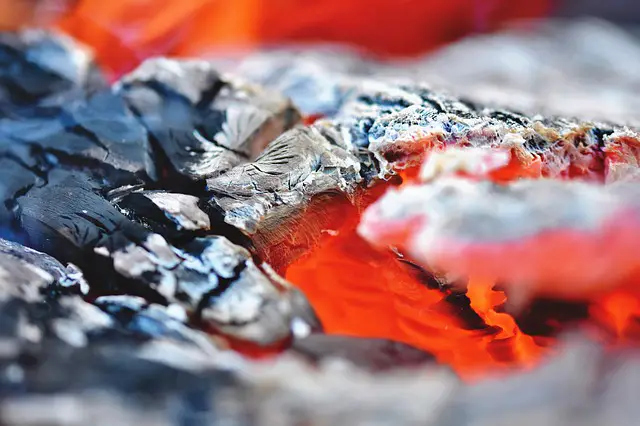
ember from the heated wood

image source: pixabay.com

Many things we use are made of carbon. Rubber, plastics, gasoline, natural gas, are just a few examples. Also, coal and diamonds are made up of mostly carbon, and graphite, which gives pencil lead its black color, is pure carbon. Whenever a fire is burned, the black soot that results is a form of carbon.

4

Abundance In Nature

Carbon is found in different forms in all living beings on earth. Carbon is not only found in abundance on the earth, but the sun and the stars also contain carbon. Carbon also exists on many planets in the form of carbon dioxide.

5

Factors That Affect Carbon In The Atmosphere

There are many factors that affect the global concentration of carbon in the atmosphere, including seasons and human activities like carbon dioxide emissions. Environmental scientists and policy makers seek to understand these factors so they can try to pass regulations to offset negative impacts to the atmosphere.

How We Use Carbon

Allotropes are materials made from the same element, but their atoms fit together differently. Carbon exists on earth in three different allotropes: amorphous, graphite, and diamond. Almost every industry on the planet uses some form of carbon in their every day operations, and we highlight a few of those here.

1

Fuel

We use carbon for fuel in the form of coal, methane gas, petroleum, natural gas, and crude oil. There have also been some exciting breakthroughs by researchers as they have discovered how to take carbon dioxide from the air and turn it into fuel. This could mean a more environmentally friendly fuel for the world.

2

Graphite

Graphite is pure carbon, and we use it for pencil tips, and one mechanical pencil lead of 0.7mm, has about 2 million layers of Graphene. It is also used as a lubricant, for high temperature crucibles, and electrodes. One form of graphite, called Graphene, is the thinnest strongest material ever known.

3

Materials
ink printers

image source: pixabay.com

Carbon can form alloys with iron which makes carbon steel. We also find it in rubber, plastic, wood, and black pigment in ink used for printers or painting.

4

Diamonds

Diamonds are used to make jewelry, but because they are so hard that we also use them for cutting, drilling, grinding, and polishing. You can purchase many items such as cutting wheels that feature small diamonds on the edge for better cutting capabilities.

Conclusion

co2 written on a blackboard

image source: pixabay.com

Here we have answered the question “why is carbon so important in biology?” and in doing so, we have discovered many interesting facts about this element. The first and most important is that we could not live if carbon did not exist. Every organic compound is built around this essential element and we need it for life as we know it. The presence or absence of this element determines whether something is organic or inorganic.

Another answer for the question “why is carbon so important in biology?” is that this element exists everywhere on earth. As the fourth most abundant element, not just on earth, but in the universe, it will forever be a part of our existence. It is interesting to note that more compounds exist that contain carbon than those that don’t, and this is something for which we should be grateful.

Why is carbon so important in biology? It’s not just one, but many reasons why it’s so important, many of which we have listed here in our article. Carbon allows us to exist and it is in many of the things we use every day to build, create, and produce energy. Essential for life and useful, no wonder we call it the building block of life.
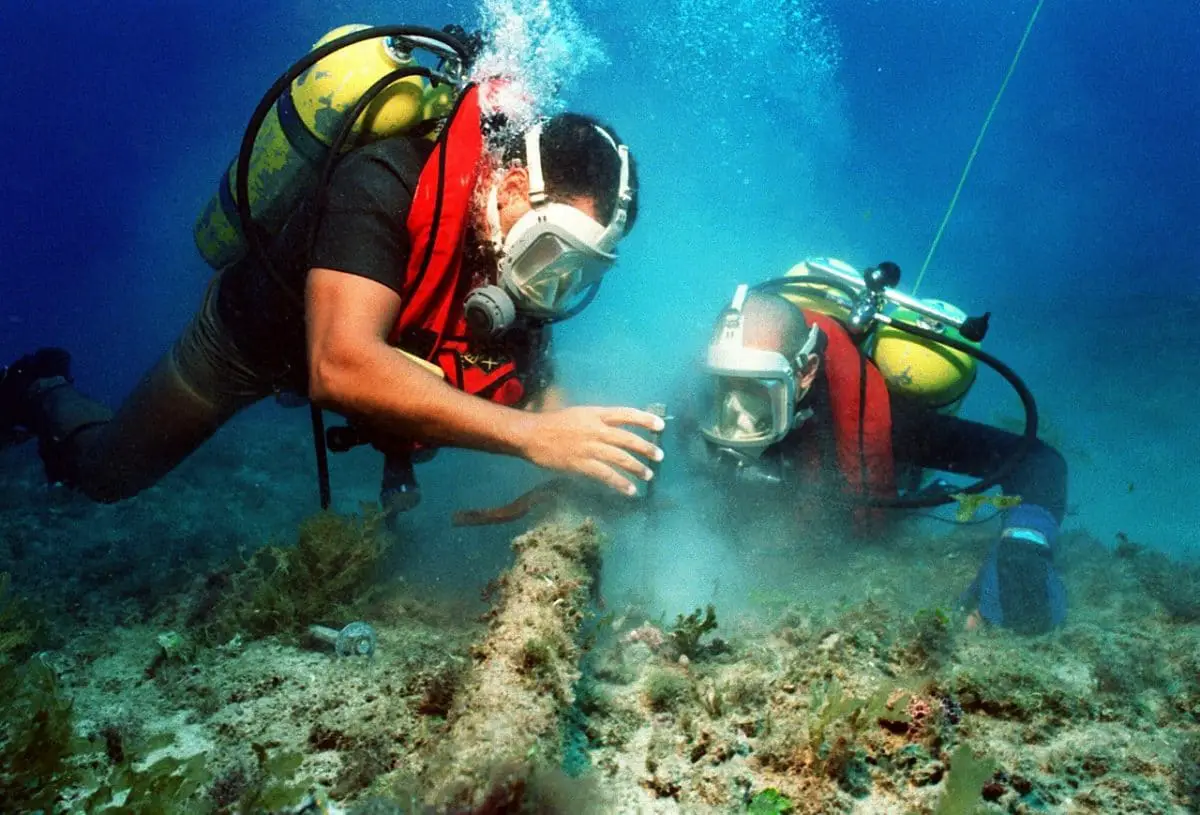

How To Become A Marine Biologist: Your Path To A Career Among The Waves

Maybe you grew up wading knee-deep in streams catching crawfish and you want your children to have the opportunity to do the same. Or, you have been dreaming of touching the ocean for the first time and hoping to spot a dolphin. Either way, you may also be wondering how to become a marine biologist.

How to Become a Marine Biologist

It seems you are well on your way to figuring out how to become a marine biologist. The first step is to simply get excited about all the little, or big, creatures that live in the water near you. Taking an interest in your own local water creatures will help you strengthen the skills needed to become a marine biologist.

After you have played with the tadpoles and waded in tidepools, it is time to start thinking of schooling. While classes can be slightly specialized in high school, consider choosing a college with a renowned biology degree that is near a body of water you are particularly interested in. With this, make sure to volunteer with local efforts to keep waterways clean and visit a few aquariums to expand your breadth of knowledge.

So, after persuing your undergraduate degree in marine biology, look for internships that will get you hands-on experience working in the field. These can range from doing research on ocean vessels to working at your local aquarium or river shed. This will get you the much-needed experience for starting your career or a great base for grad school.

What Does a Marine Biologist Do?

If you are wondering how to become a marine biologist, you probably know many things that they do. While training dolphins and working with whales are some of their most known duties, jobs with those aspects are few and far between. Marine biologists actually can be considered anyone who works or studies anything that is alive and lives in water.

Marine biologists actually deal quite a bit with things outside of fish, plankton, and sharks. They need to understand the chemistry of the water, the oceanography of their body of water, and the environmental impact of humans and other animals in the same space.

As you can see, marine biologists need to be well versed in all of the sciences in order to succeed. Keep that in mind as you are considering how to become a marine biologist.

So You Want to Be a Marine Biologist

We’ve got you hooked on being a marine biologist now. That’s good! Keep in mind that this means you could be collecting samples for a government study, managing a fishery, or even teaching classes at a local university.

If you are hoping to begin getting connected with organizations and other marine biologists, consider the following organizations. It is never too early to start networking for future projects, jobs, or studies.

The Association for Zoos and Aquariums is a wonderful organization for finding internships where you will get exposure to a plethora of types of land and water animals. This can be a great starting point for you.

If you are more interested in fish and rivers, consider the American Fisheries Society. They have annual papers and conferences that can help you stay on the cutting edge of marine biology.

Lastly, the Society of Marine Mammology is ready to press on into the future of marine biology. With a focus on aquatic animals and conservation, this is an exceptional organization to watch and learn from as you consider how to become a marine biologist.

Focus Your High School Studies

Each step of your journey towards becoming a marine biologist needs to keep the end in mind. Your future employer will be looking at your college degree, internships, and extracurriculars. But, your college or university program will be looking at your high school grades and the clubs you participated in.

So, you can see how each step of the process influences the next step. With this, you will need to focus your high school classes as much as you can. This means focusing on chemistry. biology, geology, and mathematics.

However, the more important element to focus on is your club involvement and volunteering. This will show your consistent dedication and interest in rivers, oceans, conservation, animals, fish, and other wildlife. This, in turn, will preempt your education with hands-on experience and a network to support you as you head of to college.

Take advantage of opportunities nearby

There are vast opportunities to pique your interest in marine biology. In your local town, there are probably a few organizations that are cleaning up local waterways as well as keeping tabs on the health of local wildlife. Consider joining in the efforts there.

If you have your eyes on a further prize, think about joining an ocean clean up volunteer squad. This could take you anywhere from simple beach clean-ups to helping divers clean up reef or local shores. With that, if you have the opportunity to become a certified diver, that is an excellent step to showing your interest in becoming a marine biologist.

Choosing a University

There are more universities than you can count these days. As you are figuring out how to become a marine biologist, this may seem like a daunting task. However, we will walk through a few ways to help you narrow down your list.

First off, be realistic with your grades, SAT scores, ACT scores, and desires. Pick schools that will accept your scores and grades. If you would like, apply to one school that will be a stretch. If you get it, then you will be ecstatic.

Next, look at the ratings of the biology and marine biology departments at these schools. Are the professors doing studies and writing books that you are interested in? Also, what types of hands-on learning and programs do they have?

You cannot dismiss cost as a limiter when applying for college these days. College debt will be incredibly difficult to work through later down the line, so minimize as much as you can now. This may mean going to an in-state school or attending community college for two years before transferring to a four-year university.

Location, location, location is our last tip for you. If you are hoping to work in the ocean one day, make sure your university is on the beach! If there is a particular aquarium or river you are hoping to see, look for schools near there first. This is all part of you making your own road map to success in becoming a marine biologist.

How to become a marine biologist: The right classes

Majoring in biology or marine biology will definitely help you attain your career goals. However, you do not necessarily have to major in one of these to succeed. Other sciences or math classes and degrees will give you a unique background that can help you stand out as a potential job applicant.

Consider taking classes in molecular biology, oceanography, plant ecology, or other classes that could support your future marine biology adventures. Having more experience in other areas will help you gain report with other professionals in the field, as well as give you a well-rounded education.

Internships: All About This Next Step

Internships are a crucial part of figuring out how to become a marine biologist. They allow you to work closely with marine biologists, gain experience, and decipher a bit more about what type of work you would like your career to focus on.

During the school year and the summer in between is the time to pad your resume with your biology experience. Consider some ocean specific internships where you can do hands-on research in the field. There is also a multitude of labs associated with schools that you can work at.

With this, diversity is respected in a resume. So, consider going to a different school for the summer internship than the one you attend. While it will be a little more work to figure out the logistics of it, it will be worth it to gain a more diverse experience.

Do I Need to Go to Graduate School?

Graduate school is a focused education that usually costs quite a pretty penny. However, many jobs in the field will require you to do this. A master’s degree will give you the chance to hone in your expertise on a specific subject.

With this in mind, you will want to know what to specialize in before you commit the time and money to a graduate degree. If you are still figuring out how to become a marine biologist, consider postponing graduate school until you have worked in the field for a few years.

This allows you to know what you want to study more specifically. It also opens up the potential for an employer to help sponsor your schooling. If you make it through a master’s degree and have thrived during it, consider a PhD.

A PhD requires just a few more classes than a master. However, the big difference is writing and defending a dissertation. But, remember that you will most likely be doing many research projects as a marine biologist, which lends itself well to a dissertation.

Choosing your masters and PhD

So, you are considering adding a master’s degree as you figure out how to become a marine biologist. There are many schools offering masters in this field. It is no surprise that Florida and California are the two main hubs for these degrees throughout the country.

Master’s degrees vary in their concentration. You can study Fishery and Ocean Science, Oceanography, or Conservation Biology. If those do not pique your interest, there is also Zoology, Tropical Conservation Biology, Estuary Science, Vertebrate Biology, or even Aquatic Resources.

Each of these programs will equip you differently for your career. Similar to applying to a four-year university, consider the professors, papers, and work that is put out of the institution. This will help you decide if you would like to join and learn from them.

Landing the Job as a Marine Biologist

Getting your first job can be thrilling but also intimating and difficult. You need the right balance of experience, references, and networks to do this. So, how do you become a marine biologist in today’s world?

First off, your resume is a representation of you. It needs to be polished, well written, and stand out. If you have a mentor in the field or even a good friend, have them look at your resume for spelling errors and wording choice.

You will want to use industry-specific words and quantitative data to show your skills. If you have done research, make sure to write how much you did, how you took samples, and more like that. While you do not want your resume to be overwhelming, do try and show your full arc of interest in marine biology.

Your cover letter should be specific to the job you are applying for as well. If you know someone at the company, ask them if you can elegantly reference them in your cover letter. This will go a long way in landing a job as a marine biologist.

Finally, nailing the interview is your last step in figuring out how to become a marine biologist. The most important part of the interview is to be yourself while staying assertive and informed. Make sure to do research on the institution you are speaking with beforehand.

Write down a few questions you would like to ask them before you go so that you are ready to see if it would be a good work environment for you. Hopefully, with each of these steps, you will be able to succeed in securing your first job. Then, you will truly be a marine biologist.

Setting your expectations: Salary and more

During the interview process, you may be asked what salary or benefits you would like. If possible, you always want your potential employer to be the first to give a number of a salary. This way, you can negotiate up from there.

So, how much does a marine biologist make? While it does vary greatly from state to state and based on experience, you can expect to start between 45,000 and 70,000 dollars, depending on the local economy and cost of living.

Most marine biologists should be able to do nine to five hours, but depending on the work you may need to vary those. If you are collecting samples, you may have some long days out on a boat or have to collect at odd hours. In addition, there may be other opportunities for travel to unique destinations and annual conferences.

With all of this, it is important to remember there will be plenty of work inside at the computer and lab as well. Most marine biologists will spend quite a bit of time running data and writing reports. So, do not expect to be outside all day, every day if you become a marine biologist.

Now You Know How to Become a Marine Biologist

You now know the path. Enjoy the ride. Remember, start by focusing on your local water sources, organizations, and volunteer efforts.

This will first conjure up a love for all things wet and watery. A passion for the outdoors and wildlife is essential to being a marine biologist. Once you have that, then get your education lined up.

Whether your dream is to help save the whales, protect our oceans, track salmon populations, or find cures for diseases in the natural world, marine biology is full of opportunities. The vast amount of water in our world means that there will always be a good amount of jobs in this field.

Are you a marine biologist, or considering pursuing this as your career? What were the most helpful tips that people gave you? We would love to start that conversation below in the comments.

So, now that you know how to become a marine biologist, we wish you the best. Pursue it with passion, vigor, and intelligence and you are sure to succeed.

How To Become A Zoologist: Everything You Need To Know

If you love animals and are looking for a great career, zoology might be right for you. So, how to become a zoologist? It’s a lengthy process, but by setting your goals early on, you’ll be sure to achieve your dream.

Zoology is a fascinating field, and it’s perfect for those interested in biology. It does require specialized study, but when the subject matter is so exciting, it won’t feel like work!

How to Become a Zoologist

So, how to become a zoologist?

To work in the field of zoology, you will need to earn a university-level degree. Some zoologist positions require only a bachelor’s degree, but others will require an advanced degree.

If you wish to enter the field with a bachelor’s degree, you should choose an appropriate major. While some universities may offer bachelor’s degrees in zoology, not all do. If your university does not have a specific zoology major, another biology-based major can fit the bill.

For those who would like to start with a higher-level position, consider enrolling in a master’s degree program in zoology. And if you would like to work as a researcher or professor of zoology, you will need a Ph.D.

Beyond this essential educational requirement, you can take several steps to strengthen your profile before going on the job market. For example, you can gain hands-on experience through volunteer work, or you can develop your outdoor skills to get a leg up on the competition.

What Does a Zoologist Do?

Before you learn how to become a zoologist, you should know what, exactly, a zoologist does.

A zoologist is a scientist who specializes in the study of animals. Not all zoologists work in zoos, though. Some zoologists work in laboratories, and others observe animals in their natural habitats. Did you know that some zoologists don’t even work with living animals?

That’s because zoology, the branch of biology that focuses on the animal kingdom, studies all animals, both living and extinct. Zoology is specifically concerned with the origin and development of different species, along with the habits and behaviors of animals. Some zoologists also study animal diseases.

As such, zoologists can work in many different settings and have extensive career opportunities. However, most zoologists work directly with animals, either in the wild or in captivity. Others work primarily in faculty positions as professors.

Zoologists who work directly with animals typically specialize in one or more species. They may develop and conduct experimental studies in a lab or the field. While carrying out such experiments, zoologists often must collect biological data about the animals being studied — this can also include collecting specimens.

Other zoologists will focus on studying animal behavior. In this case, they are more likely to spend their time observing and analyzing animal interactions. This interaction can take place between different species, around mating periods, during migrations, or concerning disease and wellness.

Yet other zoologists specialize in the study of how human activity impacts wild animals, including endangered species. Those who focus primarily on the endangered species may also work on developing breeding programs to reestablish dwindling populations.

And zoologists who work as professors spend much of their time teaching university-level courses. However, professors also must write research papers and articles, attend conferences, and give presentations.

Zoologist vs. zookeeper: What’s the difference?

Some people confuse the process of how to become a zoologist with the process of how to become a zookeeper. It’s an easy mistake to make. After all, many people aren’t clear on the differences between a zoologist and a zookeeper.

Although some zoologists do work in zoos, the work they perform is substantially different from the work zookeepers do.

Unlike zoologists, zookeepers can enter the profession with a high school diploma or a GED. In fact, much of a zookeeper’s work can be learned through on-the-job training.

Most zookeepers spend their days caring for animals at a zoo. The primary tasks of a zookeeper’s job include feeding the animals and keeping their habitats clean. However, zookeepers may also assist veterinarians in administering medication or vaccinations.

Another important component of many zookeepers’ roles is educating visitors about the animals they care for. Some experienced zookeepers may even give presentations at schools or community centers.

Working as a zookeeper is a very physical job. It can involve transporting heavy bags of animal feed and vigorous cleaning.

In a sense, zookeepers are technicians, whereas zoologists are scientists. Zookeepers must be observant and look after the animals they are responsible for, but they do not conduct research or analyze data as zoologists do.

Zoologist Career Outlook

If zoology sounds right for you, there’s still one thing to consider before focusing on how to become a zoologist. What is the career outlook for zoologists like? How do average salaries for zoologists compare to other biology-based careers? And is the field growing?

According to the U.S. Bureau of Labor Statistics, or BLS, the median wage for zoologists in May 2018 was $63,420. Keep in mind, however, that a median salary is not the same as an average salary. A median salary is the amount that half of all workers earn more than and half earned less than.

According to the BLS, the lowest-paid 10 percent of zoologists earned under $40,290 per year. On the other hand, the highest-earning 10 percent made $102,830. To reach that upper level, however, you will almost certainly need a Ph.D.

In general, the highest paying zoologist jobs are to be found with the federal government. University positions fall somewhere in the middle, and jobs with local or state governments are typically among the lowest-paying positions.

Most zoologists work full time. However, due to the nature of the work, zoologists often have irregular shifts or long hours.

As for the projected growth of the field, the BLS pegs it at approximately five percent in the period from 2018 to 2028. This growth rate is average. This means that while zoology is not a rapidly growing field, the demand should increase sufficiently to accommodate the supply of zoologists entering the field.

One promising area of specialization for future zoologists will be human and animal interactions. This is because the human population is rapidly expanding and steadily encroaching on the natural habitats of wildlife around the globe.

Becoming a Zoologist: Everything You Need to Know

If you’re ready to start the process of how to become a zoologist, one of the best things you can do is to gain a general understanding of zoology.

Reading up about zoology is a great way to gauge your interest. If you find your eyes glazing over as you read, zoology might not be for you. After all, the journey toward becoming a zoologist requires extensive academic study.

Consider starting with a general-interest book on zoology. We love this one, which provides a tantalizing glimpse into the secret world of animals.

However, if you’re struggling to find time to sit down and read — it can be hard when you work full time or have other responsibilities — an audiobook like this one makes an excellent alternative.

If you enjoy discovering the basics of zoology, your next step should be to begin university-level studies.

Earn a bachelor’s degree

The first major step in how to become a zoologist is enrolling in a degree program.

Ideally, you will begin by enrolling in a bachelor’s degree program in zoology. However, you should pay close attention to the type of bachelor degree you plan to register for, choosing between a Bachelor of Science, or B.S., and a Bachelor of Arts, or B.A.

In general, a B.A. degree will allow you to take more humanities courses. The B.A. route is often a good choice for those who want to focus on environmental policy and regulations.

However, if your goal is to conduct experimental research or to pursue an advanced degree, a B.S. might be a better option for you.

It’s always a smart idea to reach out to your professors — or even to your potential professors — if you’re not yet enrolled in a program. They will usually be happy to meet with you to discuss your specific career goals and to offer individualized advice.

If your university does not offer a zoology major, consider earning a degree in biology or another life science. Be sure to take courses in chemistry, physics, math, genetics, and ecology, if possible.

Get your first job

After earning your bachelor’s degree, the next step in how to become a zoologist is typically to start applying for jobs in the field.

Because a bachelor’s degree allows you to get an entry-level position as a zoologist, you will be ready for some hands-on experience in the field.

You can start by scanning job boards. Entry-level jobs are often available at zoos or with conservation organizations. Don’t forget to check for federal jobs, too!

Even if you plan to pursue an advanced degree eventually, you might find that spending a few years in an entry-level zoologist position pays dividends later on.

First of all, graduate school can be costly and time-consuming. After investing in a master’s degree, you wouldn’t want to discover that working at a zoologist isn’t your passion. So, it makes sense to test out the waters first.

In addition, having some work experience on your resumé can strengthen your application to graduate schools. And who knows — it might even help you land a scholarship or fellowship to fund your studies!

Pursue an advanced degree

For some people, a crucial step in the process of how to become a zoologist involves pursuing an advanced degree.

This step is optional. It is certainly possible to start your career in an entry-level position and move up the hierarchy as you gain on-the-job experience. In fact, some employers even provide continuing education opportunities for their employees.

However, if you want to develop some serious research chops, or if you dream of working in academia as a professor, there’s no getting around the need for an advanced degree.

If an advanced degree is right for you, you’ll need to decide between a master’s degree and a Ph.D. Most master’s degrees require two years to complete, and they will typically culminate with a comprehensive exam or thesis paper.

The Ph.D., on the other hand, can take as many as five years to complete and requires an extensive dissertation. However, a Ph.D. is necessary for most faculty positions at universities.

Move up the career ladder

With your advanced degree in hand, the next step in how to become a zoologist is definitely a rewarding one. Move up the career ladder! After all, you’ve earned it.

Advanced degree programs are typically research-based, so you should be in an excellent position to apply for higher-paying jobs that offer plentiful research opportunities.

Another considerable advantage of earning an advanced degree is that you will have forged bonds with experts in the field — your professors! So, don’t hesitate to leverage their expertise and connections in your job search.

Tips for Strengthening Your University Applications

Having read through the steps in the process of how to become a zoologist, you’re now well on your way to achieving your dream. However, getting started is always the hardest part.

So, how can you ease your first steps toward becoming a zoologist? You’ll probably want to start by focusing on putting together a strong university application.

The stronger your application, the better your chances not only of getting accepted into a prestigious program but also of receiving a scholarship or other merit-based aid.

Most liberal arts schools will look at your application holistically. This means that instead of focusing only on your test scores or grades, the admissions committee will also consider your extracurricular activities, among other factors.

Therefore, you can strengthen your application by getting involved in volunteer work that allows you to engage with animals or the sciences. For example, you could volunteer at your local animal shelter, or you could help chaperone school trips to wildlife refuges.

However, no matter how engaged you are in extracurricular activities, you won’t want to neglect your grades and test scores. If possible, take advanced science courses at your high school and do what it takes to ace them.

Tips for Strengthening Your Resume

If you want to make yourself competitive on the job market, consider ways to strengthen your resume while working toward your degree.

In addition to maintaining a high grade point average, you should work toward gaining some on-the-ground experience.

Volunteering is a great way to accomplish this, but also keep your eyes open for research opportunities offered through your university. By combining study with hands-on experience, your resume will shine.

How to Become a Zoologist: Now You Know

No one said it would be easy, but with planning and determination, the process of how to become a zoologist is achievable.

If you love learning about the animal kingdom and want a job that will help make a positive change in the world, becoming a zoologist might be right for you.

How did you get interested in zoology? Do you have a favorite introductory zoology book? If so, we’d love to know about it, so comment below!

How to Prepare a Microscope Slide to Zoom In on a Specimen

Microscopes offer a great way to discover an entire universe that lies beyond what we can see with the naked eye. From harmful bacteria to beautiful and unique crystal shapes, microscopes open an entire world for us to explore which would otherwise be impossible to learn about. To experience this vast but minuscule new world it is important to know how to prepare a microscope slide for the different materials you’ll want to examine close up.

This article serves as a simple, easy-to-follow guide on how to prepare a microscope slide. This includes a list of the materials needed to mount slides, an explanation of the different techniques of mounting slides and when to use them, what techniques to use for the best results depending upon the specimen, and which style of slides to choose for which type of observations you’ll be making. Follow this easy guide to explore what the microscopic world has to offer!

How to Prepare a Microscope Slide

Gather the Materials Needed

When considering how to prepare a microscope slide, you should first gather all the necessary materials for creating slides. As you will see later on in this instructional guide, different types of materials you wish to observe under a microscope call for different types of slide mounts. Also, the different types of observations you wish to make each have their own requirements regarding shape of the slide you should use. Regardless of what you are observing and how you will observe it, there are certain basic materials you will need. These materials include:

  • Slides
  • Coverslips
  • Pipette (also called a dropper)
  • Tweezers
  • Cotton or paper towel
  • Petroleum jelly
  • Stains (chemical or organic)
  • Fluids for wet mounting
  • Samples of the material you wish to observe

Microscope slides can be made of glass or plastic, feature a flat or concave shape, and each one will have its own advantage and purpose, depending on what type of observations you will be doing. For example, plastic slides are more resilient and less likely to break, so they are safer to handle as they have no sharp edges, so they are a better choice if you’ll be preparing your microscope slides outside.

Glass slides generally have a better reflective index and are less likely to scratch, which allows for better photos to be taken of the specimens than those on plastic slides. Choosing glass or plastic slides is a personal choice, but regardless of the materials the slides are made of, the standard size of a typical microscope slide is approximately 1X3 inches and between 1mm-1.2mm thick.

Wet vs. Dry Mounts

There are two main methods of mounting microscope slides: the wet mount method and the dry mount method. The dry mount technique is simpler and is ideal for larger specimens that that are inorganic or dead matter. Feathers, pollen, hair samples, and insects are all Ideal examples for dry mounts. Thicker or opaque samples might have to be sliced thinly to allow light to pass through the specimen which will help you see things better under the microscope. Because these samples are lifeless, these slides rarely expire and can be preserved for longer periods of time.

Wet mounts are more complex and require more attention, so keep this in mind when planning how to prepare a microscope slide. Generally used for observing organisms that live in water and other liquids, such oils, glycerin, and brine, wet mounts are also useful for when the material itself is a fluid, such as observing blood. Anything that doesn’t require the addition of water to be observed under a microscope needs to be prepared on a wet mount.

It is also important to note that using a wet mount technique has its limitations concerning living organisms. Because wet mount slides will ultimately dehydrate the living organisms within the slide, those organisms have a limited lifespan while on the slide, and therefore there is a limited shelf life for the slide itself.

For example, certain organisms, such as protozoa, offer us a very limited window of observation, as they can only survive in a wet mount slide for approximately 30 minutes if the slide is allowed to dehydrate. A way to slow this process down and have more observation time in this situation would be to seal the edges of the slide with petroleum jelly. This way, the liquid will remain in the slide longer and the life of the slide will be extended for a few days.

Another issue concerning wet mount slides involves specimens that are too large to allow the coverslip to be placed comfortably on top and rest flatly on top. Here, you might place ground pieces of glass from a spare coverslip to encase the specimen to provide some extra space for the specimen to be secured. You may also place a small cotton strand around the edge to perform the same function and corral the specimen in place. This is also a great technique to use when live specimens are quick moving, as this will limit their movement and slow them down, giving you a better observation experience.

Smears, Squash, and Stains–How and When to Use Each

Knowing how to prepare a microscope slide properly also involves applying the proper technique, as different techniques are used depending on the material being observed. Depending upon which type of material you will be looking at under your microscope, you should use the right technique to get the best results. Using these three techniques under the right circumstances shows you are certain in how to prepare a microscope slide properly.

Smear Slides

Smear slides are fairly straightforward and create microscope slides that look exactly as the name suggests: a thin smear of material across the clear slide. This method is primarily used for blood samples or samples that are fluid in nature. This is done by using a pipette (or dropper) to place a drop of the material onto the slide. Using a second slide to smear the material across the first, you can create a very thin coating that allows for clear observation. This slide creation technique allows the specimen to dehydrate at a moderate pace.

Squash Slides

Squash slides are a way to prepare soft material for observation. Drop the fluid of choice onto the slide and press down slightly as to flatten the sample and squeeze the liquid from it without breaking the slide or coverslip. Use a tissue to absorb the excess liquid. This wet mounting technique is ideal for tissue or sponge samples.

Stain Solutions

Stain applications are a great way to distinguish between living and non-living cells in your specimen sample. This technique is primarily done in the biological science labs to help scientists identify diseases, especially different bacteria, and examine the minute characteristics of cells more closely.

Depending on what exactly you are trying to identify, there are several types of stains you can use, but the most common is iodine. Prepare the wet mount as you would with any other fluid, in this case using the staining solution, place the coverslip on the edge of the slide, and slowly pull the stained liquid sample across the slide. Use a paper towel to absorb the excess liquid.

Flat vs. Concave Slides—Which to Choose?

When first learning how to prepare a microscope slide, it is important to consider what type of material you will be observing. It is equally important to consider what type of observation will be best based on the consistency of the material of your sample. This is where you will decide whether you want to preserve your slide and keep it for further use, or if that is not possible, perhaps it is more practical to not use a coverslip for your wet mount. But how can you made observations under your microscope without a coverslip?

This is made possible through the use of a concave style slide. Also known as a depression slide or a well slide, this microscope slide is shaped so it can hold a drop of liquid in an indentation without the use of a cover. As expected, this option is considerably more expensive, but will allow you to observe a live organism and preserve it for future observation as flat wet mounts will shorten the life span of the specimen considerably. Concave slides also allow for free movement of specimens within the drop of water or fluid present.

Conclusion

Microscopes can lift the veil on a whole new world for you, your friends, and family, especially know that you know the various aspects about preparing microscope slides. Knowing how to prepare a microscope slide properly lets you to observe a variety of materials, witness what changes occur over time, compare specimens, and potentially preserve those specimens indefinitely! Learning how to prepare a microscope slide properly offers many benefits, and we hope this quick guide has given you the confidence you need to prepare slides of your own while you’re out in the field or in your home laboratory.

10 Questions To Study For A Mitosis Quiz In AP Biology

If you need to prep for a mitosis quiz in AP Biology, you are going to need to understand the difference between mitosis and meiosis thoroughly.

Many students fail to be able to identify the difference between the two biological processes accurately. So, you don’t want to get disappointing results on your mitosis quiz; there are a few key points you are going to want to study.

Remember to acquaint yourself with the following before you think you are prepared enough for a mitosis quiz.

  • There are six different stages of mitosis.
  • You want to be able to visualize and analyze diagrams displaying the stages of mitosis confidently.
  • It is good to be aware of any irregularities during mitosis and resulting genetic consequences

Give yourself ample time to take comprehensive notes when studying your AP Biology material. Don’t try to memorize everything, but seek to understand and make connections between the information. It may also be helpful to draw out the processes of mitosis, labeling each stage with a description that you can understand easily.

Ask yourself questions about what step comes next, and predict if something were to go wrong in the process what would be the result?

Taking steps to interact with your material will help you make more sense of things. You don’t want to only memorize and regurgitate the material without having a clear visual understanding of the what and why of the process.

What Is Mitosis?

Mitosis is the name given for the process of a cell’s duplication. When there is one cell with a single set of chromosomes, it goes through a step-by-step process where you end up with two cells that have identical sets of chromosomes.

When there are breakdowns or problems with the mitosis process, genetic diseases or anomalies are created.

Check Out These 10 Questions To Study For A Mitosis Quiz

Image by Adina Voicu from Pixabay​​​​

Out of all the information covering mitosis and meiosis, you may want to consider the following questions to help prepare you for an upcoming mitosis quiz. Choose to break down the information as you see fit and in a language, you can understand. Again, drawing images to help you better conceptualize the process is helpful, as well as using correct terminology.

Which Structure Is Responsible For Moving Chromosomes During Mitosis?

The centromere is a region of DNA that holds together the two chromatids of a duplicated chromosome. Centromeres are responsible for attaching microtubules and direct the movement of chromosomes in both the process of mitosis and meiosis.

First, the chromosomes move toward the center of a cell during metaphase, and then they proceed to opposite directions during anaphase.

 Why Do Chromosomes Fail To Separate Within Mitosis?

Image by Colin Behrens from Pixa​​bay

Nondisjunction is when a pair of homologous chromosomes fail to separate. There are three forms of nondisjunction, and two happen during the process of meiosis I and meiosis II.

When the sister chromatids fail to separate during the process of mitosis, the number of chromosomes is abnormal, resulting in aneuploidy.

If a single chromosome is lost from a diploid genome, it is called monosomy. If a chromosome is gained, it is called a trisomy.

When chromosomes fail to separate correctly, it can lead to a genetic disorder such as Downs Syndrome or Turner Syndrome. In the most extreme cases, aneuploidy can be lethal. The risk of nondisjunction taking place increases exponentially with the rising age of parent cells.

Typically disjunction is found during the process of meiosis.

At Which Phase Do Chromosomes Become Visible And Of What Do Chromosomes Consist?

Before chromosomes become visible during the prophase stage, the chromosomes are long strands called chromatin. The chromatin is tightly wound up into chromosomes.

Chromosomes are made up of DNA which is coiled tightly around histones. Histones are proteins which support the structure of the thread-like structures. Chromosomes are not visible under a microscope if the cell is not dividing, and it is not visible in the nucleus of the cell.

The short arm of a chromosome is the ‘p arm,’ and the long arm is known as the ‘q arm.’

What Is Cytokinesis?

Cytokinesis is the process when cells physically divide. The cytoplasm of a parent cell splits into two daughter cells. This process starts during anaphase and doesn’t stop until the telophase. Cytokinesis takes places during both mitosis and meiosis.

When and Why Will Cells Divide, How Many Chromosomes Will They Have, And What Triggers This Process?

Cellular division during mitosis may be triggered because of the need to replace or repair dead or lost cells or to grow in size. As part of the cell cycle, a cell will prepare to divide at interphase and begins its division process during mitosis.

A single cell will divide and reproduce copies of its DNA into two identical cells. The number of chromosomes will be the same as in the parent cell.

What Is The Difference Between A Diploid And A Haploid?

Diploid cells have a set of chromosomes from two different parents, with two homologous copies of each chromosome of their parents. Diploid cells reproduce by mitosis, and somatic cells are examples of diploid cells.

Haploid cells are created because of the meiosis process. Gametes or sex cells are a common type of haploid cells. Haploid cells only have one complete set of chromosomes.

Define Polyploidy And Aneuploidy?

When there is a variation in the number of chromosomes, it is described as being either aneuploidy, monoploidy, or euploidy. Depending on whether one part of a chromosome is lost, an entire set of chromosomes is lost, or one or more than one complete set of chromosomes is gained the term changes.

With chromosomes, conditions can either be double monosomic or double tetrasomic.

What Is An Allele And The Law Of Independent Assortment?

A gene is a single unit of information that is hereditary. Except in the case of some viruses, genes are made up of DNA which transmits traits. An allele is a genetic sequence which is a variant of a gene. When there are differences among copies of a gene, they are called alleles. At the locus of a gene, there are only two alleles present.

Gregor Mendel has been credited with our enlightened understanding about genetics, heredity, and what happens when there are variants in genetic transmission. According to Mendel’s Law of Independent Assortment, a pair of alleles will separate independently when gametes are forming. Traits are transmitted to offspring independently.

The Law of Independent Assortment was formed on principles uncovered when Gregor Mendel conducted experiments creating dihybrid crosses between plants which had two different traits. As a result of Mendel’s experiments, a ratio developed to reinforce this concept.

What Type Of DNA Damage Occurs When Cytokinesis And Mitosis Fail?

If a cell fails to separate during cytokinesis, it may have multiple nuclei.

During the prometaphase and metaphase stage, if a cell fails, it enters the G1 phase of a cell cycle, or it results in cell death. The checkpoints within the cell cycle help to regulate the process of cell division and will signal to different pathways if there is a failure.

Steps are automatically taken to prevent any damaged DNA from being reproduced or transmitted to a new generation of cells, to protect integrity.

When mitosis fails to carry out is process an abnormal number of chromosomes is created. To prevent continuous cell division, abnormal cells may be removed. A failure in mitosis typically activates cell death and consequent DNA damage.

What Are The Cell Checkpoints And What Are Their Functions?

Depending on if certain conditions are met cellular division may be inhibited, such as in the instance that growth hormones are released. When there is cellular growth, cells have to divide to prevent cell crowding.

If there is a release of specific hormones or a lack thereof, cell checkpoints may not allow the progression of a cell to the next stage in the cell cycle until there are viable conditions.

At the G1 checkpoint, any damage to DNA and relevant external stimuli are evaluated before a cell can move forward to interphase.

The G2 checkpoint is needed to make sure that all chromosomes have been replicated without any damaged DNA. Until this is assured, a cell will not be able to enter mitosis.

The M checkpoint is responsible for making sure every chromosome is attached to the spindle, and will not allow the separation of duplicated chromosomes if there is a problem.

Cell checkpoints are part of the eukaryotic cell cycle.

Additional Helpful Pointers

​www.pexels.com

Before your quiz make sure that you can break down any pertinent information in easy to understand terms. However, be aware of the correct terminology and the sharp differences between mitosis and meiosis to reduce any unwanted confusion. Make sure to get enough sleep, eat well, and give yourself enough time to study the material before attempting to complete a quiz.

Don’t underestimate or disregard the power of drawing out your own diagrams to fully grasp the concept of each stage of mitosis. Visuals can have a stronger influence than reading words alone about the process.