The Impact of Biological Magnification on Ecosystems

Biological magnification, also referred to as biomagnification, is a fascinating yet alarming phenomenon in nature. It’s like a toxic relay race where harmful substances, such as pesticides, heavy metals, and other pollutants, accumulate and become more concentrated as they move up the food chain. This process doesn’t just impact individual organisms but can wreak havoc on entire ecosystems. Have you ever wondered how a single drop of a pollutant can ripple through an entire food web? Let’s dive into the depths of biological magnification and explore its profound impact on ecosystems.

What Is Biological Magnification?

Biological magnification occurs when toxic substances introduced into an environment become progressively more concentrated as they move from one trophic level to the next. These pollutants are typically non-biodegradable, meaning they resist breakdown and persist in the environment for extended periods. Unlike nutrients that organisms can metabolize or excrete, these toxins stay in their systems.

Imagine a drop of pesticide entering a river. Small organisms like plankton absorb it in tiny amounts. When fish feed on these plankton, they consume larger quantities of the toxin. Eventually, top predators like eagles or humans ingest even higher doses, making them most vulnerable to the effects of these substances. Alarming, isn’t it? This invisible cycle can silently infiltrate ecosystems over time, often without obvious signs until it’s too late.

How Is Biological Magnification Researched in U.S. Universities?

U.S. universities are at the forefront of research on biological magnification, using cutting-edge technologies and interdisciplinary approaches to better understand its mechanisms and impacts. Scientists in fields like ecology, environmental science, and toxicology collaborate to study how pollutants move through ecosystems and affect species at different trophic levels. For example, researchers at institutions like the University of California, Berkeley, and Duke University are utilizing advanced analytical tools such as mass spectrometry to measure pollutant concentrations in water, soil, and living organisms.

Additionally, long-term field studies in ecosystems like the Great Lakes or the Gulf of Mexico help track the persistence and magnification of toxins such as mercury and PCBs over time. For those wishing to delve deeper into these topics, free university notes available online can offer detailed explanations and insights into both foundational principles and recent advancements. Many universities also use computer modeling to predict how pollutants will move through food webs under different environmental conditions, offering valuable insights for policymakers and conservationists. Through their research, these institutions play a pivotal role in advancing our understanding of biological magnification and finding innovative solutions to mitigate its effects.

How Does Biological Magnification Work?

To understand how biological magnification operates, let’s break it down step by step:

  1. Introduction of Pollutants The process starts with pollutants entering an environment. Common culprits include pesticides like DDT, industrial chemicals such as PCBs, and heavy metals like mercury. These pollutants are released through agricultural runoff, industrial waste, or even atmospheric deposition.
  2. Absorption by Primary Producers The first victims are often plants and microorganisms, such as algae, at the base of the food chain. These primary producers absorb the pollutants directly from water, soil, or air.
  3. Concentration in Primary Consumers Herbivores, such as small fish or insects, feed on these plants or microorganisms, taking in the pollutants. At this stage, the toxin concentration is still relatively low.
  4. Magnification in Secondary Consumers and Predators As larger animals consume multiple smaller prey, the toxins accumulate in higher concentrations. By the time the pollutants reach apex predators like hawks, dolphins, or humans, they’ve reached dangerously high levels.
  5. This cycle underscores a sobering reality: the higher an organism is in the food chain, the greater its exposure to toxins.

Impacts of Biological Magnification on Ecosystems

The consequences of biological magnification extend far beyond individual organisms. It affects the balance, structure, and sustainability of ecosystems. Let’s break down its key impacts:

When apex predators accumulate high levels of toxins, it can lead to severe health issues or even death. For instance, birds of prey like eagles and ospreys experienced dramatic population declines in the mid-20th century due to DDT. The pesticide caused their eggshells to thin, reducing reproductive success. Such disruptions cascade through the food chain, altering predator-prey dynamics and creating imbalances.

Biomagnification poses a serious threat to biodiversity. Species that are most affected by toxins, especially top predators, may face local extinction. This reduces genetic diversity, weakens ecosystems, and makes them more vulnerable to other stressors like climate change or habitat loss. Can you imagine a world where keystone species like wolves or sharks vanish because of toxic overload?

Humans, sitting at the very top of the food chain, are highly susceptible to biological magnification. Consuming contaminated fish, dairy products, or crops exposes us to toxins like mercury, which can damage the nervous system, or PCBs, which are linked to cancer. These pollutants don’t just harm our health—they also increase healthcare costs and reduce overall quality of life.

Ecosystems provide invaluable services like water purification, pollination, and carbon sequestration. When biological magnification harms key species, these services may be disrupted. For example, if bees ingest pesticides and their populations decline, pollination rates drop, threatening food security.

Case Studies: Real-World Examples of Biological Magnification

Biological magnification isn’t just a theoretical concept—it has played out dramatically in real-world scenarios. Let’s look at some of the most notable cases:

1. The DDT Crisis

In the 1940s and 1950s, DDT was widely used as a pesticide. While it initially seemed like a miracle solution for pest control, its long-term effects were devastating. Through biological magnification, DDT accumulated in birds of prey, causing reproductive failures and population crashes. Rachel Carson’s groundbreaking book Silent Spring shed light on this crisis, ultimately leading to the ban of DDT in many countries.

Mercury pollution, largely from coal-burning power plants and industrial processes, accumulates in aquatic ecosystems. In the 1950s, residents of Minamata, Japan, were poisoned by mercury-laden fish. The phenomenon, later termed “Minamata disease,” caused neurological damage and even death in thousands of people. This tragedy highlighted the dangers of unchecked pollution and biomagnification.

Biological magnification is a sobering reminder of the interconnectedness of life on Earth. What begins as a seemingly harmless pollutant can snowball into a crisis that threatens entire ecosystems and even human health. By disrupting food chains, reducing biodiversity, and contaminating our resources, this phenomenon poses a grave challenge to environmental sustainability.

However, hope is not lost. With proactive measures like reducing pollutant use, enforcing regulations, and restoring ecosystems, we can combat the effects of biological magnification. Let’s remember that every choice we make—whether it’s the products we buy, the food we eat, or the policies we support—ripples through the environment. The power to protect ecosystems lies in our hands. Will we rise to the challenge?


The Role of Bioconjugation in Progressing Medical Innovations

Bioconjugation plays an important role in the advancement of targeted therapies and vaccines. This innovative process involves linking biological molecules to other compounds, which makes precise targeting in treatments possible. By improving the specificity and efficiency of therapies, bioconjugation contributes significantly to modern medicine.

The development of targeted therapies and vaccines requires precision to maximize effectiveness while minimizing side effects. Bioconjugation offers a solution by enabling the attachment of therapeutic agents to specific molecules, aiding in the delivery directly to diseased cells. This specificity is crucial in treating complex conditions, reducing the impact on healthy cells.

Bioconjugation Basics

Bioconjugation makes it possible to link two molecules together, which is an important technique for the development of targeted therapies and vaccines. The technique can be used to enhance therapeutic agents such as antibodies, peptides, and nanoparticles.

Bioconjugation Chemistry

When we refer to bioconjugation chemistry, we’re talking about the chemical methods that are used to join two different molecules. These methods can include covalent and non-covalent bonding, which are essential for creating stable molecules with good functionality.

Bioconjugation chemistry is commonly used to link antibodies with drugs, peptides, and nanoparticles, which allows us to create targeted therapeutic treatments with better outcomes. Different strategies, such as polymer-drug conjugates and lipid nanoparticles, provide us with a diverse range of applications for these drug delivery systems.

Additionally, aptamers and small molecules are often used to improve specificity and reduce off-target effects. These methods contribute significantly to developing tailored treatments in the pharmaceutical industry. The combinations that are possible through bioconjugation are extensive, hence companies such as LifeSynth Solutions offer custom bioconjugation chemistry services for a wide range of applications to speed up research time.

Clinical Applications of Bioconjugates

Bioconjugates have many different clinical applications due to their ability to deliver drugs directly to specific cells or tissues. Monoclonal antibodies are frequently conjugated with therapeutic agents which can make some cancer treatments more effective and reduce their negative impact on surrounding healthy cells.

Bioconjugates show the most promise for creating targeted therapies, which typically improve patient outcomes. A promising area of bioconjugation research in in the development of lipid nanoparticles which can be used to deliver mRNA and siRNA, greatly improving the way that we develop and deliver vaccines.

We’re now seeing that several bioconjugates are being tested in clinical trials for both therapeutic and diagnostic applications. These trials are very important for making sure that the bioconjugates are safe to use and remain effective when in the body.

Bioconjugates in Drug Development

Bioconjugates play a very important role in drug development, particularly in designing next-generation therapies. They allow us to make highly specific drug delivery systems using a combination of antibodies, peptides, and nanoparticles.

The reason why they are so important is because they have a focus on targeted drug delivery, which minimizes the side effects a patient may experience and overall improves how efficient a drug is. In particular, this approach is expected to make huge improvements in the way that we treat patients with cancer and chronic diseases.

Additionally, bioconjugation makes it easier for us to create personalized medicines which are tailored to a patient’s individual needs.

Targeted Therapies in Disease Management

Mechanisms of Targeted Drug Delivery

Targeted drug delivery uses bioconjugates to improve how drugs are delivered to specific cells, such as cancer cells. Antibody-drug conjugates (ADCs) are a good example of this, as they combine the specificity of antibodies with potent drugs to precisely attack tumors while minimizing the negative impact on surrounding healthy cells.

We can also incorporate nanocarriers to improve the cellular uptake and distribution of a drug. By exploiting features like the tumor microenvironment’s increased permeability and retention effect, we can make it so that drugs accumulate directly in tumor sites. Active targeting strategies often use ligands or antibodies that bind to receptors overexpressed on cancer cells, which makes precise tumor targeting and drug action possible.

Drug Resistance

Drug resistance remains a challenge across all of medicine, but is especially prevalent in how we manage diseases with targeted therapies, particularly in cancer treatment. Tumor heterogeneity and mutations often cause the efficacy of drugs to decrease over time. Because of this, patient-tailored medicine with routine monitoring becomes a key strategy to prevent drug resistance from occurring.

Bioconjugation strategies can be used to prevent or overcome drug resistance by creating more effective combinatorial therapies. These make use of multiple different agents that can target distinct pathways, thus bypassing resistance mechanisms that have developed. Using synthetic biology to develop drugs that adapt to changes in the tumor environment helps in keeping treatments effective, therefore improving patient outcomes.

Vaccine Design and Immune Modulation

Vaccine Formulation

Modern vaccine design has moved towards precise targeting of our body’s immune responses. mRNA vaccines, such as those developed for COVID-19, use synthetic strands of genetic material to instruct cells to produce SARS-CoV-2 antigens. This method is particularly good as it allows us to quickly develop vaccines at a large scale.

Cancer vaccines, on the other hand, focus on delivering tumor antigens to activate immune cells against cancerous cells. Effective vaccines need to navigate the major histocompatibility complex (MHC) to achieve a good level of antigen presentation. Using monoclonal antibodies to do this offers specific targeting whilst reducing unintended off-target effects.

Immune Responses

Boosting immune efficacy is crucial, particularly through cellular immunity and t cell engagers. Immune checkpoint modulation, such as PD-L1 blockade, augments T-cell activity and enhances tumor recognition.

Cytokine release syndrome is a potential adverse effect which is usually caused by excessive immune activation. As a result, balancing immune potency whilst minimizing side effects remains a key goal of bioconjugation research. For example, therapeutic cancer vaccines aim to induce a strong immune response against cancerous cells without triggering excessive inflammation surrounding healthy cells.

Bioconjugation for Targeted Immune Activation

Bioconjugation makes it possible for us to target specific immune pathways by linking molecules to antigen-presenting cells. This means that vaccines using this strategy can directly interact with the desired immune cells, which overall improves the specificity of immune recognition.

This approach is very important for developing vaccines that can cause tailored immune responses against particular pathogens or tumor cells. As a result, targeted immune cell engagers are a focus of current research, with the aim of directing T cells to tumor sites effectively. This strategy aims to help overcome immune checkpoint modulation, prompting more effective therapeutic outcomes.

Exploring Psychological and Biological Factors That Influence Academic Success


Academic success is a major goal for students, teachers, and parents alike. Whether it’s acing an exam, graduating with honors, or simply doing well in school, understanding what contributes to this success is crucial. While hard work and good study habits are often emphasized, there’s much more beneath the surface. Psychological and biological factors play significant roles in determining a student’s academic achievements. But how do these unseen forces interact to affect learning and performance? Let’s dive deep into both psychological and biological influences to uncover what really drives academic success.

Psychological Factors: Motivation, Mindset, and Emotional Intelligence

When we think of success in school, we often picture motivated students, driven to achieve their goals. Motivation, in fact, is one of the most critical psychological factors influencing academic performance. But motivation isn’t a one-size-fits-all concept. It can be intrinsic, where a student is driven by personal satisfaction, or extrinsic, where external rewards like grades or approval fuel their efforts. Both types of motivation can have a profound effect on how students approach their studies. Sometimes, students may need additional support, such as psychology assignment help, to manage academic pressures and understand complex topics more deeply.

Carol Dweck, a psychologist, popularized the idea of attitude as another important psychological component. While pupils with a fixed mindset feel their IQ is constant, those with a growth mindset think their skills may be enhanced through hard work, according to Dweck. How students respond to difficulties may be impacted by the mentality gap. People who have a growth mentality are more likely to take advantage of educational opportunities, stick with things when they get tough, and eventually do better in school.

Additionally, emotional intelligence (EQ) is crucial. Although IQ has long been used to predict academic success, emotional intelligence—the capacity to recognize and control emotions—had a greater impact on how effectively kids deal with stress, relate to their peers, and recover from failures. A more happy and fruitful learning environment can result from improved coping mechanisms, improved communication, and healthier relationships, all of which are influenced by emotional intelligence.

Cognitive Abilities: Memory, Attention, and Learning Styles

Beyond motivation and mindset, cognitive abilities such as memory, attention, and how we process information are critical for academic success. Have you ever noticed how some students seem to absorb information effortlessly, while others struggle? This often comes down to differences in cognitive functions.

Memory is a key player here, especially working memory, which allows us to hold and manipulate information for short periods. Students with strong working memory can juggle multiple ideas at once, solve complex problems, and retain instructions more easily. Long-term memory also matters—students who can effectively store and retrieve information tend to perform better in subjects that require extensive recall, like history or biology.

Attention is another essential cognitive skill. In a world full of distractions, maintaining focus can be a challenge. Students who struggle with attention may have difficulty following lectures or completing tasks, which impacts their academic outcomes. On the other hand, students who can concentrate for longer periods often absorb more information and complete their work more efficiently.

Each student also has unique learning styles. Some may be visual learners, others auditory, and some may excel through hands-on experiences. Understanding one’s preferred learning style can help optimize study habits and lead to more effective learning. While schools typically employ a one-size-fits-all teaching approach, students who adapt their study methods to align with their personal learning preferences may find greater academic success.

Biological Factors: Genetics, Brain Development, and Sleep

While psychological factors play a significant role in academic success, biology also has a considerable impact. Genetics, for example, can influence a student’s cognitive abilities, such as intelligence, memory capacity, and attention span. While no single gene determines academic success, a combination of genetic factors contributes to a student’s natural aptitude for learning.

The development of the brain also plays a role in academic achievement. During childhood and adolescence, the brain undergoes significant changes that affect cognitive functions. The prefrontal cortex, which is responsible for decision-making, problem-solving, and self-regulation, continues to develop into early adulthood. This means that as students mature, their ability to think critically, plan, and manage their time improves.

One of the most underestimated biological factors influencing academic success is sleep. Studies show that getting enough quality sleep is crucial for memory consolidation, problem-solving, and emotional regulation. Students who are sleep-deprived often experience difficulties with concentration, learning, and coping with stress. With many students juggling heavy workloads and extracurricular activities, sleep often takes a back seat, but its importance cannot be overstated.

The Role of Environment: Nutrition, Physical Activity, and Social Influences

While biological factors such as genetics are beyond our control, other factors, such as environment, can be shaped to support academic success. One of these is nutrition. A well-balanced diet, rich in essential nutrients like omega-3 fatty acids, vitamins, and minerals, is crucial for optimal brain function. Studies have shown that students who eat nutritious meals, particularly breakfast, perform better in school, as they have the energy and focus required for learning.

Physical activity is another environmental factor that influences academic success. Regular exercise has been linked to improved brain function, better mood regulation, and increased focus. In fact, physical activity has been shown to boost the production of brain-derived neurotrophic factor (BDNF), which supports brain health and cognitive development. Students who engage in regular physical activity tend to experience enhanced memory and concentration, leading to better academic outcomes.

Social influences, including family support and peer relationships, also shape academic success. A supportive home environment, where education is prioritized, can motivate students to excel. Similarly, positive peer relationships can encourage academic engagement, while negative influences, such as peer pressure, may lead to poor performance. The social environment a student is exposed to has the power to either lift them up or hold them back.

Interconnection Between Psychological and Biological Factors

While psychological and biological factors can be explored independently, they are deeply interconnected. For instance, a student’s genetic predisposition for attention may influence their ability to stay motivated and focused in class. Similarly, a lack of sleep (a biological factor) can increase emotional instability, making it harder to manage stress or stay motivated (psychological factors). Understanding these interconnections can provide a more holistic view of what drives academic success.

The way these factors interact suggests that boosting academic performance is not just about focusing on one area. Rather, it’s about addressing both the mind and the body—helping students cultivate a positive mindset, supporting cognitive function through sleep and nutrition, and nurturing emotional intelligence. All of these elements work in tandem to create a foundation for academic achievement.

Conclusion

There is much more to academic achievement than skill or hard work. It is the outcome of intricate interactions between biological and psychological elements that affect how well students learn, function, and flourish in educational settings. While cognitive skills like memory and attention influence how well kids learn, motivation, mentality, and emotional intelligence are important psychological components that propel students to achieve. From a biological perspective, sleep, brain development, and genetics are essential for cognitive function and academic achievement. Not to mention the influence of the environment, where elements like social support, physical exercise, and diet provide the educational process additional dimensions. We can better assist students on their path to academic success if we comprehend and handle these elements comprehensively. 

Author’s Bio

Matthew Stoll is a skilled content writer with a strong focus on research-driven writing. His expertise lies in creating well-structured essays and academic content, ensuring clarity and precision in every piece. With a deep understanding of various writing styles and formats, Matthew consistently delivers content that meets the specific needs of his audience, from informative articles to comprehensive reports.

How Advances in Biology Are Helping Us Combat New Viruses

The rapid emergence of new viruses poses a significant challenge to global health. From SARS-CoV-2 to other emerging pathogens, the need to understand, prevent, and combat these viruses has become more urgent than ever. Advances in biology have played a crucial role in helping scientists, medical professionals, and researchers respond more effectively to these threats. As our understanding of how viruses work deepens, new tools and strategies are being developed to detect, treat, and prevent viral infections more efficiently.

What sets the current era apart is the integration of biology with other scientific fields, which has accelerated progress. Researchers now have access to cutting-edge technologies, which means quicker virus identification, genome sequencing, and vaccine development. Moreover, the rise of interdisciplinary collaboration is helping communities respond to viral outbreaks in a more holistic manner, with biology at the forefront of this fight. 

Role of Experts in Managing Viral Outbreaks

A key part of combating new viruses lies in the expertise of those on the frontlines—biologists, virologists, healthcare workers, and social workers all play vital roles. Biologists and virologists focus on understanding the nature of the virus, how it spreads, and how it can be stopped. Social workers and other health professionals provide much-needed support to individuals and communities affected by outbreaks, helping manage both the physical and psychological impacts. Their role is not limited to immediate response efforts but also involves long-term support as communities recover.

These professionals must continually adapt to new challenges, given the evolving nature of viral threats. Continuous learning is essential for staying ahead of new outbreaks and improving community support strategies. Programs such as the disaster resilience social work degree offer professionals the chance to develop specialized skills that enable them to respond effectively to health crises. This type of training prepares social workers to tackle the immediate effects of an outbreak and its long-term social and mental health implications, particularly in vulnerable communities. The flexibility of such a program also allows for continued education while professionals actively engage in the field.

Genetic Research and Virus Tracking

Advances in genetic research have dramatically changed how scientists approach viral outbreaks. One of the most significant developments has been the ability to sequence viral genomes quickly and accurately. This way, researchers can track mutations in viruses, which can be critical for understanding how a virus is spreading and evolving. Genome sequencing is also a key component in the development of vaccines, as it provides crucial information about the virus’s structure, which can then be used to create effective vaccines that target specific parts of the virus.

The ability to track virus mutations in real-time has been especially important in understanding new variants of viruses like SARS-CoV-2. Researchers can identify whether a new variant is more transmissible or more resistant to vaccines, helping public health officials make informed decisions. As genetic research tools become more advanced, they’re better equipped to monitor viruses and respond swiftly to new threats. Continuous investment in this area of biology will allow scientists to remain agile in tracking viral changes and help develop strategies to mitigate their spread.

Vaccine Development and Biotech Innovation

The way vaccines are developed has undergone a revolution in recent years, thanks to advances in biotechnology. Traditional vaccine development could take years, but newer methods, such as mRNA technology, have shortened this timeline dramatically. This has been most evident with the rapid development of COVID-19 vaccines, which were rolled out in less than a year. The ability to quickly create vaccines against new viruses gives public health professionals a crucial tool in slowing or stopping outbreaks before they become widespread.

Biotechnology companies are at the forefront of this innovation, working closely with research institutions to ensure that vaccine development is fast and safe. Their collaboration has allowed for more streamlined processes and quicker responses to emerging viruses. Continued progress in this field means that future vaccines for new viruses can be developed even faster, providing another layer of defense against viral threats. 

Immune System Research and Antiviral Therapies

Recent advances in immunology have deepened our understanding of how the immune system responds to viruses. Researchers are now better equipped to study how viruses interact with immune cells, which has led to the development of more targeted therapies. These findings have been especially important in creating antiviral drugs that can treat viral infections at an early stage. Instead of relying solely on vaccines, scientists are exploring antiviral therapies that directly block the virus from replicating within the body.

In addition to antiviral medications, researchers are also focusing on treatments that boost the immune system’s response to a virus. Monoclonal antibodies, for example, are now being used to treat patients by providing them with lab-made antibodies that fight off infections. These therapies represent an important advancement in treating viruses, as they can reduce the severity of illness and save lives, particularly in cases where vaccines may not be as effective. 

Environmental Factors and Virus Spread

Biology also sheds light on the environmental factors that contribute to the spread of viruses. Scientists are increasingly focused on how deforestation, climate change, and human encroachment on wildlife habitats are giving rise to the emergence of new viruses. Disruptions in ecosystems force animals to migrate or interact with human populations, increasing the chances of viruses crossing over from animals to humans. Understanding these environmental connections is essential for predicting and preventing future outbreaks.

This research highlights the need for a more interdisciplinary approach when tackling viral outbreaks. Efforts to address the root causes of virus emergence must involve collaboration between biologists, ecologists, and public health experts. Preventing new viruses from spilling over into human populations requires not only medical intervention but also policies aimed at protecting ecosystems and reducing environmental damage. 

Public Health, Communication, and Global Collaboration

Public health initiatives are critical to controlling the spread of new viruses, and advances in technology are playing a major role in these efforts. With real-time data sharing, health organizations across the globe can collaborate more effectively than ever before. Digital platforms now allow for the quick dissemination of information to the public, helping spread awareness and implement preventive measures swiftly. Public health experts are also using these tools to track outbreaks, monitor the effectiveness of interventions, and communicate strategies to keep communities safe.

Global collaboration has been key in fighting new viruses, as no single country can tackle such issues alone. Organizations such as the World Health Organization (WHO) and various governments are working together to share resources, knowledge, and strategies. This collective approach speeds up the development of vaccines and treatments and also helps create a unified response to emerging health threats. Advances in biology, coupled with strong global partnerships, will continue to be essential in combating future viral outbreaks.

Advances in biology are giving us the tools we need to better understand and fight new viruses. From genetic research and vaccine development to environmental studies and global collaboration, these advancements are providing new ways to protect public health. All in all, it is crucial to stay ahead by supporting continuous research and fostering interdisciplinary efforts. 

8 Most Useful Bill Nye Videos To Watch

-Even if you are in college.

Bill Nye the Science Guy hasn’t produced new episodes since the end of Season 5 in 1998, but the show’s namesake host remains active in the promotion of science – and many of his videos remain outstanding content to watch even if you’re in College (or beyond).

Here at Biology Junction, our focus is on our own namesake subject, and that’s what this list focuses on – but for those of you who came here for a more general list, we’ve also included a few non-Biology videos down at the bottom. These videos are helpful regardless of what type of science you’re interested in, so everyone should take a look at them.

How We Chose These Videos

What good is a list without an explanation of how we made it? It wouldn’t be good science if we just threw it up here! Truth is, though, creating this list wasn’t very hard. First, we narrowed our list of sources to the best selections of Bill Nye videos – his classic show and the more-recent Greatest Discoveries series.

Next, we considered how useful each topic is to know. For students studying biology, it does no good to dive into topics more advanced than you’re ready for. Fortunately, most of Bill Nye’s videos are accessible even to beginners and provide a strong foundation for the topic. This ended up being a minor concern, but we were determined to go through the process.

Finally, we checked for the availability of videos. It doesn’t help to be told to watch a video if you can’t find it. A simple search should be enough to locate any of the videos on this list. If that fails, you should be able to get them from your library or preferred streaming service. We had a preference for videos that are freely available since budgets can be tight in college, but that didn’t significantly impact this list.

For our non-Biology videos, we used a similar process. Instead of emphasizing Biology, though, we decided to focus on the foundations of science and the information that’s most useful for everyone to know.

The Best Biology Videos From Bill Nye

Here are our top choices for Biology videos.

1: Biodiversity (S1 E9)

Biodiversity is the 9th episode of Bill Nye the Science Guy, and while it’s not the first to feature a Biology topic, we think it’s easily one of the most important episodes. This video focuses on more than just where things live – it also explains the concept of ecosystems and how important it is to have a variety of living things in each area.

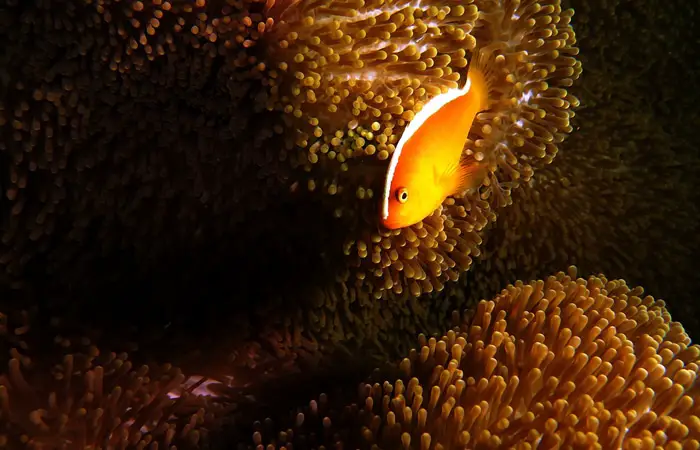
Fish in the habitat

Arguably the most important lesson of this episode is understanding that ecosystems are far more complex than figuring out which living things eat each other. Each part of an ecosystem affects all of the other parts. That’s why we have to be so careful when introducing plants or animals to new habitats – if the ecosystem isn’t ready to handle it, the whole thing could collapse.

A second lesson to focus on is how ecosystems can vary in size – and, in many cases, overlap each other. The Great Barrier Reef has its own ecosystem, but it’s part of the larger Pacific Ocean – and from there, it ultimately affects all life on the planet (even if the impact isn’t obvious).

Understanding biodiversity is critical to understanding biology as a whole. Life does not exist in a vacuum – not unless we put it there, anyway. Environments affect life and vice versa, and if you want to understand why something is the way it is, you have to look at the bigger picture.

2: Cells (S1 E17)

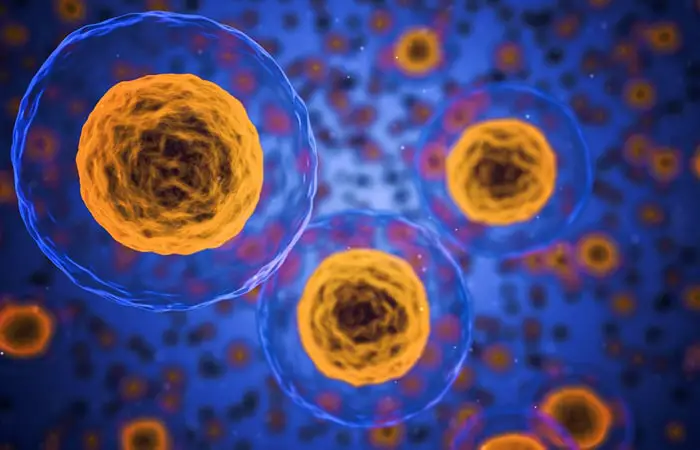
cells

Cells are a fundamental component of life – and even if you think you understand them, it’s good to get a refresher on the topic before you start your studies. The main reason for this is that when we say something “affects an organ”, what we mean is “it affects certain cells of the organ in a particular way”.

For example, if you want to understand why too much alcohol can hurt the liver, you need to look at its impact on the cells of the liver. If you want to heal that liver when you’re done, you have to figure out what will encourage the cells to do that. Cells are the ultimate “micro” topic in biology, making the Bill Nye cells video easily one of the most important episodes for biologists to watch.

3: Food Web (S2 E6)

It’s hard to talk about biology without eventually talking about food – but how things get their food is a little more complicated. Only watch this video after you’ve watched Biodiversity, because that video provides some important groundwork for this topic.

The short version is that a food web describes how each part of an ecosystem gets its food. Ultimately, each living thing gets food either from other living things (like insects, plants, or rodents) or from the sun. Every living creature is ultimately dependent on plants – who, let’s not forget, are often nourished by the uneaten bodies of dead creatures.

(If you’re having flashbacks to a certain Disney movie about a young lion, there’s a reason for that – the Circle of Life, where living things depend on each other, is quite real.) Watch Food Web

4: Plants (S3 E3)

Given how important plants are to the previous video, now’s a good time to get a refresher on what they are, how they work, and what sort of impact they have on our lives. The crazy thing is how plants can synthesize their own food as long as they have sunlight, water, and carbon dioxide – though healthy soil and a few other nutrients certainly help.

plant

Plants are also important for their impact on other aspects of Biology. For example, many medicines are made from plants or plant by-products and affect certain living things in specific ways. Once we understand how something works, we can start figuring out the best way to make use of it.

This is particularly helpful if you’re looking for a job with biology. Most of your work will likely involve seeing how various inputs (types of food, situations, etc.) affect living things, and plants will be a part of that. Studying life alone is a limited topic – but there are endless possibilities when studying the way things affect life.

5: Populations (S3 E19)

Populations are a group of similar living things living in a set area. We often refer to the population of the human race, but we may also talk about the population of a specific city, voting district, or another region.

sunset with population

In biology, the most important thing is understanding the populations of other living things, how they’ve changed over time, and what’s caused them to do so. As you learned in videos like Biodiversity and Food Web, living things all affect each other – and a sudden rise or drop in one population will ripple across the ecosystem and begin affecting other creatures.

There may not be as many fancy names or scientific terms here, but it’s still worth watching this video to ensure you have a good grasp of the fundamentals of biology.

6: Biology – Greatest Discoveries

Finally, Bill Nye’s Greatest Discoveries video on Biology rounds out the best videos on this topic with a look at 13 of the most important discoveries in biology. This includes a discussion on the discovery and impact of:

  • Microorganisms like bacteria, blood cells, and sperm
  • The Cell Nucleus that functions at the center point of most cells
  • Archaea, microorganisms that lack a cell nucleus but aren’t quite like bacteria
  • Cell Division, the process of growth and, in many ways, life itself
  • Sex Cells and how they differ from most other types of cells
  • Cell Differentiation and how different types of cells are made
  • Mitochondria, which are separate from cells but provide a critical function for metabolizing chemicals
  • The Krebs Cycle, which is how protein, fats, and sugars are turned into energy
  • Neurotransmission, which centralizes the body’s ability to control itself
  • Hormones, which are far more complicated than teenage urges
  • Photosynthesis, a process where light is turned into chemical energy
  • Ecosystems, a quick look back at larger ecological units
  • Tropical Biodiversity, or why warm and sunny places tend to have a much greater variety of life

Together, all of these are important for biologists to know.

The Best Overall Science Videos From Bill Nye

Whether or not you’re focused on biology, these videos are helpful for improving your overall understanding of science and are worth watching at any age.

1: Pseudoscience (S4 E9)

Many things that sound like science but aren’t. These things are often called pseudoscience, and learning how to recognize them is a valuable skill for any scientist. Fortunately, the entire topic can be brought down to a few simple principles.

First, science involves testing claims and ideas. If somebody says something can’t be tested, then it’s not within the realm of science and shouldn’t be treated as such. In those cases, it’s okay to say “perhaps we’ll never know for sure”.

Second, extraordinary claims require extraordinary proof. In other words, the more important your claim is, the more you need to support it with verifiable evidence. As the person making a claim, it is your job to provide corresponding proof. It is not the job of others to demonstrate that you’re right.

Furthermore, your results should be reproducible. Proper science only happens when someone tries to prove you wrong – fairly, of course – and fails to do so. If you repeat an experiment and keep getting results, you don’t have any answers – just more questions to ask.

Finally, you should learn critical thinking. This graphic is especially helpful for that and provides many questions that help you uncover the truth. For example, when presented with a claim, you may want to figure out who benefits from it, what the best/worst case scenarios of it are, where it might be a problem or solution, what might make it unacceptable, why people might need it, and how to approach it safely.

In many cases, purveyors of pseudoscience are simply looking to profit from your ignorance. As a scientist, it is your duty to see past things like that and uncover the truth. Watch Pseudoscience now.

2: Measurement (S5 E17)

Coming in as one of the last episodes ever aired, Measurement is something that honestly should have been one of the first videos they made. Measuring things is critical to the foundations of science as a whole. Proper measurements provide objective, verifiable information using a common set of standards, and it’s impossible to overstate how important this is.

There are a few important things to learn from this video, Measurement.

First, there are many ways of measuring things. You can measure units (members of a population), dimensions (the size of something), time (how long it takes something to happen), effects (what happens), and many other topics.

Second, you’ll learn why things should be measured. It’s not just to expand the amount of information we have, though that’s valuable in and of itself. Instead, measurements help us understand what’s different about two subjects so we can proceed to uncover why and how that difference occurred.

Taken far enough, this can lead to discoveries, such as finding that one person in a neighborhood didn’t get sick because they ate a particular herb.

Measurements are almost never a focus in and of themselves – but they’re a vital part of most scientific activities. If you want to be a scientist, then you’re almost certainly going to do a lot of measurements over the course of your career. That makes this innocent-sounding video one of the most helpful episodes of Bill Nye.