AP Lecture Guide 09 – Respiration – Glycolysis


AP Biology: Chapter 9


RESPIRATION — GLYCOLYSIS


1. Identify some specific processes the cell does with ATP. _____________________________

___________________________________________________________________________

___________________________________________________________________________

2. Explain why ATP is such a “high energy” molecule. __________________________________

___________________________________________________________________________

___________________________________________________________________________

3. Sketch the ATP cycle:


4. How does ATP “couple reactions”? ______________________________________________

___________________________________________________________________________

___________________________________________________________________________

5. What is the name of enzymes which phosphorylate molecules? ________________________

6. Define each of the following:

a. Oxidation _______________________________________________________________

________________________________________________________________________

b. Reduction _______________________________________________________________

________________________________________________________________________

7. What is the role of NAD+ & FAD+2 in respiration? ___________________________________

___________________________________________________________________________

___________________________________________________________________________

8. Explain why respiration is considered exergonic. ____________________________________

___________________________________________________________________________

___________________________________________________________________________

9. Glycolysis starts with _____________________ and produces _________________________

10. The Kreb’s cycle takes place in the: ______________________________________________

11. Pyruvate is converted to ___________________________________ before the Krebs cycle.

12. The Electron Transport Chain is located in the: _____________________________________

13. Describe the role of the Electron Transport Chain. What happens to the electrons and H+?

___________________________________________________________________________

___________________________________________________________________________

___________________________________________________________________________

14. What is chemiomosis and how is it generated?

___________________________________________________________________________

___________________________________________________________________________

___________________________________________________________________________

15. How does the mitochondrion generate ATP?

___________________________________________________________________________

___________________________________________________________________________

16. Label the diagram. Include: CO2, organic compounds, O2, H2O, respiration, photosynthesis, light, heat, ATP

23. Write the summary equation for cellular respiration:

___________________________________________________________________________

a. Where did the glucose come from? ___________________________________________

b. Where did the O2 come from? _______________________________________________

c. Where did the CO2 come from? ______________________________________________

d. Where did the H2O come from? ______________________________________________

e. Where did the ATP come from? ______________________________________________

f. What else is produced that is not listed in this equation? ___________________________

24. What was the evolutionary advantage of the proto-eukaryotes that engulfed aerobic bacteria

but did not digest them?

___________________________________________________________________________

___________________________________________________________________________

___________________________________________________________________________

25. Why do we eat? _____________________________________________________________

___________________________________________________________________________

___________________________________________________________________________

26. Why do we breathe? __________________________________________________________

___________________________________________________________________________

___________________________________________________________________________


17. What happens to most of the energy released during cell respiration? ___________________

___________________________________________________________________________

___________________________________________________________________________

18. Alcoholic fermentation converts glucose to ________________________________________

19. Alcoholic fermentation is utilized by what organisms? ________________________________

20. Lactic acid fermentation converts glucose to________________________________________

21. Lactic acid fermentation is utilized by what organisms? _______________________________

22. Identify examples of each of the following feedback mechanisms

a. Negative feedback ________________________________________________________

________________________________________________________________________

b. Positive feedback _________________________________________________________

________________________________________________________________________

AP Lecture Guide 14 – Mendel and The Gene Idea

AP Biology: CHAPTER 14

 MENDEL AND THE GENE IDEA

1. How does the “blending hypothesis” differ from the “particulate hypothesis” for the

transmission of traits?

__________________________________________________________________________

__________________________________________________________________________

2. List a few of the advantages of Mendel’s choice of the garden pea as a model organism.

__________________________________________________________________________

__________________________________________________________________________

__________________________________________________________________________

3. Use the diagram to label the generations: P, F1, F2, pure, hybrid, and make notes of Mendel’s observations.

5. Using the diagram in Question 3, describe how the Law of Segregation applies to the F1 and to the F2 generations.

__________________________________________________________________________

__________________________________________________________________________

6. When does the segregation of alleles occur? _____________________________________

7. What is the difference between an allele and a gene?

a. allele __________________________________________________________________

__________________________________________________________________________

b. gene __________________________________________________________________

__________________________________________________________________________

8. Briefly define the following terms:

a. homozygous ____________________________________________________________

b. heterozygous ___________________________________________________________

c. phenotype ______________________________________________________________

d. genotype _______________________________________________________________

9. What is the purpose of a test cross? ____________________________________________

__________________________________________________________________________

__________________________________________________________________________

10. When two traits are on different (non-homologous) chromosomes, how are they inherited?

__________________________________________________________________________

__________________________________________________________________________

a. Indicate the phenotypic ratios that result in the F2 from the F1 cross (dihybrid cross)

11. Use the rules of probability to determine the expected ratio of offspring showing two recessive traits in the trihybrid cross (PpYyRr X Ppyyrr).


12. Describe and give an example of incomplete dominance. ___________________________

__________________________________________________________________________

__________________________________________________________________________

13. How does codominance compare to incomplete dominance? ________________________

__________________________________________________________________________

__________________________________________________________________________

14. How is blood type an example of multiple alleles? _________________________________

__________________________________________________________________________

__________________________________________________________________________

15. Define and give an example of pleiotropy. _______________________________________

__________________________________________________________________________

16. Define and give an example of epistasis. ________________________________________

__________________________________________________________________________

17. What is observed when traits are polygenic? _____________________________________

__________________________________________________________________________

18. The expression of phenotypes is often a result of both… ____________________________

__________________________________________________________________________

19. Briefly describe each of the following genetic disorders:

a. Cystic fibrosis ___________________________________________________________

__________________________________________________________________________

b. Tay-Sachs _____________________________________________________________

__________________________________________________________________________

c. Sickle cell anemia _______________________________________________________

__________________________________________________________________________

d. Achondroplasia __________________________________________________________

__________________________________________________________________________

e. Huntington’s disease _____________________________________________________

__________________________________________________________________________

20. How can a parent learn the risks of having a child with a genetic disorder?

__________________________________________________________________________

AP Lecture Guide 12 – Cell Cycle


AP Biology: CHAPTER 12

CELL CYCLE


1. What is meant by the concept that cells go through a cell cycle?

__________________________________________________________________________

__________________________________________________________________________

2. What are the key roles of cell division?

__________________________________________________________________________

__________________________________________________________________________

3. What is the significance of chromosome replication?

__________________________________________________________________________

__________________________________________________________________________

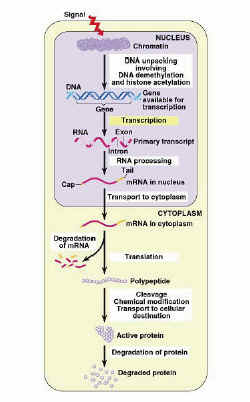
4. Sketch and label replicated chromosomes.


5. List the phases of the cell cycle with a brief description of what occurs in each phase.

a. _______________________________________________________________________

b. _______________________________________________________________________

c. _______________________________________________________________________

d. _______________________________________________________________________

e. _______________________________________________________________________


6. Label the stages and key features of each stage.

7. How does the spindle apparatus distribute chromosomes to the daughter cells?

__________________________________________________________________________

__________________________________________________________________________

8. What is the role of the kinetochores and the microtubules?

__________________________________________________________________________

__________________________________________________________________________

9. How does cytokinesis differ in animal and plant cells? Label the diagrams below.

__________________________________________________________________________

__________________________________________________________________________

__________________________________________________________________________

10. Eukatyotic mitosis is thought to have evolved from _________________________________

11. Why is the regulation of the cell cycle critical to normal cells?

__________________________________________________________________________

__________________________________________________________________________

12. What is the G1 checkpoint and where does it fit into the cycle?

__________________________________________________________________________

__________________________________________________________________________

13. What evidence is there that regulation is chemical in nature?

__________________________________________________________________________

__________________________________________________________________________

__________________________________________________________________________

14. Identify the role of the following in the cell cycle clock:

a. Kinase _________________________________________________________________

__________________________________________________________________________

b. Cyclin _________________________________________________________________

__________________________________________________________________________

c. CDKs _________________________________________________________________

__________________________________________________________________________

15. Describe the mechanism for regulating the passage of the cell into anaphase.

__________________________________________________________________________

__________________________________________________________________________

16. Describe what triggers mitosis from G2.

__________________________________________________________________________

__________________________________________________________________________

17. What is the role of ubiquitin?

__________________________________________________________________________

__________________________________________________________________________

__________________________________________________________________________

18. Describe a model for an external signal for growth.

__________________________________________________________________________

__________________________________________________________________________

__________________________________________________________________________

19. What happens when cancer develops?

__________________________________________________________________________

__________________________________________________________________________

__________________________________________________________________________

__________________________________________________________________________

20. What is the role of p53?

__________________________________________________________________________

__________________________________________________________________________

__________________________________________________________________________


AP Lecture Guide 20 – DNA Technology

AP Biology: Chapter 20

DNA TECHNOLOGY

1. Define biotechnology.

__________________________________________________________________________

__________________________________________________________________________

2. What is meant by “recombinant DNA technology?”

__________________________________________________________________________

__________________________________________________________________________

3. List some of the organisms we have been modifying for many hundreds of years.

__________________________________________________________________________

__________________________________________________________________________

4. Why are bacteria ideal workhorses for biotechnology?

__________________________________________________________________________

__________________________________________________________________________

5. What are other organisms used in biotechnology?

__________________________________________________________________________

__________________________________________________________________________

6. How does gene cloning differ from human cloning?

__________________________________________________________________________

__________________________________________________________________________

__________________________________________________________________________

7. Why is DNA cloning considered an important technology?

__________________________________________________________________________

__________________________________________________________________________

8. What are plasmids?

__________________________________________________________________________

__________________________________________________________________________

9. What is the function of restriction enzymes in bacteria?

__________________________________________________________________________

__________________________________________________________________________

10. How do bacteria protect their DNA from the effects of the restriction enzymes?

__________________________________________________________________________

__________________________________________________________________________

11. How do biologists make use of restriction enzymes?

__________________________________________________________________________

__________________________________________________________________________

12. What is a genomic library?

__________________________________________________________________________

__________________________________________________________________________

13. How is cDNA different from typical eukaryote DNA?

__________________________________________________________________________

__________________________________________________________________________

14. Describe the steps involved in cloning a gene.


15. How can transformed bacteria that carry genes of interest be identified and isolated from the majority of non-transformed bacteria?

__________________________________________________________________________

__________________________________________________________________________

__________________________________________________________________________

16. What can be accomplished with Nucleic Acid Hybridization?

__________________________________________________________________________

__________________________________________________________________________

__________________________________________________________________________

17. What is the purpose of the Polymerase Chain Reaction?

__________________________________________________________________________

__________________________________________________________________________

18. List some advantages & uses of the PCR technique.

__________________________________________________________________________

__________________________________________________________________________

__________________________________________________________________________

19. How are DNA fragments of different sizes separated?

__________________________________________________________________________

__________________________________________________________________________

20. What is a RFLP? How are they made?

__________________________________________________________________________

__________________________________________________________________________

__________________________________________________________________________

__________________________________________________________________________

21. What does the technique of Southern Blotting accomplish?

__________________________________________________________________________

__________________________________________________________________________

22. What are some other techniques that build on the Southern Blotting technique?

__________________________________________________________________________

__________________________________________________________________________

23. What was the goal of the Human Genome Project?

__________________________________________________________________________

__________________________________________________________________________

__________________________________________________________________________

24. List some of the most important things we learned by completing the Human Genome Project.

__________________________________________________________________________

__________________________________________________________________________

25. What is the Sanger Sequencing Method used for?

__________________________________________________________________________

__________________________________________________________________________

26. How does the shot-gun approach differ from the whole-genome sequencing?

__________________________________________________________________________

__________________________________________________________________________

__________________________________________________________________________

27. In the future, DNA chips may be used for regular diagnostics. What do the florescent spots indicate when the chip is read?

__________________________________________________________________________

__________________________________________________________________________

28. How can DNA technology be used to diagnose a carrier of a genetic disorder?

__________________________________________________________________________

__________________________________________________________________________

29. What is the goal of gene therapy?

__________________________________________________________________________

__________________________________________________________________________

30. How has forensics made use of DNA technology? Give a specific example.

__________________________________________________________________________

__________________________________________________________________________

__________________________________________________________________________

31. What is currently used by the FBI to do a DNA fingerprint in a criminal investigation?

__________________________________________________________________________

__________________________________________________________________________

__________________________________________________________________________

32. What technique has been used to modify agricultural plants?

__________________________________________________________________________

__________________________________________________________________________

33. List a few of the traits that have been engineered into agricultural plants? Could any of these

pose an environmental threat?

__________________________________________________________________________

__________________________________________________________________________

__________________________________________________________________________

AP Lecture Guide 05A – Macromolecules


AP Biology: CHAPTER 5A

MACROMOLECULES


1. Define the following:

a. monomer _______________________________________________________________

___________________________________________________________________________

b. polymer _________________________________________________________________

___________________________________________________________________________

c. condensation reaction _____________________________________________________

___________________________________________________________________________

d. hydrolysis _______________________________________________________________

___________________________________________________________________________

2. Which foods do you think will enter the blood the quickest? Why?

___________________________________________________________________________

___________________________________________________________________________

3. What are the general roles of carbohydrates? ______________________________________

___________________________________________________________________________

___________________________________________________________________________

4. List some monosaccharides with their molecular formulas.

___________________________________________________________________________

___________________________________________________________________________

5. Double sugars are called ______________________________________________________

6. List the monosaccharides that form each:

a. maltose _________________________________________________________________

b. sucrose _________________________________________________________________

c. lactose __________________________________________________________________

6. Polymers of sugars form _______________________________________________________

7. Which forms of polysaccharide is best for each function:

a. Strength of structure _______________________________________________________

b. Storage and sugar release __________________________________________________

c. What theme is this addressing? ______________________________________________

8. How does the alpha differ from the beta form of glucose and why is it significant to animals?

___________________________________________________________________________

___________________________________________________________________________

9. How do the role and structure of the following polysaccharides compare?

a. starch___________________________________________________________________

b. glycogen ________________________________________________________________

c. cellulose_________________________________________________________________

10. Ninety percent of Asians, 75% of African-Americans, and a much smaller percent of

northern Europeans are lactose intolerant. Why do you suppose we see this pattern?

___________________________________________________________________________

___________________________________________________________________________

___________________________________________________________________________