How Do NAD+ Injections Compare With Oral NAD+ Supplements?

This article is for educational purposes only and is not medical advice. Talk to a licensed healthcare provider before starting, stopping, or changing any treatment.

NAD+ supplementation comes in more than one form, and the differences go beyond how you take it. Oral supplements commonly use compounds that the body can use to produce NAD+, while injectable formulations deliver NAD+ through routes such as intravenous or subcutaneous administration.

Human research remains limited, particularly for injectable NAD+. This article compares the formats, looks at what small human studies have measured so far, and explains some of the questions to discuss with a licensed healthcare provider.

How NAD+ Injections Are Given

NAD+ can be administered through different routes depending on the formulation and clinical setting. Intravenous NAD+ is delivered directly into a vein, while some compounded formulations are administered as subcutaneous injections.

IV infusions are performed in a clinical setting and can take considerably longer than a standard injection. Infusion rates may need to be adjusted when patients experience discomfort during administration.

Subcutaneous injections are given into the fatty tissue beneath the skin. For example, The HCG Institute’s NAD+ 1000mg injections are a compounded subcutaneous formulation provided following medical review and used according to the prescribing provider’s instructions.

The appropriate route, dose, and schedule depend on the specific formulation and the provider’s assessment of the individual patient.

Oral NAD+ Supplements and NAD+ Precursors

Many oral products marketed for NAD+ support use precursor molecules rather than NAD+ itself. Two commonly studied precursors are nicotinamide mononucleotide (NMN) and nicotinamide riboside (NR).

These compounds participate in biological pathways the body uses to produce NAD+.

NAD+, or nicotinamide adenine dinucleotide, is a naturally occurring coenzyme involved in cellular metabolism. It participates in oxidation-reduction reactions involved in energy metabolism and also serves as a substrate for enzymes including sirtuins, poly(ADP-ribose) polymerases, and CD38.

Because oral precursors and injectable NAD+ use different routes and formulations, research involving one should not automatically be used to draw conclusions about the other.

What Human Studies Have Measured

Human research on NAD+ supplementation and its precursors remains relatively limited. Studies have examined outcomes including blood NAD+ concentrations and short-term tolerability, but these measurements should not be interpreted as evidence that a product produces a particular clinical benefit.

Oral NMN: Blood NAD+ Levels and Short-Term Tolerability

A randomized placebo-controlled study by Okabe and colleagues evaluated 250 mg of oral NMN daily for 12 weeks in healthy adults. The researchers reported an increase in whole-blood NAD+ concentrations in the NMN group. No obvious adverse effects or significant abnormalities in the physiological and laboratory measures evaluated during the study were reported.

A separate randomized trial by Yi and colleagues included 80 healthy middle-aged adults assigned to placebo or different daily NMN doses for 60 days. Blood NAD+ concentrations increased in the NMN groups compared with placebo and baseline. The researchers reported no safety issues based on the adverse-event, laboratory, and clinical measures evaluated during the study.

Igarashi and colleagues also studied oral NMN supplementation in healthy older men. Participants received 250 mg per day for up to 12 weeks. The researchers reported increased whole-blood NAD+ and related metabolite concentrations, while NMN was generally well tolerated during the study period.

These studies were relatively small and short-term. Their findings should therefore not be interpreted as establishing long-term safety or a particular health outcome.

IV NAD+: Findings From a Small Clinical Review

Human evidence involving direct IV NAD+ administration is more limited.

A 2026 retrospective study by Reyna and colleagues reviewed medical records from clients at a commercial wellness clinic who received four consecutive daily 500 mg IV NAD+ infusions or IV nicotinamide riboside.

Participants receiving IV NAD+ reported gastrointestinal symptoms, increased heart rate, and chest pressure during infusions. The researchers also evaluated laboratory markers related to liver, kidney, inflammatory, thyroid, and metabolic function over the study period.

This study has important limitations. It was retrospective, involved a small clinical sample, was conducted in a commercial setting, and was not a randomized placebo-controlled trial. Its findings also involved intravenous NAD+ specifically.

They should not be assumed to describe the tolerability or safety of subcutaneous NAD+ injections, which use a different route of administration.

What These Studies Do Not Show

An increase in blood NAD+ is a laboratory finding. By itself, it does not establish that supplementation will produce a particular health benefit.

The oral NMN studies described above followed participants for only a limited period, so they do not establish long-term safety.

The available IV study likewise does not establish the long-term safety or effectiveness of NAD+ infusions.

Results involving oral NMN also cannot automatically be applied to injectable NAD+, and findings involving IV NAD+ cannot automatically be applied to subcutaneous formulations.

These distinctions are important when interpreting the existing research.

Safety and Side Effects

Safety considerations can vary according to the specific product, dose, formulation, route of administration, medical history, and other medications or supplements a person uses.

In the oral NMN trials discussed above, participants were generally healthy adults followed for approximately two to three months. The studies reported that NMN was generally well tolerated during those study periods. These findings do not establish safety for longer-term use or for people with different health conditions.

The retrospective IV NAD+ study reported symptoms during administration including gastrointestinal discomfort, increased heart rate, and chest pressure. Because these findings came from IV administration, they should not automatically be attributed to subcutaneous NAD+ injections.

Subcutaneous injections can also cause local injection-site reactions such as discomfort, redness, or irritation.

People who are pregnant or breastfeeding, are undergoing treatment for cancer, have a history of cancer, have significant liver or kidney problems, or have other serious medical conditions should discuss NAD+ supplementation with an appropriate healthcare provider before considering it.

Anyone considering NAD+ should also tell their provider about current medications and supplements so the provider can evaluate the treatment in the context of their overall health.

How to Compare NAD+ Injections and Oral Supplements

The route of administration is only one part of the comparison.

Oral NMN and NR products are generally taken at home as supplements. Injectable NAD+ products may involve medical review, prescribing oversight, and specific administration instructions depending on the formulation.

Other practical considerations include:

  • Route of administration
  • Frequency of use
  • Provider oversight
  • Convenience
  • Cost
  • Individual medical history
  • Current medications and supplements
  • How much human evidence exists for the specific formulation being considered

Research on one NAD+ precursor, dose, or administration route should not be treated as evidence for every other NAD+ product.

A healthcare provider can help determine whether a particular option is appropriate based on the person’s health history and the characteristics of the specific formulation.

Conclusion

NAD+ injections and oral NAD+ supplements differ substantially in formulation and route of administration.

Small human trials have found that oral NMN can increase whole-blood NAD+ concentrations over periods of several weeks. A small retrospective study has also documented tolerability observations during IV NAD+ administration. However, these findings do not establish that either approach produces specific health outcomes, and long-term human safety data remain limited.

Research involving oral NMN should not automatically be applied to injectable NAD+, and IV findings should not automatically be applied to subcutaneous injections.

If you’re considering NAD+ in any form, discuss the specific formulation, potential risks, available evidence, and your medical history with a licensed healthcare provider before starting treatment.

References

  1. Okabe K, et al. (2022). Oral Administration of Nicotinamide Mononucleotide Is Safe and Efficiently Increases Blood Nicotinamide Adenine Dinucleotide Levels in Healthy Subjects. Frontiers in Nutrition. PMID: 35479740.
  2. Yi L, et al. (2023). The efficacy and safety of β-nicotinamide mononucleotide (NMN) supplementation in healthy middle-aged adults: a randomized, multicenter, double-blind, placebo-controlled, parallel-group, dose-dependent clinical trial. GeroScience. 45(1):29–43. DOI: 10.1007/s11357-022-00705-1. PMID: 36482258.
  3. Igarashi M, et al. (2022). Chronic nicotinamide mononucleotide supplementation elevates blood nicotinamide adenine dinucleotide levels and alters muscle function in healthy older men. npj Aging. 8(1):5. DOI: 10.1038/s41514-022-00084-z. PMID: 35927255.
  4. Reyna K, et al. (2026). Intravenous infusion of nicotinamide adenine dinucleotide (NAD+) versus nicotinamide riboside (NR): a retrospective tolerability pilot study in a real-world setting. Frontiers in Aging. 7:1652582. DOI: 10.3389/fragi.2026.1652582. PMID: 41704678.



What Does New Research Say About Slowing the Aging Process?

As we age, our bodies change significantly. Some of the effects of aging are quite apparent. For many, the skin loses its elasticity, the hair begins to turn gray, and mobility becomes much more challenging. It comes as no surprise that many people are looking for ways to slow and reverse the process of getting older.

But what does new research say about slowing the aging process? Is it possible? And to what degree does slowing the aging process affect the typical quality of life? In this article, we’ll look at what scientists have discovered so far in hopes of shining some light on the inevitable process of getting older.

Slowing the Aging Process

Slowing the Aging Process
Photo credit to AskMen

Over the past few years, there have been more than a few studies on slowing down and even reversing the aging process.  With age often comes disease and scientists are eager to cut down on the painful and expensive plights of old age. Recently a few different methods have shown promising success regarding the pace of aging.

Why We Age

Why We Age
Photo credit to EarthSky

To understand how researchers suggest we can slow the process of aging, one must first understand why we age, to begin with. Over the last thirty years or so, technological advances have allowed scientists to take a closer look at why we age.

In general, scientists now know that aging is controlled by genetic factors and biological process that occur naturally in the human body. More specifically, aging occurs because of the following reasons:

  • Telomere Shortening
  • Genome Damage
  • Mitochondrial Dysfunction
  • Non-Genetic Factors
  • Unfolded Protein Build-Up
  • Stem Cell Exhaustion
  • Cellular Deterioration

Slowing Down the Aging Process

Slowing Down the Aging Process
Photo credit to Healthy Lifestyles Living

But what does new research say about slowing the aging process? A continuously growing body of research has revealed that a few different techniques can be used to slow down or reverse the process of getting older. These techniques include but are not necessarily limited to the following:

  • Intermittent Fasting
  • Stress Management
  • Meditation
  • Regular Exercise
  • Positive Mental Attitude
  • Eating Healthy

What Does the Research Say?

Delving further into what scientists have to say about slowing the aging process, below we will discuss each of the age-slowing methods mentioned above. To keep things well-organized, we’ll start off with the most recent research and go from there.

Regular Exercise

Regular Exercise Slowing Down the Aging Process
Photo credit to Earth.com

Multiple recent studies have been conducted to establish any potential connection between regular exercise and longevity. In 2018, researchers confirmed that regular activity continued through the entire lifespan can decrease the chance of muscle decline in old age. Compared to their sedentary counterparts, active seniors were shown to have less age-related muscle deterioration.

Besides, regular exercise has been shown to promote the body’s immune system. A typical side effect of aging is reduced thymus size and an inability to stave off disease. Researchers found that regular cycling can cause the immune system to behave in a more “youthful” manner regarding white blood cell activity.

As a final note on regular exercise, researchers in 2017 found that vigorous activity can both promote mitochondrial capacity and increased telomere length. These two factors are essential when considering the process of aging, and both indicate that regular exercise is an excellent way to decrease the speed of getting older.

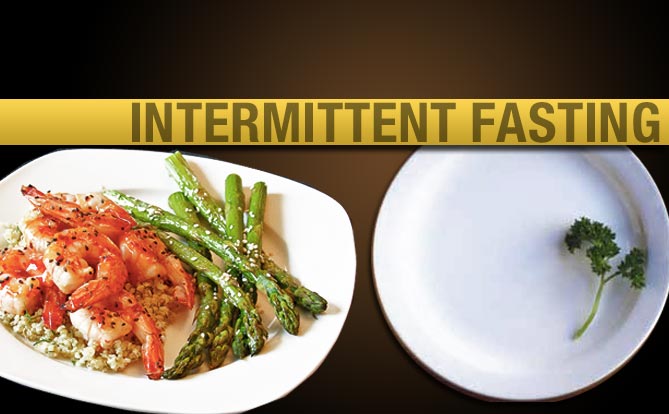
Intermittent Fasting

Intermittent Fasting
Photo credit to fitt-trend.blog.hu

Intermittent fasting has become somewhat trendy in the diet world lately, and for a good reason. In addition to stunning weight-loss related results, a study published in late 2017 suggests that the same technique could be a critical component to extending lifespan and slowing the aging process.

This study, published by Harvard researchers in October 2017 provides useful insight into the way that cells process energy over time. Researchers in this study used nematode worms to investigate the state of mitochondrial networks across the lifespan of the organisms.

Researchers used two techniques to mimic the process of intermittent fasting in their test subjects. The first involved merely restricting diet, while the second method used manipulation of a specific “energy-sensing” protein (AMPK). Both processes showed that intermittent diet restriction has a significant impact on mitochondrial networks.

In both types of dietary restriction, researchers noted that mitochondrial networks maintained a certain “youthfulness” in that they retained their fused state. This fused state promoted communications between the mitochondria and other organelles that modulate fat metabolism.

While this is indeed not the first study to show that intermittent fasting can accommodate graceful aging, it is a pivotal step in understanding why this technique can reduce the pace of getting older.

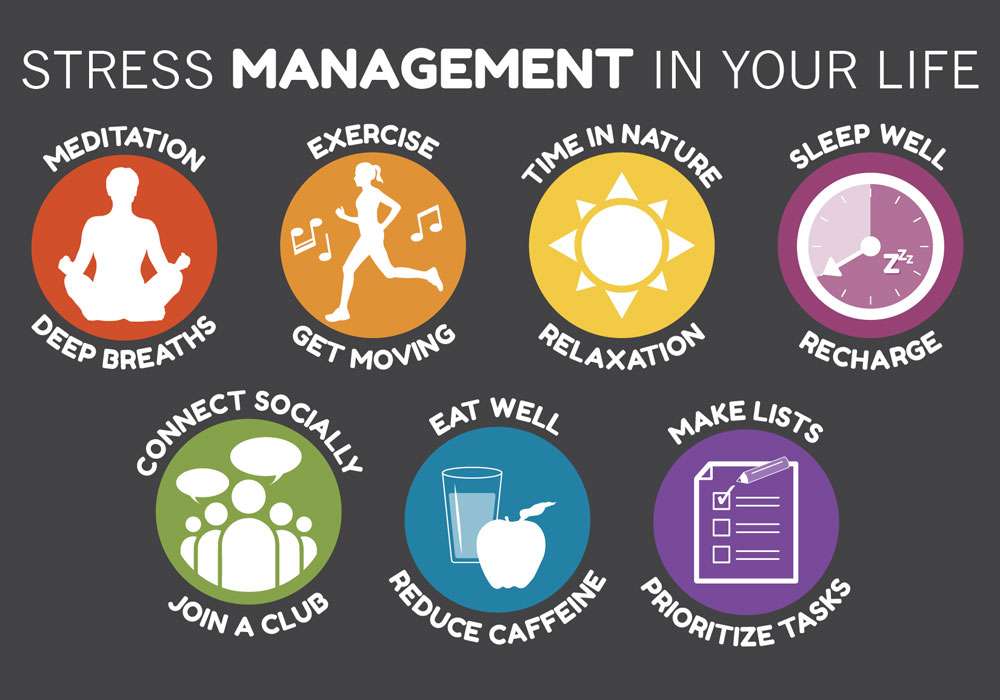
Stress Management

7 Stress Management Tips
Photo credit to Lachina

Stress has long been known to contribute to certain diseases such as increased blood pressure and depression. Recent research has revealed even more evidence that chronic stress is unhealthy. In particular, researchers at the University of California, San Francisco have discovered a link in constant pressure and decreased levels of klotho.

Klotho has been recognized as a link in the mysteries of aging for quite some time. Previous studies have indicated that increased levels of klotho subsequently increase lifespan in different types of animals. However, this study from 2015 is the first to present a potential link between chronic stress and significantly decreased levels of klotho.

Dipping in a little further, it becomes apparent that proper stress management is crucial to increasing overall lifespan. By mitigating stress, it is possible that klotho levels will rise and subsequently lead to a slower aging process and a longer life.

Positive Mindset

It’s always a good idea to maintain a positive mindset, but as it turns out this concept is even more crucial when considering the process of aging. This study, published in 2016, shows a critical connection between how we think about aging compared to how we age.

Researchers showed that keeping a positive mindset about aging compared favorably against mindsets that embraced the difficulties of old age. In other words, people who believed that aging would bring with it poor memory and high blood pressure would develop these ailments more readily than those who did not believe in the inevitability of a shortened old age.

This study speaks volumes to the power of a positive mindset and the ability to slow the aging process by reducing stress. Because the mind is our most powerful tool for reducing our stress, and subsequently increasing telomere longevity, it is entirely crucial to engage in activities that will promote healthy cognitive function.

Meditation

Meditation Stress Management
Photo credit to vix.com

In this 2013 study of yogic meditation, researchers identified a definite link between brief daily meditation practice and an increase of telomerase activity. Also, those participating in a regular meditation practice saw a significant decrease in depressive symptoms and an increase in cognitive function.

The combined cognitive benefits and increased telomerase activity suggest that including a regular meditation practice can have incredible benefits on lifespan. As mentioned above, high-stress levels can contribute to premature aging in numerous ways. By increasing telomerase activity with meditation, cellular aging is slowed down.

By improving the daily lives of those who practice regular meditation, it can be presumed that reflection will positively contribute to the slowing of the aging process. Decreased depressive symptoms eliminate unnecessary stress and subsequently promote healthy and slow going aging.

Eating Healthy

Eating Healthy
Photo credit to Natural Society

It may come as no surprise that in addition to reducing stress and exercising regularly, eating healthy can promote a decrease in the pace of aging. Studies as recent as 2015 have continued to support healthy diet as a critical component to a long and healthy life.

Most recently, researchers have turned their focus to specific bioactive compounds that can slow down the aging of cells in the body. These compounds are typically found in fruits and vegetables and certain other foods like cacao and tea.

In previous research, scientists noted the benefits of consuming bioactive compounds for compromised populations. Recently it has been discovered that the same benefits are available to healthy adults as well. If you fuel your body with nutrient-dense foods, your cells will function well and resist the typical strains of old age.

So, what does new research say about slowing the aging process? Further research concerning the aging process mirrors what scientists have known for years. A healthy lifestyle is crucial for a long life.

While today’s studies are increasingly sophisticated in design, researchers are merely opening doors to understanding why health and longevity are so closely intertwined. In addition to the methods of promoting cellular survival mentioned above, it is important to note that genetics and social factors also impact how long we live.

In areas of the world that have the most substantial numbers of nonagenarians and centenarians, communities are thriving. These cultures enjoy all of the benefits listed above as a community and as such residents tend to live longer.

As technology continues to develop, we will undoubtedly discover more in-depth explanations regarding the process of aging. Accordingly, it is likely that we will reveal new methods to extend the lifespan of cells and further slow the aging process.