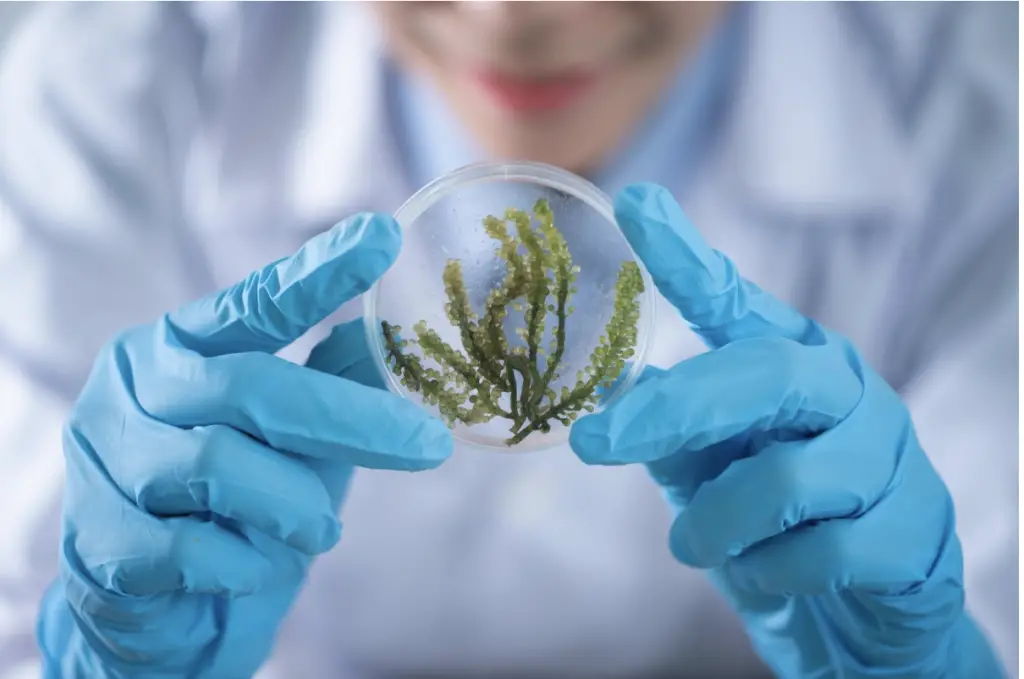
Become A Marine Biologist- Pros And Cons

What actually Is an Oceanographic Marine Biologist?

They may be considered ocean life research scientists who philosophize over the scientific frameworks of the marine environment. From their research, they engage actively in conservation efforts aimed at mitigating the effects of climate change on oceanic animals and considering the extent of their contribution toward marine environments. In short, if you are a creature of the ocean or have a buzz over life to include that inhabits it, you should think about marine biology.

To most of the aspiring Marine Biologists, there will be an association that deserves a university degree. One must research their preference; interest in going into varied aspects of nature and natural science. Other traits that complement character inclination could include physical endurance, attentiveness, good memory, logical eccentricities knotted in between.

Marrying other people engaged in marine biology with whom biologists can work is cumbersome but rewarding for both parties: they can all help each other in their growth, helping to widen the scope for developing career channels. Worthy organizations that can revel in affiliations with Marine Biologists include: 

• American Association for the Advancement of Science; 

• American Fisheries Society; 

• Association of Limnology and Oceanography – Sciences; 

• Marine Technology Society; 

• Society of Oceanography. 

What Can A Marine Biologist Degree Do?


A marine biologist is a professional scientist specializing in the study of varied types of marine organisms within the ocean habitat. Varied ocean habitat can be easily surprising-a fish and corals to plants like kelp and seagrass-algae and other microorganisms. Marine biologists undergo years of education and training owing to the very comprehensive understanding required to carryout investigations of all marine life before any conclusion may be reported.

More specific duties will vary according to the nature of your specialty and may involve:

• Collecting and studying marine specimens;

• Managing research projects related to ocean life;

• Reporting the results of research to the public and scientific community; 

• Conducting laboratory works and evaluating data;

• Comparing data to build theories and support research;

• Advancing conservation efforts through marine biology education.

The marine biology salary depends on many factors. These include education levels, specialties, work experience in the given field, and even location. As per the information from the Bureau of Labor Statistics, the national average salary for all zoologists and wildlife biologists is about $64,650 annually. According to the BLS, there will be no change in employment opportunities for this occupational group through 2031. 

The Best Universities That Offer Degrees in Marine Biology

Northeastern University (NEU)

It is a private American university based in Boston which is renowned worldwide. NEU offers proper education which engages to build a budding career. Graduates walk away with good resumes and great networking. NEU applies many practical learning methods (catch-up with study and part-time jobs, internships, university projects, lab work, etc.), this practical exposure becomes a great advantage when competing with NEU for labor jobs. Interesting facts about the University include: 

• A global university with 13 campuses in the world 

• 10 campuses taking international students 

• There are more than 3,350 employer partners across independent countries 

• A significant international student community; an impressive 330,000 plus graduates in 181 countries 

• NEU shares the highest category of US research universities-R1 which indicates extremely high research activities and a well setup-quality infrastructure. The university has 60 research institutions and centers.

The university also operates its semiaquatic center, which can be of interest to future marine biologists.

Ontario Tech University

University programs are designed with regard to a specified career beginning in every area of the university. The students complete theoretical work in a hands-on manner, training the skills and involvement with technologies to offer a competitive edge to them. Thus, because of the range of experiential learning constituting 100% of the curriculum, successful candidates will hone the very qualities attractive to employers: teamwork in developing projects, co-op learning, internships, entrepreneurial work, work practice, scientific research, independent study, and work on their bachelor’s theses. Students receive access to more than 300 professional and community partners. Hence, the last Ontario Tech graduates’ overall employability is one of the highest. 

California State University Sacramento

California State University Sacramento includes a wide range of bachelor’s and master’s degree programs to cater for various fields. The university programs help students acquire the right information, skills, and experience needed to succeed in today’s highly competitive global labor market. The university has committed and well-qualified teachers who love teaching and act as mentors. Since the class sizes are small and the teachers teach interactively, the teacher is able to give personal attention and support to each student. In this way, every student receives the mentorship necessary to achieve his or her goals.

 James Cook University

JCU bastions students, faculties, and researchers alike situated within the surrounding beauty of one of the most beautiful regions in the world-the lush green rainforests of Far North Queensland to the marine diversity of the Great Barrier Reef (UNESCO World Heritage Sites), with great expanses of the barren uninhabited lands of Australia being enwrapped close behind. This University features research that is of the highest quality and highest socioeconomic value, especially in areas of importance to the tropics. At the moment, USC ranks within 38 fields of research at or above world level. That includes the 40th world ranking in the field of ecology and among the leading 100 worldwide in the field of mining and industrial processes.

The Institute contains many highly regarded research centers: the Australian Institute of Tropical Medicine and Public Health, the Coral Reefs Centre (the “Quality Centre” of the Australian Scientific Council), the Cairns Institute, and so on. They deal with fauna and flora, coral reefs, the environment and ecology, tropical medicine and health care in the tropics, geosciences and tourism; their research is widely known in the world.

Bangor University

Bangor University was founded in 1884 and soon established itself as an international center of education and research. Nestled in beautiful North Wales, students lead interesting and outdoorsy lives at Bangor. It offers programs in diverse fields including the North Wales Medical School; the new and modern facilities there enable medical professionals of various specialties to be trained. The university provides oceanographic education, and has also a research vessel “Prince Madog”.

Conclusion

With no specific certificate required for becoming a marine biologist after graduating, many still believe obtaining related certifications will help them get that job. For example, if you plan to work in this field, it would be good to obtain a diving certificate for open water. Perhaps you will also need your local boat master’s certification for work in your area, so be sure to check in with local public authorities to find out if you need a license or certificate to work on the water.

With so many educational facilities providing marine biology programs, it is important for aspiring scholars to view several factors before choosing which program of study works best for them. The fields encompass a selection of programs, review the classes outlined to be taken, probe the costs likely to be incurred through marine biology college, and inquire whether it lies in proximity to one’s desired living arrangements or future employment base. You can also look into the places you plan to apply and see how high the demand for marine biologists in the areas is expected to be.  

How to Prepare for Nursing School?


Nursing is one of the most rewarding careers, combining compassion with critical skills to make a real difference in people’s lives. With the demand for nurses expected to grow significantly over the next decade, many aspiring students are eager to enter this noble profession. Yet, the road to becoming a nurse can feel overwhelming, especially when preparing for the rigors of nursing school. Whether you’re making a career shift or pursuing nursing right after college, preparation is the key to success. By understanding what to expect and developing the right strategies, you can set yourself up to thrive in nursing school and beyond.

Understand the Demands of Nursing Programs

Nursing programs, especially an ABSN program, are rigorous and fast-paced. It’s important to know what lies ahead to prepare effectively. Unlike traditional nursing programs that take four years, ABSN programs require a significant time commitment over a shorter period, typically between 11 and 18 months.

This means you’ll need to be ready for full-time coursework, clinical rotations, and long hours of study each day. The workload might feel intense, but knowing what to expect can help you mentally prepare. Talk to current or former students to gain insights into the daily realities of nursing school. Understanding the challenges upfront will make them less daunting when you begin your journey.

Choose a Program That Fits Your Needs

Selecting the right nursing program is critical to your success. Look for a program that aligns with your goals and provides the support you need. Some programs go beyond just teaching and include services like NCLEX licensure preparation and clinical placement assistance.

For example, clinical rotations are a key part of nursing education. These hands-on experiences teach you to apply what you’ve learned in real-world healthcare settings. Programs that help students secure high-quality clinical placements can reduce the stress of finding a preceptor on your own. Additionally, check NCLEX pass rates for the schools you’re considering. A strong pass rate indicates that a program effectively prepares its students for licensure.

Build a Reliable Support Network

Nursing school is challenging, but having a strong support system can make all the difference. Your family, friends, and peers can provide encouragement during stressful times. Faculty and student advisors also play a key role in guiding you through the program.

Many nursing schools offer dedicated student success advisors who work closely with students to help them navigate coursework, clinical schedules, and personal challenges. Developing strong relationships with your instructors is equally important. They can offer valuable insights and mentorship, helping you grow both academically and professionally.

Adopt Smart Study Habits Early

Success in nursing school often depends on how effectively you study. The fast pace of ABSN programs means you need to stay organized and manage your time wisely. Instead of cramming for exams, aim to study consistently every day. Breaking down large topics into smaller sections can make learning more manageable.

Joining a study group can also help. Collaborating with peers allows you to share knowledge, clarify complex concepts, and stay motivated. While group study is useful, remember to set aside individual study time to focus on areas where you need extra practice. Nursing school requires discipline, but with the right habits, you can stay ahead of the curve.

Master Time Management for Success

Time management is a critical skill for nursing students, particularly in accelerated programs. With long hours dedicated to lectures, clinical rotations, and self-study, it’s essential to create a structured schedule. Start by identifying your most productive hours of the day and plan your tasks around them.

Use tools like digital calendars or time-tracking apps to stay on top of assignments and deadlines. Break larger tasks into smaller, more manageable parts to avoid feeling overwhelmed. By setting realistic goals and sticking to a routine, you can effectively balance academics with personal responsibilities. Good time management not only reduces stress but also ensures you stay focused and on track throughout the program.

Prepare Financially for Nursing School

Financial planning is an important step in preparing for nursing school. Tuition, books, and clinical supplies can add up quickly, so it’s essential to budget and explore funding options. Start by researching scholarships and grants specifically for nursing students. Many organizations offer financial assistance to support those entering the field.

If you’re considering student loans, ensure you understand the terms and repayment options. Create a detailed budget to manage your living expenses while in school. Include costs for transportation, meals, and any unexpected expenses. Financial preparedness will allow you to focus on your studies without the added stress of monetary concerns.

Focus on Your Physical and Mental Well-Being

Maintaining your health is crucial for success in nursing school. The demands of the program can take a toll on your physical and mental well-being if you don’t prioritize self-care. Start by establishing a consistent routine that includes a balanced diet, regular exercise, and sufficient sleep.

Incorporate activities that help reduce stress, such as mindfulness or yoga. Spending time with loved ones or engaging in hobbies can also improve your emotional health. Don’t hesitate to seek professional support if you’re feeling overwhelmed. Taking care of yourself ensures you have the energy and resilience needed to handle the challenges of nursing school.

Embrace the Journey with a Positive Mindset

A positive attitude can make all the difference during your nursing school journey. Challenges are inevitable, but viewing them as opportunities to grow will help you stay motivated. Celebrate small achievements along the way, such as mastering a difficult topic or completing a clinical rotation.

Surround yourself with supportive individuals who encourage and inspire you. Focus on your long-term goal of becoming a nurse and the impact you’ll have on patients’ lives. By cultivating a growth mindset, you’ll be better equipped to navigate obstacles and maintain your enthusiasm throughout the program.

Preparing for nursing school requires dedication, planning, and resilience, but the effort is well worth it. By clarifying your goals, choosing the right program, and building strong study habits, you can set a solid foundation for success. Managing your time effectively and prioritizing self-care will ensure you stay focused and healthy throughout the journey.

Remember that challenges are part of the process, but with the right mindset, you can overcome them and thrive. As you embark on this transformative path, know that your preparation today will shape the compassionate and skilled nurse you’ll become tomorrow.

8 Ways to Nurture Your Child’s Mental Health


Mental health is a vital aspect of a child’s overall well-being. Just as you prioritize your child’s physical health with nutritious meals and regular exercise, their mental health deserves equal attention. A child with a strong mental foundation grows into a more resilient, confident, and emotionally healthy adult. Mental health influences how children cope with challenges, build relationships, and navigate their academic and social environments. By taking proactive steps to nurture your child’s mental health, you can help them develop the tools they need to handle life’s ups and downs. Even small, consistent efforts can make a significant difference. Here are eight practical ways to support your child’s mental health, starting with creating a safe and supportive environment.

1. Create a Safe and Supportive Environment

A secure and nurturing home is crucial for a child’s mental health. Children need to feel loved, accepted, and safe to thrive emotionally. Start by fostering open communication, where your child knows they can
share their thoughts and feelings without fear of judgment. Be present and engaged in their lives. Simple actions, like sharing meals, spending quality time, and showing interest in their daily experiences, can help build trust. Encourage them to express their emotions and reassure them that it’s okay to feel sad, angry, or scared. By creating a stable and
supportive environment, you provide the foundation for your child’s mental well-being.

2. Connect with a Professional Counselor

Sometimes, children face challenges that require guidance from a professional counselor. Counselors trained in child psychology can help your child navigate complex emotions and develop coping strategies. If your child is showing signs of persistent stress, anxiety, or behavioral changes, reaching out to a counselor can make a big difference. Many professionals now obtain their qualifications through counseling degree programs online, which makes expert help more accessible than ever. Counselors can work with your child individually or as part of family therapy sessions. Seeking professional help isn’t a sign of failure—it’s a proactive step toward your child’s mental health.

3. Encourage Open Communication

Open communication is one of the simplest yet most powerful ways to nurture your child’s mental health. Let your child know that their voice matters and that you’re there to listen without judgment.

Create opportunities for meaningful conversations, whether during dinner, car rides, or bedtime routines. Use open-ended questions like, “What was the best part of your day?” or “How are you feeling about school?” This approach encourages them to share more than just “yes” or “no” answers.

When your child talks, listen attentively. Avoid interrupting or dismissing their feelings, even if they seem minor to you. Validating their emotions shows that you respect and care for their inner world.

4. Teach Stress-Management Techniques

Children, like adults, experience stress, and teaching them how to manage it can significantly improve their mental health. Introduce age-appropriate stress-management techniques such as deep breathing, mindfulness, or journaling.

For younger children, guided breathing exercises can help calm their minds during stressful moments. Older kids might benefit from mindfulness apps or keeping a journal to express their thoughts.

Encourage activities that naturally reduce stress, such as playing outside, drawing, or engaging in hobbies. Teaching these skills early helps your child build emotional resilience and cope better with challenges.

5. Prioritize Physical Activity and Nutrition

Physical health is closely tied to mental well-being. Regular physical activity helps reduce stress, improve mood, and enhance focus. Exercise releases endorphins, which naturally boost feelings of happiness and

relaxation. Encourage your child to participate in activities they enjoy, such as biking, swimming, or team sports. Even a daily walk or a fun dance session at home can make a difference.

Nutrition also plays a key role in mental health. A balanced diet rich in fruits, vegetables, whole grains, and lean proteins supports brain health and emotional stability. Limit processed foods and sugary snacks, as these can lead to energy crashes and mood swings. By emphasizing physical activity and good nutrition, you give your child the foundation for a healthy body and mind.

6. Set Healthy Boundaries for Technology

Technology is a significant part of children’s lives, but excessive screen time can negatively impact mental health. Spending too much time on screens can contribute to sleep issues, social isolation, and increased anxiety.

Set clear boundaries for technology use. Encourage screen-free times during meals, before bedtime, and during family activities. Offer alternatives, such as board games, outdoor play, or creative projects, to keep your child engaged offline.

Teach your child how to use technology mindfully. Discuss the importance of balancing online and offline activities, and guide them in recognizing the difference between productive screen time (like educational apps) and passive consumption (like endless scrolling).

7. Monitor Changes in Behavior

Children often express emotional struggles through changes in behavior rather than words. Pay attention to shifts in their mood, appetite, sleep patterns, or social interactions. These changes could indicate stress, anxiety, or other mental health concerns.

For instance, a normally outgoing child who becomes withdrawn or a high-energy child who suddenly seems fatigued may be experiencing challenges they need help addressing. Gently ask open-ended questions to understand what’s going on and listen to their responses without judgment.

If you notice persistent changes or signs of distress, consider seeking support from a counselor or pediatrician. Early intervention can prevent minor issues from developing into larger problems.

8. Be a Positive Role Model

Children learn by observing the adults in their lives. When you demonstrate healthy coping mechanisms and prioritize your own mental health, you set a powerful example for your child.

Show your child how you manage stress, whether it’s through deep breathing, taking breaks, or discussing your feelings. Practice self-care and let them see that it’s okay to prioritize emotional well-being.

Express gratitude, show kindness, and maintain a positive outlook, even during challenging times. When your child sees these behaviors modeled consistently, they are more likely to adopt them in their own lives.

Supporting your child’s mental health is one of the most important roles you can play as a parent. By focusing on their emotional well-being, you help them build resilience, confidence, and the tools to handle life’s challenges.

From creating a safe environment and encouraging open communication to promoting physical activity and monitoring behavioral changes, every effort counts. Seeking professional support when needed and modeling healthy behaviors further reinforce your child’s mental health journey.

Remember, small, consistent actions can have a lasting impact. By nurturing your child’s mental health today, you’re setting them up for a happier, healthier future. Every step you take is an investment in their emotional growth and well-being.

Learning Biology Through Hands-On Experiments: Why Practical Study Matters

If you want to learn biology, it’s easy to think that your textbooks have all the answers. It’s good to learn about basic biology ideas like cells, DNA, and ecosystems, but the real magic of biology happens when we go outside and observe it. Practical study through experiments is the best way to get a better understanding of a topic, spark your interest in it, and bring it to life. But why is it so important to do hands-on work in biology?

The Importance of Active Learning in Biology

One of the key reasons hands-on experiments matter is because they engage students in active learning. When students participate in experiments, they aren’t just passively receiving information; they are involved in the process of discovery. This approach not only deepens their understanding but also helps them retain knowledge better. However, mastering both theoretical concepts and practical work can sometimes be overwhelming, especially when students have multiple assignments and deadlines to manage. That’s why many biology students often turn to a reliable essay writing service for assistance with their coursework. This service can help manage the heavy workload, allowing students to focus more on their experiments and practical study, which are essential for truly understanding biology.

Improving understanding of concepts

Have you ever read something and thought you understood it, but when you tried to use what you had learned, you got stuck? That’s when studies that you can do yourself come in handy.

For example, think about the idea of genetic heredity. Mendelian genetics talks about dominant and recessive genes. But breeding fruit flies or pea plants and watching how traits are passed down from one generation to the next is a whole different thing. Students can better understand and remember ideas when they can see how they apply to real life. This is made possible by doing these kinds of experiments.

Students not only learn what should happen, but they also find out why things happen the way they do by trying. This activity helps them think more critically and gain a better understanding of big ideas.

Developing Scientific Skills

Hands-on experiments in biology are not just about understanding concepts; they also play a crucial role in helping students develop essential scientific skills. By conducting experiments, students learn how to form hypotheses, gather and analyze data, and draw conclusions based on their findings. These skills are fundamental for any aspiring scientist. In addition, students often need to present their ideas and research in written form, such as crafting proposals for future experiments or research projects. This is where proposal essay examples can be incredibly helpful. Reviewing well-written examples allows students to understand how to structure their proposals, articulate their research objectives, and explain the importance of their studies. 

Students can also improve their technical skills that will help them in future studies or jobs by learning how to use lab equipment, follow specific steps, and understand safety rules. It’s a lot like following a recipe to learn how to cook: it’s not enough to know the items; you also need to know how to do it right.

Getting people to work together and collaborate

One benefit of practical biology studies that is often ignored is the chance to work with others in the lab. Students share tasks, talk about the results, and help each other solve problems during many biology experiments that are done in groups. This method of working as a team is similar to how professional scientific study is done in real labs, where talking to each other and working together are very important.

Students learn how to explain their thinking, listen to other points of view, and come to a decision by working together. This social part of biology is not only fun, but it also helps students get ready for jobs where they will need to work with others. Being able to work well with others will be very helpful for them whether they end up working in study labs, healthcare, or protecting the environment.

Collaboration also makes the learning setting more supportive. When students work together, they can learn from each other, which makes them more likely to try new things and less afraid of messing up. Biology is less of a solitary activity and more of a journey with other people.

Getting people interested and involved

Humans naturally want to ask questions and find solutions. This may be one of the most important reasons why hands-on experiments work so well. It is the study of living things, and living things are very mysterious. Students can look into these mysteries directly by doing experiments.

As a student, imagine being asked to cut up a frog for the first time. All of a sudden, the vague ideas about organs and systems start to take shape, and new questions arise, such as: Why is the heart made that way? How do the bones connect to the muscles? Students may become more interested in learning in this way, which may even lead them to do more study outside of college. Doing real-life studies can spark a lifelong interest in finding new things.

Students feel proud and like their work has real-world value when they can see how it can be used. For example, growing bacteria cultures to learn about antibiotics or checking water samples for pollution are both examples of this. Biology isn’t just a subject to be learned by heart; it’s a living, breathing subject that has real-world applications.

In Conclusion

At the end of the day, doing tests to learn biology isn’t just a way to review what you’ve read in books. It’s about getting involved in the world, learning science, working together, and keeping a feeling of wonder and curiosity alive. While theoretical knowledge is important, it is useless and not linked to the real world if it is not used in the real world.

Conquering Your Biology Paper Starts with Smart Preparation

When you sit down to write a biology paper, it can be scary. So many science terms, so much research, so many expectations. But it doesn’t have to be that hard. If you start with smart preparation, you’ll find that the writing process goes a lot more smoothly, and you’ll feel more confident writing about the most challenging subjects. Let’s break it down into easy steps to ace your Biology paper.

High School and College Biology Papers

Writing Biology Papers

1. Choose a Focused Topic

A good first step in smart prep is to select a topic that’s relatively narrow and manageable. The subject of Biology is so vast that to succeed, you’ll have to narrow your focus. Your topic will be too broad if you don’t know where to start your search and don’t know when you’ve covered enough. You can overcome these problems by zeroing in on a specific question or issue. For example, instead of “The Human Immune System”, consider “The Role of T-Cells in Fighting Viral Infections”. A narrow topic makes it easier to stay on track and allows you to go deeper in your research.

2. Conduct Thorough Research

Now you have chosen your topic, it is time to get down to business – research! For any good biology paper, your sources always need to be robust. That means peer-reviewed journal articles, books, and academic websites. Be sure to organize your research as you go. Keep a notebook or digital document handy for saving quotations, studies, and other facts that you plan to use in your paper. This will help you avoid a frantic search once you’re ready to put pen to paper. 

3. Develop a Clear Thesis Statement

Your biology paper thesis needs to be clear. If your thesis is strong, it will set the direction of your Biology paper while allowing you to focus on the points that you want to make. If we continue with our previous example, a thesis for a biology paper on T-cells could be like this: “T-cells are important because they identify and eliminate infected cells that are infected by viruses, thus preventing the spread of infections”. Your thesis should be concise, specific, and backed by the research you’ve conducted.

4. Create an Outline

An organized outline is perhaps the single most important thing to do when preparing for any paper. Use your outline to map out the order of your essay’s thoughts and arguments so that your ideas flow in a logical manner.

5. Use Visuals to Support Your Argument

Biology papers often grapple with concepts and processes that are hard to describe with words alone. Charts, diagrams, and graphs can help you explain scientific ideas more effectively and make your paper more inviting to read. For instance, if you’re writing about cell division, an easy-to-understand diagram of mitosis can make your explanation easier to follow. Don’t forget to label any visuals you add.

6. Break the Writing Into Sections

Don’t try to write the whole paper simultaneously, as that will leave you frustrated and exhausted. Instead, break up the writing into chunks. Write a paragraph. Or one section. Get that part done well, and then go to the next part of your paper. Having mini-goals makes it less overwhelming and will help you pay equal attention to each part of your paper.

7. Consider Using Essay Writers for Hire

If you have multiple assignments and deadlines to meet, you can get easily stuck and not know what to write first. Or maybe the topic you were assigned is too broad or complex to handle in a given time. In that case, there are services that can help you with this task. Essay writers for hire can help you create a well-researched and well-structured biology paper. This will leave you with some free time for your other projects.

8. Proofread and Edit Your Work

After you have completed your paper, you might be tempted to hit ‘submit’ and call it a day, but take the time to proofread and edit your paper. Your paper should be free of spelling, grammar, and punctuation mistakes, and all of your ideas should flow seamlessly from one section to the next. If you can, you should reread your work after a break with a fresh set of eyes. You may see what you initially didn’t notice.

9. Cite Your Sources Properly

Biology papers rely on a substantial amount of external sources, and they need to be cited properly. Cite the sources using whatever citation style your professor asks for – APA, MLA, or Chicago. Using the correct citation rules gives your work more credibility. If you’re not sure how to cite a source, numerous online tools, such as Citation Machine, can do the formatting for you.

10. Don’t Stress – You’ve Got This!

When you write a biology paper, you don’t have to be afraid. You can be smart about it. You can plan it out. This way, you’ll have your biology paper done in a breeze. Start early. Stay organized. And seek out help when you need it. Remember – you have what it takes to deliver an awesome paper.

Prep Smart, Write Confidently

The key to nailing your biology paper lies in careful preparation, from choosing a specific topic to proofreading the final draft. Every step of the way, your preparation builds on the previous step to a well-researched, effective essay. Preparing well and writing with confidence are the best ways to conquer that college paper. So, grab a pen and get ready to ace your biology paper!